

Gasket failures cost OEMs thousands in recalls, delays, and reputation damage. Most failures trace back to one critical mistake during design.
The right gasket material prevents costly field failures, ensures long-term sealing performance, and protects your product's reliability. Wrong material choices often pass initial testing but fail catastrophically under real operating conditions, leading to expensive recalls and customer complaints.

After 27 years in gasket manufacturing, I've seen too many OEM projects fail because teams treated material selection as a simple purchasing decision. The consequences always surface later, when it's too expensive to fix.
What Happens When You Choose Gasket Materials by Habit?
Most engineers fall into the same trap. They specify materials based on what worked before, not what their current application actually needs.
Choosing gasket materials by hardness, price, or previous experience alone ignores critical performance factors like chemical resistance, temperature stability, and compression set behavior. This approach often leads to field failures that could have been prevented during the design phase.
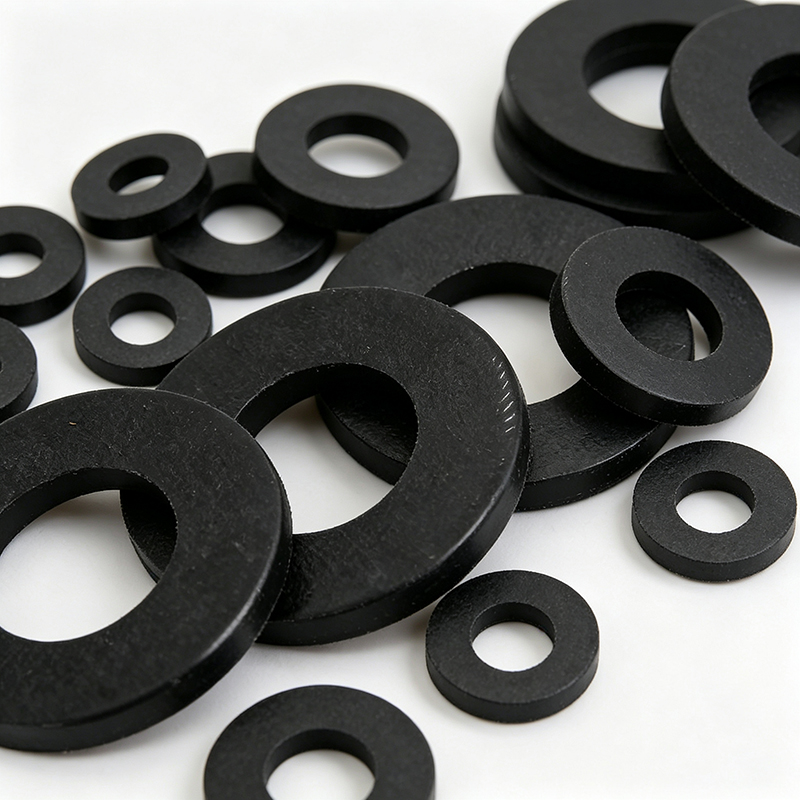
I remember working with an automotive client who specified "60 Shore A EPDM" for their engine gasket. The hardness matched their previous project perfectly. The price was right. The samples passed all initial tests.
Six months after production started, gaskets began failing in the field. The operating temperature was 20°C higher than their previous application. The EPDM compound couldn't handle the thermal cycling. The result? A costly recall affecting 15,000 units.
Here's what really happens when you choose materials by habit. Your procurement team finds a supplier who can match the basic specification. The samples arrive and pass dimensional checks. Hardness tests show the right Shore A reading. Initial assembly goes smoothly.
But real-world conditions are different from your test bench. Temperature fluctuations stress the polymer chains. Chemical exposure gradually breaks down the material structure. Compression and relaxation cycles create permanent deformation. Vibration accelerates aging processes.
The gasket that worked perfectly in your previous application might be completely wrong for your current project. Different operating temperatures require different polymer families. New chemical exposures demand upgraded resistance properties. Changed compression requirements need adjusted hardness levels.
Material selection based on habit ignores these application-specific factors. You end up with a gasket that fits your groove perfectly but fails to seal reliably under actual service conditions. The failure often appears months after production begins, when fixing the problem costs exponentially more.
Why Do Wrong Materials Pass Sample Testing But Fail Later?
Sample testing creates false confidence. Your gasket passes every initial check but still fails in the field. This happens because standard tests don't replicate real operating conditions.
Wrong gasket materials often pass dimensional inspection, hardness testing, and initial leakage tests because these evaluations don't simulate long-term exposure to temperature, chemicals, compression, and environmental stress that cause gradual material degradation.
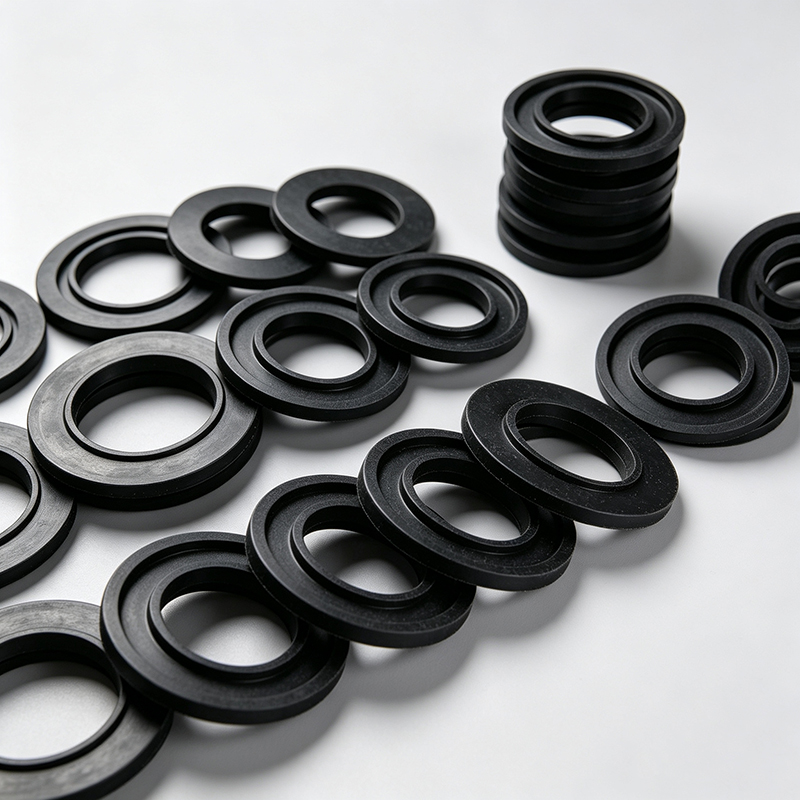
Standard sample evaluation typically includes dimensional verification, hardness measurement, visual inspection, and basic fit testing. These checks confirm the gasket matches your drawing and assembles correctly. They don't predict long-term performance.
Real service conditions create stresses that don't appear in short-term testing. Temperature cycling causes expansion and contraction that gradually weakens the polymer matrix. Chemical exposure slowly breaks down molecular bonds. Constant compression creates permanent set that reduces sealing force. Vibration accelerates fatigue processes.
The material degradation follows a predictable pattern. Initially, the gasket maintains its properties and seals effectively. Over time, exposure to operating stresses begins breaking down the polymer structure. Compression set increases as the material loses its ability to recover from deformation. Sealing force decreases as the gasket can no longer maintain contact pressure.
Eventually, the degraded material can't provide adequate sealing. Leakage begins gradually, then accelerates as the seal integrity completely fails. By this point, the gasket has been in service for months or years. The original material selection decision is forgotten. Everyone focuses on the immediate leakage problem instead of the root cause.
This failure pattern explains why wrong materials can pass prototype testing but fail catastrophically in production. The sample validation period isn't long enough to reveal material degradation. The testing conditions don't replicate the full range of service stresses. The evaluation focuses on immediate performance instead of long-term reliability.
How Does the Typical OEM Failure Chain Develop?
OEM gasket failures follow a predictable sequence. Each step seems logical individually, but the combination creates expensive problems later.
The OEM failure chain starts with incomplete application requirements, leads to price-driven material selection, passes prototype validation, begins mass production, then encounters real operating conditions that cause gradual gasket degradation and eventual field failures.
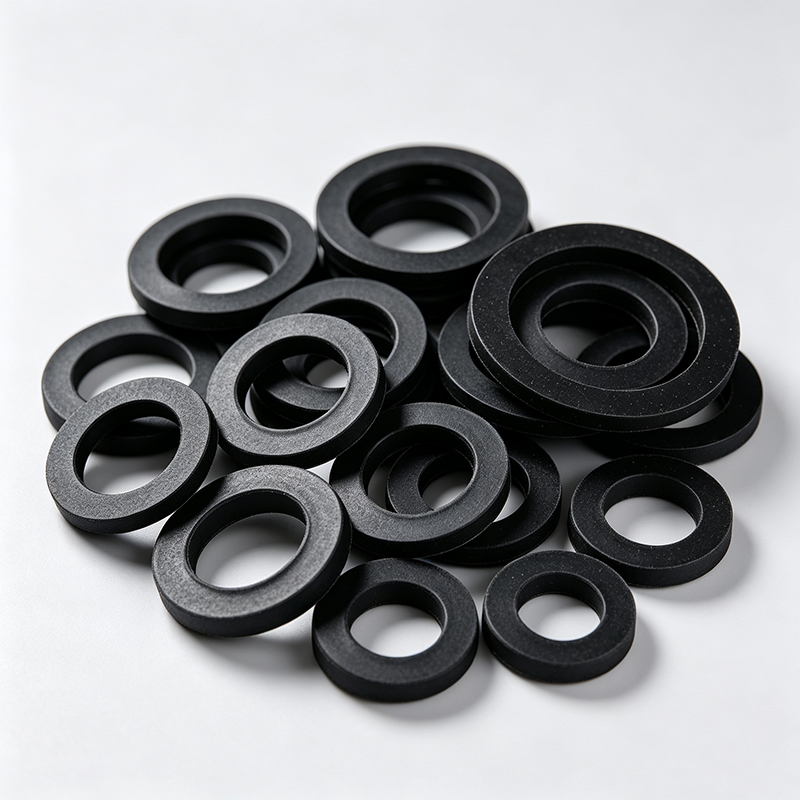
The chain typically begins during the RFQ process. Engineering provides basic gasket dimensions and hardness requirements. Operating conditions are mentioned briefly or omitted entirely. Chemical exposure details are vague. Temperature ranges are estimated rather than measured.
Suppliers respond with quotes based on the limited information provided. Material selection focuses on meeting the basic hardness requirement at the lowest cost. Previous project experience influences choices more than actual application analysis. Alternative materials are rarely discussed.
Prototype evaluation confirms the gasket fits correctly and doesn't leak during initial testing. Dimensional checks pass. Assembly procedures work smoothly. Short-term performance looks acceptable. The material appears adequate for the application.
Tooling approval moves forward based on successful prototype results. Production planning begins. Supply chain contracts are signed. Manufacturing processes are established. Quality control procedures are implemented based on the prototype material.
Mass production starts with the approved material. Initial quality checks show consistent results. Customer acceptance testing passes. Product launch proceeds on schedule. Everything appears successful during the early production phase.
Real operating conditions gradually reveal material limitations. Field units experience temperature extremes not captured in prototype testing. Chemical exposures prove more aggressive than anticipated. Compression and vibration levels exceed laboratory simulation. Environmental factors accelerate aging processes.
Material degradation begins affecting seal performance. Compression set increases beyond acceptable limits. Sealing force decreases as gasket recovery diminishes. Leakage starts occurring in field units. Customer complaints begin arriving. The failure investigation traces back to material selection decisions made months earlier.
What Should You Define Before Approving Gasket Tooling?
Proper material validation requires defining specific application conditions and performance requirements before tooling approval. Generic specifications create expensive problems later.
Before tooling approval, define the exact polymer family, operating temperature range, chemical exposure details, pressure requirements, compression specifications, vibration conditions, and validation test procedures that confirm long-term sealing performance under actual service conditions.
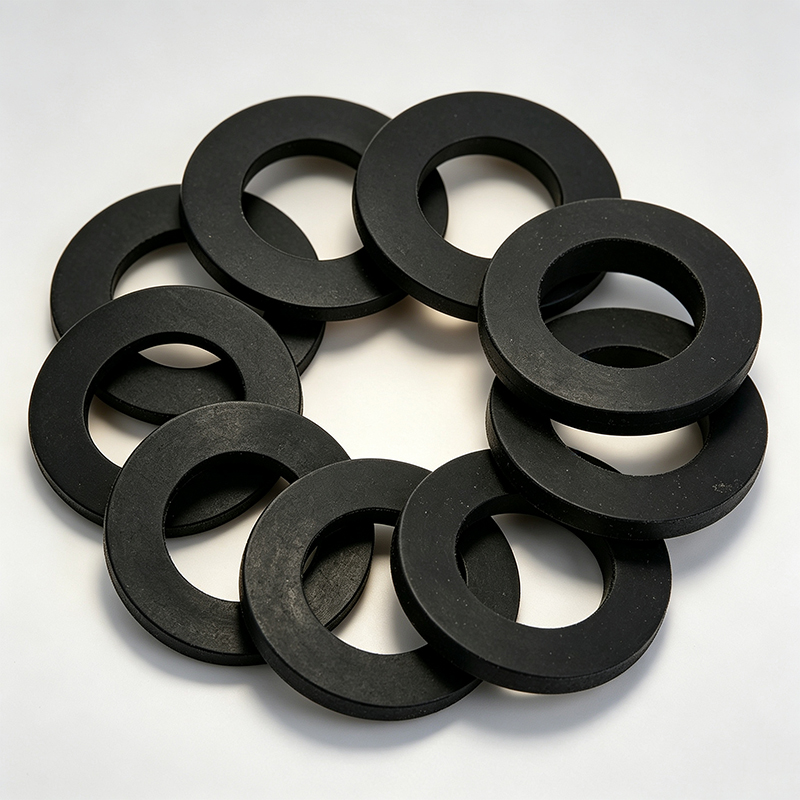
Material specification must go beyond basic hardness requirements. Define the specific polymer family based on application needs. EPDM for weather resistance. NBR for oil compatibility. Silicone for temperature extremes. Fluoroelastomer for chemical resistance. Each family offers different performance characteristics.
Hardness specification should include tolerance ranges and measurement methods. Shore A durometer readings can vary between instruments and operators. Specify the exact measurement standard and acceptable range. Consider how hardness affects sealing force and compression set behavior.
Performance requirements must address actual operating conditions. Define minimum and maximum temperature ranges based on measured data, not estimates. Specify chemical exposure details including concentration levels and contact duration. Include pressure requirements for both positive and vacuum applications.
Application conditions need comprehensive documentation. Operating temperature should include both steady-state and transient conditions. Chemical exposure must specify exact compounds, concentrations, and contact scenarios. Pressure requirements should cover normal operation and worst-case conditions. Compression specifications must define installation and service compression levels.
Validation procedures should replicate actual service conditions. Temperature cycling tests using real operating ranges. Chemical resistance evaluation with actual exposure compounds. Compression set testing at service compression levels. Aging tests that simulate expected service life.
Most importantly, the prototype material and production material must represent identical specifications. Material substitutions during production create new risks that weren't evaluated during validation. Supplier changes require complete revalidation unless materials are proven equivalent through comprehensive testing.
Who Controls Gasket Material Risk in Your Organization?
Material selection responsibility spans multiple departments. Clear accountability prevents costly oversights and ensures proper validation.
Design engineers define sealing requirements, supplier engineers recommend suitable materials, procurement prevents unauthorized substitutions, quality control verifies material compliance, and project managers ensure validation completion before production approval.


Design engineers bear primary responsibility for defining application requirements. They understand operating conditions, performance expectations, and reliability requirements. Their specifications must include temperature ranges, chemical exposures, pressure conditions, and service life expectations. Incomplete requirements create downstream problems.
Supplier engineers provide material expertise and application experience. They recommend polymer families based on operating conditions. They identify potential material risks and suggest validation procedures. They should challenge inadequate specifications and propose alternatives when applications exceed material capabilities.
Procurement teams control material consistency and prevent unauthorized substitutions. They must understand that lowest cost doesn't always mean best value. Material changes require engineering approval and revalidation. Supplier changes need material equivalency verification. Cost reduction efforts shouldn't compromise material performance.
Quality control verifies material identity and properties. They confirm hardness readings match specifications. They verify color and appearance requirements. They should understand material identification methods and recognize when materials don't match approved specifications. Their inspection procedures must catch material variations before assembly.
Project managers ensure material validation occurs before tooling approval. They coordinate between departments to complete validation activities. They prevent schedule pressure from bypassing material verification. They ensure prototype materials match production materials. Their approval gates should include material validation completion.
The biggest risk occurs when responsibility is unclear or shared without accountability. Each department assumes someone else is handling material validation. Critical verification steps get skipped. Material problems surface after production begins when fixing them costs exponentially more.
Conclusion
The right gasket material prevents expensive field failures, but only when selected through proper application analysis rather than habit or price alone.