

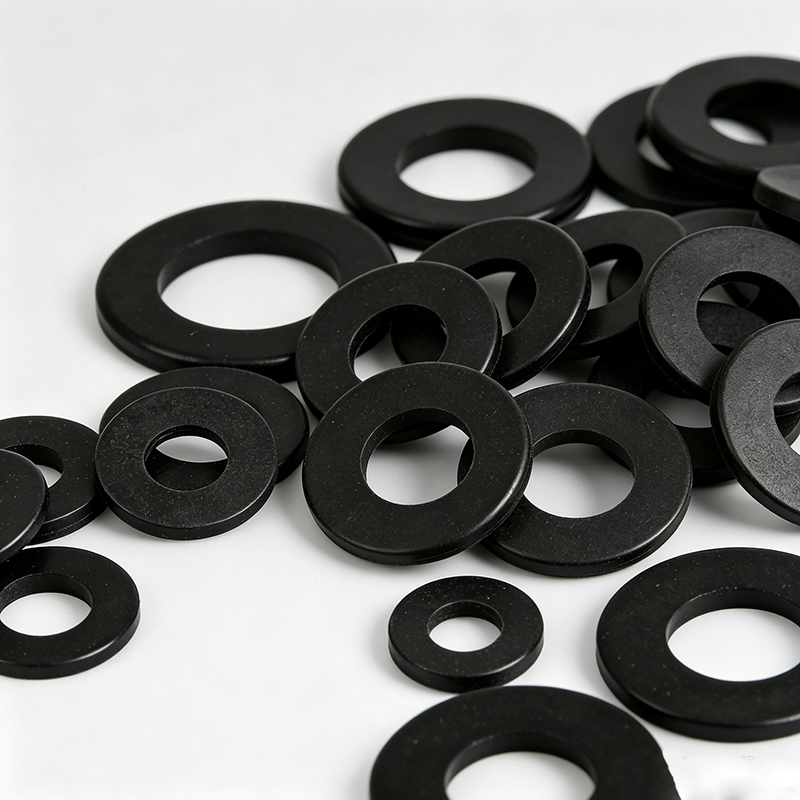
Selecting gaskets based only on published temperature ratings creates hidden risks. Many projects face field failures because temperature capability was never properly validated under actual operating conditions.
Temperature ratings are starting points for material selection, not guarantees of sealing performance. Real gasket reliability depends on how the material behaves under your specific combination of temperature, compression, pressure, and environmental conditions over time.
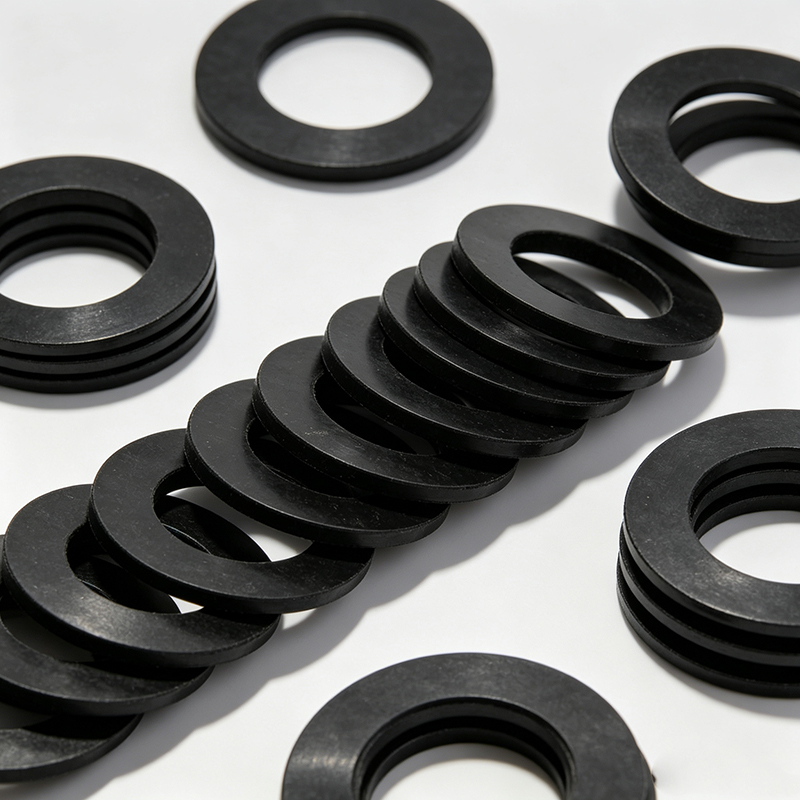
After 27 years in gasket manufacturing, I have seen countless projects where the "right" material on paper became the wrong choice in practice. The gap between laboratory ratings and field performance teaches us that temperature is never just about temperature.
Why Do Standard Temperature Ratings Often Mislead Design Teams?
Temperature ratings seem straightforward until you dig deeper. Most engineers assume that staying within published limits guarantees success, but this creates a dangerous blind spot.
Published temperature ranges typically reflect short-term exposure under ideal laboratory conditions. They rarely account for compression set, thermal cycling, chemical exposure, or the combined stress effects that occur in real applications.
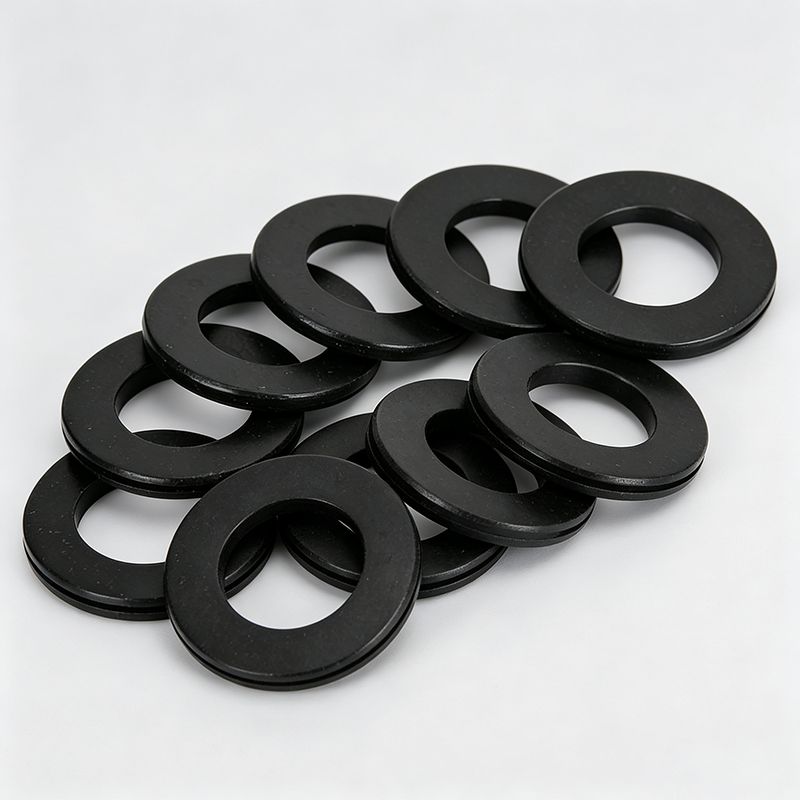
The problem starts with how these ratings are determined. Material suppliers often test samples under controlled conditions with minimal compression and no chemical exposure. A silicone gasket might maintain its basic properties at 200°C in a laboratory oven, but the same material can fail at 150°C when compressed in a groove and exposed to oils or thermal cycling.
I remember working with an automotive client who selected EPDM gaskets for an engine application. The operating temperature was well within EPDM's rated range. However, the gaskets were compressed to 25% of their original thickness and exposed to engine oil. After 500 thermal cycles, the gaskets lost elastic recovery and started leaking. The temperature rating was correct, but it did not predict compression set behavior under actual conditions.
This disconnect happens because temperature ratings focus on material survival rather than sealing function. A gasket might not decompose at high temperature, but it can still lose the elastic properties needed to maintain sealing force. The material datasheet shows capability, but your application demands performance.
| Test Condition | Laboratory Rating | Real Application | Performance Gap |
|---|---|---|---|
| Temperature exposure | Controlled oven test | Thermal cycling with compression | Compression set accumulation |
| Chemical contact | Clean air environment | Oil, coolant, cleaning agents | Swelling and degradation |
| Mechanical stress | Free-standing sample | Compressed in groove | Stress relaxation |
| Time factor | Short-term testing | Years of operation | Long-term property changes |
What Happens When Gaskets Face Real Operating Conditions?
Real applications create stress combinations that no single temperature rating can predict. Temperature becomes one factor in a complex system of mechanical and chemical interactions.
Gaskets must maintain sealing force while experiencing temperature changes, compression, pressure, chemical exposure, and time. Each factor affects how the material responds to temperature, creating performance outcomes that simple ratings cannot capture.
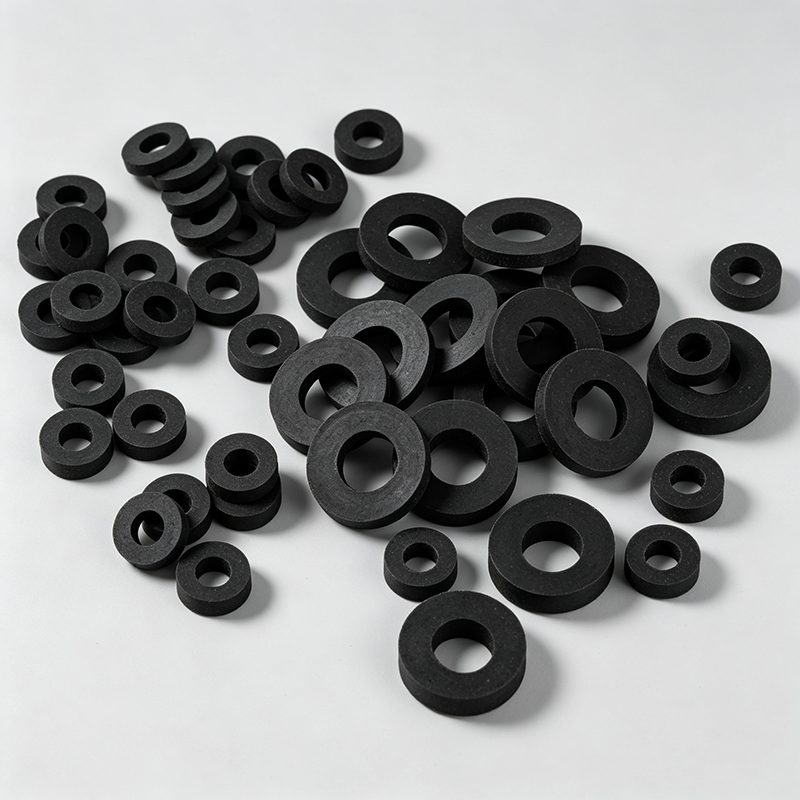
Consider what actually happens in a typical heated enclosure application. The gasket sits compressed in a groove, experiences daily temperature cycles, and may contact oils or cleaning chemicals. During heating, the material expands and softens. During cooling, it contracts and may not fully recover its original dimensions. Over time, this cycling creates permanent compression set.
The compression set is the killer. As the gasket loses thickness and elastic recovery, the sealing force decreases. Eventually, the remaining force cannot maintain a reliable seal, and leakage begins. This failure mode has nothing to do with material decomposition or obvious temperature damage. The gasket looks fine but no longer functions.
I have seen this pattern repeatedly in electronics cooling applications. Design teams select silicone gaskets rated for 200°C continuous use. The application runs at 120°C, which seems safe. However, the gaskets are compressed to fit in tight spaces and experience rapid temperature changes during equipment startup and shutdown. After six months, field units start showing coolant leaks. The gaskets have not failed catastrophically, but they have lost sealing capability.
Chemical effects make temperature behavior even more unpredictable. A gasket material might handle 150°C in air but start degrading at 100°C when exposed to certain oils or solvents. The temperature rating assumes a clean environment, but real applications rarely provide that luxury. Automotive gaskets face engine oils, industrial gaskets encounter hydraulic fluids, and electronics gaskets may contact thermal interface materials or cleaning solvents.
Thermal cycling adds another layer of complexity. Materials behave differently under steady temperature versus repeated heating and cooling cycles. Each cycle creates thermal stress as different parts of the gasket expand and contract at different rates. Over hundreds or thousands of cycles, this stress can cause cracking, hardening, or loss of elastic properties even when peak temperatures stay within rated limits.
How Should Engineering Teams Evaluate Temperature Capability Before Production?
Proper temperature evaluation requires testing under conditions that match your actual application as closely as possible. Laboratory ratings provide starting points, but application-specific validation determines real suitability.
Effective temperature testing combines thermal exposure with mechanical compression, chemical contact, and time acceleration to simulate actual operating conditions. This approach reveals performance limitations that simple temperature ratings cannot predict.
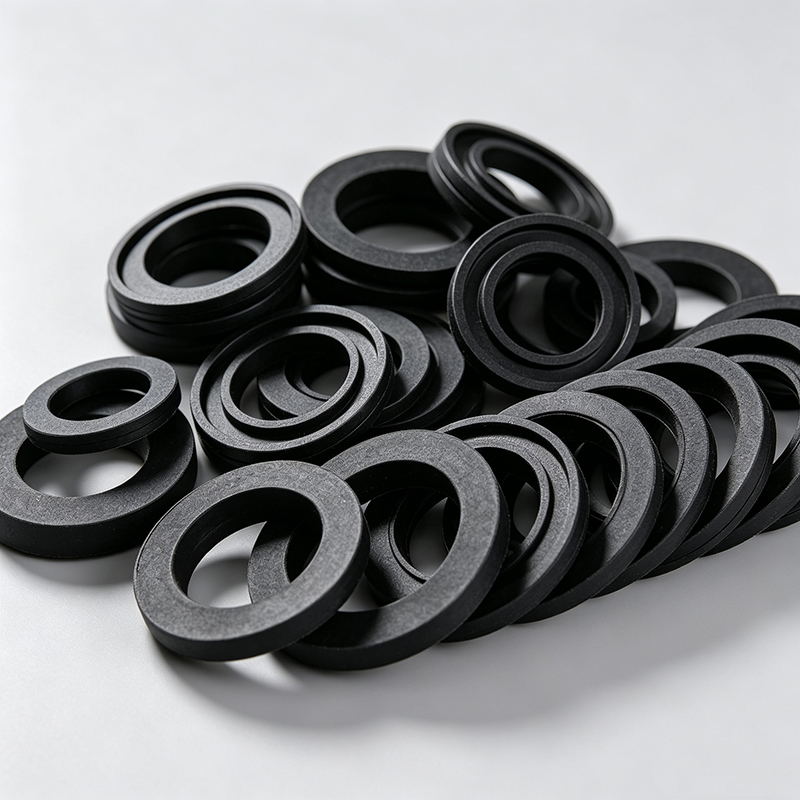
The testing process should start with a clear definition of actual operating conditions. What are the minimum and maximum temperatures? How fast do temperature changes occur? What compression level will the gasket experience? What chemicals or fluids might contact the gasket? How long must the seal remain reliable?
With these parameters defined, you can design tests that reproduce the critical stress combinations. For thermal cycling applications, test samples should be compressed to application levels and cycled through the actual temperature range. For chemical exposure, include the relevant fluids in thermal aging tests. For long-term reliability, use elevated temperature and stress to accelerate aging effects.
We typically recommend a staged approach for critical applications. First, screen candidate materials using accelerated aging tests at elevated temperature and compression. Materials that show excessive compression set or property changes get eliminated early. Next, test the remaining candidates under simulated application conditions for extended periods. Finally, validate the selected material using prototype assemblies under actual operating conditions.
| Validation Stage | Test Method | Key Measurements | Decision Criteria |
|---|---|---|---|
| Material screening | Accelerated aging at high temp/compression | Compression set, hardness change | Eliminate materials with >25% property change |
| Application simulation | Thermal cycling with compression and chemicals | Sealing force retention, leakage rate | Maintain >80% of initial sealing force |
| Prototype validation | Full assembly testing under operating conditions | Long-term leak performance | Zero leakage over test duration |
| Production verification | Incoming material testing and process control | Material properties consistency | Match validated material specification |
The key insight is that temperature capability must be validated as part of the complete sealing system, not just as a material property. A gasket that performs well in isolation may fail when compressed in a groove and exposed to thermal cycling. The groove design, compression level, and assembly process all affect how the material responds to temperature.
What Are the Consequences of Getting Temperature Selection Wrong?
Temperature-related gasket failures create cascading problems that extend far beyond the immediate sealing issue. Understanding these consequences helps justify the investment in proper material validation.
Gasket failures in production equipment can trigger warranty claims, field service costs, production delays, and customer relationship damage. The cost of proper temperature validation is typically much lower than the cost of field failures and product recalls.
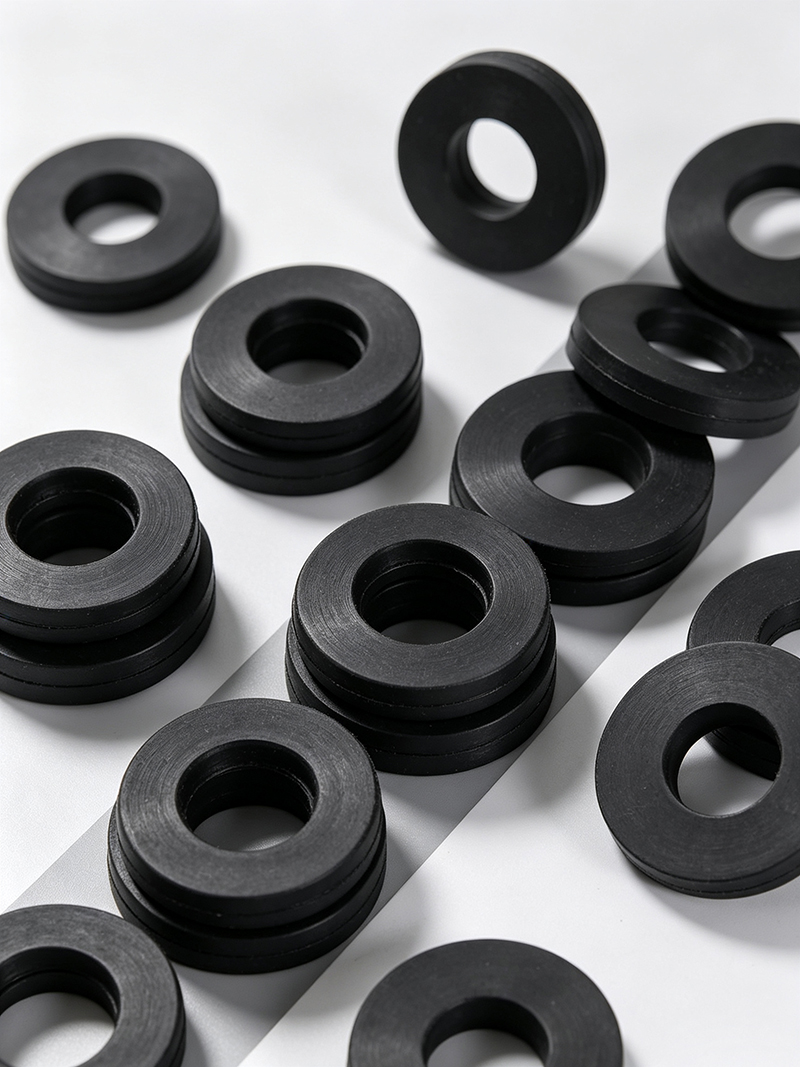
Field failures create multiple cost categories that compound over time. Direct costs include replacement parts, field service labor, and shipping. Indirect costs include production downtime, customer complaints, and engineering investigation time. Hidden costs include damaged customer relationships, lost future business, and internal resources diverted from new product development.
I worked with a medical device manufacturer who experienced gasket failures in sterilization equipment. The gaskets were rated for the sterilization temperature, but they failed after repeated steam cycles. The failures caused equipment downtime in hospitals, triggered FDA investigations, and required a costly field retrofit program. The total cost exceeded $2 million, while proper material validation would have cost less than $50,000.
The timing of failures makes the problem worse. Gasket issues often appear months or years after product launch, when production volumes are high and field populations are large. Early prototype testing may not reveal problems that only develop after extended thermal cycling or aging. By the time failures appear, thousands of units may be affected.
Reputation damage can be the most costly consequence. Customers who experience reliability problems become skeptical of future products. Distributors and sales channels lose confidence. Competitors use reliability issues as sales weapons. Recovering from a reputation for quality problems can take years and significant marketing investment.
The supply chain impacts add complexity to failure management. Gasket suppliers may dispute whether the failure was caused by material defects or application conditions. OEMs may face pressure to accept liability for end-user problems. Insurance coverage may be limited if proper validation procedures were not followed.
Prevention through proper temperature validation provides multiple benefits beyond avoiding failures. Validated material selections support confident product launches, enable aggressive performance specifications, and create competitive advantages through superior reliability. The validation investment pays returns through reduced field service costs, improved customer satisfaction, and stronger market positioning.
Conclusion
Temperature ratings are tools for material screening, not guarantees of sealing performance under your specific operating conditions, compression levels, and environmental exposures.