

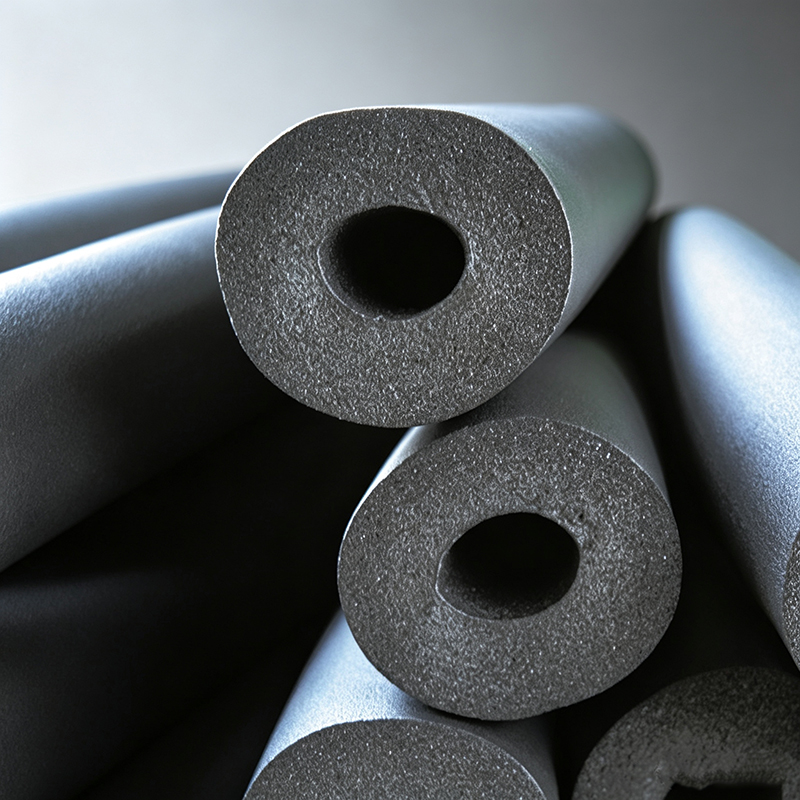
Small black EPDM rubber bellows look simple. But they often crack, fail from fatigue, or cause assembly problems after mass production. This happens more than most engineers expect.
Small black EPDM rubber bellows need dynamic performance validation, not just static dimension checks. The real risk comes from concentrated strain in the bellows valleys during repeated compression, extension, and lateral movement - especially when the effective length is shortened to fit tight spaces.
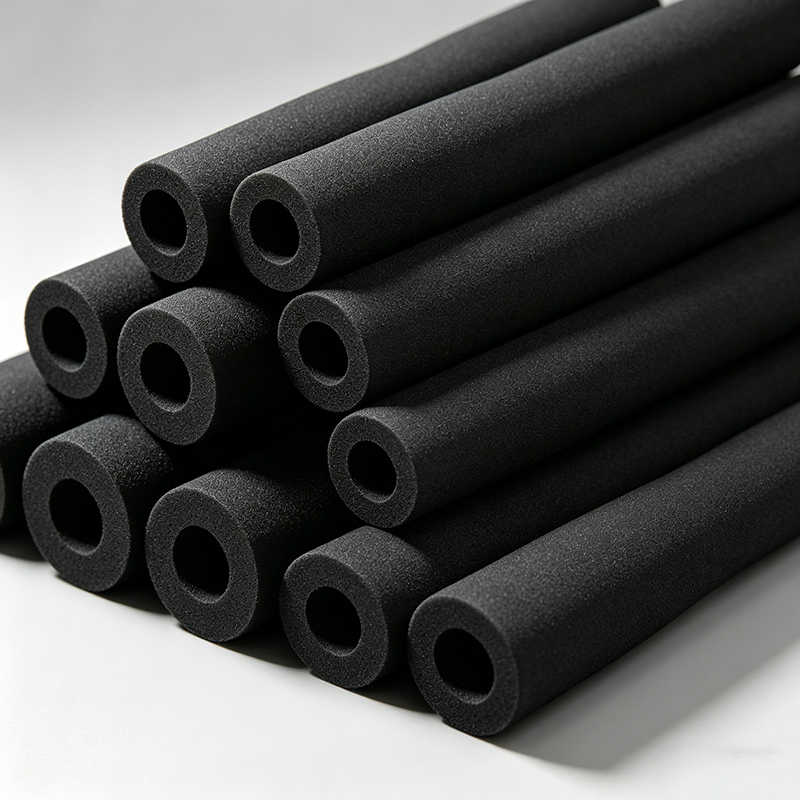
Many project teams discover this too late. They focus on Shore A hardness, outer diameter, and length. But they miss the critical question: Can this bellows handle the actual dynamic workload without cracking?
What Makes Small EPDM Bellows More Risky Than Static Gaskets?
Most engineers think small bellows are safer. The logic seems right. Smaller size means less material stress, right? Actually, the opposite is often true.
Small EPDM bellows concentrate the same movement range into a much shorter effective length. This creates higher local strain in each bellows fold, especially at the valley transitions where cracks typically start.
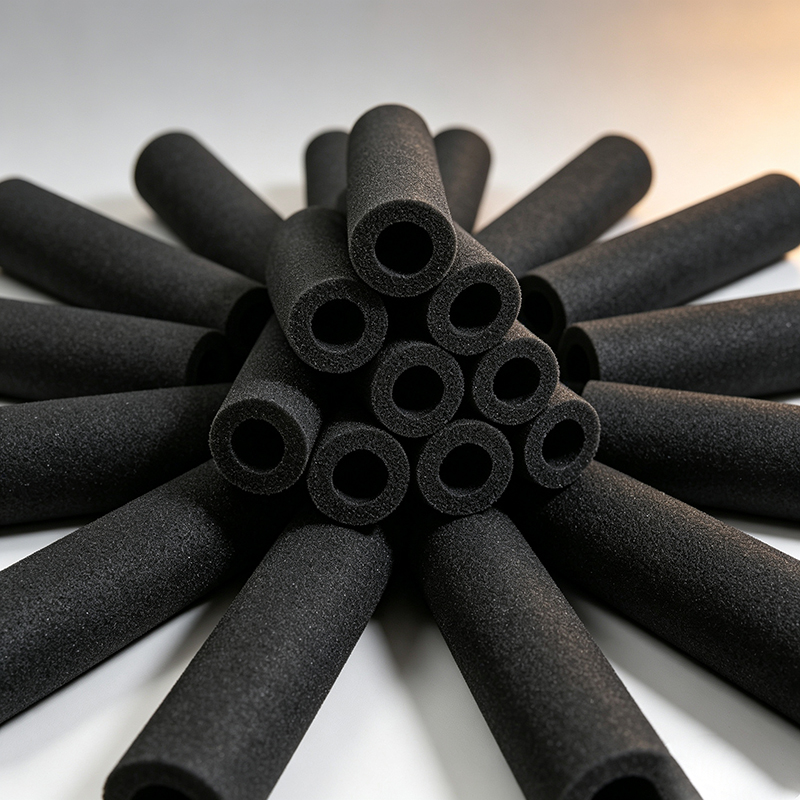
Here's what happens in a typical failure case. The design team needs to fit the bellows into a tight space. They reduce the effective length by 20%. The outer diameter stays the same. The wave count stays the same. The movement requirement stays the same.
But now the same ±5mm axial movement gets concentrated into 20% less flexible length. Each bellows valley must handle more deformation. Add some installation misalignment, temperature cycling, and thousands of movement cycles. The result is predictable crack formation.
The problem gets worse because small bellows often need thinner walls to maintain flexibility. Thinner walls plus higher local strain equals faster fatigue failure. This is why many small EPDM bellows pass static tests but fail dynamic validation.
| Risk Factor | Small Bellows | Large Bellows | Impact |
|---|---|---|---|
| Strain Concentration | High | Low | Critical |
| Wall Thickness | Limited | Flexible | High |
| Installation Tolerance | Tight | Generous | High |
| Heat Dissipation | Poor | Good | Medium |
The engineering challenge is not just making the bellows fit. It's making sure the rubber can handle the actual working conditions for the required lifetime.
How Do Installation Misalignments Amplify Bellows Failures?
Perfect axial compression rarely exists in real applications. Most bellows installations include some level of misalignment, eccentricity, or lateral displacement. Small bellows are much more sensitive to these installation variations.
Installation misalignment creates uneven stress distribution in EPDM bellows. What appears as simple axial movement becomes complex combined loading with stress concentration at specific valley locations.
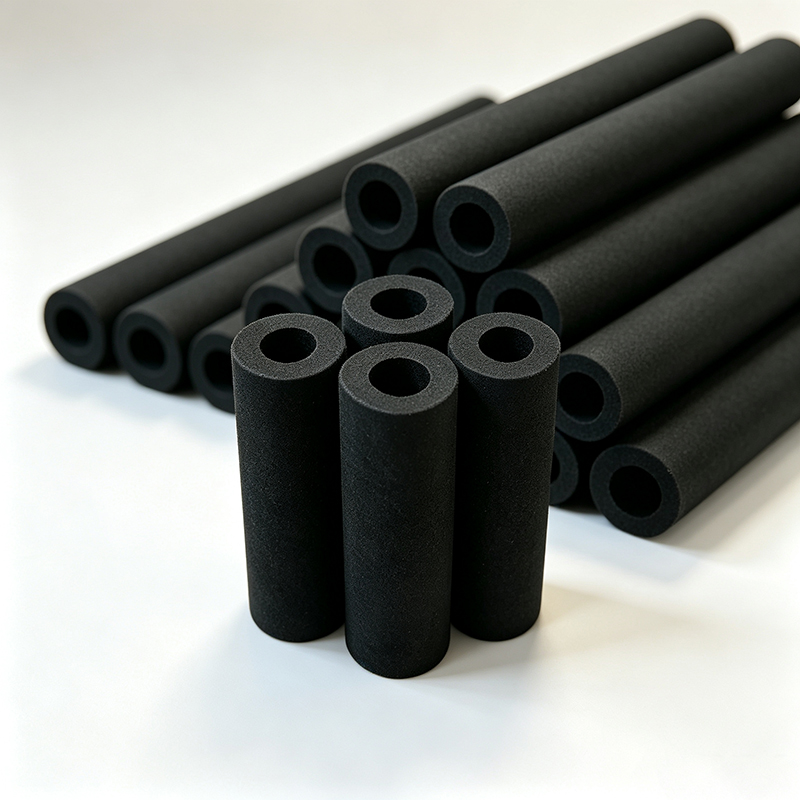
I've seen projects where the bellows design assumed pure axial loading. The test samples worked perfectly under controlled lab conditions. But field installations had 2-3 degrees of angular misalignment plus 1mm of lateral offset.
This transformed the stress pattern completely. Instead of uniform compression across all bellows valleys, the stress concentrated on one side. The high-stress valleys developed cracks first. Once cracking started, the stress concentration got worse. Eventually the bellows lost sealing capability.
The root cause was not EPDM material quality. The material performed exactly as expected under pure axial loading. The problem was that pure axial loading never existed in the actual installation.
Smart project teams now define installation tolerance windows during the design phase. They test bellows performance under maximum allowable misalignment conditions. This prevents surprises during mass production.
Common installation issues include:
- Angular misalignment between connection points
- Lateral offset due to assembly tolerance stack-up
- Eccentric mounting causing uneven preload
- Thermal expansion creating additional displacement
- Vibration adding dynamic lateral forces
Each of these factors changes the stress distribution in the bellows valleys. Small bellows with short effective lengths are particularly vulnerable because they have less ability to accommodate these variations.
Why Do Temperature Cycles Accelerate EPDM Bellows Cracking?
EPDM material properties change with temperature. Most engineers know this. But they don't always consider how temperature cycling interacts with dynamic movement to accelerate crack formation in bellows applications.
Temperature cycling changes EPDM stiffness and crack resistance. When combined with repeated mechanical deformation, this creates a synergistic effect that can reduce bellows life by 50% or more compared to room temperature operation.
Here's what happens during a typical automotive application cycle. Morning startup at -20°C. The EPDM becomes stiffer and less flexible. The bellows must still accommodate the same movement range, but now with reduced material ductility. Micro-cracks can initiate at valley stress concentration points.
Afternoon operation at +80°C. The EPDM becomes softer and more flexible. But existing micro-cracks can propagate more easily in the softer material. The thermal expansion also changes the installation geometry slightly.
Evening cooling back to ambient temperature. The EPDM stiffens again, potentially opening the micro-cracks wider. Repeat this cycle thousands of times over the product lifetime.
The cumulative effect is crack growth that wouldn't occur under constant temperature conditions. This is why bellows validation must include temperature cycling combined with dynamic movement testing.
| Temperature | EPDM Behavior | Bellows Risk |
|---|---|---|
| -20°C | Stiffer, brittle | Crack initiation |
| +23°C | Baseline properties | Normal operation |
| +80°C | Softer, flexible | Crack propagation |
| Cycling | Property variation | Accelerated failure |
The solution is not just selecting EPDM grades with better temperature performance. It's designing the bellows geometry to minimize stress concentration and validating performance under actual temperature cycling conditions.
What Are the Hidden Costs of Bellows Failures in Mass Production?
Bellows failures don't just mean replacing defective parts. The downstream costs can be much higher, especially for OEM applications where the bellows protects critical system components.
Bellows failure costs include part replacement, system contamination cleanup, field service calls, warranty claims, and potential safety recalls. The total cost can be 50-100 times the original bellows piece price.
I worked on a case where small EPDM bellows cost $2.50 each. The bellows protected electronic actuators in automotive applications. When the bellows cracked, water and dirt entered the actuator housing. The contamination caused actuator failures that cost $450 each to replace in the field.
But the real costs were higher. Each field failure required:
- Service technician dispatch ($150)
- Vehicle downtime and customer inconvenience
- Warranty processing and documentation
- Root cause investigation
- Potential recall risk if failure rates exceeded thresholds
The total cost per bellows failure exceeded $800. A 1% failure rate on 100,000 units meant $800,000 in warranty costs from $250,000 worth of bellows.
This is why bellows validation is critical. The upfront investment in proper design, material selection, and testing is tiny compared to the potential field failure costs.
Prevention strategies include:
- Dynamic validation testing during development
- Installation tolerance analysis and control
- Temperature cycling validation
- Accelerated aging with dynamic loading
- Field trial validation before full production
- Supply chain qualification and monitoring
The goal is not just preventing bellows cracks. It's preventing the system failures that result from bellows cracks.
How Can Engineers Prevent Small EPDM Bellows Failures?
Successful bellows projects start with proper requirement definition. Most failures trace back to incomplete specifications that don't capture the actual operating conditions.
Effective bellows failure prevention requires defining the complete operating envelope including movement range, installation tolerances, temperature cycling, and lifetime requirements before starting design.
The first step is replacing vague requirements with specific parameters. Instead of "allow axial movement," specify maximum compression, maximum extension, lateral displacement limits, angular deflection limits, and cycle count requirements.
Instead of "EPDM 60 Shore A," specify the complete material requirements including temperature range, chemical compatibility, dynamic properties, and aging requirements.
Instead of "prevent contamination," specify the ingress protection level, test methods, and acceptance criteria after dynamic cycling.
The second step is validation testing that matches actual operating conditions. Static tests are not sufficient for dynamic applications. The test sequence should include:
- Static installation and basic function verification
- Dynamic cycling at room temperature
- Temperature cycling without movement
- Combined temperature cycling with dynamic movement
- Installation misalignment tolerance testing
- Accelerated aging with periodic function checks
The third step is supply chain control appropriate for dynamic components. Bellows are more sensitive to material and manufacturing variations than static gaskets. Changes in EPDM formulation, cure conditions, or tooling can affect dynamic performance even if static properties remain acceptable.
Key control points include:
- Material specification and supplier qualification
- Incoming inspection for critical dimensions
- Process control for wall thickness and cure
- Dynamic sampling inspection during production
- Change control for materials, tooling, or processes
The fourth step is field performance monitoring and feedback. Early detection of performance trends allows corrective action before warranty costs escalate.
This systematic approach prevents most bellows failures and reduces total program costs even though the upfront validation investment is higher.
Conclusion
Small black EPDM rubber bellows require dynamic engineering, not just static design. Success depends on understanding the complete operating envelope and validating performance under actual conditions.