

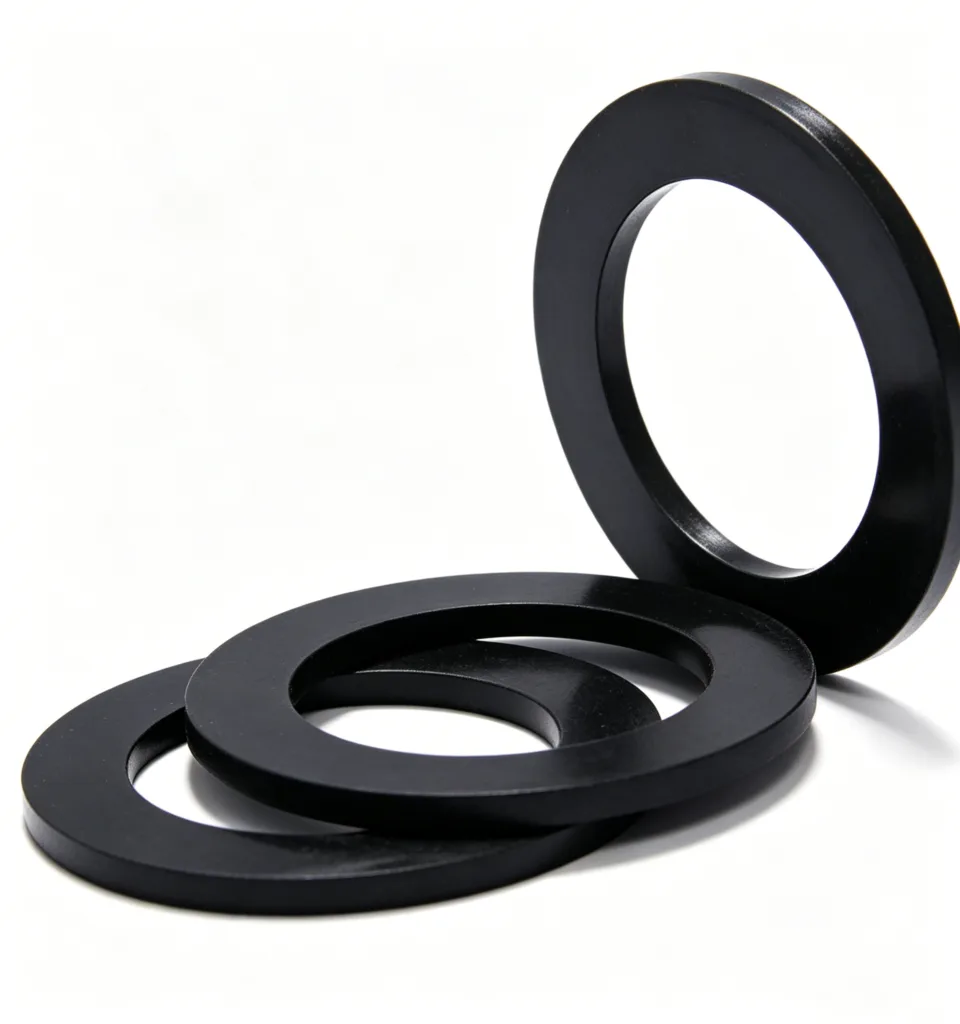
Most engineers think custom gasket projects fail because of poor manufacturing. Actually, the real killer is when drawings are perfect but the sealing system doesn't work.
The most dangerous assumption in custom gasket projects: if you make the gasket to drawings with correct material, hardness, and appearance, it will seal properly. This assumption ignores that gaskets work as part of a complete sealing system, not as standalone components.
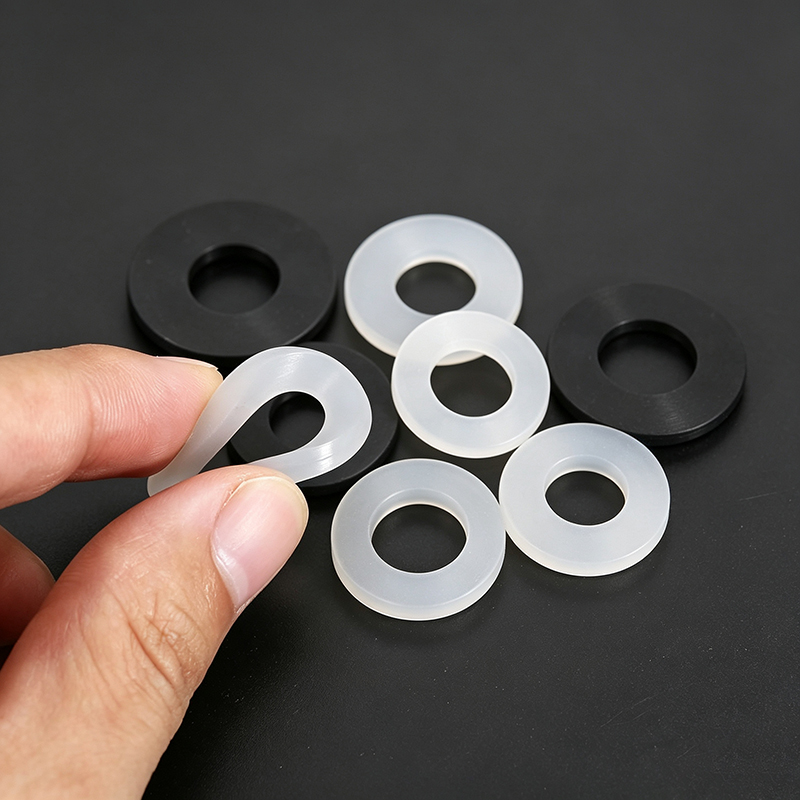
After 27 years making custom gaskets and seals, I've seen this pattern destroy more projects than any manufacturing defect ever could.
Why Do Engineering Teams Miss Critical Sealing System Failures?
Most project teams focus on the wrong validation. They check gasket dimensions, hardness, and material properties. But they never verify the complete sealing system under real assembly conditions.
A gasket that passes all individual tests can still fail catastrophically when compression rates vary due to flange tolerances, assembly forces, temperature changes, and long-term material behavior.
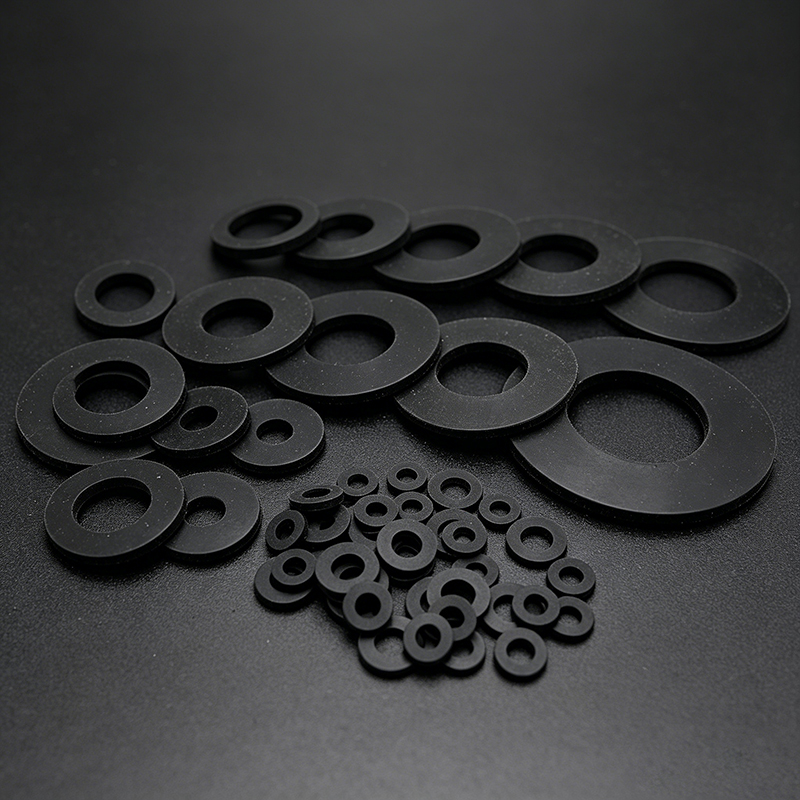
I remember working with an automotive OEM who spent three months troubleshooting "defective gaskets." The gaskets were perfect. The problem was their flange flatness created compression rates from 6% to 16% across the same gasket. Some areas leaked while others were over-compressed.
The real issue wasn't gasket quality. It was system design. When you combine gasket thickness tolerance with flange gap tolerance, you get a compression rate window that might be too wide for reliable sealing.
This happens because different teams own different parts of the system. Engineering owns the flange design. Purchasing owns gasket sourcing. Quality owns dimensional inspection. But nobody owns the complete sealing performance under all assembly conditions.
Key System Variables Most Teams Never Validate Together
| Variable | Impact on Sealing | Usually Checked? |
|---|---|---|
| Gasket thickness tolerance | Direct compression rate change | Yes |
| Flange gap variation | Direct compression rate change | Rarely |
| Assembly torque variation | Compression uniformity | Never |
| Temperature cycling | Material property changes | Sometimes |
| Long-term compression | Permanent set effects | Rarely |
| Material batch consistency | Performance variation | Sometimes |
The most expensive mistakes happen when teams validate each variable separately but never test their worst-case combinations.
How Do Successful Projects Avoid These System-Level Failures?
The best custom gasket projects start with a completely different question. Instead of asking "Can you make this gasket?" they ask "Will this sealing system work under all assembly and operating conditions?"
Successful projects define compression rate windows first, then design gaskets to maintain sealing within those windows despite all tolerance stack-ups and operating variables.


Last year, we worked with an industrial equipment manufacturer who almost repeated the same mistake. Their original specification called for EPDM 70 Shore A gaskets with fixed thickness. But when we analyzed their flange tolerance stack-up, we found compression rates could vary from 4% to 18%.
At 4% compression, sealing pressure would be insufficient. At 18% compression, assembly forces would be excessive and material stress could cause premature failure.
Instead of just making gaskets to their drawing, we worked together to redefine the complete sealing system. We adjusted gasket thickness, modified compression targets, and established worst-case validation testing.
The result was a sealing system that works reliably across their entire assembly tolerance window. More importantly, it works consistently in production where real assembly conditions vary much more than laboratory test conditions.
Critical Success Factors for System-Level Validation
Successful projects always validate these combinations:
- Minimum gasket thickness + maximum flange gap
- Maximum gasket thickness + minimum flange gap
- Temperature extremes + compression cycling
- Material aging + sealing pressure requirements
- Assembly variation + long-term performance
They never assume that individual component validation equals system performance validation.
What Specification Mistakes Create the Highest Project Risks?
The most dangerous specifications look complete but miss critical system requirements. They define material, hardness, and dimensions perfectly. But they don't define how the gasket must perform as part of the complete assembly.
Specifications that only define the gasket component create massive hidden risks because they don't establish the sealing system requirements that determine actual performance.
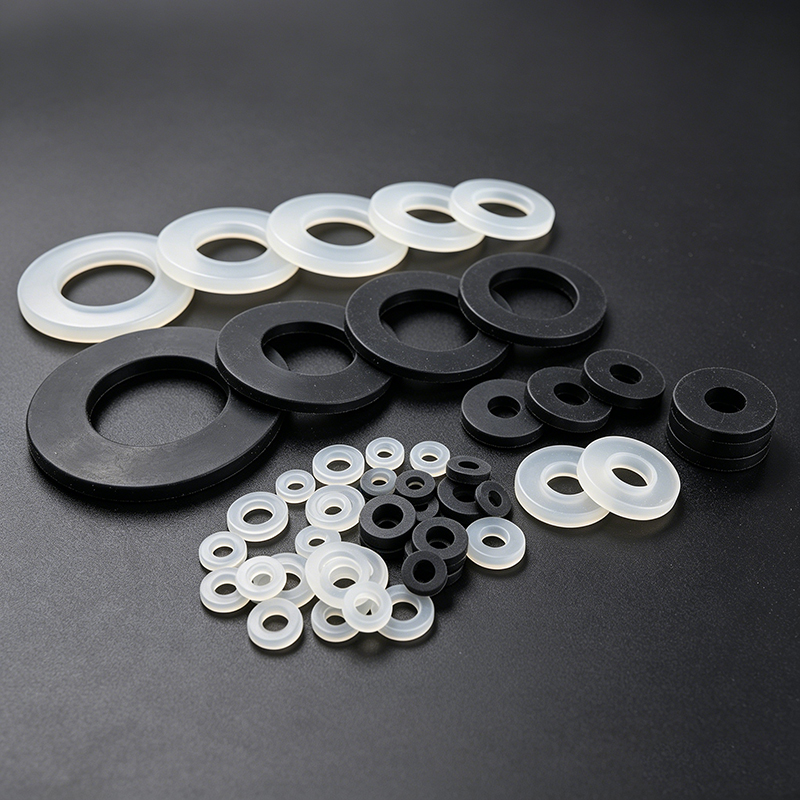
I've seen too many RFQs that specify "EPDM 70 Shore A, thickness 3.0mm" and nothing else. This tells suppliers what to make, but not what sealing performance is actually required.
Missing specification elements that cause project failures:
- Compression rate windows (minimum and maximum allowable compression)
- Flange gap tolerance and surface conditions
- Assembly pressure and torque requirements
- Operating temperature and pressure cycling
- Media compatibility and chemical resistance
- Long-term compression set requirements
- Validation test conditions that match real assembly
Without these system requirements, different suppliers will make different assumptions about material formulation, compression behavior, and performance targets. The result is gaskets that meet the written specification but fail in actual application.
The Most Expensive Specification Gaps
| Missing Requirement | Project Risk | Typical Cost Impact |
|---|---|---|
| Compression rate window | Leakage or over-compression | 10-15 week delay |
| Surface condition requirements | Inconsistent sealing | Flange rework costs |
| Temperature cycling validation | Field failures after launch | Warranty claims |
| Media compatibility testing | Material degradation | Product recalls |
| Long-term compression testing | Premature seal failure | Customer complaints |
The pattern is always the same. Specifications that look complete during sourcing create system-level problems during validation or production.
How Should Project Teams Structure Risk Prevention?
The most effective approach treats gasket projects as sealing system projects from day one. This means different validation priorities, different supplier selection criteria, and different success metrics.
Risk prevention starts with defining sealing system requirements before defining gasket component requirements. The component specification should support the system performance, not drive it.
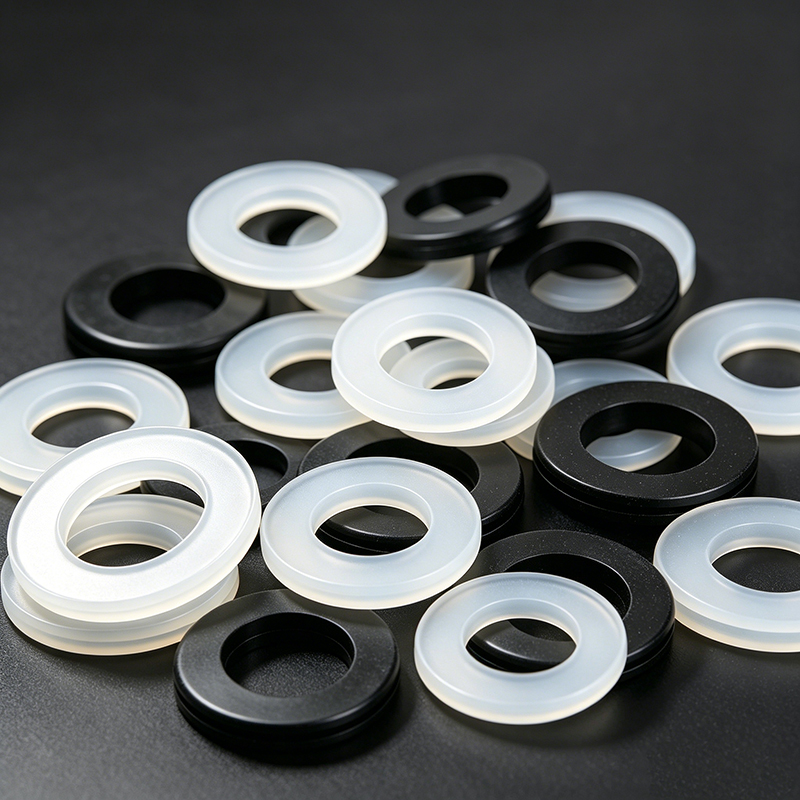
We structure every project around three critical validation phases:
Phase 1: System Definition Before any gasket design, we establish the complete sealing system requirements. This includes compression windows, assembly conditions, operating environment, and validation criteria that match real application conditions.
Phase 2: Component Design Only after system requirements are clear do we design the gasket component. Material selection, thickness, tolerances, and geometry all support the system performance requirements established in Phase 1.
Phase 3: System Validation We never validate just the gasket component. We validate the complete sealing system under all assembly tolerance combinations and operating conditions. This includes worst-case scenarios that might only occur occasionally in production.
Recommended Validation Matrix
| Test Condition | Purpose | Acceptance Criteria |
|---|---|---|
| Minimum compression + high temp | Verify sealing at design limits | No leakage at operating pressure |
| Maximum compression + assembly torque | Verify no over-stress | Assembly force within limits |
| Temperature cycling + aging | Verify long-term performance | Maintained sealing after cycling |
| Material batch variation | Verify production consistency | Performance within specification |
| Assembly variation simulation | Verify real-world robustness | Consistent performance |
This validation approach catches system-level problems during development instead of during production or field use.
Conclusion
Custom gasket success requires treating sealing as a system engineering problem, not a component sourcing problem. The gasket is just one element in a complete sealing system.