

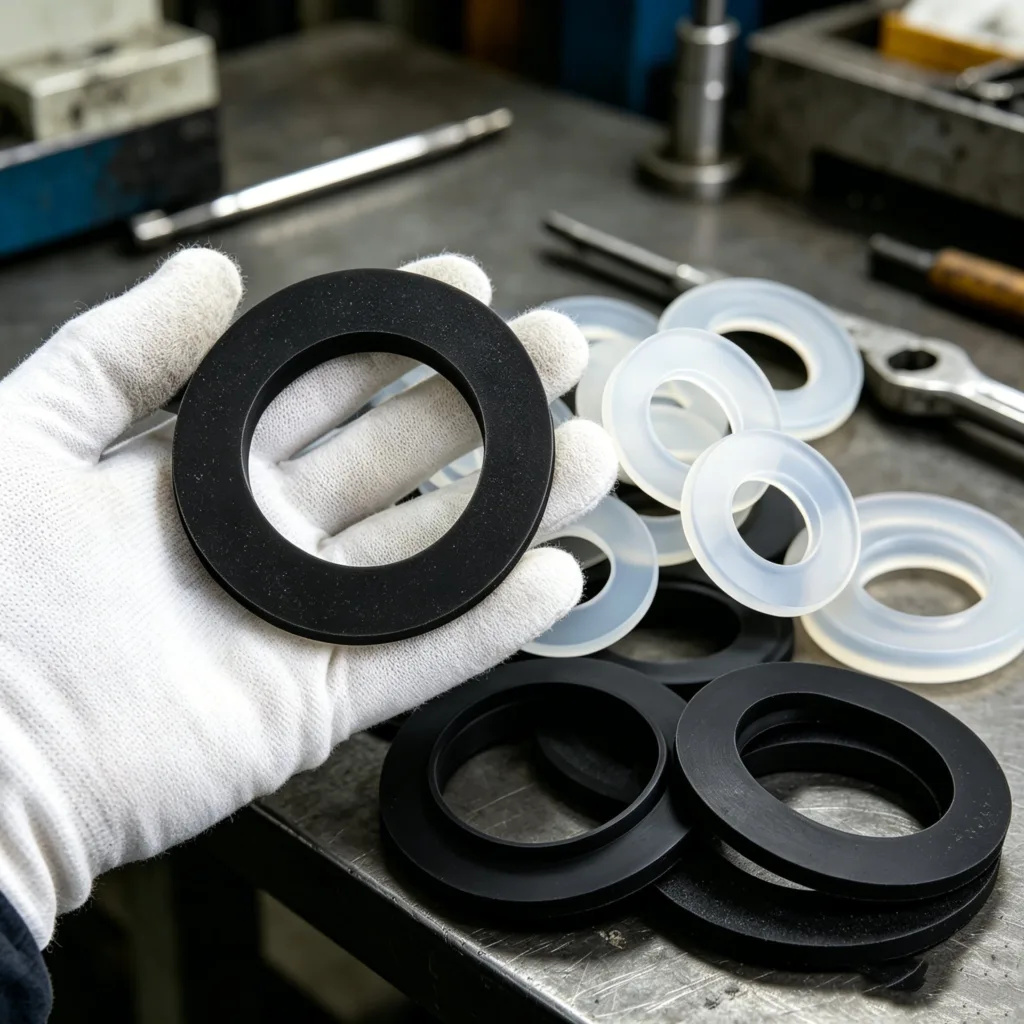
Are you struggling with custom extruded rubber parts that passed samples but failed in production? You're dealing with manufacturing stability, not just quality issues.
Custom extruded rubber parts projects fail because teams focus on "making samples" instead of "stable continuous production." The real challenge isn't creating the cross-section—it's maintaining dimensional consistency across thousands of meters while preserving assembly and sealing functions.
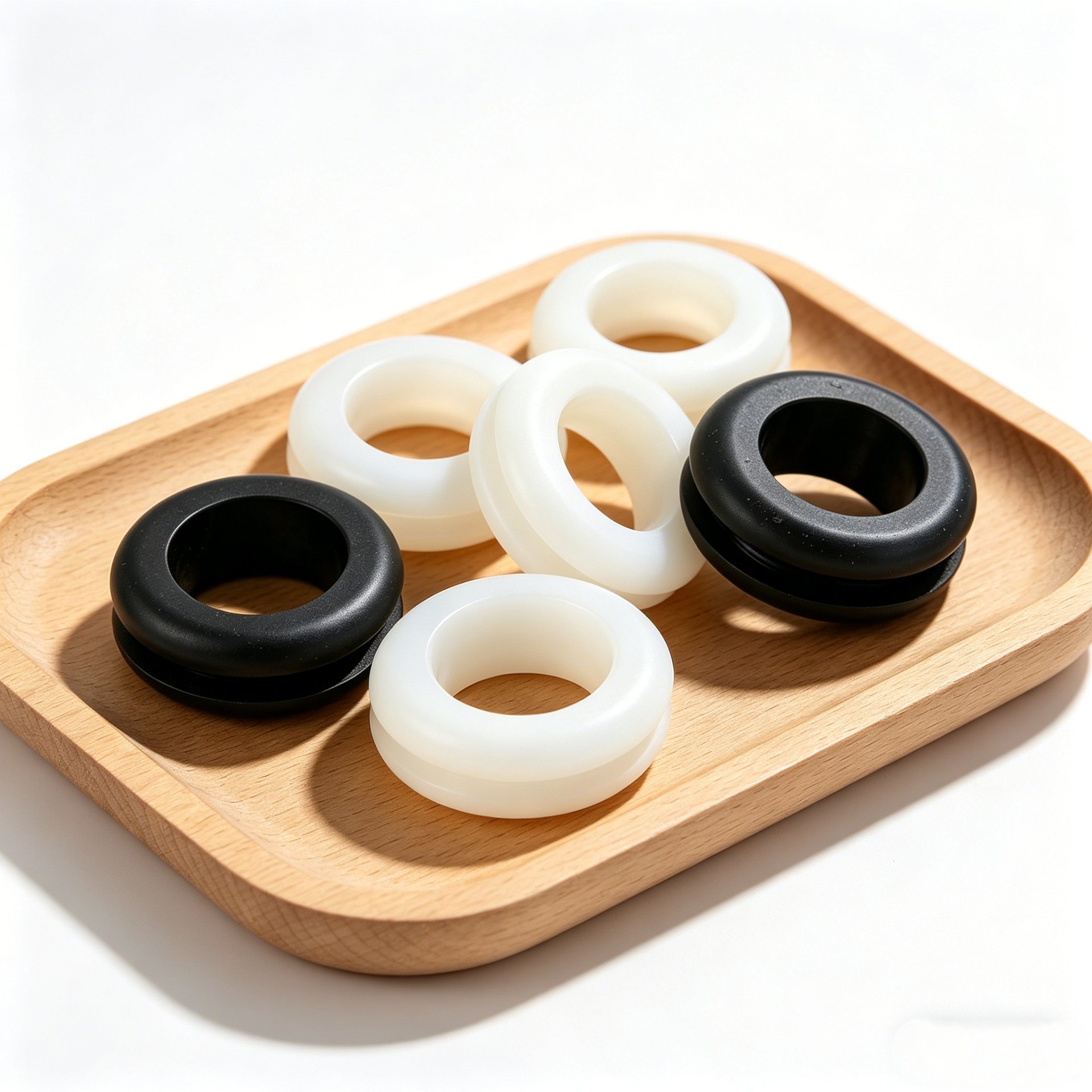
Most engineers think sample approval means the project is ready for production. That's the most dangerous assumption in rubber extrusion projects. Let me show you why projects really fail and how to prevent it.
What Makes Rubber Extrusion Different From Other Manufacturing?
Ever wonder why your extruded rubber parts work perfectly as samples but create headaches in production? The answer lies in understanding what happens after the rubber leaves the die.
Unlike machined parts, extruded rubber dimensions aren't determined solely by tooling. The final size depends on die swell, curing shrinkage, cooling conditions, pulling speed, and material rheology—all happening continuously during production.
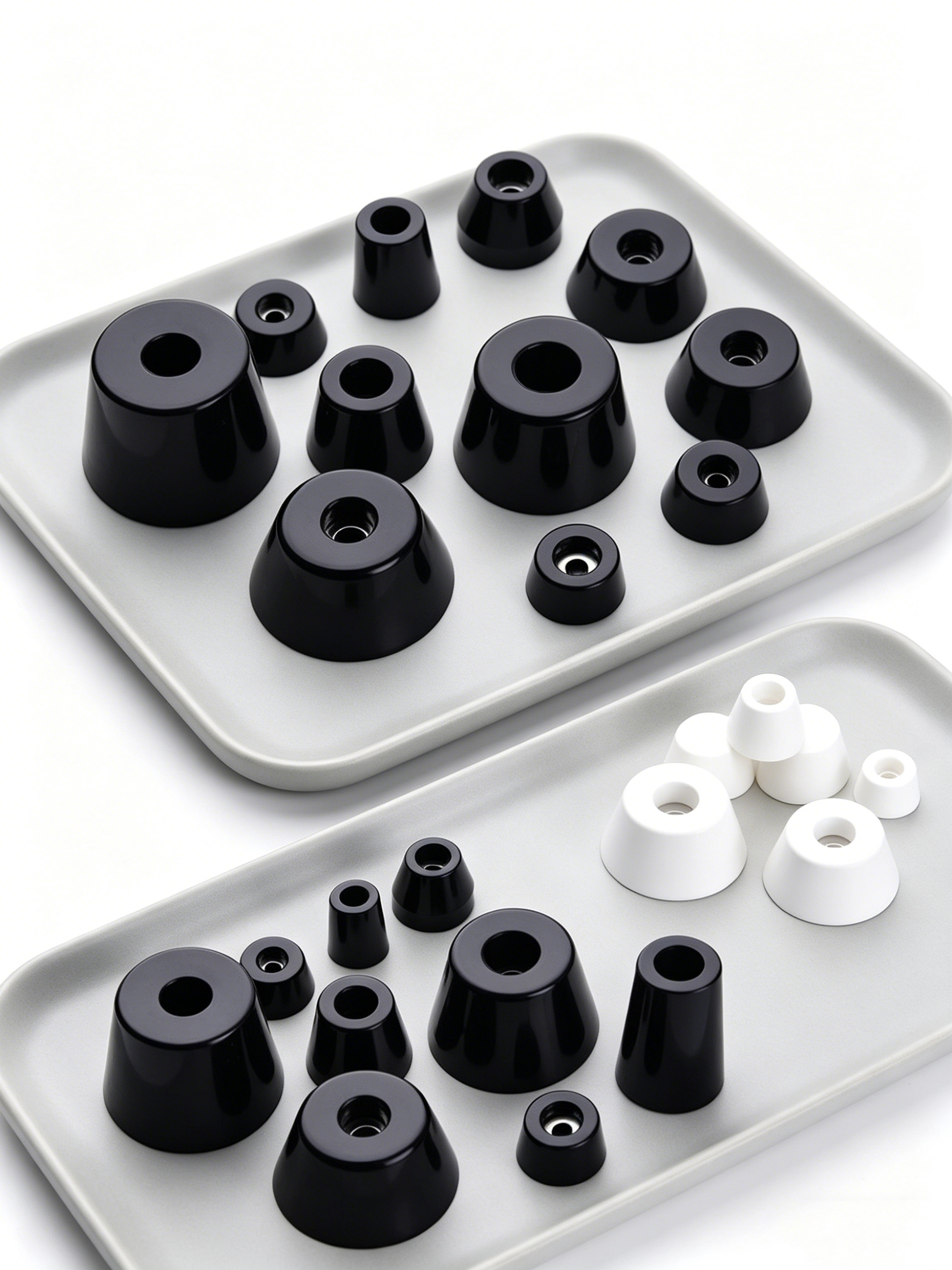
I've seen projects where suppliers could make perfect 10-meter samples but couldn't maintain consistency over 1000-meter production runs. The difference? Sample production allows manual adjustments, material selection, and reduced speeds. Mass production demands stability across multiple shifts, material batches, and environmental conditions.
The key insight most teams miss: die size ≠ product size. Your final dimensions come from the interaction between die geometry, material flow properties, processing parameters, and curing conditions. This is why a supplier might say "our die matches your drawing exactly" while the actual product still shows dimensional drift.
When we work with OEMs on custom extruded rubber parts, we focus on three critical questions:
- Can this cross-section be extruded consistently?
- Will the manufacturing window remain stable during continuous production?
- Do the dimensional tolerances match the actual process capability?
These questions matter more than whether the first sample looks good. Because in rubber extrusion, the real test isn't making one good part—it's making thousands of identical parts.
Why Do Smart Engineers Make Wrong Decisions About Extrusion Projects?
Have you ever approved a custom rubber extrusion project based on sample dimensions, only to face production problems later? You're not alone—this happens because the decision framework itself is flawed.
The typical approval process treats extruded rubber like machined metal: drawing → sample → dimension check → production approval. But extruded rubber behaves fundamentally differently, making this approach risky.


Here's what usually happens in project meetings. The purchasing team shows three quotes for the same part. Supplier A quotes lowest, Supplier B quotes middle, Supplier C quotes highest. Since the specification only shows a 2D cross-section with EPDM 70 Shore A, everyone assumes they're comparing identical products.
But they're not. Each supplier might be planning different:
- Material formulations
- Die designs
- Manufacturing processes
- Quality control methods
- Dimensional capabilities
The purchasing decision gets made on price alone because the technical differences aren't visible in the RFQ stage.
Then the selected supplier develops their die, makes samples, and the cross-section dimensions pass inspection. Project team celebrates: "Tooling development complete, ready for production!"
This is where the danger starts. Sample success doesn't prove manufacturing stability—it only proves the supplier can adjust their process to make a few good parts.
During our 27 years in rubber manufacturing, I've learned that the question isn't "Can you make this cross-section?" The real question is: "Can you maintain this cross-section's critical dimensions across continuous production while preserving the product's assembly and sealing functions?"
That's a completely different engineering challenge. It requires understanding material flow, die design, process windows, and dimensional stability—not just basic extrusion capability.
How Small Dimensional Changes Create Big Functional Problems?
Think dimensional drift in extruded rubber is just a quality issue? Let me show you how 0.1mm variations can destroy your product's functionality and why this matters more than perfect sample dimensions.
In custom extruded rubber parts, dimensional changes don't just affect measurements—they break assembly interfaces, compromise sealing compression, and create installation problems that cascade through your entire production line.
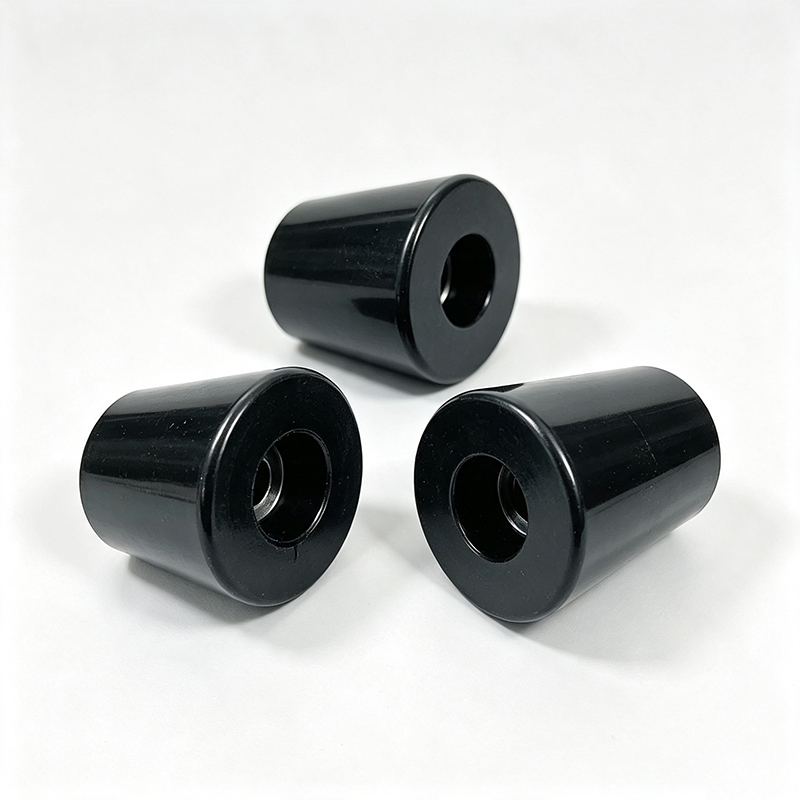
Let me walk you through a real project example. We had an industrial equipment OEM requiring 180,000 meters annually of custom EPDM sealing profiles. The cross-section wasn't complex—a basic sealing lip with mounting groove. First samples measured perfectly within drawing tolerances.
But during production, we discovered something critical. The sealing lip thickness varied by just 0.15mm along the length—still within the general tolerance. However, this variation caused:
- Inconsistent compression ratios
- Variable installation force
- Uneven sealing contact pressure
- Intermittent leak paths
The customer's assembly line started reporting problems. Some sections installed easily, others required excessive force. Some areas sealed properly, others showed micro-leaks during pressure testing.
The supplier argued their dimensions were "within specification." The customer argued the parts "don't work consistently." Both were technically correct, but the project was failing.
Here's what we learned: For functional rubber parts, dimensional consistency matters more than absolute accuracy. A sealing profile that's consistently 0.1mm oversized might work better than one that varies ±0.1mm around the nominal.
This is why our current approach focuses on three levels of dimensional control:
- CTQ-1: Dimensions directly affecting sealing compression
- CTQ-2: Dimensions affecting assembly interfaces
- CTQ-3: Dimensions affecting appearance and secondary functions
Each level gets different tolerance requirements and control methods. We don't try to control everything equally—we focus tightest control where function matters most.
The result? Better functional performance with more achievable manufacturing requirements. Instead of fighting for impossible tolerances everywhere, we optimize the manufacturing window where it actually impacts product performance.
What Happens When You Ignore Manufacturing Window Validation?
Wondering why your extruded rubber project succeeded in samples but failed in mass production? The problem isn't quality control—it's that nobody validated whether the manufacturing process has sufficient stability margins.
Manufacturing window validation means proving your process can maintain critical dimensions even when normal production variables change. Most projects skip this step and pay the price during volume production.
Here's a case study that illustrates the problem. A new energy equipment OEM needed 250,000 meters annually of custom rubber profiles for sealing and positioning. The initial approach was standard: send drawing, get quotes, make samples, approve dimensions, start production.
During sample development, our application engineer noticed the cross-section had significant thickness variations, deep grooves, and asymmetric geometry. While samples could meet dimensions, the manufacturing window looked narrow. Small changes in line speed, temperature, or material batch could push critical dimensions out of range.
Instead of proceeding to production, we recommended manufacturing window validation. This meant running extended production trials under varying conditions:
- Different material batches
- Different line speeds
- Different ambient temperatures
- Different operator shifts
- Different days of production
We measured critical dimensions from samples taken throughout these trials. The results showed our concern was justified—dimensional drift occurred predictably when process conditions changed.
So we made proactive adjustments:
- Modified the cross-section design to reduce flow sensitivity
- Redefined critical vs non-critical dimensions
- Expanded material specifications beyond just "EPDM 70 Shore A"
- Established process parameter windows, not just single-point settings
- Created assembly function tests, not just dimensional checks
The final validation involved continuous production of several thousand meters under normal manufacturing conditions. Only after proving dimensional stability across this extended run did we approve the project for mass production.
Result: smooth production launch, consistent product performance, no customer complaints, no emergency tooling modifications.
Compare this to the alternative scenario: approve based on sample dimensions, discover stability problems during volume production, spend weeks troubleshooting while customer production is disrupted, modify tooling, re-validate, and absorb all the associated costs and schedule delays.
Manufacturing window validation adds 2-3 weeks to development time but prevents months of production problems. It's the difference between engineering a product and engineering a manufacturing process.
Conclusion
Custom extruded rubber parts projects fail because teams optimize for sample success instead of manufacturing stability. Focus on continuous production capability, not just dimensional accuracy, to ensure your project succeeds.