

OEM rubber projects fail more often during mass production than during development. You spend months perfecting prototypes, pass all tests, and approve suppliers. Then production starts and everything falls apart.
The real challenge isn't making rubber parts that look right. It's building a manufacturing system that delivers consistent function at scale.
Most teams focus on whether suppliers can match drawings. But successful custom rubber compression molding requires controlling materials, tooling, cure cycles, and dimensional stability as one integrated system.
Why Do Rubber Projects Look Perfect Until Mass Production?
Your prototypes pass every test. Dimensions check out. Sealing works perfectly. Then you scale to 100,000 pieces and discover problems you never saw coming.
Prototype success doesn't predict production stability in rubber compression molding. Small batches hide the variability that destroys large-scale manufacturing.
We learned this lesson on a automotive sealing project. Samples were flawless for months. The customer approved everything. Then mass production revealed batch-to-batch hardness variations, compression set differences, and dimensional drift that samples never showed.
The root cause wasn't poor manufacturing. It was incomplete specification from day one. We defined "rubber material" and "70 Shore A hardness" but never established the complete material system needed for production consistency.
Successful rubber compression molding projects define five critical elements before any tooling starts: base polymer chemistry, physical property windows, cure system requirements, dimensional tolerance hierarchy, and process validation criteria. Without these, you're not comparing equivalent solutions during supplier selection.
What Material Specifications Actually Control Production Outcomes?
Specifying "EPDM 70 Shore A" tells suppliers almost nothing about what you really need. Two materials can have identical hardness but completely different compression set, tear resistance, and temperature performance.
Material specifications must define the complete property profile required for your application, not just hardness numbers.
I've seen projects where three suppliers quoted "identical" materials based on the same hardness specification. When we tested samples, we found 40% variation in compression set, different tear strengths, and incompatible cure chemistries. The lowest-price supplier wasn't offering the same product at all.
Effective material specs include base polymer type, crosslink system, filler package, physical property ranges, environmental resistance requirements, and regulatory compliance needs. This approach costs nothing extra but eliminates most supplier disputes before they start.
We now require suppliers to provide complete material datasheets during quotation. If they can't document tensile strength, elongation, compression set, and temperature limits, they don't understand what they're actually selling. This simple change reduced our material-related production issues by over 70%.
The key insight is that hardness measures only one aspect of rubber performance. Applications requiring sealing, vibration isolation, or environmental resistance need complete material characterization to ensure production success.
How Do You Design Compression Ratios That Work in Production?
Getting compression ratios right separates successful rubber projects from disasters. Too little compression means unreliable sealing. Too much compression creates assembly problems and premature failure.
Optimal compression design considers material properties, assembly tolerances, temperature effects, and long-term stability together.
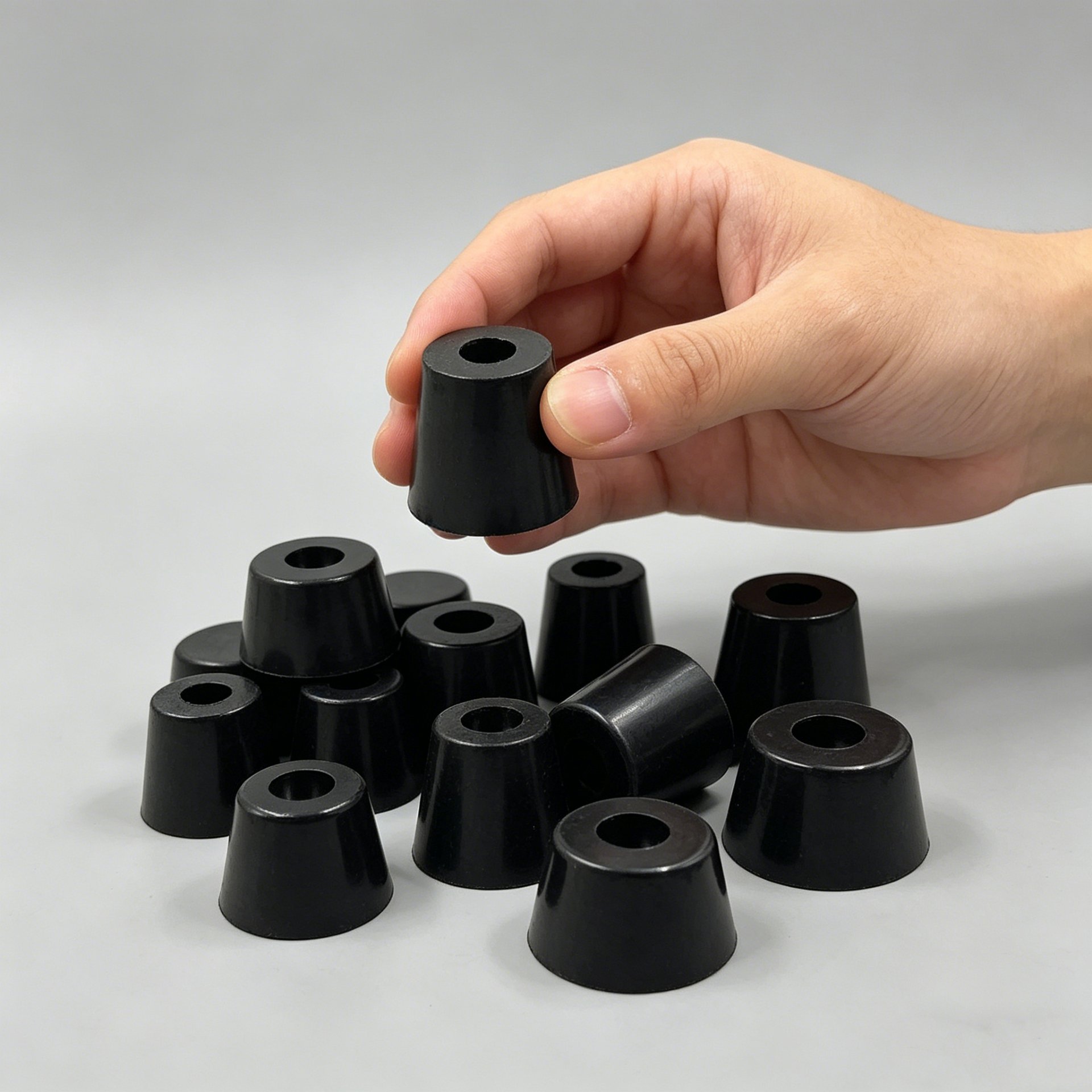
One industrial equipment project taught us this lesson perfectly. The customer specified 25% compression based on previous designs. But their new assembly had tighter tolerances and higher operating temperatures than before.
We calculated that 25% compression would actually vary between 18% and 32% due to assembly stack-up tolerances. At 18%, sealing would be marginal. At 32%, assembly forces would be excessive and compression set would accelerate material degradation.
The solution required optimizing three variables simultaneously: seal geometry, assembly tolerances, and target compression ratio. We recommended 20% nominal compression with geometry changes to maintain sealing effectiveness. This provided a stable functional window despite manufacturing variations.
| Compression Level | Sealing Performance | Assembly Force | Long-term Stability |
|---|---|---|---|
| 15-20% | Good | Low | Excellent |
| 20-25% | Excellent | Moderate | Good |
| 25-30% | Excellent | High | Fair |
| 30%+ | Over-compressed | Very High | Poor |
Modern compression design uses finite element analysis to predict stress distribution and compression set progression over time. This approach identifies potential problems during design phase rather than after production tooling is complete.
What Tooling Decisions Determine Production Quality?
Compression molding tooling affects every aspect of production quality. Parting line design controls flash formation. Venting affects cure uniformity. Material flow patterns determine dimensional consistency.
Tooling design must optimize part quality and production efficiency together, not just initial cost.
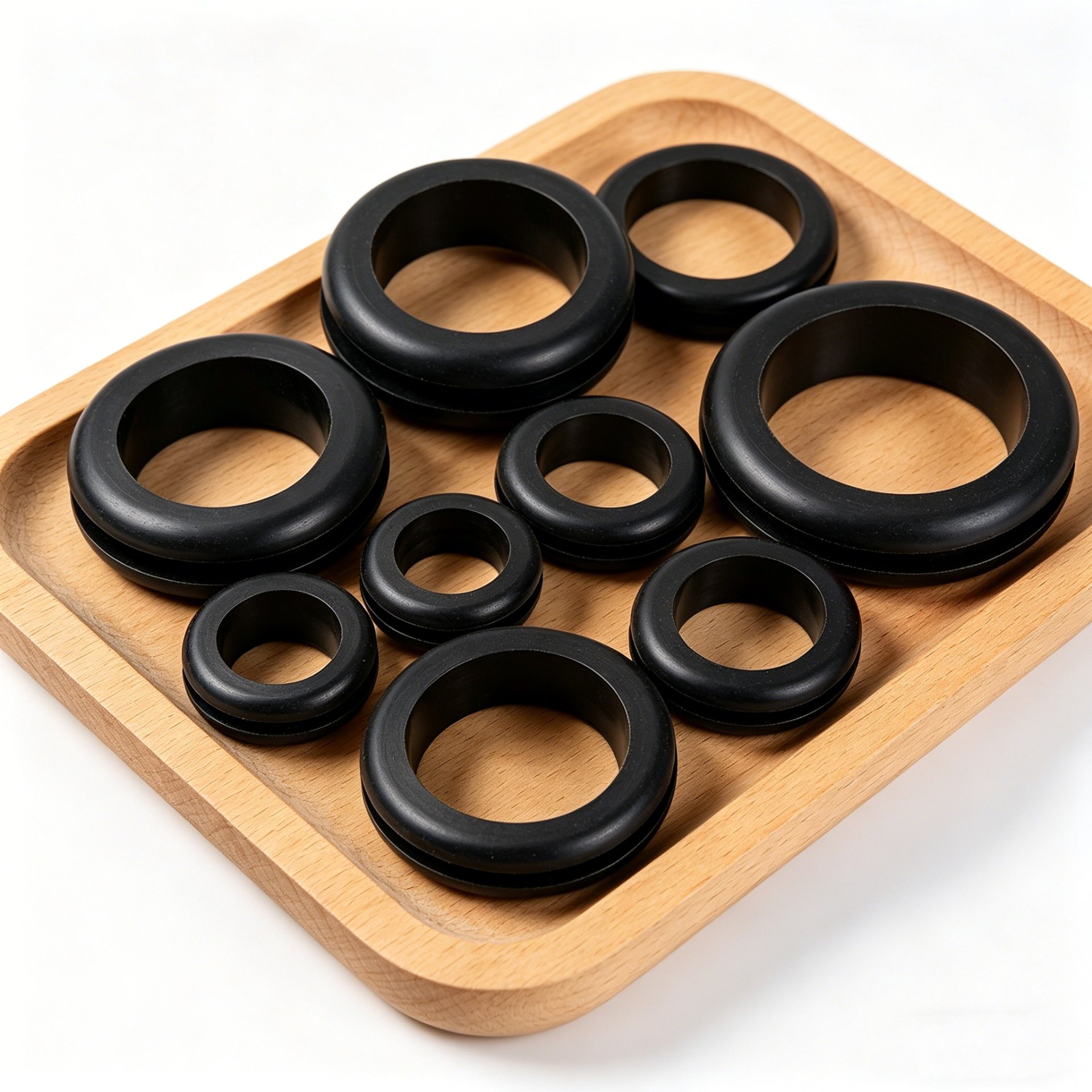
A medical device project demonstrated how tooling decisions cascade through production. The customer wanted to minimize tooling cost, so they approved a simple two-plate design without optimized venting or material flow control.
Initial samples looked acceptable. But production revealed three systematic problems: incomplete fill in thin sections, excessive flash requiring secondary operations, and cure variations causing dimensional instability. These issues created 15% scrap rates and doubled labor costs.
We redesigned the tooling with proper venting, optimized gate locations, and controlled parting line geometry. Tooling cost increased 30%, but production scrap dropped to under 2% and secondary operations were eliminated. Total part cost actually decreased.
Effective tooling design requires collaboration between part designers, mold makers, and production engineers. Key considerations include material flow simulation, venting adequacy, temperature uniformity, demolding forces, and maintenance accessibility.
The most expensive tooling mistake is building molds that produce acceptable samples but can't maintain quality during continuous production. Proper tooling design validation prevents this through flow analysis and thermal modeling before steel is cut.
How Do You Validate Processes Before Mass Production?
Process validation proves your manufacturing system works consistently, not just occasionally. Most rubber projects skip this step and pay for it during production ramp-up.
Effective process validation demonstrates statistical control over all critical parameters using production conditions.
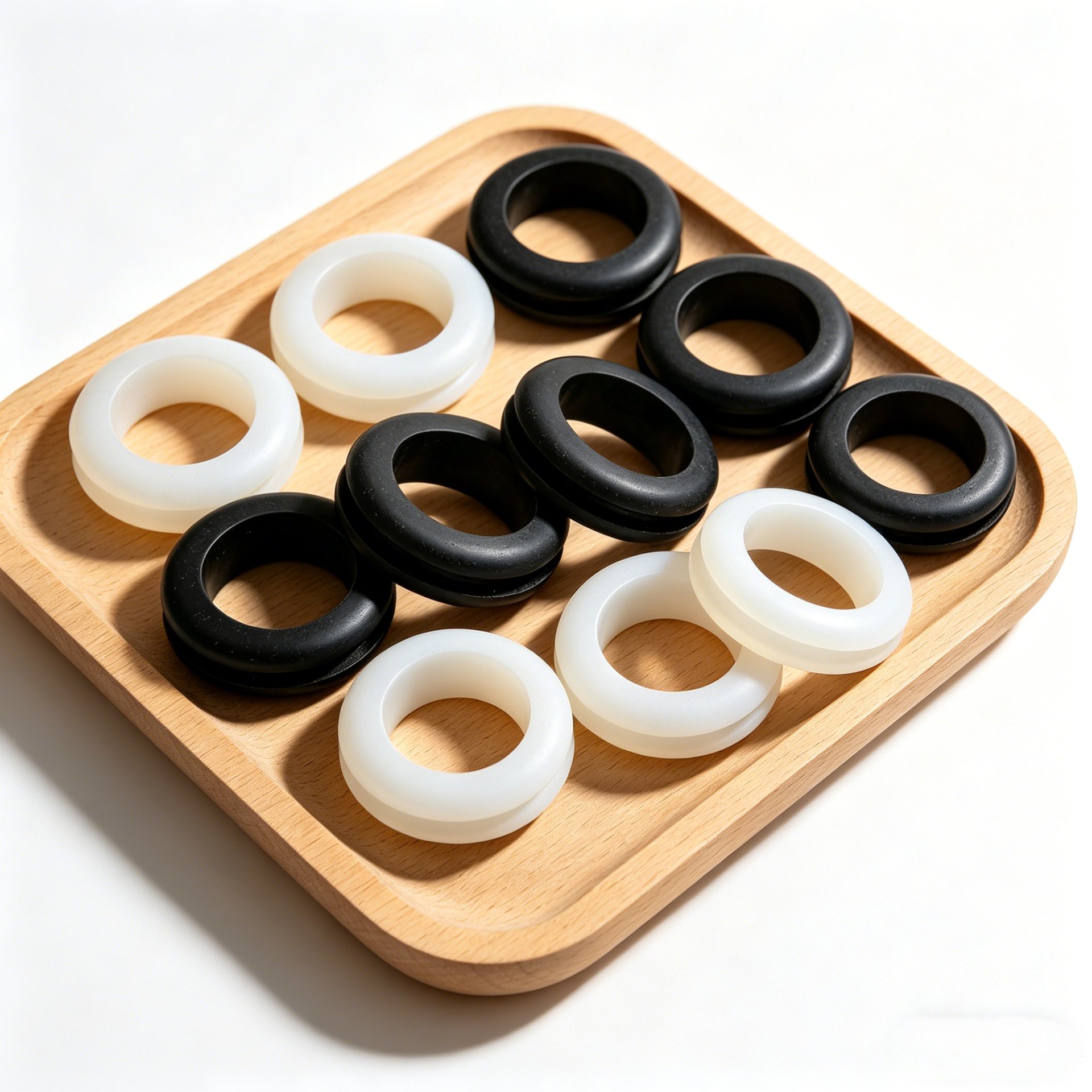
We learned process validation importance on a automotive project requiring 500,000 pieces annually. Initial samples met all specifications. The customer approved production based on 100-piece sample lots.
Three months into production, dimensional variation increased gradually. Parts still met print tolerances, but assembly forces became inconsistent. Investigation revealed that sample validation used hand-selected material lots and optimized process conditions that couldn't be maintained during continuous production.
Proper process validation requires running production tooling with production materials under normal manufacturing conditions for extended periods. We now validate processes using at least 1,000 consecutive pieces with statistical analysis of all critical dimensions.
Statistical process control during validation identifies capability limits before they become production problems. Control charts reveal whether processes can maintain required quality levels or need adjustment before mass production begins.
The validation protocol includes material lot-to-lot variation testing, tool temperature cycling, cure time sensitivity analysis, and dimensional stability verification. This comprehensive approach prevents most production issues from occurring.
Conclusion
Custom rubber compression molding success requires treating the entire manufacturing system as the product, not just the rubber part itself.