

You've completed prototype testing for your natural gas gasket project. Everything looks perfect. But months later, field reports show leakage incidents. What went wrong?
The biggest risk in natural gas gasket projects isn't manufacturing defects or installation errors. It's the wrong material selection logic during early project stages. Teams validate "current sealing performance" in samples, but field operations demand "continuous sealing for 10+ years" - these are fundamentally different requirements.
I've seen this pattern repeat across dozens of OEM gas equipment projects. Teams think they've solved the sealing challenge, only to face costly field failures later. Let me walk you through why this happens and how to prevent it.
What's the Most Overlooked Decision Error in Natural Gas Projects?
Most teams treat natural gas gasket selection as a pressure resistance problem. This is completely wrong.
Natural gas sealing failures rarely occur at pressure limits. The real issues are gas permeation, stress relaxation, and long-term material compatibility with natural gas components. These problems develop over months or years, not during initial testing.
Here's why this logic seems reasonable but fails in practice. During development, engineers focus on working pressure, burst pressure, bolt preload, and flange dimensions. When tests show no leakage at 0.5MPa, 1MPa, and 1.5x design pressure, teams assume the gasket material meets requirements.
But natural gas creates three major long-term challenges that pressure testing doesn't reveal. First, gas permeation occurs when natural gas molecules continuously penetrate elastomer materials, causing material swelling, volume changes, and declining sealing stress. Second, stress relaxation happens as gaskets remain under compression for months, leading to continuously decreasing contact pressure. Third, temperature cycling affects gaskets through seasonal temperature variations and equipment start-stop cycles.
Natural gas composition varies by region and may include methane, ethane, propane, butane, condensed hydrocarbons, and trace sulfur compounds. Materials that perform well in laboratory conditions often fail rapidly in field applications with different gas compositions.
The failure progression follows a predictable pattern. Initially, laboratory leak tests pass and production begins. Over time, natural gas contact causes material absorption of light hydrocarbon components and slight swelling. This reduces compression stress, creating micro-leakage paths that are difficult to detect. Temperature cycling continues, increasing permanent deformation until significant leakage paths form, resulting in gas leakage, safety incidents, certification risks, and customer claims.
The root cause isn't gasket manufacturing quality but incorrect material selection logic during project planning.
How Did a 120,000-Unit European Project Fail Despite Passing All Tests?
Let me share a real project case that illustrates these risks perfectly.
A European natural gas pressure regulator valve project required flange sealing gaskets for urban gas distribution networks. The annual volume was 120,000 units with a 10-year design life and EN certification requirements.
The procurement manager and structural engineer decided to use existing NBR gaskets from water treatment equipment. This seemed logical because costs were low, inventory was available, prototypes passed testing, and pressure tests succeeded.
Nobody raised objections because quality departments only reviewed dimensions and hardness, certification teams assumed pressure test success meant no problems, and no one required natural gas media aging verification.
The failure unfolded predictably. Production proceeded smoothly with over 20,000 units shipped. After 8 months of operation, field inspections detected trace natural gas leakage. Leakage points continued increasing across multiple city projects. Gas operators launched investigations confirming severe gasket compression stress degradation.
The consequences were severe. Development time increased by 11 months for corrections. Field gasket replacement costs exceeded $2.5 million. EN certification required renewal. Multiple gas companies suspended procurement. Disputes between OEMs and suppliers lasted over a year, with OEMs claiming material failure while suppliers argued specifications didn't define natural gas compatibility requirements.
The project team experienced internal conflicts as procurement emphasized cost savings, technical teams recognized material selection errors, and quality departments acknowledged verification system gaps. Final analysis confirmed project failure stemmed from incorrect material definition logic.
What Does a Successful Risk Correction Look Like?
I worked on a natural gas flow meter sealing system with a 15-year design life that nearly made the same mistake.
The original plan specified standard NBR gaskets, but our materials engineer identified potential risks through media compatibility databases showing natural gas condensate components could cause volume changes exceeding control limits.
Most team members missed this because they focused on pressure resistance, dimensions, and costs rather than long-term media compatibility.
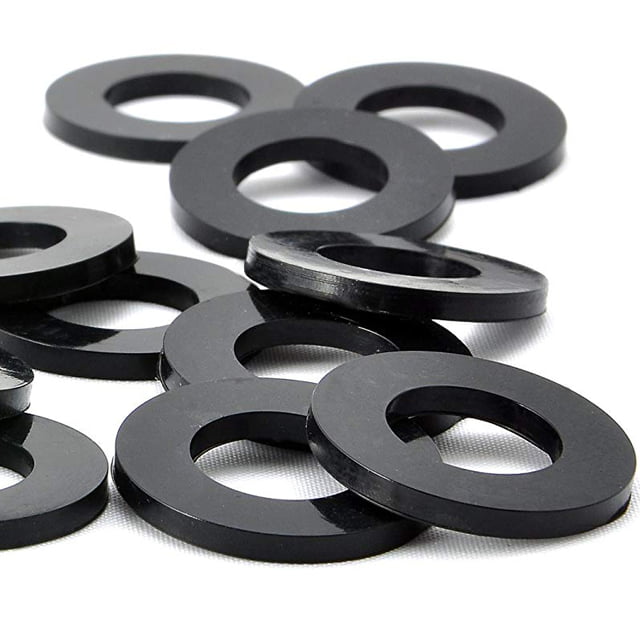
We implemented risk corrections by upgrading from standard NBR to natural gas certified HNBR material, adding volume swelling rate requirements, and supplementing testing with natural gas media immersion, stress relaxation testing, and long-term compression testing.
Our verification process included 1000-hour media aging during DV phase and complete unit long-term leak verification during PV phase. We conducted temperature cycling, pressure cycling, and long-term media exposure testing.
The results prevented leakage incidents, certification failures, and customer claims while saving approximately 10 months of correction time and reducing supplier liability disputes. Success came from validating long-term sealing capability in natural gas environments rather than just initial sealing performance.
If we hadn't made these corrections, the project would likely have experienced long-term leakage, stress relaxation, and gas permeation failures. The most valuable lesson: natural gas gasket projects must validate sealing performance after media aging, not just initial leak-tight performance.
What Specification and Procurement Document Traps Should You Avoid?
Many natural gas gasket project failures originate from specification gaps that seem minor but create major risks.
Material definition errors are common. Writing "Rubber Gasket" without specifying NBR, HNBR, FKM, or EPDM leaves suppliers unable to determine target materials. Hardness definitions like "70 Shore A" without tolerance specifications cause massive compression behavior differences between suppliers.
Compression rate definitions often only specify thickness without installation compression rates, resulting in insufficient sealing stress. Working environment details frequently omit natural gas composition, operating temperatures, and pressure cycling information, preventing accurate material selection.
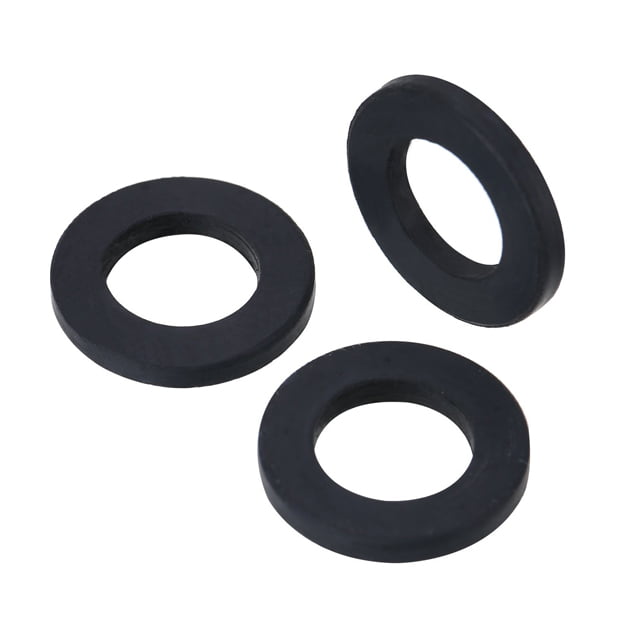
Certification requirements missing EN549 or regional gas application standards lead to certification failures. Test condition gaps occur when specifications only state "Leak Test Passed" without pressure, time, temperature, or leakage standards, making results incomparable.
The most common problem is missing service life validation. RFQs fail to require stress relaxation, compression set, or gas compatibility data, creating high production risks. Dimension definition errors ignore flange surface roughness and effective sealing width after compression, causing insufficient actual contact pressure.
Unclear responsibility boundaries about long-term leak-tight performance accountability create serious supplier disputes. These specification gaps seem trivial during project planning but become project-killing issues during field operation.
How Do You Build Project-Level Risk Control Systems?
Technical leads must establish comprehensive natural gas gasket material specifications defining working media, temperature ranges, design life, and leakage classes. Procurement managers should require natural gas compatibility data, compression set data, and stress relaxation data in RFQs while prohibiting unit price-only comparisons.
Quality managers need specialized validation protocols including gas compatibility testing, compression set testing, and stress relaxation testing. Project managers must include natural gas aging verification in critical path schedules, prohibiting release based solely on initial leak testing.
Supplier management requires change control mechanisms where any modifications to polymer systems, formulation ratios, vulcanization systems, or filler systems trigger re-validation requirements.
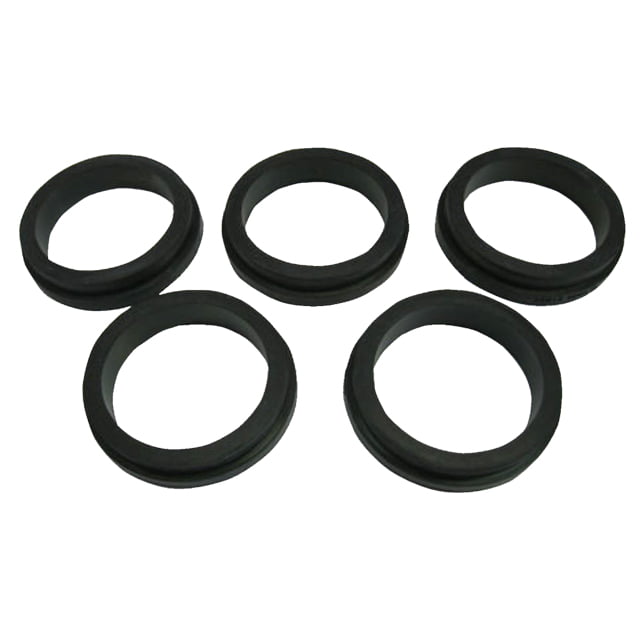
Sample validation must verify initial leak-tight performance, post-aging leak-tight performance, and post-temperature cycling leak-tight performance. DV testing should include natural gas media aging, pressure cycling, and thermal cycling. PV testing must use production materials and processes with long-term verification.
Production validation requires batch traceability, material consistency auditing, and periodic media verification. Acceptance standards must simultaneously satisfy leakage rate, compression set, stress relaxation, and media compatibility requirements.
Risk warning systems should immediately investigate increasing leakage rates, gasket swelling, decreasing compression thickness, or abnormal torque retention rates, as these typically indicate impending natural gas sealing failures.
Conclusion
For natural gas gasket projects, the biggest risk isn't dimensional errors but incorrectly treating natural gas sealing as simple pressure resistance problems rather than comprehensive long-term material compatibility challenges.