

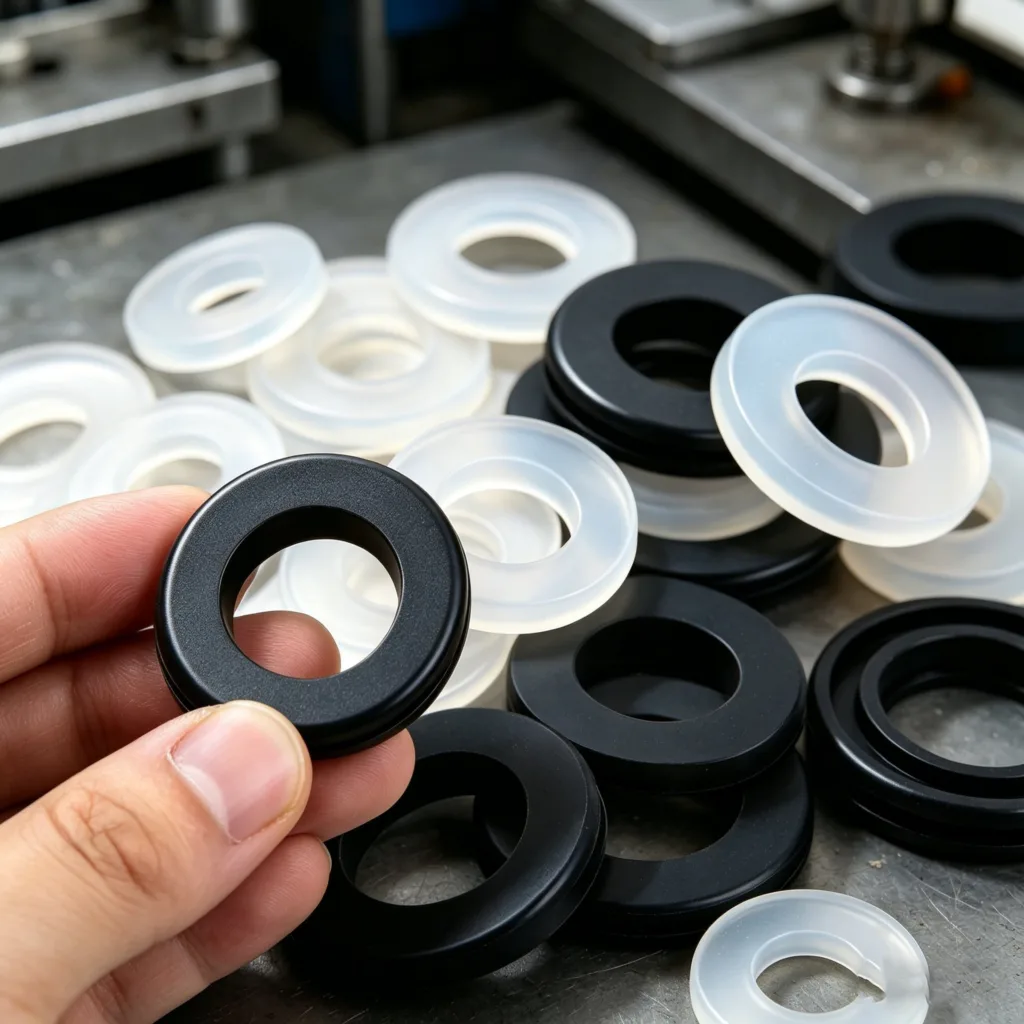
Are you struggling to find rubber components that perfectly fit your unique specifications? Standard parts often fall short of meeting precise requirements.
Custom rubber parts offer tailored solutions that match your exact specifications, materials, and performance needs. These components ensure perfect fit, optimal performance, and long-term reliability for specialized applications across industries.


The difference between success and failure in many projects comes down to the details. I've seen countless engineers compromise on standard parts only to face costly redesigns later. Custom rubber parts eliminate these compromises from the start.
What Makes Custom Rubber Parts Essential for Modern Manufacturing?
Standard components create limitations that can derail entire projects. Every industry faces unique challenges that require specific solutions.
Custom rubber parts address specific design requirements, environmental conditions, and performance standards that off-the-shelf products cannot meet. They provide optimized solutions for complex applications while maintaining cost-effectiveness.
Understanding the Custom Rubber Parts Advantage
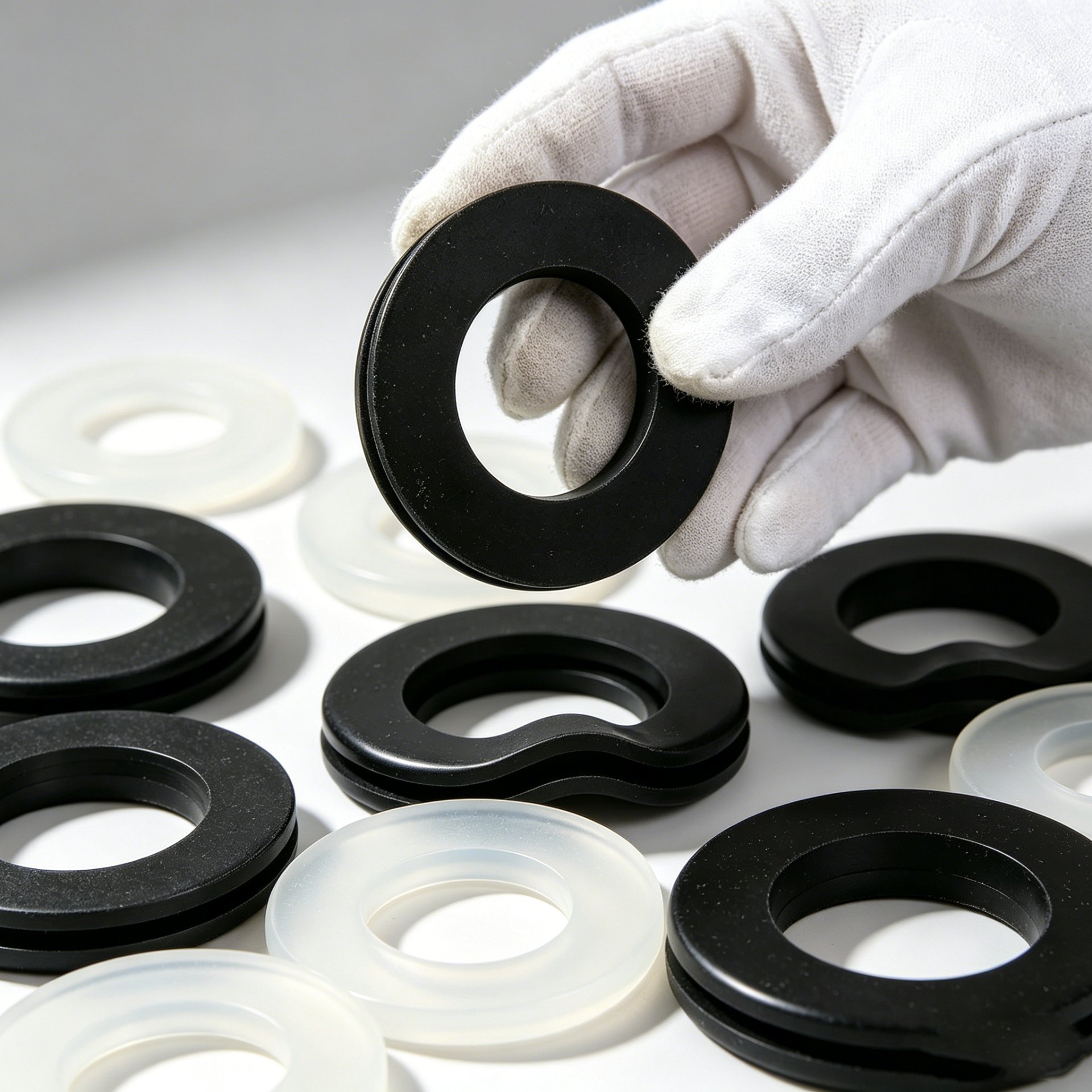
Custom rubber parts solve problems that standard components simply cannot address. We work with clients who need precise dimensions, specific material properties, or unique shapes that don't exist in catalogs.
The manufacturing process starts with understanding your exact requirements. Our technical team analyzes your application, environmental conditions, and performance expectations. This analysis helps us select the right materials and design the optimal solution.
| Aspect | Standard Parts | Custom Parts |
|---|---|---|
| Fit | Approximate | Exact |
| Materials | Limited options | Unlimited selection |
| Performance | General purpose | Application-specific |
| Lead time | Immediate | 2-4 weeks |
| Cost per unit | Lower | Competitive at volume |
Material selection plays a crucial role in custom rubber parts success. EPDM works best for outdoor applications due to weather resistance. Silicone handles extreme temperatures from -65°F to 450°F. NBR provides excellent oil resistance for automotive applications. Natural rubber offers superior flexibility and tear resistance.
The design phase requires careful consideration of tolerances, stress points, and installation methods. We use CAD modeling to visualize the final product before production begins. This approach prevents costly mistakes and ensures the first prototype meets specifications.
How Do Custom Rubber Parts Improve Product Performance?
Generic solutions often create more problems than they solve. Performance issues arise when components don't match application requirements exactly.
Custom rubber parts optimize performance by matching material properties, dimensions, and design features to specific operating conditions. This precision engineering eliminates common failure points and extends component life.
Engineering Excellence in Every Component
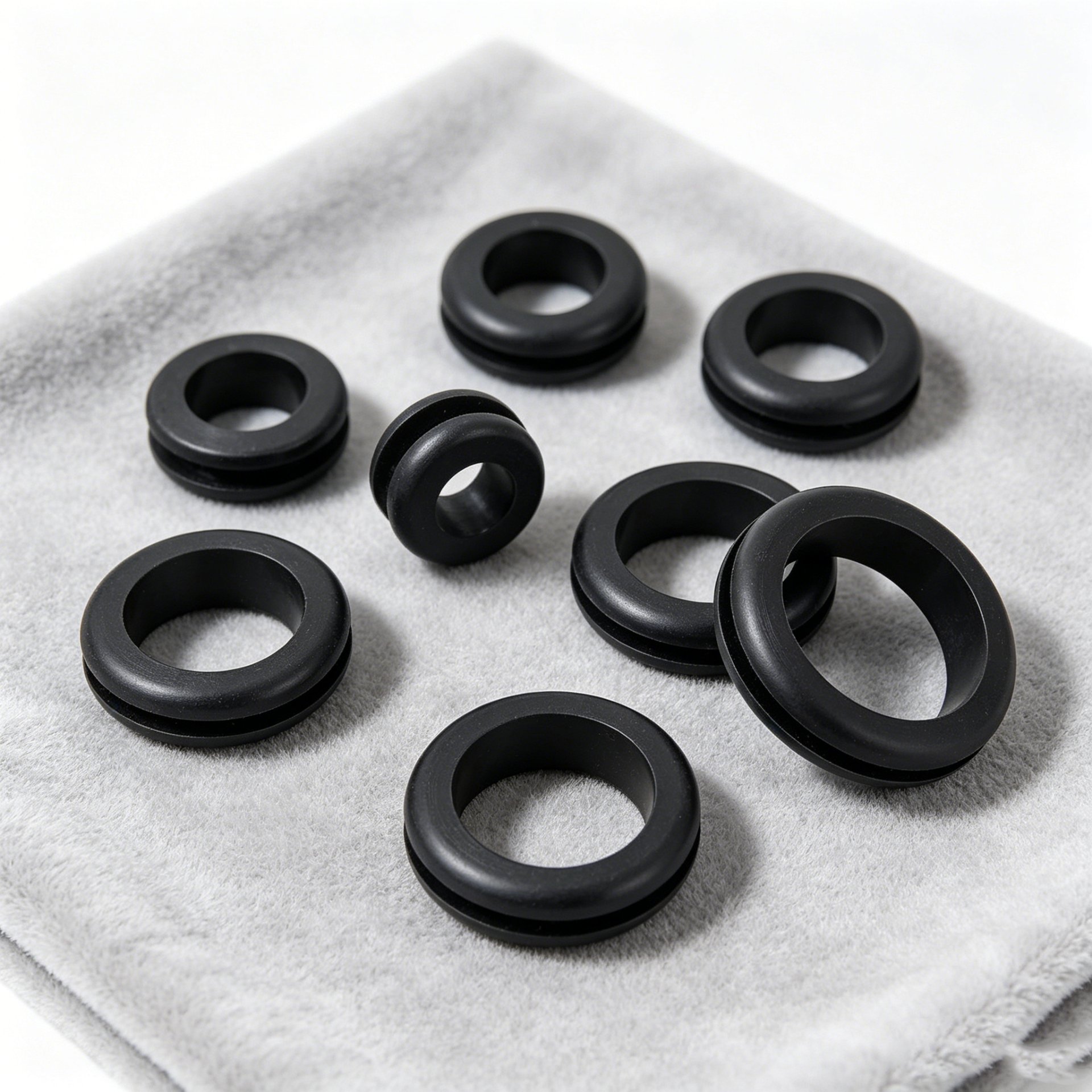
Performance optimization starts with understanding how the rubber part functions within your system. We analyze stress distribution, temperature cycles, chemical exposure, and mechanical loads to design parts that excel in real-world conditions.
Material compounding allows us to create blends that meet multiple requirements simultaneously. A medical device gasket might need biocompatibility, chemical resistance, and precise compression characteristics. We formulate materials that deliver all three properties without compromise.
Quality control measures ensure consistent performance across production runs. Every batch undergoes dimensional inspection, material testing, and functional verification. We maintain detailed records for traceability and continuous improvement.
| Performance Factor | Standard Approach | Custom Approach |
|---|---|---|
| Material properties | One-size-fits-all | Tailored blend |
| Dimensional accuracy | ±0.5mm typical | ±0.05mm achievable |
| Environmental resistance | General purpose | Condition-specific |
| Lifecycle testing | Basic standards | Application-matched |
The production process itself impacts final performance. Compression molding creates dense, uniform parts with excellent surface finish. Injection molding enables complex geometries with consistent wall thickness. Transfer molding combines the benefits of both methods for specific applications.
Post-curing treatments can enhance specific properties. Heat aging improves dimensional stability. Chemical treatments increase surface hardness. These processes fine-tune performance characteristics to match your exact needs.
What Industries Benefit Most from Custom Rubber Solutions?
Different industries face unique challenges that require specialized rubber components. Standard parts rarely meet the demanding requirements of critical applications.
Electronics, automotive, medical, and industrial equipment manufacturers rely on custom rubber parts for sealing, vibration control, and component protection. These industries require precision, reliability, and regulatory compliance that only custom solutions can provide.
Industry-Specific Solutions and Requirements
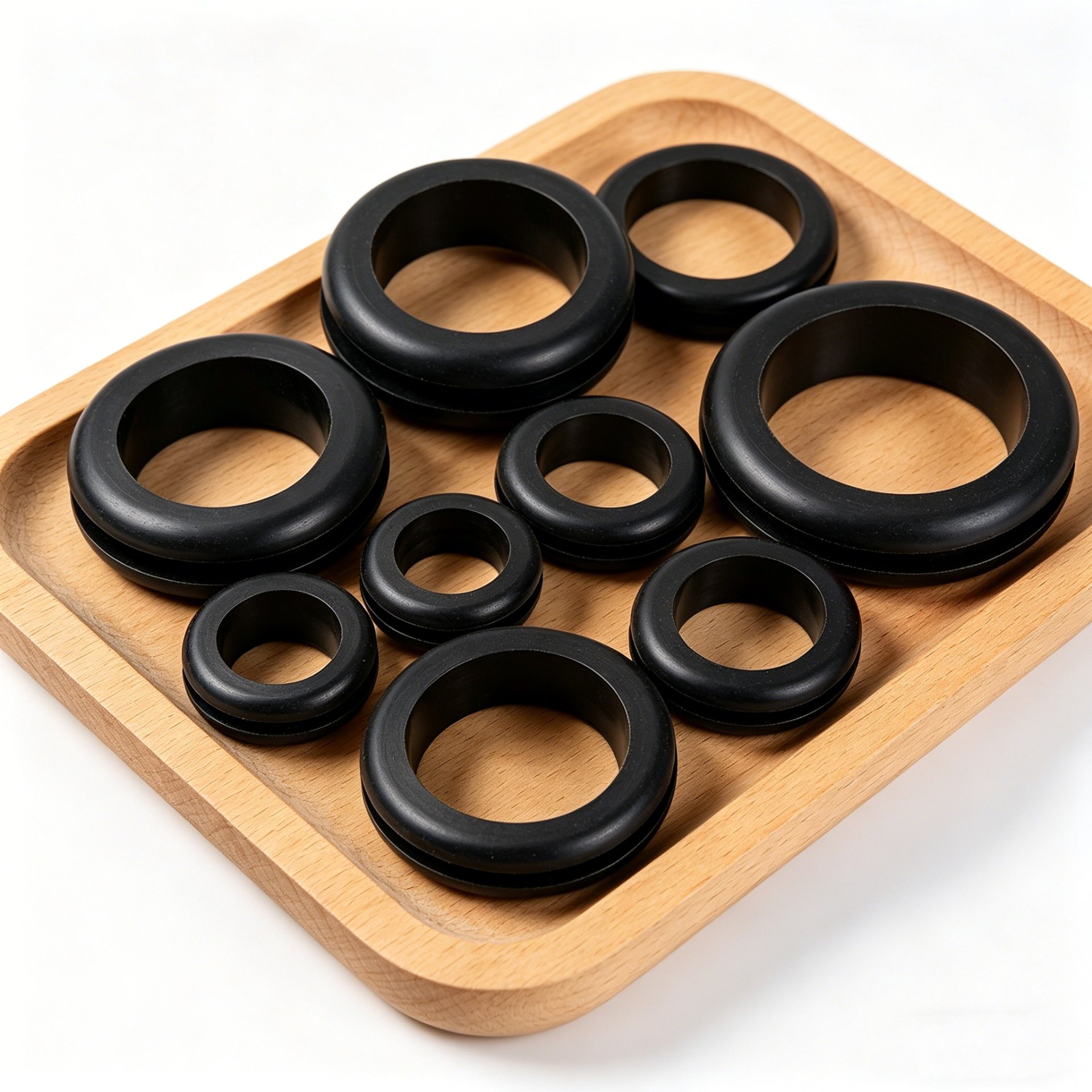
Electronics manufacturers need components that protect sensitive circuits from moisture, dust, and electromagnetic interference. Custom gaskets and seals must maintain precise compression while providing reliable environmental protection. Conductive rubber compounds can provide EMI shielding while maintaining flexibility.
Automotive applications demand parts that withstand extreme temperatures, chemical exposure, and mechanical stress. Engine mounts must isolate vibration while supporting significant loads. Fuel system seals require chemical resistance and long-term stability. Safety systems need components that perform reliably under emergency conditions.
Medical device manufacturers face the most stringent requirements. Biocompatibility testing ensures patient safety. USP Class VI materials meet pharmaceutical standards. Sterilization compatibility allows for proper cleaning protocols. Precision molding creates smooth surfaces that resist bacterial growth.
| Industry | Key Requirements | Common Applications |
|---|---|---|
| Electronics | EMI shielding, moisture protection | Gaskets, keypads, cable grommets |
| Automotive | Chemical resistance, temperature cycling | Engine mounts, seals, bushings |
| Medical | Biocompatibility, sterilization resistance | O-rings, diaphragms, valve seals |
| Industrial | Abrasion resistance, load bearing | Conveyor components, machine mounts |
Industrial equipment manufacturers need components that handle heavy loads, abrasive conditions, and continuous operation. Conveyor systems require rollers and seals that resist wear. Hydraulic systems need seals that maintain pressure integrity. Manufacturing equipment demands vibration isolation and precision positioning.
Each industry brings specific certification requirements. Automotive parts need PPAP documentation. Medical devices require FDA compliance. Electronics components must meet RoHS standards. We maintain certifications and testing capabilities to support these requirements.
How Does the Custom Rubber Parts Development Process Work?
Many companies hesitate to pursue custom solutions due to perceived complexity. The development process seems daunting without proper guidance.
Custom rubber parts development follows a structured process: consultation, design, prototyping, testing, and production. This systematic approach ensures optimal results while minimizing development time and costs.


From Concept to Production
The consultation phase establishes project requirements and constraints. We discuss your application, performance expectations, quantity requirements, and timeline. This conversation helps identify potential challenges early and establishes realistic project goals.
Design development translates requirements into technical specifications. Our engineering team creates detailed drawings, selects appropriate materials, and defines manufacturing processes. CAD models allow visualization and dimensional verification before tooling begins.
Prototyping validates design concepts with physical samples. We produce initial prototypes using rapid tooling methods. These samples undergo functional testing in your actual application. Feedback from testing guides design refinements and material adjustments.
| Development Stage | Timeline | Deliverables |
|---|---|---|
| Consultation | 1-2 days | Requirements document |
| Design | 1-2 weeks | CAD files, specifications |
| Prototyping | 2-3 weeks | Physical samples |
| Testing | 1-4 weeks | Test reports, approvals |
| Production setup | 2-4 weeks | Production tooling |
Testing protocols verify performance against specifications. Dimensional inspection confirms geometric accuracy. Material testing validates physical properties. Environmental testing simulates operating conditions. Functional testing evaluates real-world performance.
Production setup creates the infrastructure for consistent manufacturing. Production tooling ensures dimensional repeatability. Process parameters optimize cycle time and quality. Quality systems maintain standards throughout production runs.
The entire process typically requires 6-12 weeks depending on complexity. Rush projects can be accommodated with expedited tooling and parallel processing. Long-term partnerships allow for streamlined repeat orders and continuous improvement.
Conclusion
Custom rubber parts transform challenging applications into reliable solutions through precision engineering, material optimization, and industry expertise that standard components simply cannot match.