

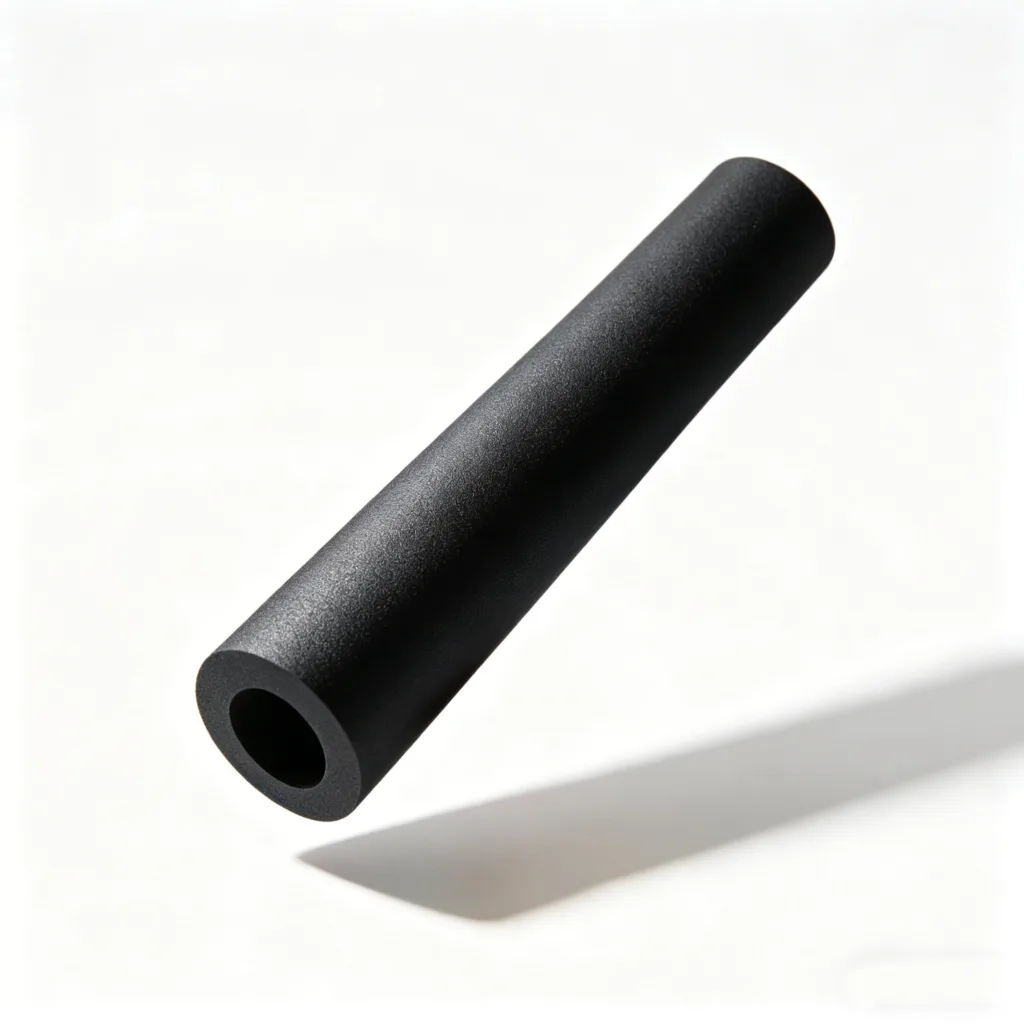
Poor sealing leads to energy loss, water damage, and costly repairs. You need reliable window and door seals that work.
Extruded silicone rubber seals offer superior weather resistance, precise fit, and long-term durability for windows and doors. These custom-engineered gaskets provide excellent sealing performance across temperature extremes while maintaining flexibility and compression set resistance for decades.
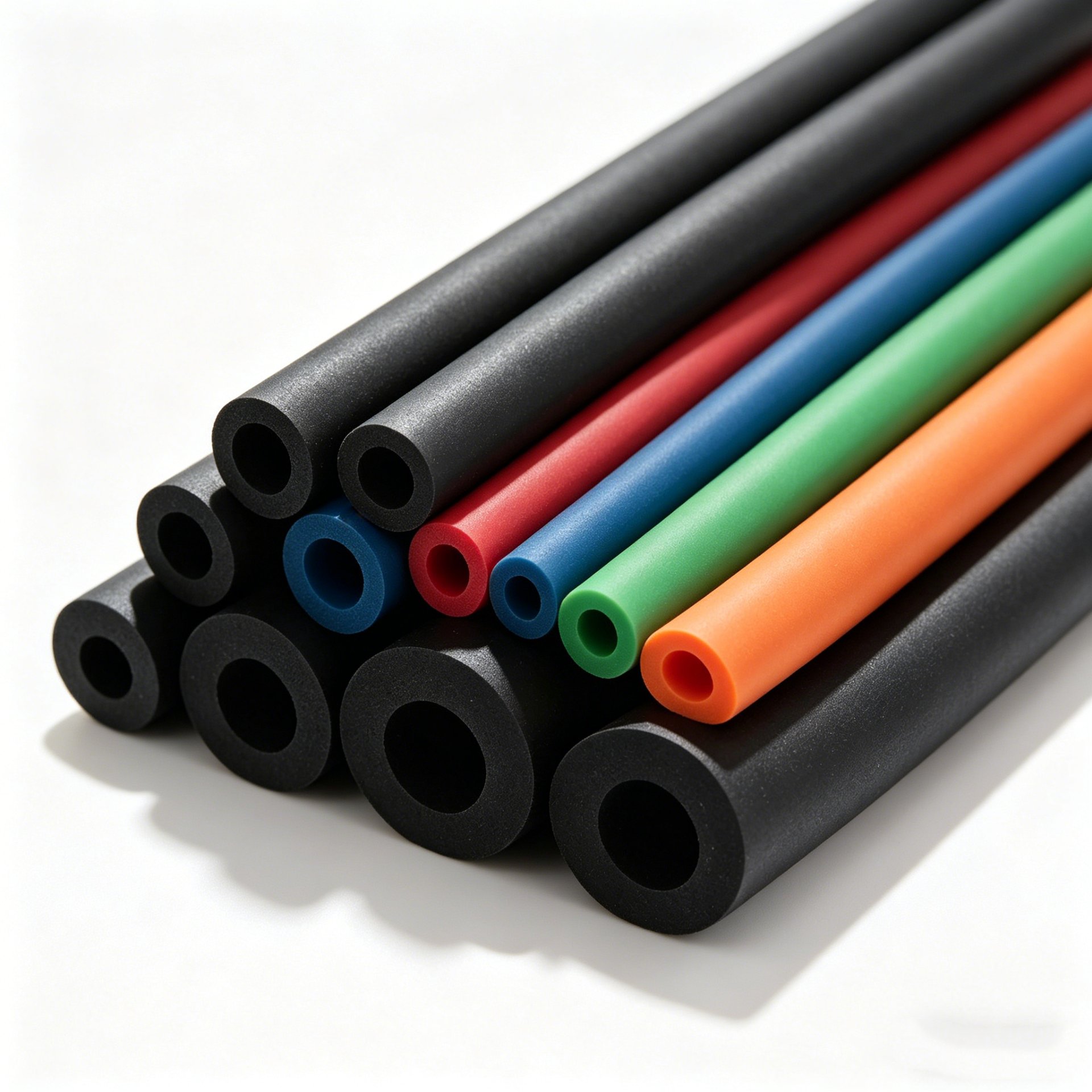
At our company, we have spent 27 years perfecting the art of extruded silicone rubber seals. We understand that every project has unique requirements. That is why we work closely with each client to deliver custom solutions that exceed expectations.
Why Do Extruded Silicone Seals Outperform Traditional Rubber Materials?
Traditional rubber materials fail when you need them most. Weather, UV exposure, and temperature changes destroy ordinary seals quickly.
Extruded silicone rubber maintains its sealing properties from -65°F to 400°F while resisting UV degradation, ozone, and weathering. Unlike EPDM or neoprene, silicone retains flexibility and compression strength for 20+ years without cracking or hardening.


I have seen countless projects where clients switched from traditional materials to silicone after experiencing failures. One commercial building project we handled had EPDM seals that failed after just three years. The replacement with our extruded silicone seals has been performing flawlessly for over eight years now.
The key difference lies in the molecular structure. Silicone polymers have silicon-oxygen bonds that are much stronger than carbon-carbon bonds found in organic rubbers. This gives silicone exceptional stability against environmental factors.
| Property | Silicone Rubber | EPDM | Neoprene |
|---|---|---|---|
| Temperature Range | -65°F to 400°F | -40°F to 300°F | -40°F to 250°F |
| UV Resistance | Excellent | Good | Fair |
| Ozone Resistance | Excellent | Excellent | Poor |
| Compression Set | 15-25% | 25-35% | 30-45% |
| Service Life | 20+ years | 10-15 years | 5-10 years |
Our technical team conducts material testing for every application. We match the silicone compound to your specific environmental conditions. This ensures optimal performance whether you are dealing with coastal salt air, industrial chemicals, or extreme temperature cycling.
How Does Custom Extrusion Design Ensure Perfect Sealing Performance?
Standard off-the-shelf seals create gaps and leaks. Your windows and doors need seals that match their exact profiles and dimensions.
Custom extrusion allows precise profile design that matches your window or door frame geometry exactly. This eliminates gaps, reduces installation time, and ensures consistent compression across the entire seal length for optimal performance.


Our design process starts with your CAD files or physical samples. We analyze the sealing requirements and recommend the optimal profile geometry. Many clients are surprised by how much performance improves when the seal profile matches their application perfectly.
I worked on a high-rise project where the architect specified a complex curved window design. Standard seals would not work. We developed a custom extruded profile that followed the exact curve radius. The result was perfect sealing with no air or water infiltration.
The extrusion process gives us complete control over wall thickness, hardness zones, and surface texture. We can create seals with soft sealing lips and firm mounting bases in a single extrusion. This dual-durometer capability eliminates the need for multiple components.
Design Considerations for Optimal Performance
Compression Requirements: We calculate the optimal compression percentage based on your frame tolerances. Too little compression causes leaks. Too much compression makes installation difficult and reduces seal life.
Installation Method: The seal profile must match your installation process. We design for snap-fit, adhesive bonding, or mechanical fastening based on your assembly line requirements.
Environmental Factors: Coastal projects need enhanced salt resistance. Industrial applications may require chemical compatibility. We select the appropriate silicone compound for each environment.
Our CAD team provides 3D models and technical drawings for approval before tooling begins. This prevents costly changes during production and ensures the seal integrates perfectly with your assembly process.
What Quality Standards Ensure Long-Term Reliability?
Inconsistent quality leads to seal failures and warranty claims. You need manufacturing processes that deliver reliable performance every time.
ISO 9001 quality systems with batch traceability, dimensional verification, and material testing ensure every extruded seal meets specifications. Statistical process control and automated inspection catch variations before they affect performance.


Our quality approach starts with incoming material inspection. Every batch of silicone compound undergoes testing for viscosity, cure characteristics, and mechanical properties. We maintain detailed records that allow complete traceability from raw material to finished product.
During extrusion, we monitor line speed, cure temperature, and dimensional accuracy continuously. Our automated measurement systems check critical dimensions every few feet of production. Any deviation outside tolerance stops the line immediately for correction.
Post-cure inspection includes visual examination, dimensional verification, and mechanical testing. We pull samples from every production lot for compression set testing, tensile strength verification, and accelerated aging studies. This data validates long-term performance predictions.
Testing Protocols for Performance Validation
Dimensional Accuracy: Coordinate measuring machines verify profile dimensions to ±0.05mm tolerance. This ensures consistent fit and sealing performance across production runs.
Material Properties: We test durometer, tensile strength, elongation, and compression set on every batch. These properties directly affect sealing force and long-term performance.
Environmental Resistance: Accelerated aging tests simulate years of UV exposure, ozone exposure, and temperature cycling in days. This validates material selection for your specific application.
Sealing Performance: We test actual sealing force and leak rates using your frame samples when possible. This confirms that the seal will perform as designed in your application.
Documentation packages include material certificates, dimensional reports, and test data. This supports your quality requirements and regulatory compliance needs. Many clients use this documentation for their own quality systems and customer approvals.
How Do Installation Requirements Affect Seal Design?
Poor installation methods cause even the best seals to fail. Your production line needs seals that install quickly and reliably without special tools or training.
Proper seal design considers installation forces, tooling requirements, and assembly line constraints. Features like tapered ends, installation grooves, and controlled flexibility ensure consistent installation while maintaining sealing performance.


I have visited many production lines where installation problems created quality issues. One client was having trouble with seal placement consistency. We redesigned the profile with alignment features that guided proper positioning. Installation time dropped by 40% and quality issues disappeared.
The key is understanding your assembly process completely. We need to know cycle times, operator skill levels, and available tooling. This information shapes the seal design to work with your existing processes rather than requiring changes.
Installation Design Features
Self-Locating Geometry: Profiles with centering ribs or alignment features guide proper placement automatically. This reduces operator error and speeds installation.
Controlled Stiffness: The mounting base needs enough stiffness for handling but the sealing lip must remain flexible. We balance these requirements through wall thickness design.
Corner Solutions: Window and door frames have corners that require special attention. We provide corner pieces, vulcanized corners, or flexible designs that negotiate corners without gaps.
Adhesive Compatibility: When permanent bonding is required, we select silicone compounds compatible with your adhesive system. Surface treatments may be needed for optimal bond strength.
Our applications engineers work with your production team to optimize installation procedures. We provide training materials and can conduct on-site training to ensure consistent results. This collaborative approach prevents installation problems that could affect seal performance.
What Makes Our Extruded Silicone Seals Different?
Generic suppliers offer standard products that may not fit your needs. You need a partner who understands your application and delivers custom solutions.
Our 27 years of experience, in-house tooling capabilities, and comprehensive technical support deliver custom extruded silicone seals that exceed performance requirements. We handle everything from initial design through production and global shipping.
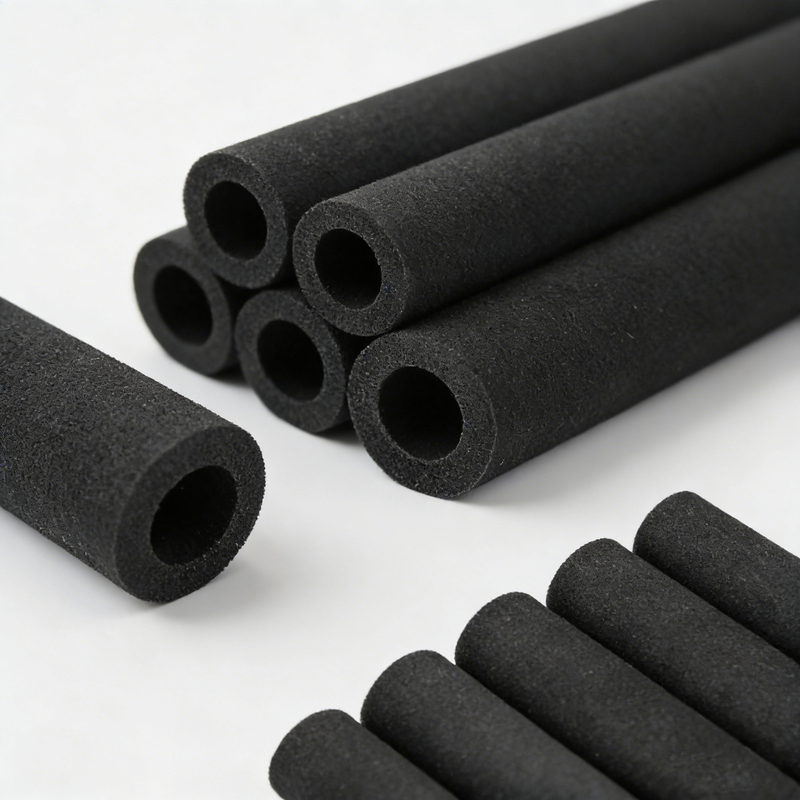
What sets us apart is our complete capability. We design and manufacture our own extrusion tooling in-house. This gives us complete control over profile accuracy and lead times. Most suppliers rely on outside tooling sources which adds time and reduces precision.
Our technical team includes materials engineers, process engineers, and applications specialists. This depth of expertise means we can solve complex sealing challenges that other suppliers cannot handle. We have worked on everything from submarine hatches to spacecraft applications.
The combination of technical capability and manufacturing flexibility allows us to serve projects from prototypes to millions of pieces. We maintain the same quality standards regardless of volume. Small projects get the same engineering attention as large production programs.
Complete Service Capabilities
Design Engineering: CAD modeling, finite element analysis, and performance prediction ensure optimal seal design before tooling begins.
Rapid Prototyping: We can produce prototype seals quickly for testing and validation. This accelerates development and reduces project risk.
Global Manufacturing: Our Shenzhen facility serves worldwide markets with reliable shipping and logistics support. Hong Kong operations provide additional regional coverage.
Technical Support: Our team provides ongoing support throughout the product lifecycle. Design changes, production optimization, and troubleshooting assistance are always available.
Quality documentation includes material certificates, dimensional reports, and performance data. This supports your regulatory requirements and customer approvals. We understand that documentation is often as important as the physical product.
Conclusion
Extruded silicone rubber seals deliver superior performance, durability, and reliability for window and door applications when properly designed and manufactured to exact specifications.