

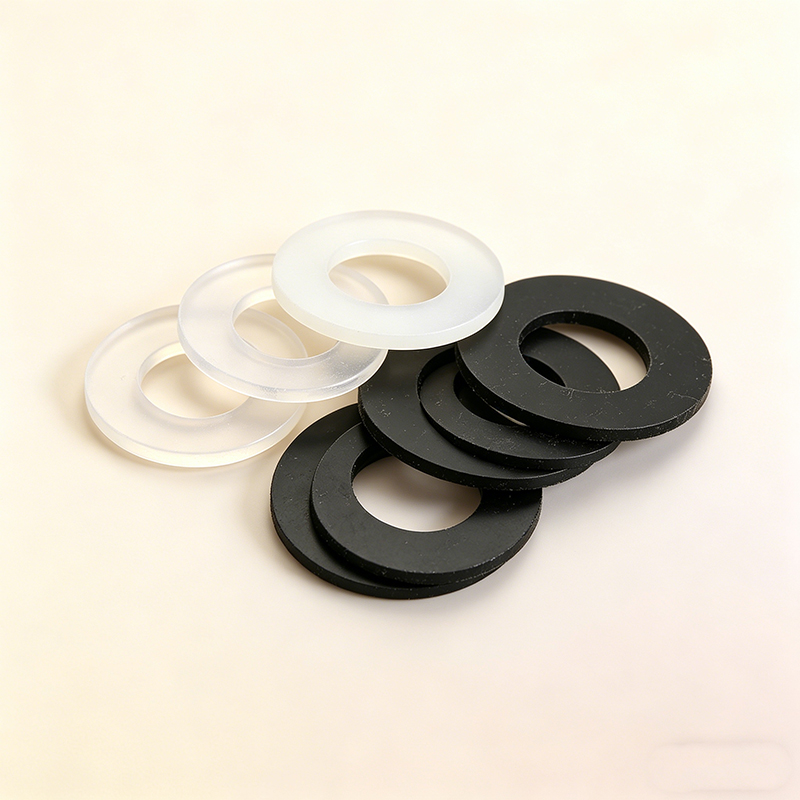
You're asking the wrong question. The real issue isn't which material is "better" - it's which one won't fail in your specific application.
Neither neoprene1 nor EPDM2 is universally superior. The right choice depends on identifying the most destructive element in your sealing environment and selecting the material that can survive it longest. Both materials have fatal weaknesses3 that can destroy your seal if you choose wrong.
Here's what 27 years of rubber manufacturing has taught me. Most engineers focus on material strengths and miss the critical weakness that will actually kill their seal.
What's the biggest mistake people make when choosing between neoprene1 and EPDM2?
Most people look at material data sheets and make decisions based on ideal conditions. This leads to expensive failures down the road.
The biggest mistake is choosing based on primary properties while ignoring the specific destructive agents in your real-world application. You need to identify what will chemically attack your rubber's molecular structure, not just what looks good on paper.
I've seen this scenario countless times. An engineer needs a seal for an outdoor water application. They see that EPDM2 has excellent weather resistance and water compatibility. They choose EPDM2. Six months later, the seal is swollen and leaking.
What happened? The real environment wasn't just water. It was water mixed with oil mist, cleaning chemicals, or other contaminants. EPDM2's fatal weakness is oil sensitivity4. Even small amounts of petroleum products cause it to swell and lose sealing force5.
The reverse happens too. Someone chooses neoprene1 for its oil resistance, then watches it crack under UV exposure6 and ozone attack.
| Material | Fatal Weakness | Common Misconception |
|---|---|---|
| EPDM2 | Oil sensitivity | "Weather resistant means it handles everything outdoors" |
| Neoprene (CR) | UV/Ozone degradation | "Good overall properties means it works everywhere" |
This is why I never ask clients "Do you want EPDM2 or neoprene1?" Instead, I ask "What's going to kill this seal?" Once we identify the most destructive agent, the material choice becomes obvious.
How do you identify which environmental factors7 will actually destroy your seal?
You need to think beyond the obvious. The real killers are usually combinations of factors, not single elements.
Look for mixed contamination environments8, temperature cycling9 that creates condensation, and chemical interactions between different substances in your application. These combination effects cause most seal failures, not the primary operating conditions.
I always dig deeper than the initial application description. When someone says "water environment," I ask specific questions:
- Is there any oil mist or lubricant present?
- What cleaning chemicals are used?
- Are there temperature swings that create condensation?
- What other materials contact the seal?
Real failures happen when multiple stress factors combine. A seal might handle water perfectly and handle mild oil exposure separately. But water plus oil plus temperature cycling9 plus UV exposure6? That's when molecular breakdown accelerates.
I've learned to test combinations, not individual properties. We compress the seal, expose it to mixed media, and cycle temperatures. This reveals weaknesses that single-factor testing misses completely.
The key insight is that rubber degradation is cumulative. Each stress factor makes the material more vulnerable to others. A seal weakened by UV becomes more susceptible to chemical attack10. Oil swelling makes the material more prone to tear under compression.
| Combination Effect | Why It's Dangerous | Detection Method |
|---|---|---|
| UV + Ozone | Creates surface cracks that allow chemical penetration | Accelerated weathering with mixed exposure |
| Oil + Heat | Accelerates swelling and plasticizer loss | Heated oil immersion testing |
| Water + Chemicals | Changes rubber chemistry through hydrolysis11 | Long-term immersion in actual service fluid |
What are the real-world performance differences between neoprene1 and EPDM2?
The differences matter most at the extremes of their performance ranges. Both materials perform adequately in moderate conditions.
EPDM2 excels in pure water, weather, and ozone resistance but fails catastrophically with oil contact. Neoprene handles moderate oil exposure and has balanced properties but degrades faster under UV and ozone. Choose based on your worst-case scenario, not typical conditions.
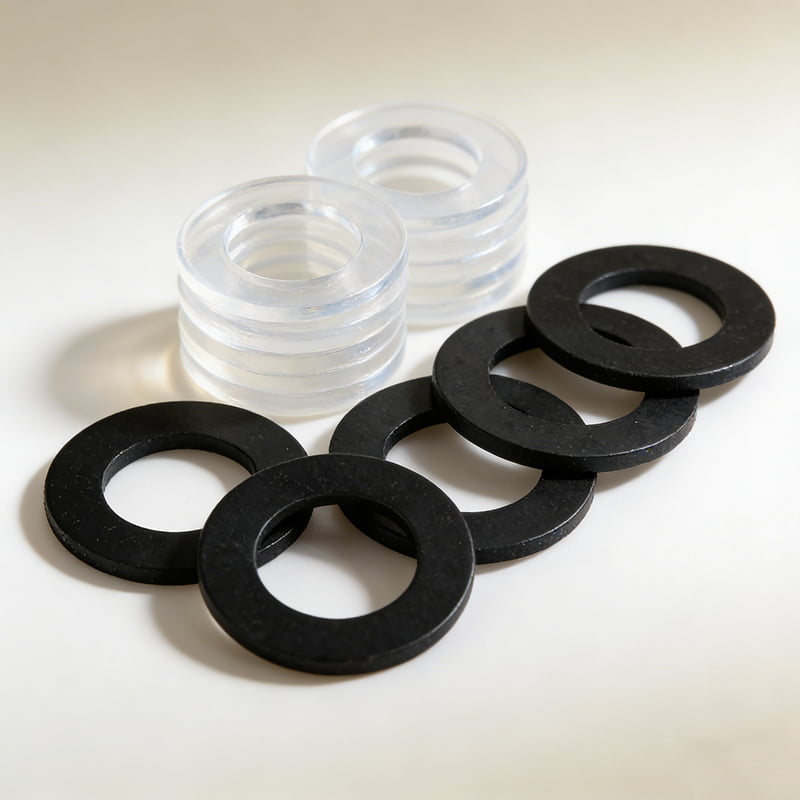
In my experience, EPDM2 is nearly indestructible in clean outdoor water applications. I've seen EPDM2 seals last over 10 years in pure rainwater collection systems. The material maintains elasticity and sealing force5 exceptionally well.
But introduce even small amounts of petroleum contamination, and EPDM2 becomes unreliable quickly. I've seen seals swell 15-20% in volume when exposed to oil mist that was barely visible. This swelling destroys the precise fit needed for effective sealing.
Neoprene performs more predictably across mixed environments. It won't excel in any single condition like EPDM2 does with water, but it won't fail catastrophically either. This makes it safer for applications where you can't control all environmental factors7.
The temperature performance also differs significantly. EPDM2 maintains flexibility at lower temperatures and handles heat better. Neoprene becomes stiff faster in cold conditions and has lower heat resistance.
| Performance Factor | EPDM2 | Neoprene | Winner |
|---|---|---|---|
| Pure water resistance | Excellent | Good | EPDM2 |
| Oil resistance | Poor | Good | Neoprene |
| UV resistance | Excellent | Fair | EPDM2 |
| Temperature range | -40°C to 150°C | -30°C to 120°C | EPDM2 |
| Mixed contamination | Poor | Good | Neoprene |
The processing differences also affect performance. EPDM2 requires careful vulcanization control12 to achieve optimal properties. Poor processing creates weak spots that fail prematurely. Neoprene is more forgiving during manufacturing but requires UV stabilization for outdoor use.
How do you choose the right material for your specific application?
Start with failure mode analysis13, not material properties. Identify what will break your seal first, then select accordingly.
Map your actual operating environment, including all contaminants and stress factors. Test the worst-case combination, not individual elements. Choose the material that survives your specific failure mode longest, even if it's not optimal for other conditions.
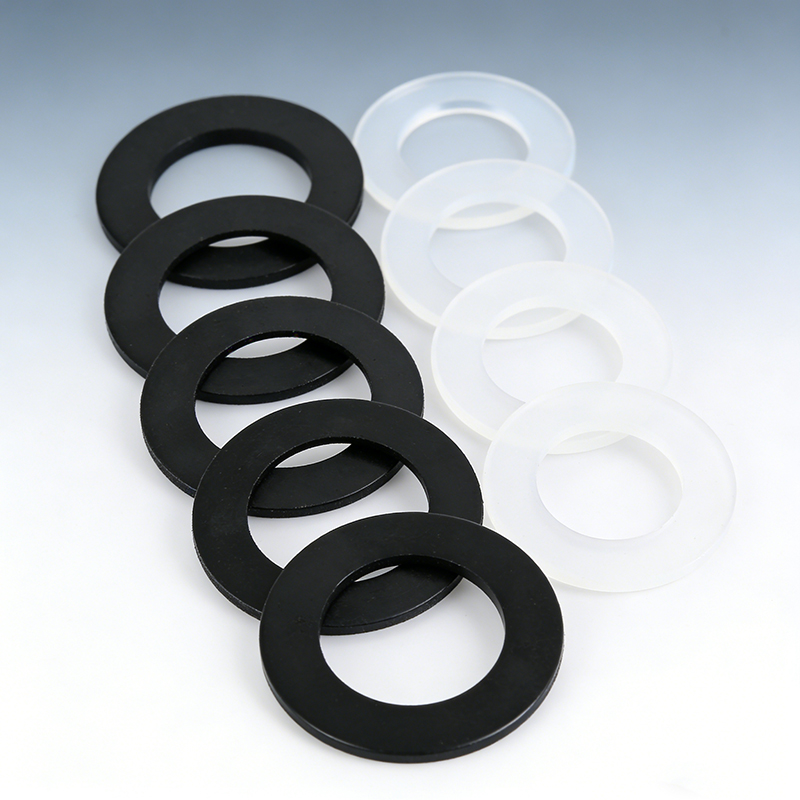
My selection process focuses on elimination rather than optimization. I don't look for the best overall material. I look for the material that won't be killed by the specific threats in the application.
For outdoor applications with potential oil contamination, I often recommend surface-treated EPDM14M](https://arxiv.org/html/2507.18782v2)%%%FOOTNOTE_REF_2%%% or modified formulations that improve oil resistance while maintaining weather performance. This addresses EPDM2's weakness without sacrificing its strengths.
In mixed industrial environments, I might suggest neoprene1 with enhanced UV stabilization15. Or I'll design a two-material system where neoprene1 handles the primary seal and EPDM2 provides backup protection.
The key is matching material properties to threat priorities. If oil contamination is possible but UV exposure6 is guaranteed, neoprene1 wins despite its UV weakness. If the environment is clean but outdoor exposure is severe, EPDM2 is the clear choice.
I also consider the consequences of failure16. In critical applications, I might choose the more expensive material or design redundant sealing systems. The cost of seal failure usually far exceeds the cost of premium materials.
| Application Type | Primary Threat | Recommended Material | Backup Strategy |
|---|---|---|---|
| Clean outdoor water | UV/Ozone | EPDM2 | Regular inspection schedule |
| Industrial mixed fluids | Oil contamination | Neoprene | Enhanced UV stabilization |
| Automotive engine bay | Heat + oil + ozone | Modified EPDM2 | Dual-material design |
| Food processing | Cleaning chemicals | FDA-grade neoprene17e](https://arxiv.org/pdf/1705.10274)%%%FOOTNOTE_REF_1%%% | Frequent replacement schedule |
Conclusion
Neither neoprene1 nor EPDM2 is universally better. Success comes from matching material weaknesses to your application's specific threats and choosing the one that survives longest in your real operating environment.
Explore the unique properties of neoprene to understand its suitability for various sealing environments. ↩
Learn about EPDM's strengths and weaknesses to make informed decisions for your sealing needs. ↩
Discover critical insights into material weaknesses that can lead to seal failures. ↩
Find out how oil sensitivity can affect the performance of EPDM in various applications. ↩
Explore the elements that influence the effectiveness of rubber seals in various applications. ↩
Explore how UV light can degrade rubber materials and how to mitigate this risk. ↩
Gain insights into how different environmental conditions can impact seal integrity. ↩
Gain knowledge about complex environments that can compromise seal integrity. ↩
Learn about the effects of temperature fluctuations on seal performance. ↩
Understand the impact of chemical interactions on rubber materials to prevent failures. ↩
Understand the chemical processes that can lead to rubber degradation in sealing applications. ↩
Discover the significance of proper vulcanization in achieving optimal rubber properties. ↩
Learn how to effectively analyze potential failure modes to choose the right material. ↩
Explore how surface treatments can enhance EPDM's performance in challenging environments. ↩
Discover how UV stabilization can improve neoprene's performance in outdoor applications. ↩
Learn about the potential risks and costs associated with seal failures in important systems. ↩
Understand the importance of FDA-grade materials in food processing and safety. ↩