

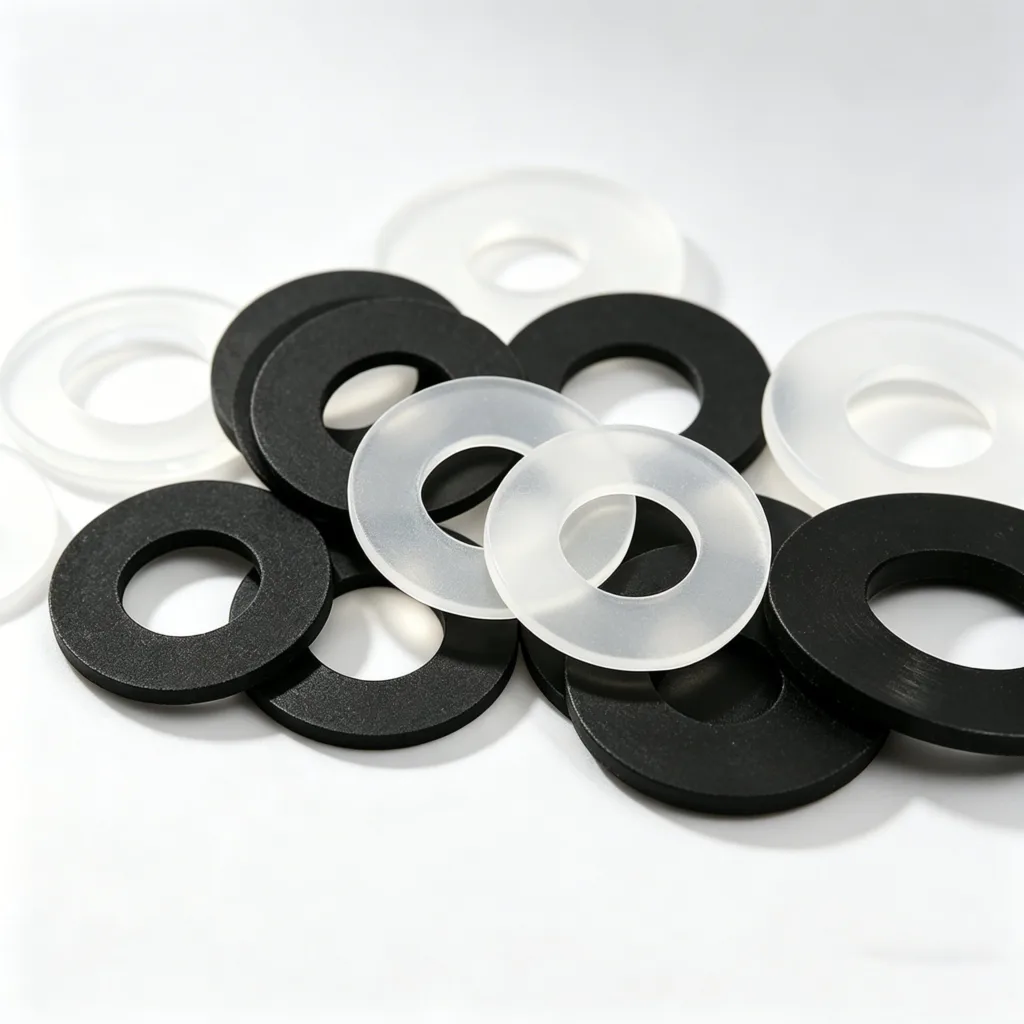
Are you struggling to choose the right rubber gasket1 for your application? You're asking the wrong question entirely.
There aren't really "types" of rubber gasket1s - there are different failure modes2. Every rubber gasket1 will eventually fail through stress relaxation3, chemical attack4, or structural breakdown. Your job is controlling which failure happens last.
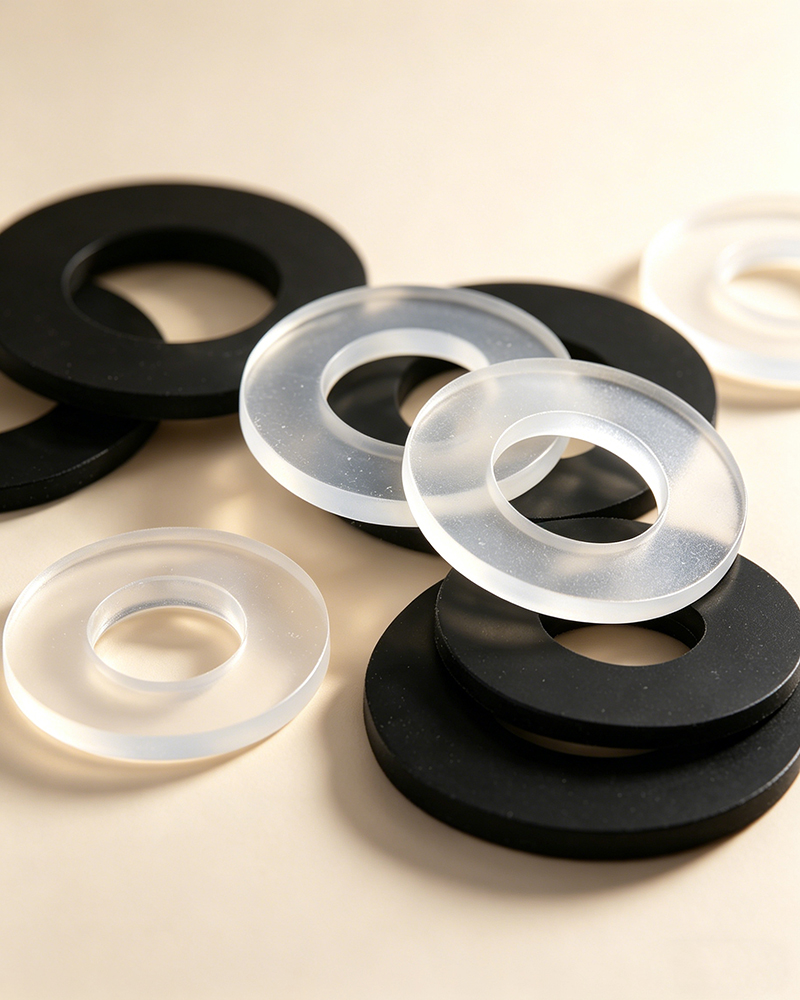
Most engineers get trapped thinking about material properties first. This approach works for samples but fails in real applications. Let me show you why.
What's the biggest mistake engineers make when selecting gaskets?
You focus on material compatibility5 instead of structural load patterns6. This kills more projects than wrong materials ever will.
The classic trap: You select NBR for oil resistance, silicone for temperature, and FKM for chemicals. All your lab tests pass. Then three months later, gaskets start leaking, extruding, or cracking.
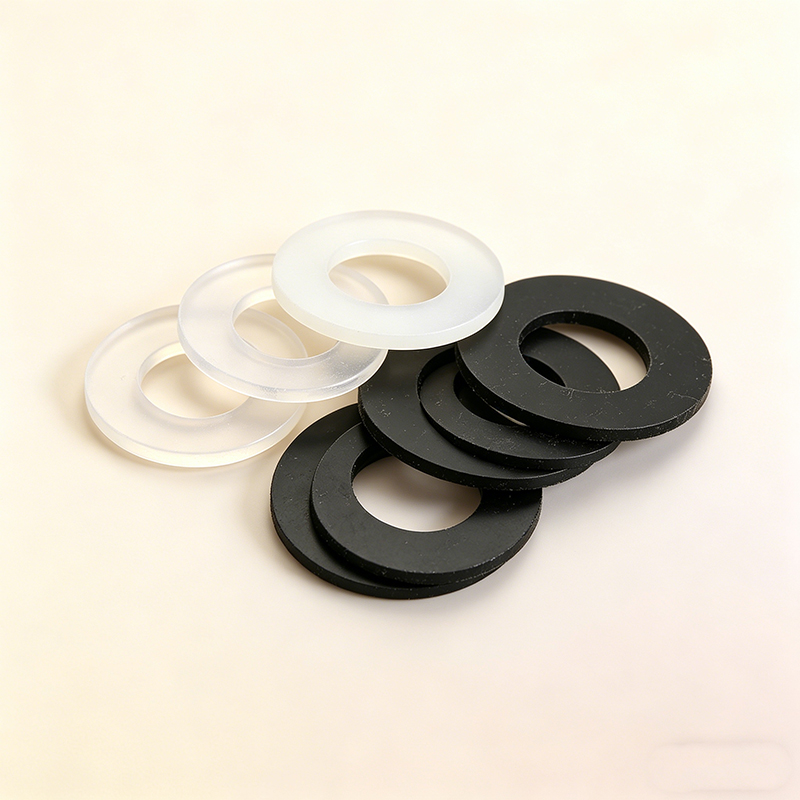
Here's what really happened. You chose the right material properties but the wrong structural approach. A flat gasket under high pressure gets extruded regardless of material. An O-ring7 in a large gap fails through shear forces. Foam rubber collapses under pressure. Solid rubber provides insufficient sealing force at low pressures.
The core issue is simple. Rubber isn't about being "more resistant" - it's about being used in the correct stress model. I learned this lesson the hard way on a automotive project where we had perfect chemical compatibility but total structural failure.
Material selection comes second to understanding how forces act on your gasket. You need to map your sealing scenario structurally before touching any material datasheet. This means identifying static versus dynamic sealing8, face versus line versus point contact, and gap dimensions.
For applications with gaps plus pressure, you must consider anti-extrusion structures9 like backup rings or increased hardness. Low-pressure sealing prioritizes soft materials like low-durometer silicone or foam. High-pressure sealing requires high-modulus materials plus structural constraints.
How does hardness control sealing performance?
Most engineers treat Shore A hardness10 as a specification parameter. It's actually your sealing force adjustment tool.
Hardness directly controls how much sealing force your gasket generates at a given compression. Get this wrong and perfect material compatibility5 won't save you from leakage.
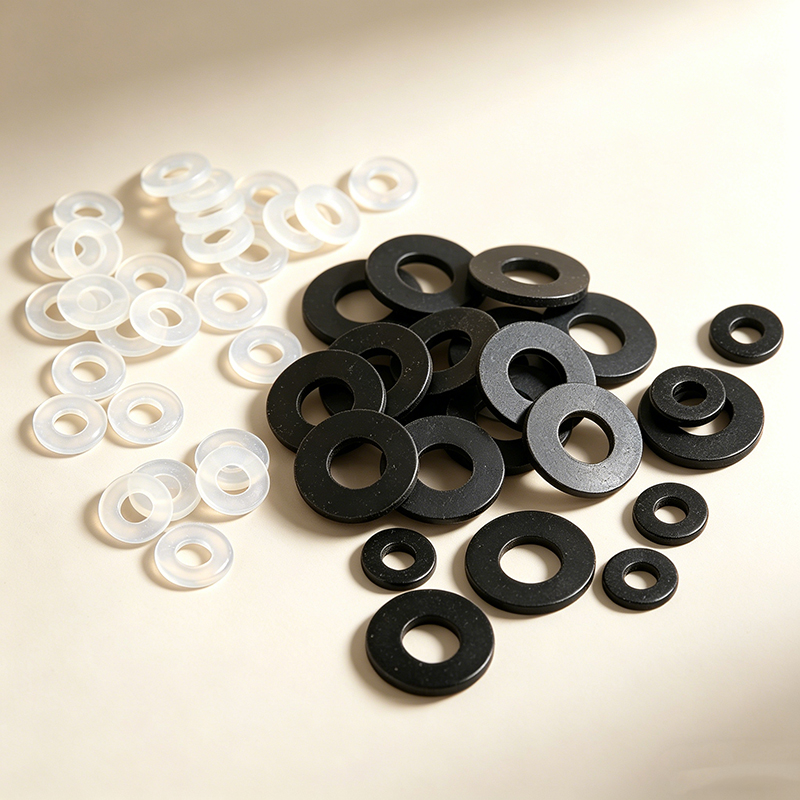
I approach hardness selection systematically. Low-pressure sealing gets 30-50 Shore A to ensure surface conformity. Medium pressure applications use 60-70 Shore A for balance. High-pressure applications with anti-extrusion needs require 80+ Shore A.
The relationship between hardness and sealing force is exponential, not linear. A 70 Shore A gasket generates roughly double the sealing force of a 50 Shore A gasket at the same compression. This means small hardness changes create large performance differences.
Wrong hardness selection causes more field failures than wrong materials. I've seen projects where engineers specified perfect chemical resistance but used 50 Shore A gaskets in 70 Shore A applications. The gaskets leaked within weeks because they couldn't generate sufficient contact pressure.
Temperature affects hardness dramatically. Silicone rubber loses about 5 Shore A points per 50°C temperature increase. NBR becomes significantly harder at low temperatures. You need to account for operating temperature when selecting baseline hardness.
The key insight is that hardness isn't about the gasket - it's about the interface pressure you need to create reliable sealing. Match your hardness to your required contact stress, not to arbitrary specifications.
What compression ratio11 should you target?
Compression ratio controls both sealing effectiveness and gasket lifespan12. Most engineers either under-compress or over-compress their gaskets.
Solid rubber gasket1s need 20-30% compression for reliable sealing. Foam gaskets require 30-50%. Too little compression means insufficient sealing force. Too much compression accelerates stress relaxation3 and premature failure.
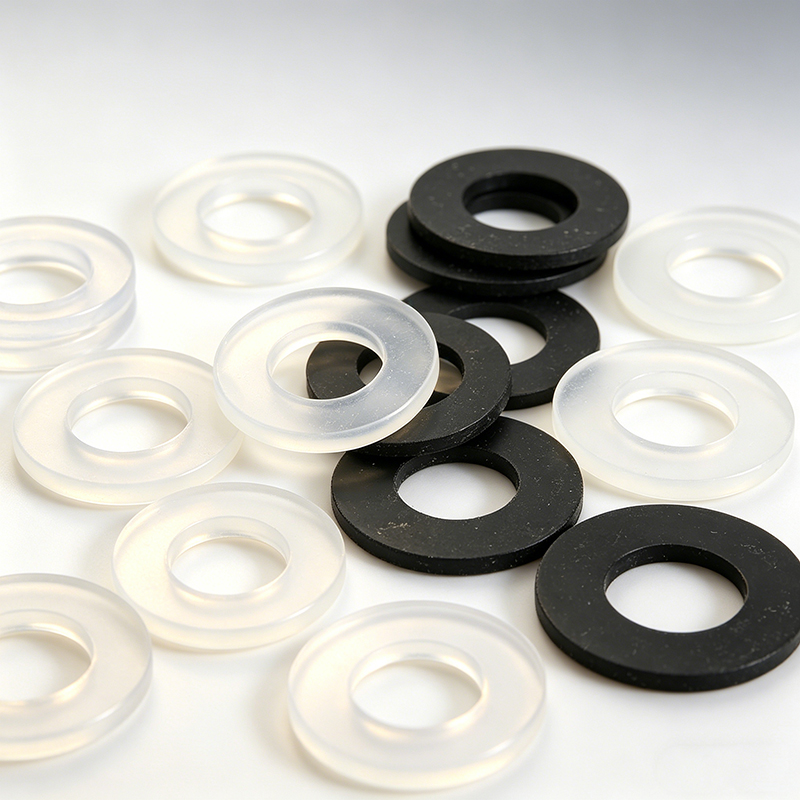
I calculate compression ratio11s based on both sealing requirements and long-term performance. Under-compression is the obvious failure mode - insufficient contact pressure leads to immediate leakage. Over-compression is the hidden killer that shows up months later.
Stress relaxation accelerates exponentially with compression level. A gasket compressed to 40% loses sealing force much faster than one compressed to 25%. This means over-compressed gaskets might seal initially but fail within months as stress relaxation3 reduces contact pressure below critical levels.
Real-world compression often differs from design compression. Manufacturing tolerances, assembly variations, and thermal expansion all affect actual compression ratio11s. I always verify actual compression during assembly rather than assuming design values are achieved.
Different materials have different optimal compression windows. EPDM foam performs well at 40-50% compression. Silicone solid gaskets work best at 20-25%. NBR can handle 25-30% effectively. These ranges reflect both material properties and typical application requirements.
The critical insight is that compression ratio11 isn't just about initial sealing - it's about maintaining sealing force over time. Design your compression ratio11 for end-of-life performance, not just initial installation.
How do you combine materials with structural approaches?
Successful gasket selection requires matching material properties with structural strategies. This combination determines actual performance.
I don't select materials in isolation. I develop material-structure combinations13: NBR plus high hardness plus backup rings for oil resistance with anti-extrusion. Silicone plus low hardness plus high compression for water sealing. EPDM foam plus controlled compression for outdoor weatherproofing.


Each combination addresses specific failure modes2. NBR provides oil resistance, high hardness resists extrusion, and backup rings prevent gap intrusion. This three-part approach controls chemical attack4, stress relaxation3, and structural failure simultaneously.
For temperature applications, silicone provides thermal stability, low hardness ensures surface conformity, and high compression ratio11s compensate for thermal expansion differences. The material handles temperature while the structure maintains sealing contact.
Cost-sensitive applications often use EPDM foam with controlled compression strategies. EPDM provides weather resistance and chemical stability. Foam structure enables sealing at low contact pressures. Controlled compression prevents over-stress and premature failure.
High-performance applications might combine FKM with structural constraints. FKM handles extreme chemicals and temperatures. Structural constraints prevent extrusion and maintain gasket position under severe conditions. This approach maximizes both material capabilities and structural integrity.
The key principle is that materials provide resistance while structures provide control. Material selection addresses environmental compatibility. Structural design controls mechanical failure modes2. Both elements must work together for reliable long-term performance.
What about dynamic versus static sealing14 requirements?
Dynamic sealing adds friction, wear, and cyclic loading to your gasket selection criteria. Static solutions often fail catastrophically in dynamic applications.
Dynamic gaskets must handle sliding friction, abrasive wear, and fatigue loading while maintaining seal integrity. This requires different material properties and completely different structural approaches than static sealing14.
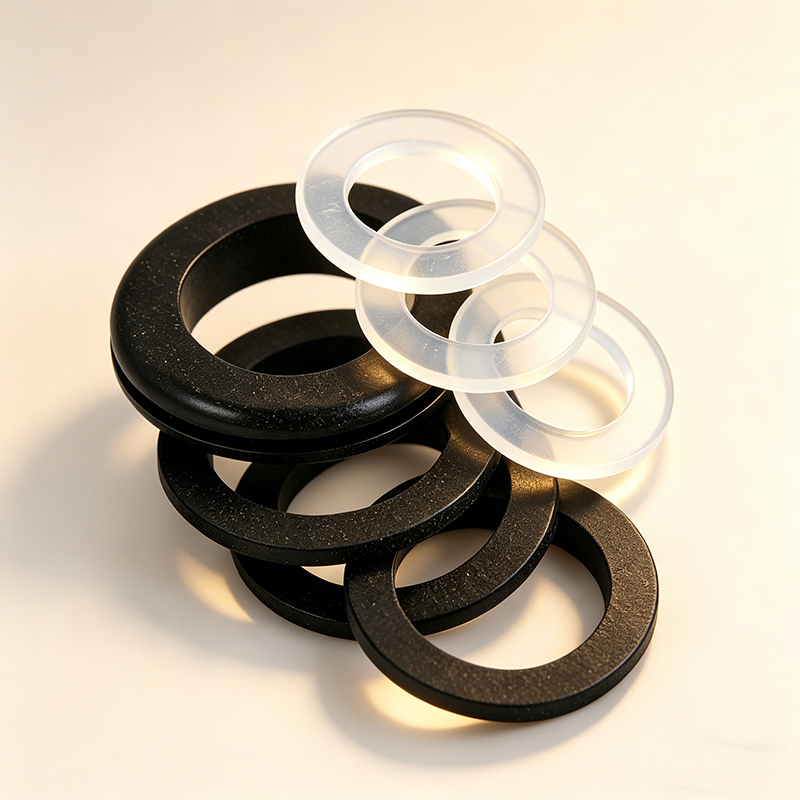
Static gaskets optimize for compression set resistance15 and chemical compatibility. They maintain position and resist environmental attack. Dynamic gaskets must also resist abrasive wear, minimize friction coefficients, and survive cyclic loading without crack propagation.
Material selection changes completely for dynamic applications. Static seals might use soft, conformable materials for maximum surface contact. Dynamic seals need harder materials with lower friction coefficients and better wear resistance. Silicone works well for static temperature sealing but creates too much friction for dynamic applications.
Lubrication becomes critical for dynamic sealing8. The gasket material must be compatible with required lubricants while maintaining sealing effectiveness. Some materials swell in lubricants, others become too slippery to maintain position. This compatibility requirement often drives material selection more than environmental resistance.
Surface finish requirements differ dramatically between static and dynamic applications. Static seals can conform to rough surfaces through compression. Dynamic seals require controlled surface finishes to minimize wear while maintaining lubrication16 films. This often means different machining or surface treatment requirements.
Dynamic sealing also requires different structural approaches. Static gaskets might use high compression ratio11s for maximum sealing force. Dynamic gaskets need controlled compression to minimize friction while maintaining adequate sealing. This balance point varies with sliding velocity and applied loads.
Conclusion
Rubber gasket selection isn't about counting types - it's about controlling failure modes2 through material-structure combinations13.
Explore this link to gain insights into various rubber gasket applications and their importance in engineering. ↩
Understanding failure modes is crucial for selecting the right gasket; this resource will provide detailed explanations. ↩
Learn about stress relaxation and its impact on gasket performance to avoid premature failures. ↩
Understanding chemical attack is vital; this resource provides prevention strategies for gasket longevity. ↩
This resource will help you understand why material compatibility is essential for gasket longevity. ↩
Explore this link to understand how structural load patterns influence gasket performance. ↩
Discover best practices for O-ring usage to enhance sealing effectiveness in various applications. ↩
Explore the challenges of dynamic sealing to better understand the requirements for gasket selection. ↩
Learn about anti-extrusion structures to enhance the reliability of your gasket applications. ↩
This resource explains the significance of Shore A hardness in determining gasket sealing force. ↩
Learn about optimal compression ratios to ensure effective sealing and longevity of gaskets. ↩
Learn strategies to extend gasket lifespan and improve overall performance in applications. ↩
This resource will help you understand how to combine materials and structures for optimal gasket performance. ↩
This link will clarify the differences between static and dynamic sealing, aiding in proper gasket selection. ↩
Explore the concept of compression set resistance to improve gasket selection and performance. ↩
Learn about the role of lubrication in gasket performance to enhance sealing effectiveness. ↩