

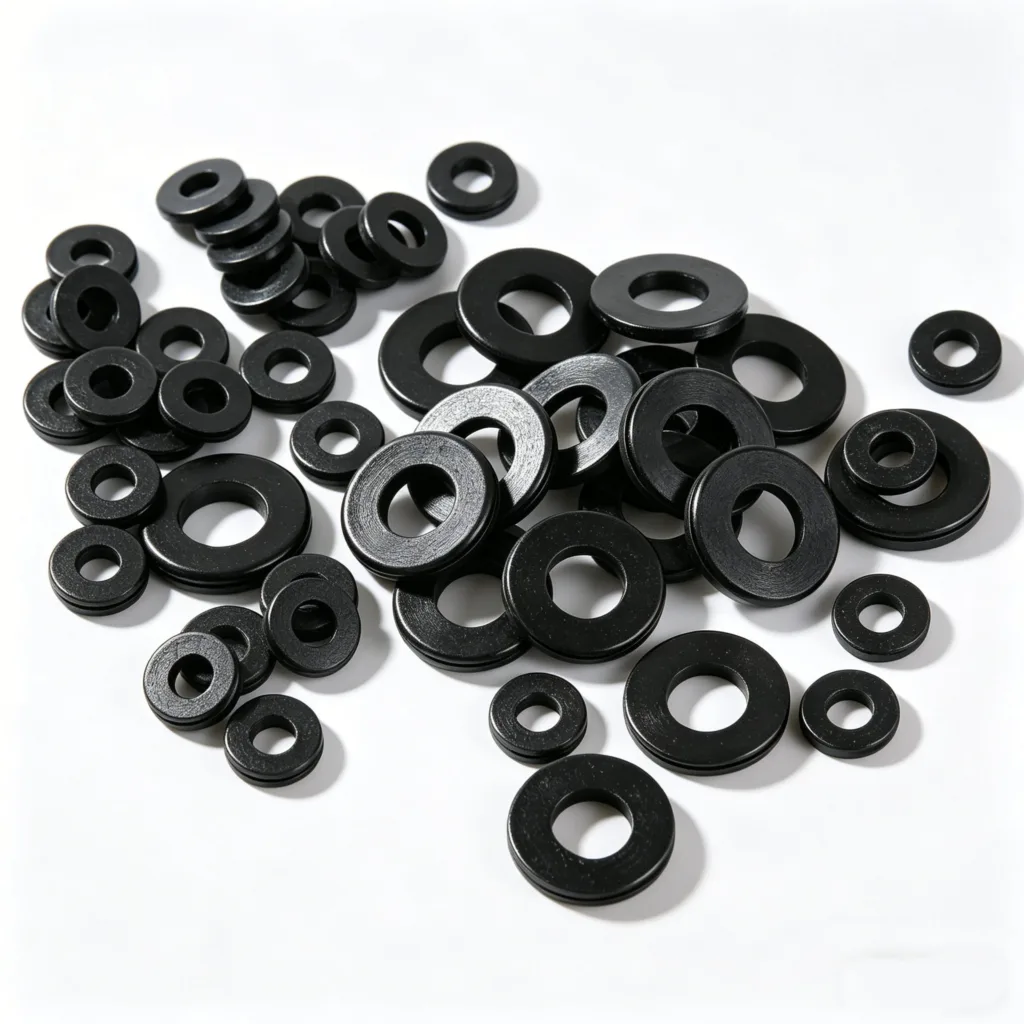
Do you know that gasket failure1 causes 80% of equipment downtime? Most engineers focus on material selection but miss the real culprit.
Common gasket failure1s include compression set2, chemical degradation3, thermal cycling damage4, installation errors5, and wrong material selection6. The root cause is usually loss of sealing stress7 under real operating conditions, not material defects.
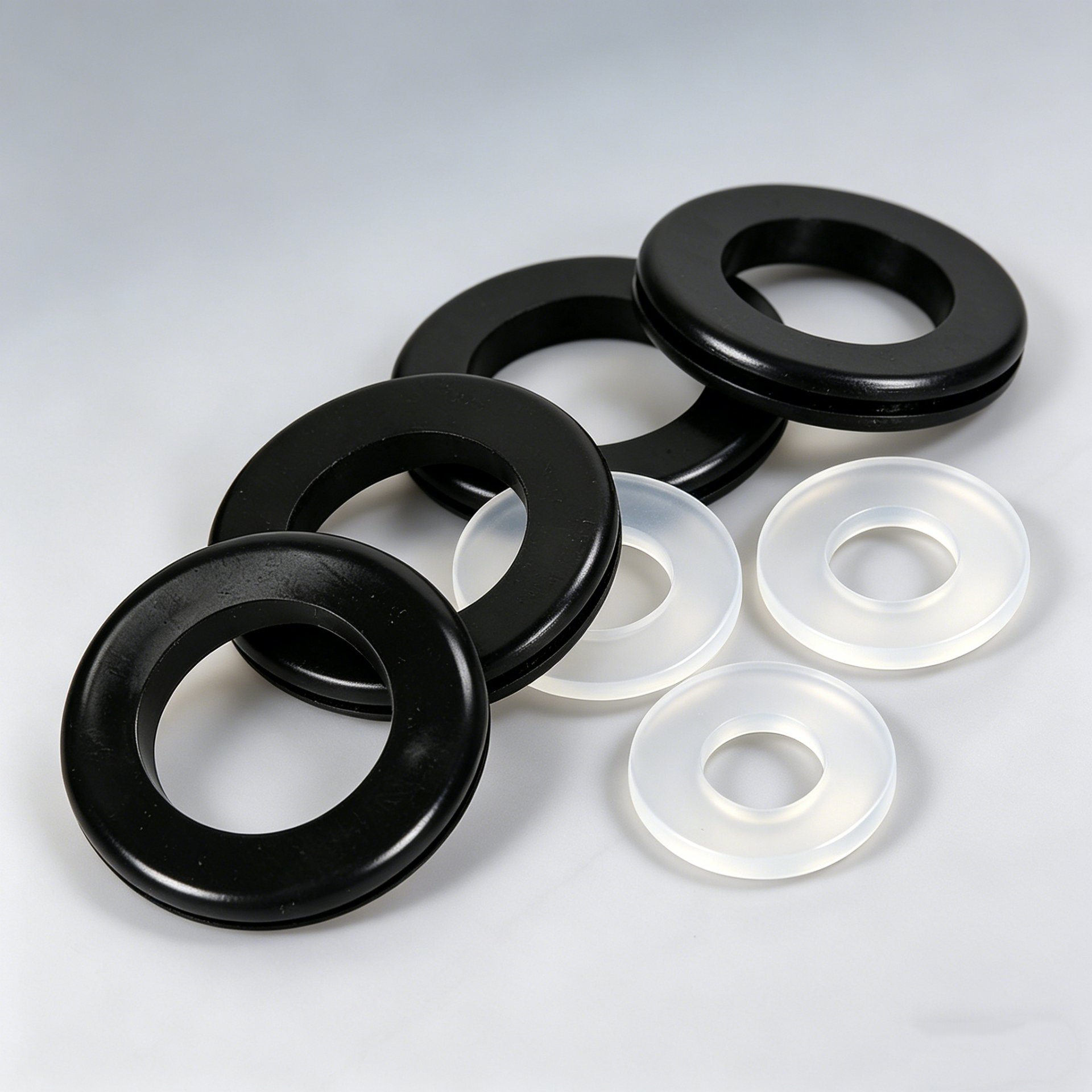
I have seen countless projects fail not because of poor materials, but because teams test under ideal conditions while real applications face harsh environments. Let me share what really happens when gaskets fail.
Why do gaskets lose sealing stress7 over time?
You might think gasket failure1 means the material broke down. But that is not the whole story.
Gaskets fail when they lose sealing stress7. This happens through compression set2 and material structure changes caused by media exposure and temperature cycling. The gasket may look fine but cannot maintain proper contact pressure.
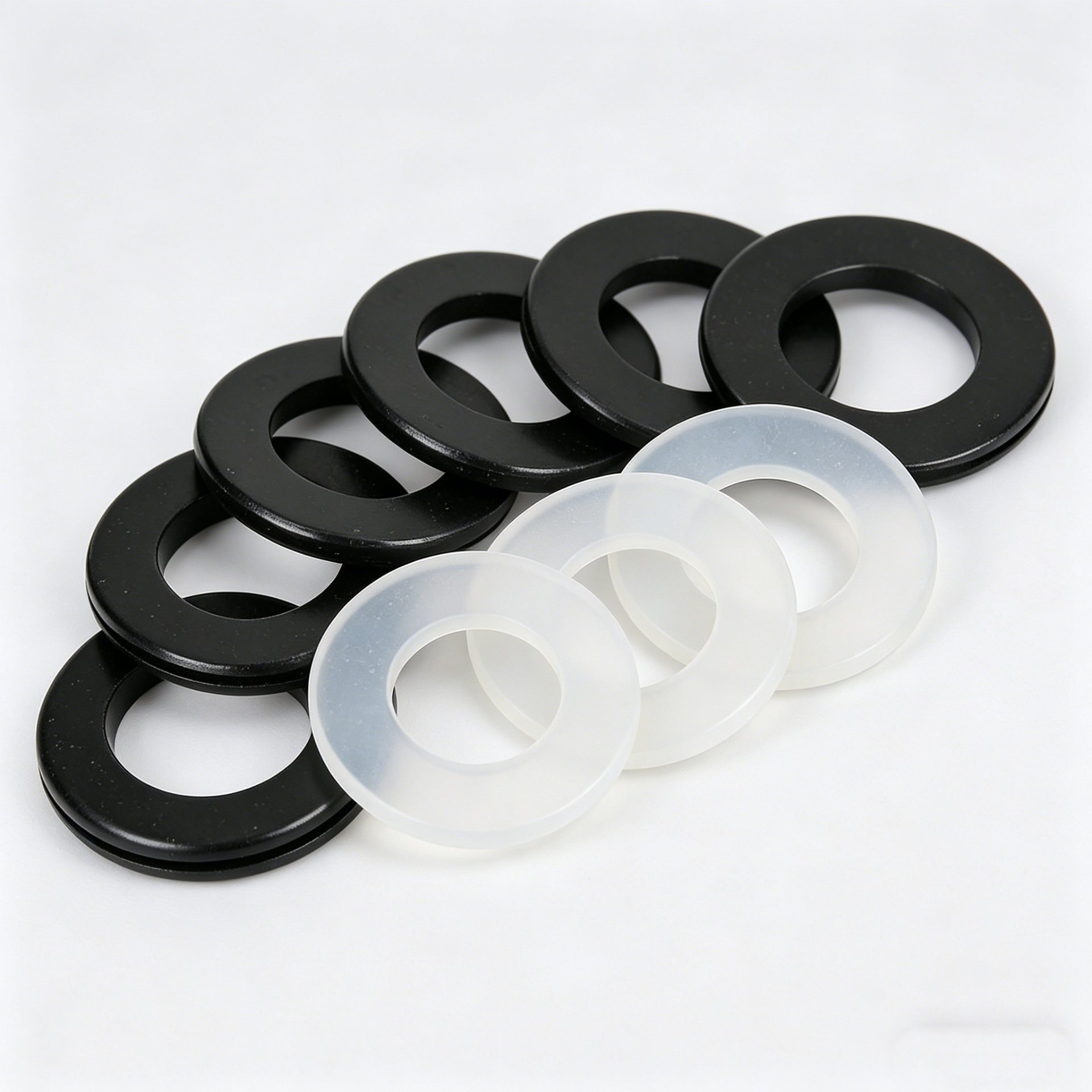
I learned this lesson the hard way on a project three years ago. We had NBR gaskets that passed all initial tests. They sealed perfectly during installation. The customer was happy. Then six months later, we got complaint calls about leakage.
What happened? The gaskets developed compression set2 under constant pressure. At the same time, the hydraulic oil8 caused gradual swelling. These two effects combined meant the gaskets could not spring back to create proper sealing force. The material was still intact, but the sealing function was gone.
This taught me to focus on two key factors. First is compression set2 resistance - how well the material maintains its shape under long-term compression. Second is dimensional stability9 in the actual media at actual temperatures. You cannot predict long-term performance from short-term tests.
Most engineers run 7-day or even 30-day tests and think they are covered. But compression set2 and chemical effects often take months to fully develop. The gasket that works today may fail gradually over time as these mechanisms work together.
What happens when you choose the wrong material?
Wrong material selection creates a domino effect that starts small but grows into major problems.
Wrong gasket materials fail through incompatibility with operating media, temperature limits exceeded, or mechanical property mismatches. NBR swells in certain oils, EPDM softens with petroleum products, and silicone loses compression resistance at high temperatures.
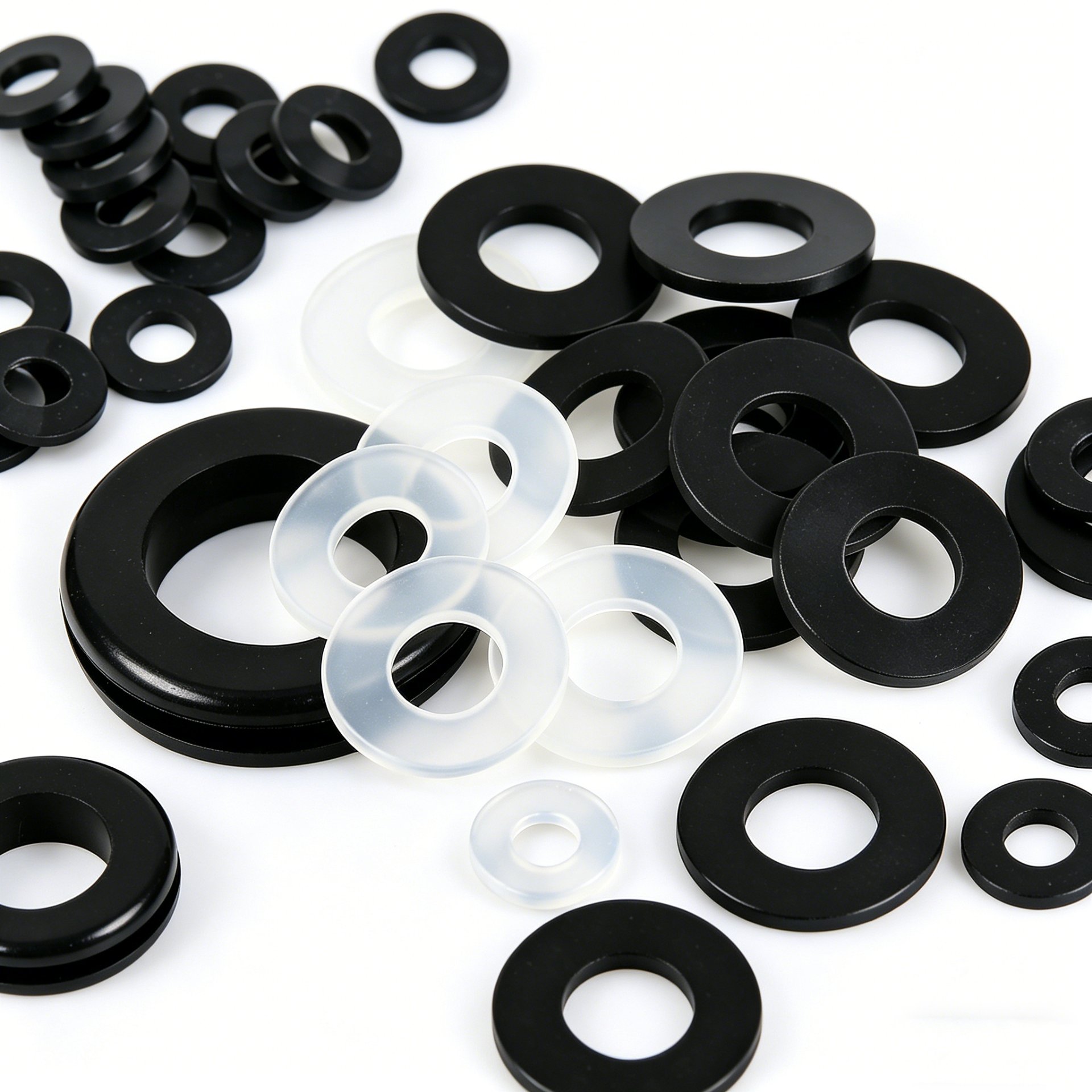
I remember working with a customer who insisted on using EPDM gaskets in a petroleum application. They chose EPDM because it worked great in their water-based systems. The material cost was lower than our recommended FKM option.
Three months after installation, they called with emergency leakage issues. The EPDM had absorbed petroleum products and swelled beyond acceptable limits. Worse, the swelling made the material soft and unable to maintain sealing pressure. They had to shut down production for emergency repairs.
Here is what different materials do in wrong applications. NBR with high ACN content becomes brittle in low temperatures. NBR with low ACN content swells excessively in aromatic oils. Silicone rubber develops high compression set2 above 200°C. EPDM loses all sealing ability when exposed to petroleum products. FKM becomes expensive overkill in simple water applications.
The real problem is not just failure - it is unpredictable failure timing. Some wrong materials fail immediately, which is actually better because you catch it during testing. Others fail slowly over months, creating warranty claims and customer relationship damage.
This is why I always ask customers about their actual operating fluids, not just the primary media. That "clean hydraulic oil8" might contain additives that change compatibility completely. The "water system" might have glycol or other chemicals that affect material selection.
How do installation errors5 cause gasket failure1s?
Perfect gaskets fail when installation goes wrong. I see this more often than material problems.
Installation errors cause gasket failure1s through over-compression, under-compression, improper groove dimensions, surface finish problems, and contamination during assembly. Even the best gasket cannot work in poorly designed or assembled joints.
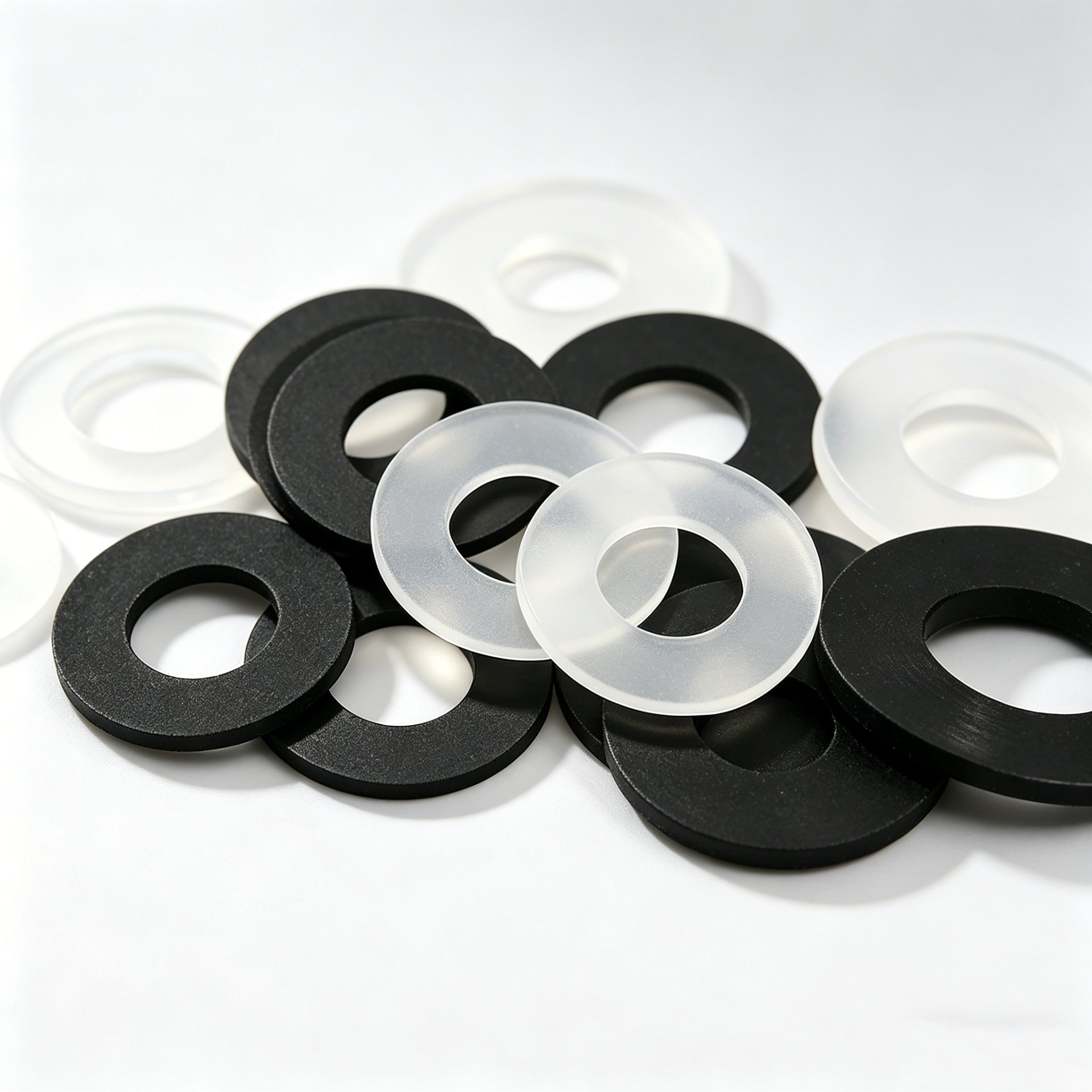
Last year, I helped troubleshoot a medical device where custom silicone gaskets kept failing quality tests. The material was medical-grade silicone with perfect test certificates. The groove dimensions matched our drawings exactly. But failure rates were running 15% during final assembly testing.
We discovered the assembly technicians were using petroleum-based lubricants to help gasket installation. These lubricants contaminated the silicone surface and prevented proper bonding with the mating surfaces. Once we switched to compatible assembly aids, failure rates dropped to under 1%.
Over-compression is another common problem. Engineers often think "tighter is better" for sealing. But excessive compression causes several issues. The gasket material flows out of the groove. Internal stresses increase, leading to faster compression set2 development. The mating parts may distort, creating uneven sealing loads.
Under-compression is equally dangerous. The gasket cannot conform to surface irregularities. Sealing stress remains too low for reliable operation. Small vibration10s or pressure changes can break the seal completely.
Surface finish problems create hidden failures. A surface that looks smooth to the eye may have scratches or roughness that prevents proper gasket contact. We specify surface finishes for good reason - they directly affect sealing performance.
Contamination during assembly ruins even perfect installations. Oil, dirt, or cleaning solvent residues prevent proper gasket-to-surface contact. This creates leak paths that may not show up immediately but cause problems later.
When do environmental factors11 destroy gaskets?
Environmental conditions often get overlooked during design, but they kill gaskets in real applications.
Environmental factors like UV exposure12, ozone, temperature cycling, pressure surges13, and vibration10 cause gasket degradation independent of media compatibility14. These factors accelerate aging and create failure modes not seen in laboratory testing.
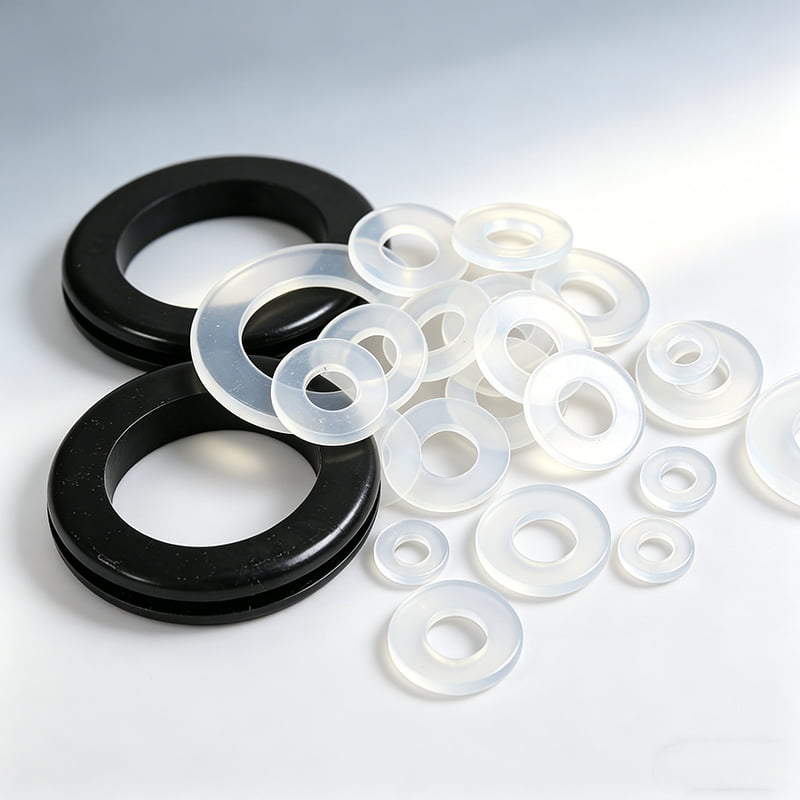
I worked on an outdoor equipment project where EPDM gaskets performed perfectly in lab tests but failed within months in field installations. The lab tests covered temperature, pressure, and media compatibility14. Everything looked great on paper.
The field failures showed cracking and hardening that we had never seen in our testing. Investigation revealed the problem was ozone exposure combined with UV radiation. The outdoor environment created oxidative degradation that our indoor lab could not replicate.
Temperature cycling creates mechanical stress that static temperature tests miss. When gaskets heat up, they expand and soften. When they cool down, they contract and may become stiff. This cycling creates internal stresses that gradually weaken the material structure.
Pressure surges and vibration10 add dynamic loads that static sealing tests do not capture. A gasket that seals perfectly under steady pressure may fail when subjected to pressure spikes or constant vibration10. The dynamic forces work the material and accelerate fatigue failure.
Chemical exposure from unexpected sources also causes problems. That "clean air" environment may have traces of solvents, acids, or other chemicals that slowly attack gasket materials. Industrial environments often have contamination that specifications do not mention.
Humidity changes affect some materials more than others. Hygroscopic materials absorb moisture and change dimensions. This can alter sealing loads and create leak paths. Even "sealed" systems may experience humidity changes during temperature cycling.
How can you prevent gasket failure1s in your applications?
Prevention requires testing under real conditions, not just ideal laboratory conditions.
Prevent gasket failure1s by conducting combined aging tests15 under actual operating conditions, validating installation procedures, selecting materials based on long-term performance data16, and implementing quality control17 throughout the supply chain.
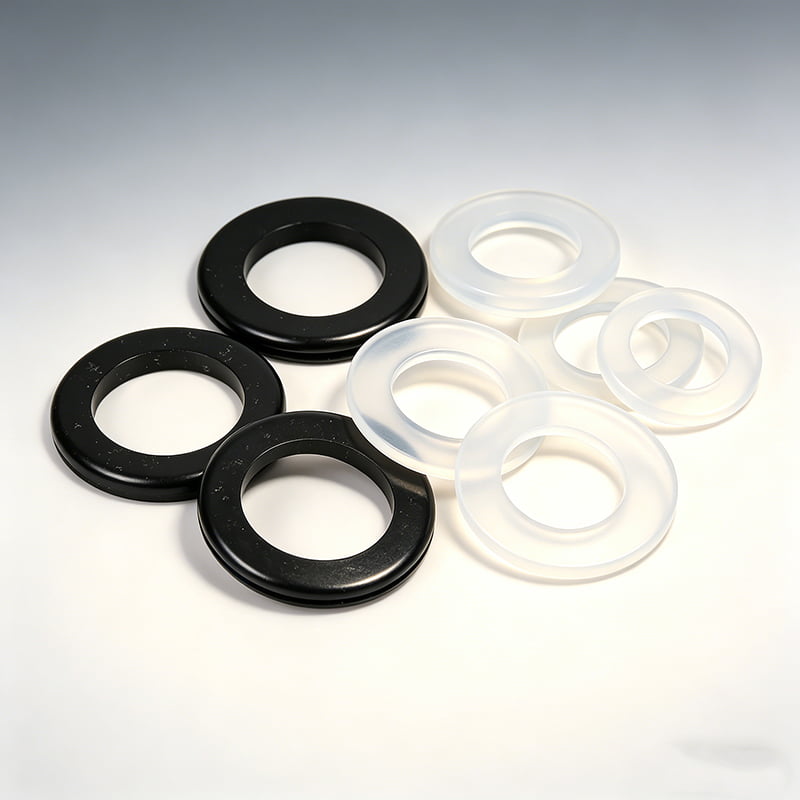
My approach focuses on replicating real failure modes before production starts. Instead of separate tests for compression set2, media resistance, and temperature effects, I run combined tests that expose gaskets to all conditions simultaneously.
For example, if your application involves compressed gaskets in hydraulic oil8 at 80°C, I test gaskets under compression while soaked in your actual oil at cycling temperatures. This reveals problems that individual tests miss. The compression affects how the material responds to oil. The oil changes how compression set2 develops. Temperature cycling accelerates both effects.
Material selection becomes about customizing formulations for your specific needs. NBR compounds can be adjusted for ACN content to balance oil resistance against low-temperature flexibility. Silicone formulations can be modified with reinforcing fillers to reduce compression set2. FKM types can be selected based on your actual temperature range rather than using generic high-performance grades.
Installation validation is equally important. I work with customers to develop assembly procedures that prevent contamination and ensure proper compression. This includes specifying compatible assembly aids, training assembly personnel, and implementing inspection checkpoints.
Quality control extends beyond incoming material inspection. Process controls during gasket manufacturing affect long-term performance more than raw material properties. Cure conditions, post-cure treatments, and handling procedures all impact the final product performance.
Supply chain management becomes critical for consistent results. The same material specification from different suppliers may perform differently due to processing variations. Qualification testing should include multiple production lots to verify consistency.
Conclusion
Gasket failures stem from loss of sealing stress7 under real operating conditions, not just material defects. Prevention requires comprehensive testing that replicates actual service environments.
Understanding gasket failure can help you prevent costly downtime and improve equipment reliability. ↩
Learn about compression set to ensure your gaskets maintain their sealing capabilities over time. ↩
Explore how chemical degradation impacts gasket longevity and performance in various applications. ↩
Discover the effects of thermal cycling on gaskets to enhance their durability in fluctuating temperatures. ↩
Identifying installation errors can significantly reduce gasket failures and improve sealing effectiveness. ↩
Understanding material selection is crucial for ensuring gaskets perform well in their intended applications. ↩
Learn about sealing stress to better understand how gaskets maintain their sealing capabilities. ↩
Understanding the effects of hydraulic oil can help you select the right gaskets for hydraulic systems. ↩
Explore the importance of dimensional stability to ensure gaskets perform reliably under real conditions. ↩
Explore how vibration affects gasket performance to enhance reliability in machinery. ↩
Understanding environmental factors can help you choose the right gaskets for outdoor or harsh conditions. ↩
Learn about the impact of UV exposure on gasket materials to prevent premature failures. ↩
Understanding pressure surges can help you design better sealing solutions for dynamic applications. ↩
Understanding media compatibility is essential for selecting the right gasket materials for your application. ↩
Learn about combined aging tests to ensure gaskets are tested under realistic conditions. ↩
Using long-term performance data helps in making informed decisions for reliable gasket applications. ↩
Implementing quality control measures can significantly improve gasket performance and reduce failures. ↩