

Are you buying rubber parts that fit perfectly in samples but fail during mass production? This frustration happens because most buyers focus on the wrong factors when sourcing molded rubber products1.
The accuracy of molded rubber products1 depends on material shrinkage control2 and process stability3, not just mold precision. Understanding this difference can save you from costly production delays and quality issues.
When we started manufacturing rubber components 27 years ago, I learned this lesson the hard way. Let me share what really determines whether your molded rubber parts will meet specifications consistently.
Are You Buying Dimensions or Shrinkage Control?
Most buyers make the same mistake when evaluating molded rubber suppliers. They focus on blueprint dimensions and mold accuracy while ignoring the real factors that control final part quality.
Molded rubber accuracy comes from controlling material shrinkage and process consistency, not mold precision alone. Different rubber batches can shrink differently, causing dimension variations even with identical molds.
Here's what happens when you focus on the wrong factors. You review the technical drawings carefully. You verify the mold specifications. Everything looks perfect on paper. But then production starts, and each batch comes out slightly different.
The problem isn't your supplier's competence. It's that rubber behaves differently than metal or plastic. Rubber compounds shrink during curing, and this shrinkage varies between batches based on several factors.
Different mixing conditions affect how the rubber flows and cures. Temperature variations during vulcanization4 change the final dimensions. Even humidity in the factory can influence the results. At our facility, we track these variables because they directly impact your parts' consistency.
We maintain detailed shrinkage databases for every compound we use. When designing molds, we don't rely on general shrinkage factors. We use actual data from previous runs with similar materials and geometries. This approach eliminates the guesswork that causes dimension drift.
The key insight is this: you're not just buying a shaped piece of rubber. You're buying controlled material behavior. Suppliers who understand this difference deliver consistent results. Those who don't leave you dealing with quality issues during production.
Why Do Perfect Samples Lead to Production Failures?
I've seen this scenario countless times, and it's heartbreaking for everyone involved. The prototype phase goes smoothly. Samples fit perfectly. Seal testing passes. Assembly is effortless. Then mass production begins, and everything falls apart.
Sample success followed by production failure typically results from batch-to-batch shrinkage variations5 and inconsistent curing conditions, not design flaws or dimensional errors.
This happens because samples and production runs use different material batches. During sampling, suppliers often use carefully controlled conditions. They may hand-select the best pieces. The mixing might be done in smaller, more controlled batches.
Production reality is different. Larger mixing batches introduce more variables. Different operators may handle the process. Environmental conditions change throughout the day. These factors seem minor, but they create significant dimension variations.
Let me give you a real example from our experience. We once had a customer whose gaskets worked perfectly in prototypes. During production, some parts were too tight to install, while others leaked immediately. The blueprint hadn't changed. The mold was identical.
The issue was compound consistency. The prototype batch had one shrinkage rate. The production batches varied by nearly 1% from this baseline. That small difference was enough to ruin the fit and function. We solved it by implementing stricter mixing controls and establishing shrinkage windows6 for each geometry.
Now we pre-qualify every compound batch before production. We measure key properties like Mooney viscosity7 and cure characteristics8. We only proceed when these values fall within established ranges. This extra step prevents the sample-to-production gap that destroys project timelines.
The lesson here is crucial: rubber isn't like machined metal where dimensions stay constant. It's a reactive material that responds to processing conditions. Success requires controlling these conditions, not just following drawings.
How Do You Lock Down Consistent Shrinkage Control?
After decades of solving these problems, I've developed specific approaches that actually work in production environments. These aren't theoretical solutions - they're battle-tested methods we use every day.
Effective shrinkage control requires establishing material databases, fixing compound formulations, and monitoring cure characteristics8 rather than relying on experience-based adjustments.

First, we never start a project without defining shrinkage windows6. This means testing the actual compound under production conditions and measuring how much it shrinks. We don't use handbook values or educated guesses. We create specific data for your application.
Our material database contains shrinkage information for every compound we've used. When a similar project comes up, we reference this historical data. This eliminates the trial-and-error approach that wastes time and money. More importantly, it gives us predictable starting points for new molds.
Compound consistency is the second critical factor. We lock down formulation numbers for each project. No substitutions allowed without retesting. Our mixing procedures specify exact times, temperatures, and discharge criteria. Every batch gets tested for Mooney viscosity7 before use.
This might seem excessive, but rubber compounds are sensitive to mixing variations. Slight differences in mixing time can change flow properties. Temperature variations affect cure speed. These changes directly translate to dimensional variations in your parts.
Vulcanization control is equally important. Most suppliers only specify cure time, but that's incomplete information. We control the entire cure profile9 - temperature uniformity, pressure consistency, and heating rate. Our molds maintain temperature within ±2°C across all cavities.
We also monitor cure state using rheometer data. This tells us whether parts are under-cured, properly cured, or over-cured. Each condition produces different shrinkage levels. By maintaining consistent cure states, we eliminate this source of variation.
For critical applications, we add post-cure stabilization10. This secondary heating cycle relieves internal stresses and stabilizes dimensions. Parts that skip this step often change size during service, especially under load or temperature cycling.
What Mold Design Features Prevent Assembly Problems?
Traditional machining approaches don't work for molded rubber products1. Trying to achieve zero-clearance fits with rubber is a recipe for assembly headaches and field failures.
Successful rubber part design incorporates compression zones11 and assembly tolerances12 rather than rigid fits, allowing the material's natural behavior to work for you instead of against you.
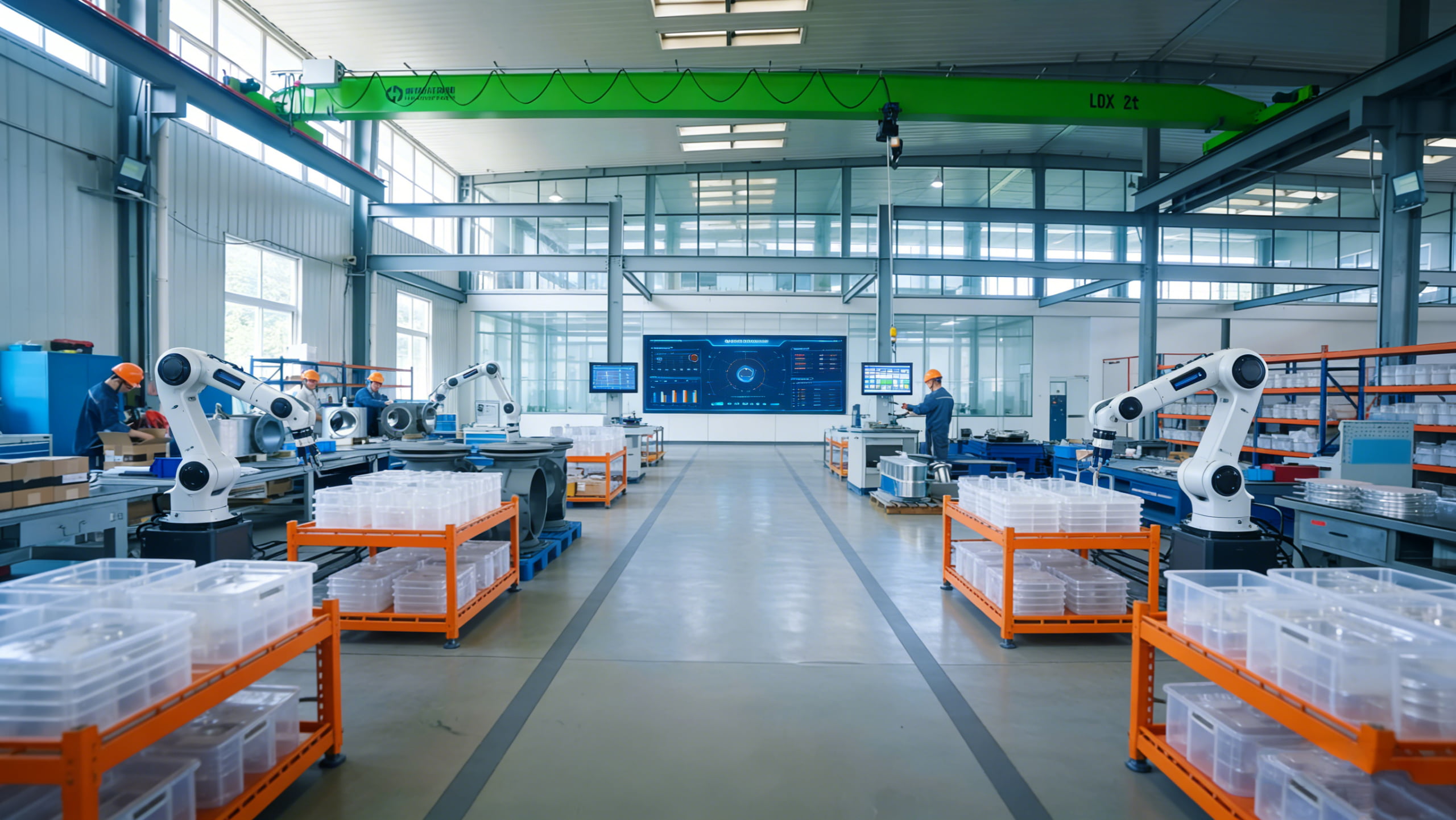
The biggest mistake I see is designing rubber parts like metal components. Engineers specify exact fits with minimal clearances. This approach ignores rubber's compressible nature and dimensional variability. The result is parts that either don't fit or don't seal properly.
Smart rubber design uses compression to create consistent sealing forces. Instead of trying to control dimensions to impossibly tight tolerances, we design parts that compress predictably during assembly. This approach accommodates normal dimensional variations while maintaining function.
Groove design is particularly important for sealing applications. We calculate compression ratios based on the rubber's properties and the application requirements. Too little compression creates leaks. Too much compression causes installation problems and premature failure. The sweet spot requires understanding both the material and the application.
We also incorporate lead-in features that guide parts into position during assembly. Chamfers and tapered sections make installation easier and reduce the risk of damage. These features are especially important for automated assembly processes where precise part placement is difficult.
Parting line placement affects both appearance and function. We position parting lines away from sealing surfaces when possible. When this isn't feasible, we use post-molding operations to clean up critical areas. Flash removal and trimming ensure consistent performance.
Multi-cavity molds require special attention to cavity-to-cavity consistency. We balance runner systems to ensure equal fill rates. Temperature control becomes more critical with multiple cavities. Each cavity must cure identically to produce consistent parts.
Tool steel selection and surface finishes also impact part quality. Harder steels maintain sharper details longer. Proper surface finishes reduce friction during demolding and improve part appearance. These factors seem minor but accumulate into significant quality differences.
How Do You Verify Long-Term Dimensional Stability?
Many rubber parts perform well initially but develop problems over time. Dimensional changes during service can cause seal failures, interference fits, or complete functional breakdown.
Long-term dimensional stability13 requires proper cure optimization, stress relief treatments, and accelerated aging validation to ensure parts maintain their intended function throughout their service life.
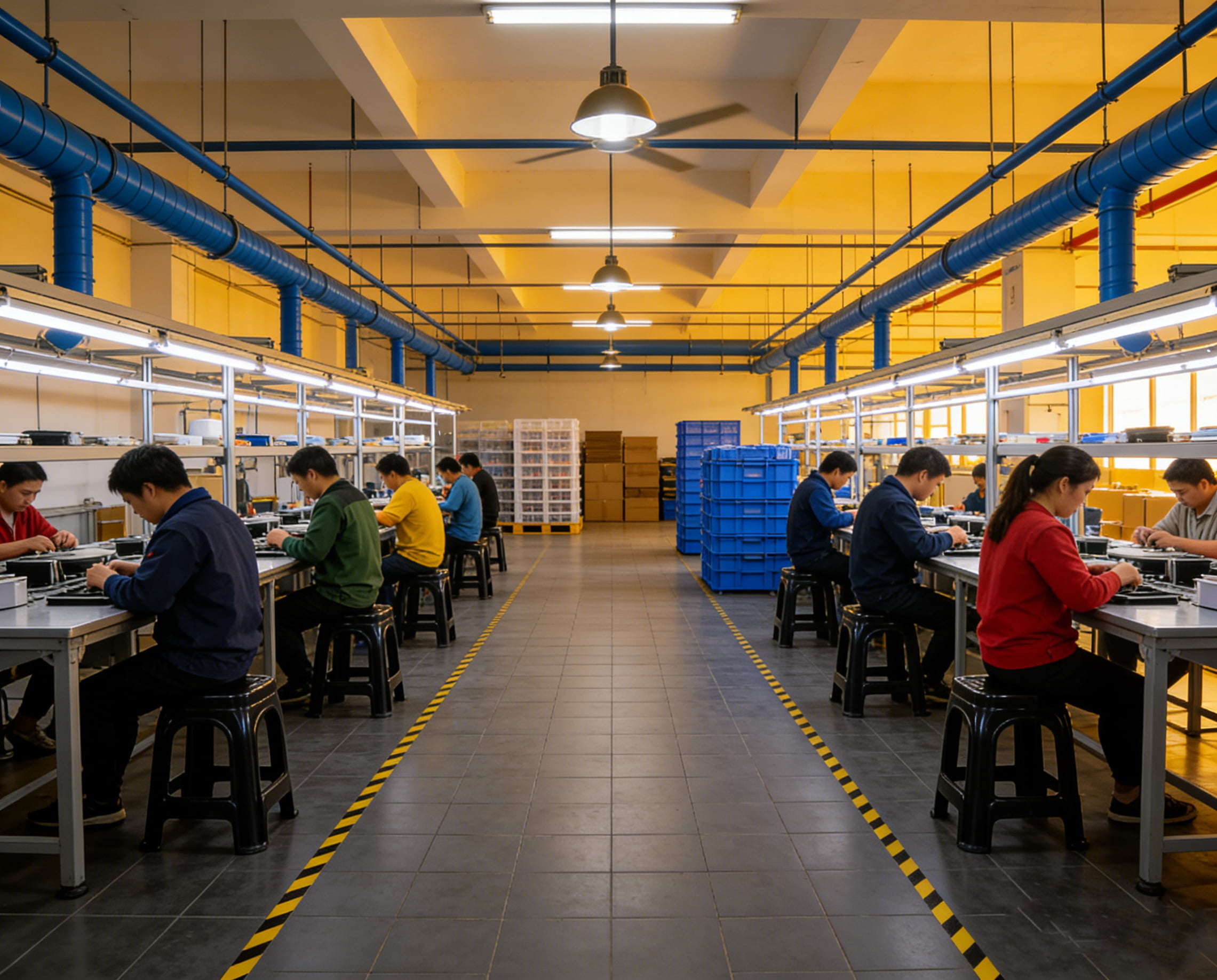
Dimensional stability starts with proper vulcanization4. Under-cured rubber continues to cross-link during service, causing shrinkage. Over-cured rubber becomes brittle and may crack under stress. We optimize cure conditions to achieve complete cross-linking without degradation.
Cure optimization involves rheometer testing to determine optimal cure times and temperatures. We don't rely on visual cues or experience-based timing. Rheometer curves show exactly when cross-linking is complete. This scientific approach eliminates guesswork and ensures consistent results.
Post-cure heat treatment is essential for applications requiring dimensional stability13. This secondary heating cycle at elevated temperature completes any remaining cross-linking and relieves molding stresses. Parts that skip this step often change dimensions during the first few weeks of service.
We validate dimensional stability13 through accelerated aging tests14. Parts are exposed to elevated temperatures, compressed states, or chemical environments that simulate years of service in days or weeks. Dimensional measurements before and after aging reveal potential problems.
Compression set testing is particularly important for sealing applications. This test measures how much a rubber part permanently deforms under constant compression. High compression set values indicate poor long-term sealing performance. We adjust formulations and cure conditions to minimize compression set.
Environmental resistance testing ensures parts maintain their properties under service conditions. UV exposure, ozone resistance, temperature cycling, and chemical compatibility all affect dimensional stability13. We select materials and design features based on these requirements.
Quality documentation becomes crucial for long-term success. We provide cure charts, material certificates, and dimensional reports for every batch. This documentation enables traceability if problems develop later. It also supports qualification processes for regulated industries.
Conclusion
Successful molded rubber products1 require understanding material behavior, not just following blueprints. Focus on shrinkage control, process consistency, and long-term stability for reliable results.
Explore this link to learn effective sourcing strategies that ensure quality and consistency in molded rubber products. ↩
Understanding material shrinkage control is crucial for maintaining quality in rubber parts; this resource provides valuable insights. ↩
Discover why process stability is essential for consistent rubber part production and how to achieve it. ↩
This resource explains the vulcanization process, which is key to achieving the desired properties in rubber products. ↩
Learn about the factors that lead to shrinkage variations and how to mitigate them for better production outcomes. ↩
Discover the concept of shrinkage windows and how they can help in achieving consistent rubber part dimensions. ↩
Explore the significance of Mooney viscosity in rubber processing and its impact on final product quality. ↩
Understanding cure characteristics is vital for ensuring the quality and performance of rubber parts; find out more here. ↩
Understanding the cure profile is essential for optimizing rubber properties; this link offers detailed information. ↩
Learn about post-cure stabilization and its importance in maintaining the dimensional stability of rubber parts. ↩
Learn how incorporating compression zones can enhance the design and functionality of rubber parts. ↩
This resource provides insights into setting effective assembly tolerances for rubber components to avoid issues. ↩
This resource outlines methods to ensure dimensional stability, crucial for the long-term performance of rubber products. ↩
Explore the significance of accelerated aging tests in validating the longevity and reliability of rubber components. ↩