

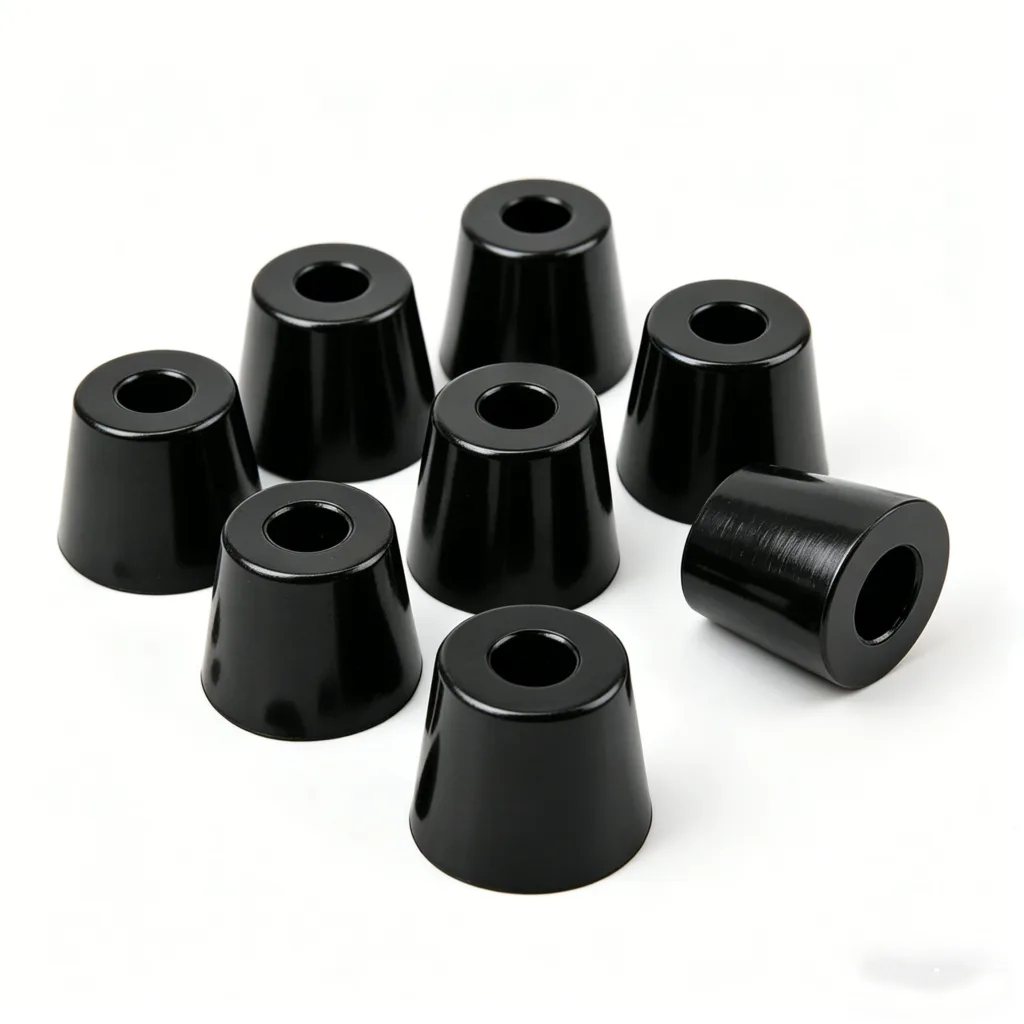
Equipment vibrations damage your machinery. You need reliable protection. But many anti vibration mounts fail unexpectedly.
Anti vibration mounts1 require dynamic stiffness2 balance between material hardness and flexibility. Most failures occur from thermal aging3 and dynamic deterioration, not initial design flaws. Proper material selection4 and testing prevent costly equipment damage.
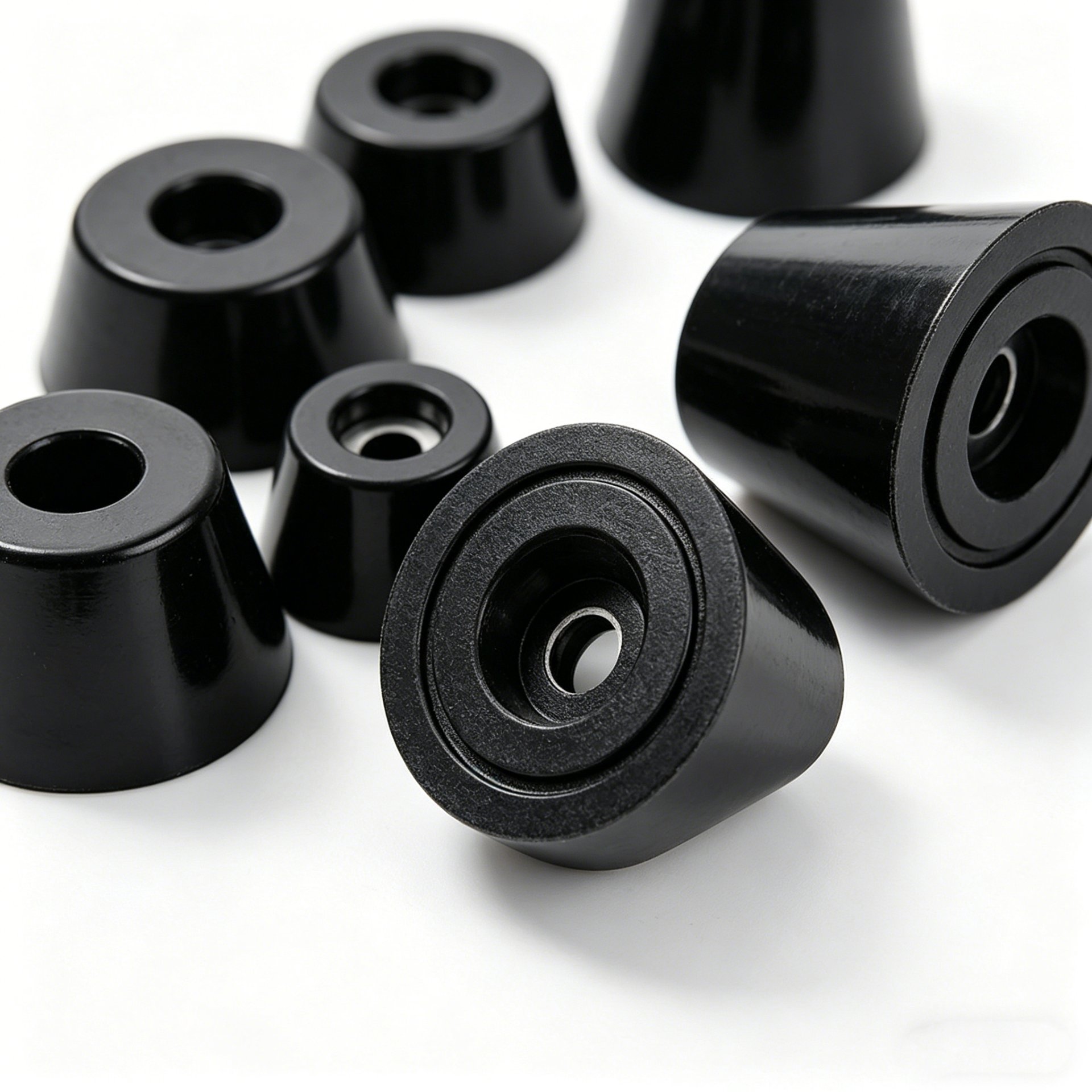
I have seen too many projects where everything works perfectly during testing. Then three months later, equipment starts shaking violently. The precision drops. Production stops. When we inspect the mounts, we find cracked rubber and hardened materials.
Why Do Engineers Choose the Wrong Materials?
Most engineers focus on static hardness numbers. They miss the bigger picture. Your equipment operates under dynamic conditions with varying frequencies.
Static hardness ratings do not predict dynamic performance5. Materials must maintain elasticity under continuous vibration cycles while supporting equipment weight. Wrong material selection4 leads to mount failure and equipment damage.
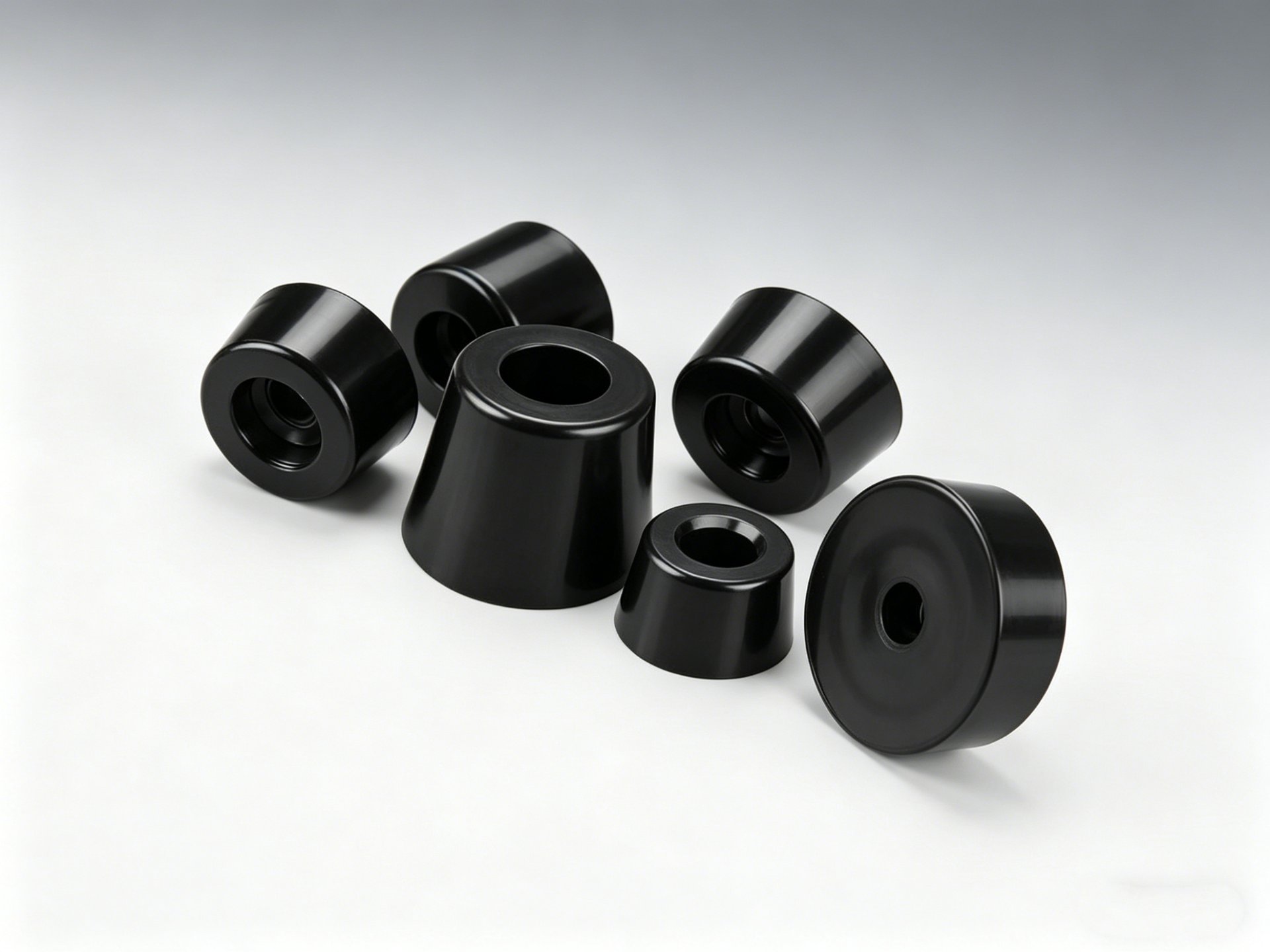
The core problem lies in understanding dynamic stiffness2 versus comfort balance. I work with engineers who get caught up in Shore hardness6 values. They think harder materials provide better support. This thinking creates problems.
Hard materials cannot absorb impact effectively. They transfer vibrations directly to your equipment. Soft materials seem like the solution, but they create different issues. They cannot handle long-term loads. Your equipment becomes unstable. Components shift position. Precision suffers.
The real solution involves matching dynamic hardness to vibration frequency7. Your equipment generates specific frequency ranges. Your mounts must respond correctly to these frequencies. This matching determines long-term stability and cost control8.
| Material Type | Static Hardness | Dynamic Performance | Temperature Resistance | Cost Factor |
|---|---|---|---|---|
| Natural Rubber | 40-80 Shore A | Poor at high frequency | Limited to 80°C | Low |
| Silicone | 30-70 Shore A | Excellent across range | Up to 200°C | Medium |
| Fluorocarbon | 60-90 Shore A | Superior stability | Up to 250°C | High |
| EPDM | 50-80 Shore A | Good general purpose | Up to 150°C | Medium |
We test materials under real operating conditions. Temperature cycling, frequency sweeps, and load testing9 reveal true performance. Static tests cannot predict field behavior.
What Causes Thermal Aging Failures?
The deadliest hidden trap in our industry is thermal aging3 combined with dynamic stress. Your initial testing shows everything working perfectly. Mounts absorb vibrations. Equipment runs smoothly. You approve the design.
Thermal aging accelerates under vibration stress, causing rubber hardening and cracking within months. High temperature environments combined with continuous movement break down polymer chains, leading to sudden mount failure.
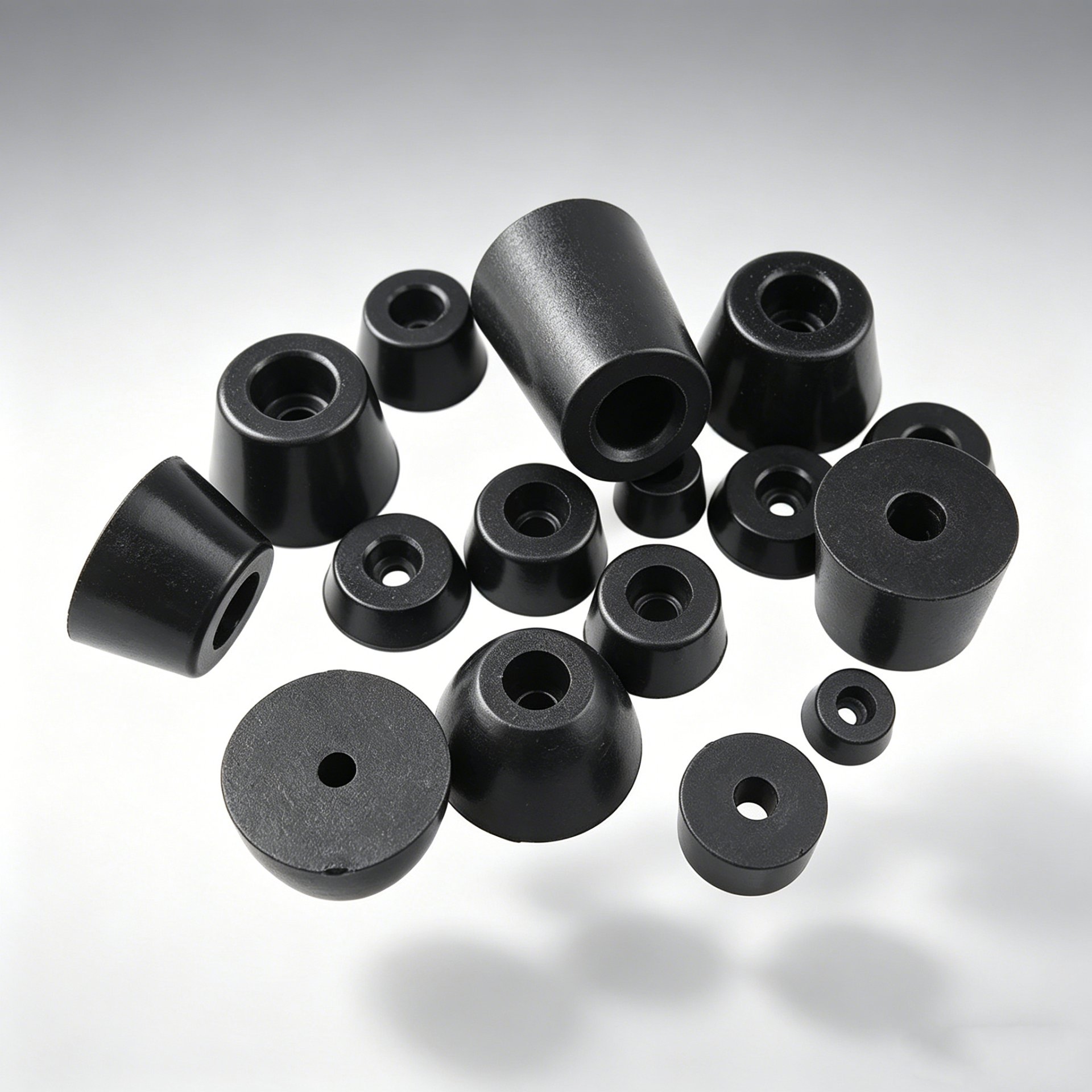
Three months into production, problems start appearing. Equipment begins vibrating abnormally. Machine precision decreases. You investigate and find hardened, cracked rubber supports. The real cause hits you hard.
You ignored thermal aging3 effects in high-temperature environments. Rubber materials perform well at room temperature. But continuous exposure to heat and vibration destroys them quickly. They lose elasticity rapidly. Failure follows.
Standard rubber materials cannot handle this combination. Natural rubber and low-cost compounds break down fast. Heat breaks polymer chains. Vibration accelerates the process. Oxygen exposure makes it worse.
I have witnessed production lines shut down because of this issue. One automotive client lost $50,000 in a single day. Their conveyor system failed when rubber mounts hardened. Product quality dropped. They had to stop production for emergency repairs.
The problem extends beyond immediate costs. Equipment damage from failed mounts creates bigger issues. Bearings wear out faster. Alignment problems develop. Maintenance costs multiply. Your reputation suffers when delivery schedules slip.
Temperature cycling makes thermal aging3 worse. Equipment heats up during operation. It cools down during breaks. This expansion and contraction stresses the rubber. Cracks develop faster. Material properties change unpredictably.
How Do You Select Materials That Last?
Material selection determines mount longevity. You need materials that resist thermal aging3 while maintaining dynamic properties. High-performance rubbers solve most problems.
Silicone and fluorocarbon rubbers maintain elasticity under high temperature and vibration stress. They resist thermal aging3, chemical exposure, and UV degradation while providing consistent dynamic performance5 over extended periods.


Silicone rubber offers excellent temperature resistance up to 200°C. It maintains flexibility across wide temperature ranges. Vibration performance stays consistent. Chemical resistance protects against oil and solvent exposure.
Fluorocarbon rubber provides superior performance in extreme conditions. Temperature resistance reaches 250°C. Chemical resistance exceeds other materials. Dynamic properties remain stable under severe stress. Cost is higher, but reliability justifies the investment.
We avoid natural rubber and low-cost compounds for critical applications. Their thermal aging3 resistance is poor. They work for short-term or low-stress applications. Long-term reliability requires better materials.
Process control during manufacturing affects material performance. Heat treatment and aging control ensure batch consistency. Poor manufacturing processes create performance variations. Quality systems prevent these issues.
| Testing Parameter | Standard Requirement | Our Enhanced Testing | Benefit |
|---|---|---|---|
| Temperature Cycling | -40°C to +100°C | -50°C to +200°C | Real-world conditions |
| Vibration Frequency | 10-100 Hz | 1-1000 Hz | Complete frequency range |
| Load Testing | Static only | Dynamic + Static | Actual operating stress |
| Aging Simulation | 168 hours | 1000+ hours | Long-term reliability |
Long-term reliability testing reveals material behavior over time. We conduct high-temperature, high-frequency fatigue tests. These tests simulate years of operation in weeks. Data shows which materials survive and which fail.
What Manufacturing Controls Prevent Failures?
Manufacturing quality determines field performance. Process control ensures consistent material properties. Poor manufacturing creates weak points that fail under stress.
Controlled vulcanization10, consistent mixing ratios, and proper curing cycles ensure uniform material properties. Manufacturing variations create stress concentrations and premature failure points in anti vibration mounts.
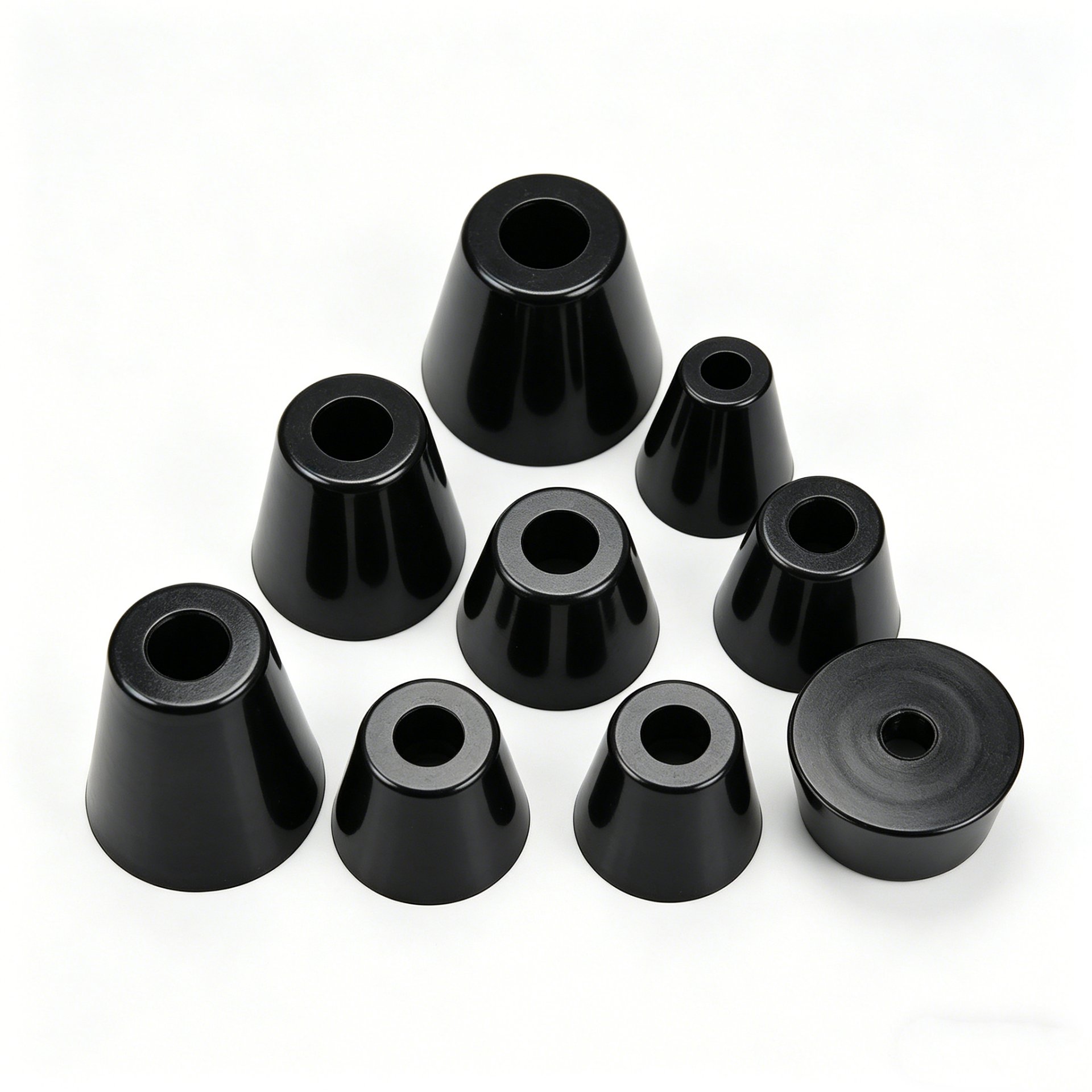
Vulcanization temperature and time affect final properties. Overcuring creates brittle materials. Undercuring produces weak bonds. We monitor these parameters continuously. Temperature sensors track curing profiles. Time controls ensure consistency.
Material mixing ratios must stay within tight tolerances. Rubber compound, fillers, and additives require precise measurement. Variations change dynamic properties. Batch testing confirms composition accuracy. We reject batches that fall outside specifications.
Mold design affects stress distribution in finished parts. Sharp corners create stress concentrations. Poor venting causes material defects. We design molds to minimize stress points. Flow analysis optimizes material distribution.
Quality control testing happens at multiple stages. Incoming materials get tested for properties. Work-in-process checks monitor manufacturing parameters. Finished products undergo performance testing11. This multi-stage approach prevents defective parts from reaching customers.
Traceability systems track materials from supplier to customer. Batch numbers link performance data to specific production runs. When issues arise, we can trace root causes quickly. This system enables rapid corrective actions.
Environmental controls in manufacturing areas prevent contamination. Temperature and humidity affect rubber properties. Clean rooms prevent foreign material inclusion. These controls ensure consistent quality.
How Do You Optimize Mounts for Specific Applications?
Application-specific design maximizes mount performance. Generic solutions rarely provide optimal results. Custom design considers operating conditions, load requirements, and environmental factors.
Custom mount design matches natural frequency, load capacity, and environmental resistance to specific application requirements. Proper sizing and material selection4 eliminate resonance problems and extend service life significantly.
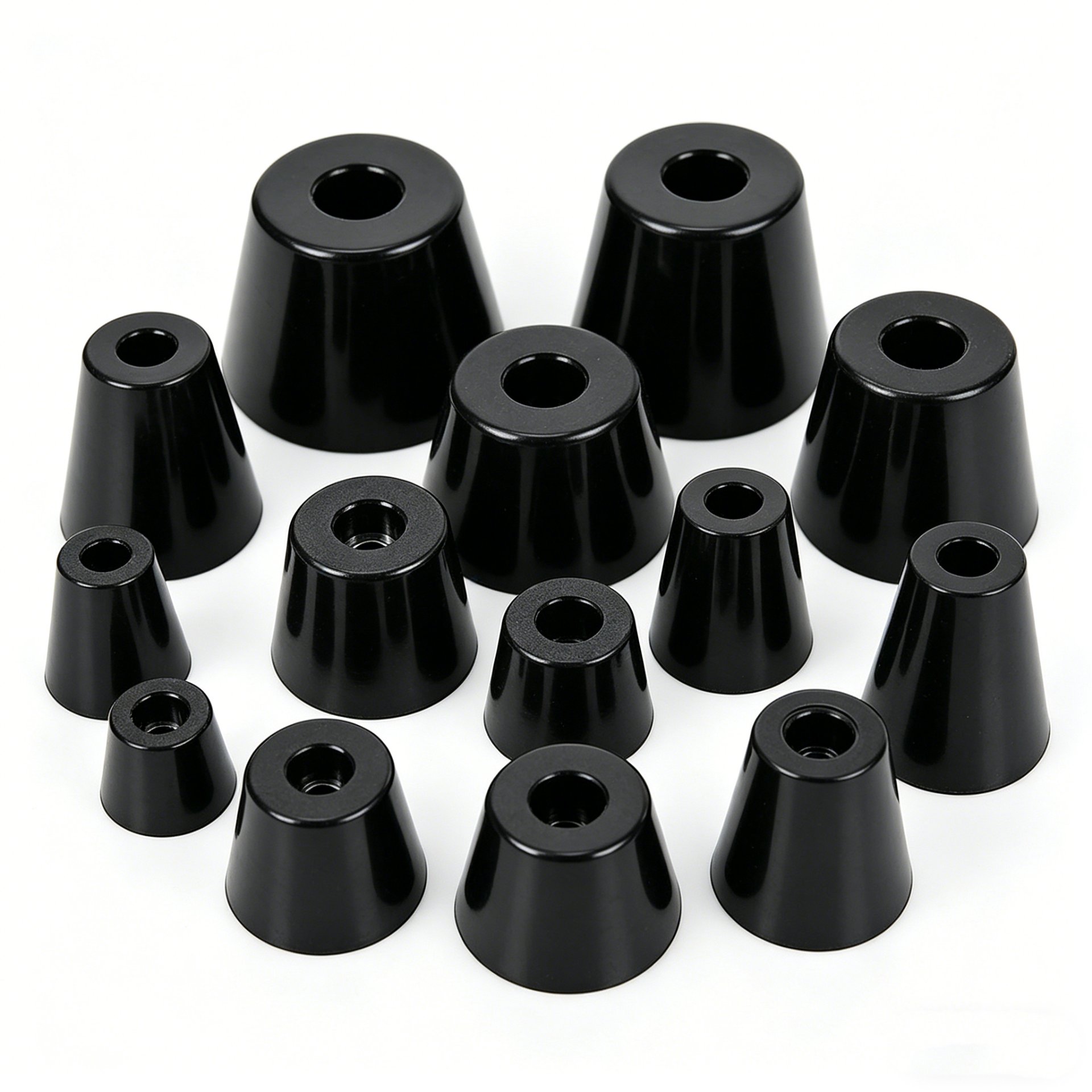
Frequency analysis identifies critical vibration ranges. Equipment generates specific frequencies during operation. Mounts must avoid resonance at these frequencies. We use vibration analysis to map frequency spectra. Design parameters target isolation effectiveness.
Load calculations determine mount size and quantity. Static loads from equipment weight are straightforward. Dynamic loads from operation forces require careful analysis. Safety factors account for load variations. Multiple mounts distribute loads evenly.
Environmental assessment guides material selection4. Temperature ranges, chemical exposure, and UV radiation affect material choice. Outdoor applications need weather resistance. Chemical plants require specific chemical compatibility. We match materials to environmental requirements.
Installation considerations affect mount design. Space constraints limit size options. Mounting hardware must suit application requirements. Adjustment mechanisms allow fine-tuning after installation. We provide detailed installation instructions.
Field testing validates design performance. Prototype mounts undergo real-world evaluation. Vibration measurements confirm isolation effectiveness. Long-term testing reveals durability issues. Design modifications address any problems found.
Technical support continues after installation. We monitor mount performance during initial operation. Adjustments optimize isolation effectiveness. Replacement schedules prevent unexpected failures. This ongoing support ensures long-term success.
Conclusion
Anti vibration mount success requires proper material selection4, manufacturing control, and application-specific design to prevent thermal aging3 failures.
Explore best practices to ensure your anti vibration mounts provide reliable protection and prevent machinery damage. ↩
Understanding dynamic stiffness is crucial for selecting materials that withstand operational stresses effectively. ↩
Learn about thermal aging to prevent premature failures in rubber materials used in machinery. ↩
Proper material selection is key to ensuring the longevity and effectiveness of anti vibration mounts. ↩
Discover how dynamic performance impacts the effectiveness of vibration control solutions. ↩
Understanding Shore hardness helps in selecting the right materials for vibration control applications. ↩
Learn how vibration frequency affects machinery performance and the selection of anti vibration mounts. ↩
Learn strategies for cost control to enhance the efficiency of vibration control systems. ↩
Discover the methods used in load testing to ensure the reliability of anti vibration mounts. ↩
Learn about the vulcanization process to understand its impact on the performance of rubber materials. ↩
Performance testing is essential for validating the effectiveness and reliability of rubber mounts. ↩