

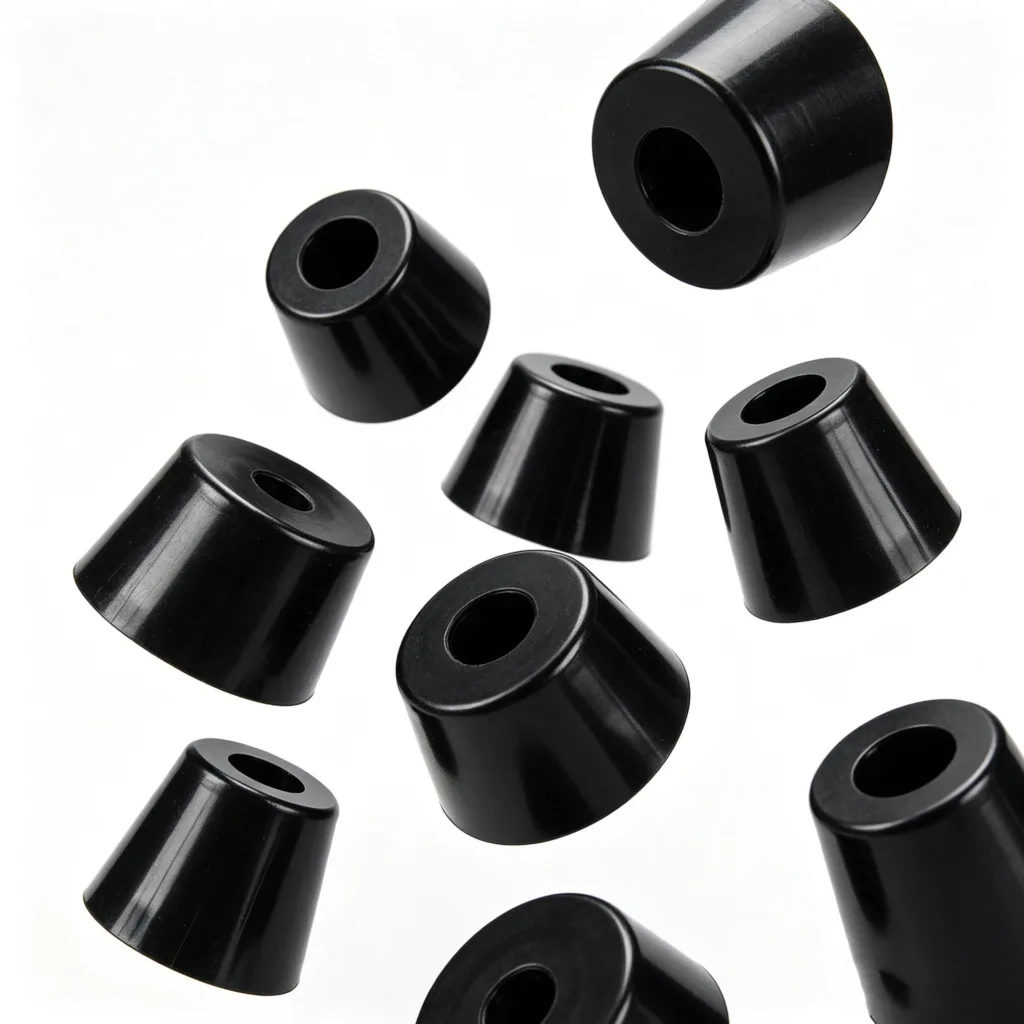
You've been burned by rubber parts that failed after months of perfect performance. The cost wasn't just replacement parts - it was downtime, lost production, and damaged reputation.
The right custom rubber company1 combines deep material expertise2 with rigorous long-term testing protocols3. They focus on chemical compatibility4 and aging behavior5, not just initial performance metrics, ensuring your parts perform consistently throughout their entire service life.
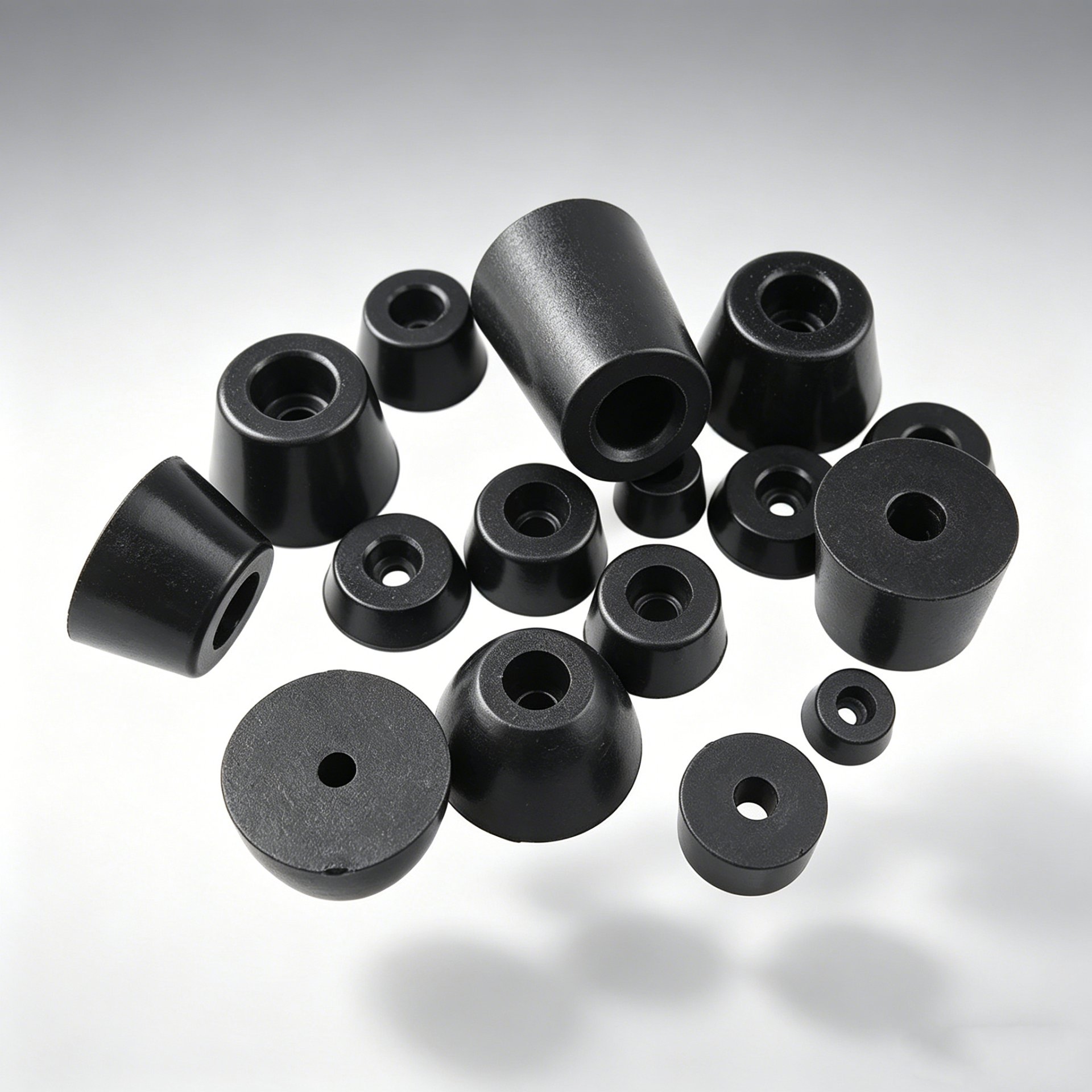
I've seen too many engineers make costly mistakes when selecting rubber suppliers. The difference between success and failure often comes down to understanding what separates a true manufacturing partner from a simple parts vendor.
What Makes Material Selection the Make-or-Break Factor?
Most engineers focus on the wrong metrics when choosing rubber materials. They test hardness, elasticity, and basic physical properties, then call it good.
Material compatibility with your specific environment determines long-term success more than any other factor. The wrong material choice leads to premature failure, unexpected downtime, and hidden replacement costs that can exceed initial part costs by 10x.
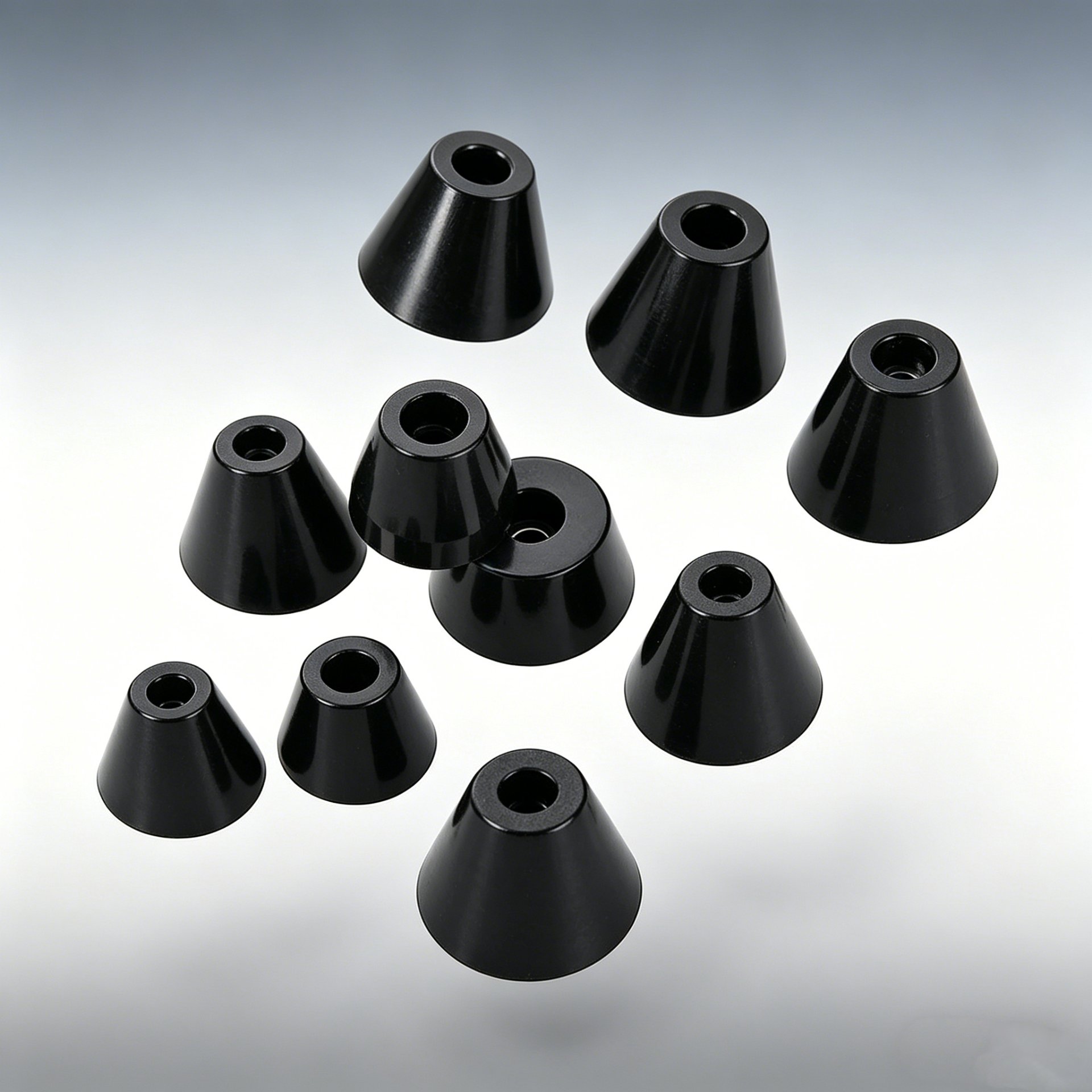
I learned this lesson the hard way early in my career. We had a client who needed gaskets for a chemical processing application. Initial samples passed all standard tests with flying colors. Six months later, their entire production line shut down when gaskets started cracking and leaking.
The problem wasn't obvious during short-term testing. The rubber material we selected had excellent initial properties but poor resistance to the specific chemical cocktail in their process. Over time, molecular degradation6 occurred at a microscopic level. By the time visible cracks appeared, internal damage was already severe.
Here's what I now know about material selection:
| Factor | Why It Matters | Common Oversight |
|---|---|---|
| Chemical Resistance | Prevents molecular degradation6 | Testing only with primary chemicals, ignoring secondary exposures |
| Temperature Cycling | Maintains flexibility across operating range | Using only steady-state temperature tests |
| Aging Characteristics | Predicts long-term performance | Relying on accelerated aging without real-world validation7 |
| Environmental Stress | Accounts for UV, ozone, and atmospheric exposure | Indoor lab testing without outdoor exposure simulation |
The key insight is that rubber behavior changes over time. A material that performs perfectly today might fail catastrophically in six months if you don't account for cumulative environmental stress8. Smart companies test for compatibility with every substance the rubber might encounter, not just the primary application medium.
Why Do Perfect Prototypes Sometimes Lead to Production Disasters?
The most dangerous scenario in custom rubber manufacturing is when everything looks perfect until it suddenly isn't. You get samples that exceed specifications. Production runs smoothly. Then three months later, parts start failing across your entire product line.
Hidden degradation processes can occur during normal operation without visible symptoms until catastrophic failure occurs. Proper testing protocols must simulate extended exposure conditions, not just initial performance requirements.
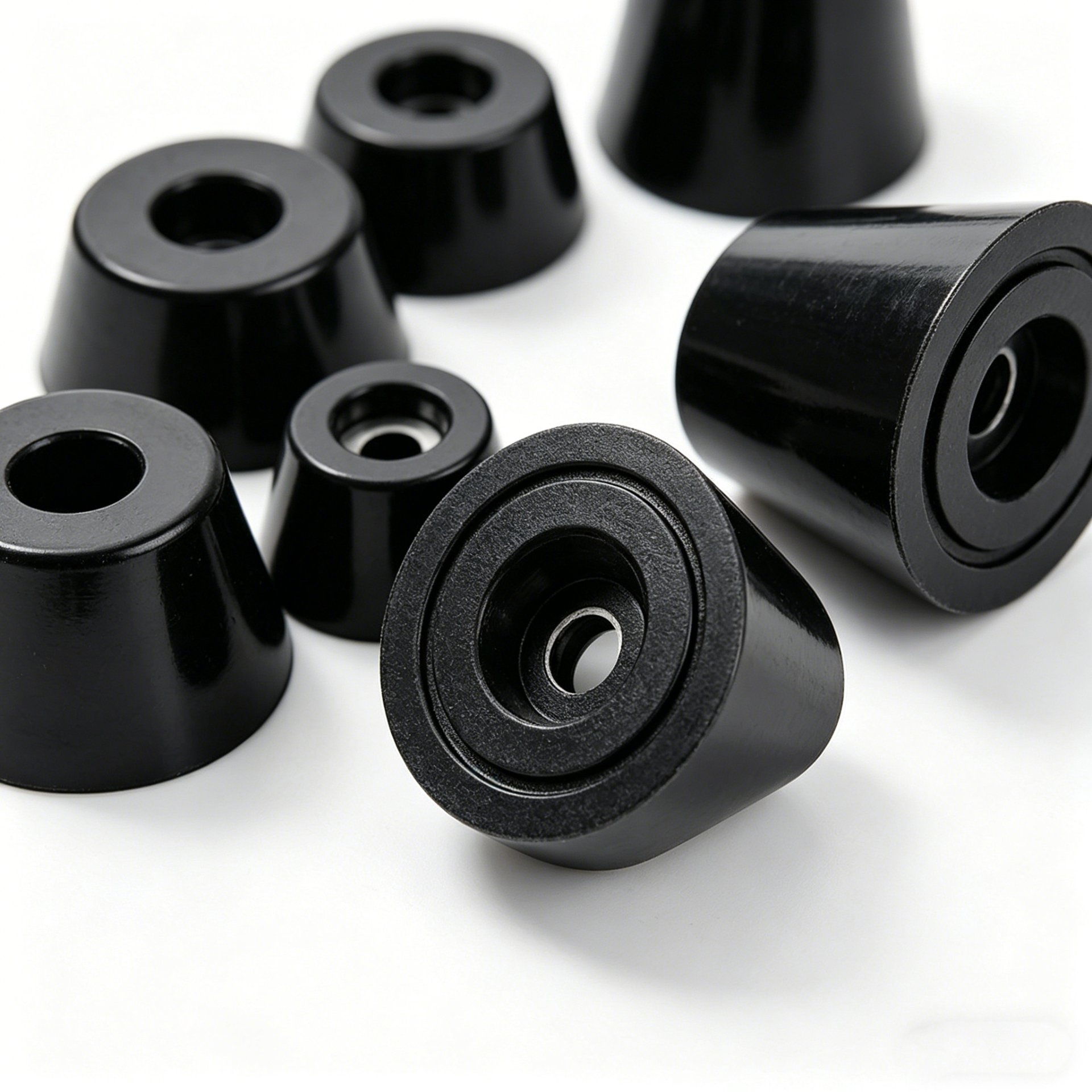
This happened to one of our automotive clients. They needed rubber mounts for engine applications. Our initial prototypes performed flawlessly in standard vibration and temperature tests. The client was so impressed they placed a large production order.
Four months into production, warranty claims started flooding in. Engine mounts were failing, causing excessive vibration and noise complaints. The failure pattern was puzzling - parts would work perfectly for weeks, then suddenly lose all damping capability.
Investigation revealed the root cause. While our material handled the primary stress factors well, we hadn't accounted for the cumulative effect of oil mist exposure combined with temperature cycling9. Over time, the rubber absorbed microscopic amounts of oil, which changed its molecular structure. The degradation was invisible until it reached a tipping point.
The solution required a complete material reformulation. We switched to a fluoroelastomer compound with superior chemical resistance and implemented extended exposure testing that simulated months of real-world conditions in days. The new parts have been running without issues for over two years now.
This experience taught me that prototype success means nothing without long-term validation. Real-world conditions are always more complex than laboratory simulations. Temperature doesn't stay constant. Chemical exposure varies. Mechanical stress patterns change. A good custom rubber company1 builds these variables into their testing from day one.
How Can Advanced Testing Prevent Costly Field Failures?
Standard testing protocols miss the complex interactions that cause real-world failures. Most companies run basic tests for hardness, tensile strength, and compression set, then assume they understand material performance.
Comprehensive testing must include long-term environmental simulation, chemical compatibility4 analysis, and accelerated aging under actual use conditions. This approach identifies potential failure modes before they occur in production applications.
Our testing protocol goes far beyond industry standards. We've invested in environmental chambers that can simulate years of exposure in weeks. Temperature cycling, UV exposure, chemical immersion, and mechanical stress testing all happen simultaneously.
Here's our current testing framework:
Phase 1: Material Characterization
- Basic physical properties (hardness, tensile, elongation)
- Chemical resistance matrix against all potential exposures
- Temperature performance across full operating range
- Initial compression set and recovery characteristics
Phase 2: Environmental Simulation
- Extended exposure testing with actual customer media
- Temperature cycling with realistic ramp rates and hold times
- UV and ozone exposure matching geographic deployment
- Mechanical fatigue testing with variable load patterns
Phase 3: Accelerated Aging
- High-temperature aging to predict long-term property changes
- Chemical immersion with periodic property monitoring
- Stress relaxation testing under constant deflection
- Migration testing for multi-material assemblies
Phase 4: Real-World Validation
- Field testing with actual customer applications
- Performance monitoring over extended periods
- Failure mode analysis when issues occur
- Continuous improvement based on field data
This comprehensive approach takes longer upfront but eliminates the risk of field failures. We catch problems in the lab that might not show up for months in actual use. The additional testing cost is minimal compared to the expense of field failures, warranty claims, and damaged relationships.
I remember working with a medical device manufacturer who needed seals for a new diagnostic instrument. Their previous supplier had delivered parts that met all specifications but failed after six months due to stress cracking. Our extended testing revealed that their application created unique stress concentrations that weren't captured in standard tests. We modified both the material formulation and the seal geometry to eliminate stress risers. The result was a component that has performed flawlessly for over three years in demanding clinical environments.
What Manufacturing Controls Ensure Consistent Quality?
Even perfect materials and designs can fail if manufacturing processes aren't properly controlled. Rubber processing involves complex chemical reactions, precise temperature control, and careful timing. Small variations can create significant performance differences.
Manufacturing consistency requires advanced process controls, real-time monitoring, and comprehensive quality systems. Every batch must meet identical specifications regardless of production variables like ambient conditions or operator changes.
Our manufacturing approach centers on eliminating variability at every step. We've implemented statistical process control throughout our operations, with real-time monitoring of critical parameters.
Compound Preparation Controls:
- Automated weighing systems with 0.1% accuracy
- Mixing time and temperature monitoring with automatic adjustments
- Batch-to-batch consistency verification through rheometer testing
- Complete traceability from raw materials to finished parts
Molding Process Controls:
- Precision temperature control within ±2°C across all zones
- Hydraulic pressure monitoring with automatic compensation
- Cure time optimization based on real-time crosslink monitoring
- Dimensional verification using coordinate measuring machines
Quality Assurance Systems:
- Statistical sampling plans based on critical characteristics
- Automated testing equipment for consistent measurements
- Complete documentation packages with every shipment
- Continuous improvement programs based on customer feedback
The difference this makes is dramatic. Before implementing these controls, we had batch-to-batch variation of up to 15% in key properties. Now we maintain consistency within 3% across all production runs. This level of control means customers can count on identical performance from every part, regardless of when it was manufactured.
I've seen what happens when manufacturing controls are inadequate. A client once received a batch of gaskets where half performed perfectly and half leaked from day one. Investigation showed that the supplier's mixing process was inconsistent, creating areas of under-cure and over-cure within the same batch. The resulting property variations made some parts too soft and others too brittle. Proper process controls would have prevented this entirely.
How Do You Find a Partner Who Understands Your Specific Needs?
The best custom rubber companies don't just manufacture parts - they solve problems. They invest time understanding your application, your challenges, and your long-term goals. They become an extension of your engineering team.
True partnership requires deep application knowledge, proactive communication, and commitment to continuous improvement10. The right supplier anticipates problems, suggests improvements, and stands behind their recommendations with comprehensive support.
Real partnership starts with the first conversation. When a potential client contacts us, we don't jump straight to pricing and lead times. We ask questions about their application, their current challenges, and their performance requirements. We want to understand not just what they need today, but where their product is heading in the future.
Our partnership approach includes:
Application Engineering Support:
- Joint design reviews with your engineering team
- Material selection optimization for your specific requirements
- Design for manufacturability guidance to reduce costs
- Performance prediction modeling for new applications
Ongoing Technical Support:
- Regular performance reviews with field data analysis
- Proactive recommendations for improvements or cost reductions
- Rapid response to any performance issues or questions
- Access to our engineering team throughout the product lifecycle
Supply Chain Integration:
- Flexible scheduling to match your production requirements
- Inventory management programs to ensure availability
- Global logistics coordination for multi-site operations
- Transparent communication about any potential issues
Continuous Improvement:
- Regular technology updates and new material options
- Cost reduction initiatives based on volume and design optimization
- Quality improvements based on field performance data
- Innovation partnerships for next-generation products
This level of partnership creates real value beyond just supplying parts. We become invested in your success because your success drives our growth. When problems arise, we solve them together. When opportunities emerge, we help you capitalize on them.
One of our longest relationships started over ten years ago with a simple gasket order. Today, we work with that client on product development, supply chain optimization, and cost reduction initiatives11. We've helped them enter new markets, improve product reliability, and reduce total cost of ownership. That's what real partnership looks like.
Conclusion
The right custom rubber company1 combines material expertise2, comprehensive testing, manufacturing excellence, and true partnership to ensure your success. Choose a supplier who understands that their job isn't just making parts - it's solving your problems and supporting your growth.
Explore top custom rubber companies that offer tailored solutions and expertise for your engineering needs. ↩
Learn why material expertise is crucial for ensuring the longevity and performance of rubber components. ↩
Find out about testing protocols that ensure rubber materials perform consistently over their service life. ↩
Understanding chemical compatibility can prevent costly failures in rubber applications. ↩
Discover how aging behavior impacts the reliability of rubber parts over time. ↩
Explore the factors leading to molecular degradation and how to prevent it. ↩
Discover the significance of real-world validation in ensuring rubber parts meet performance expectations. ↩
Understand the impact of environmental stress on rubber performance and longevity. ↩
Learn about temperature cycling and its importance in maintaining rubber flexibility. ↩
Learn about continuous improvement practices that drive innovation in rubber manufacturing. ↩
Explore strategies for reducing costs while maintaining quality in rubber production. ↩