

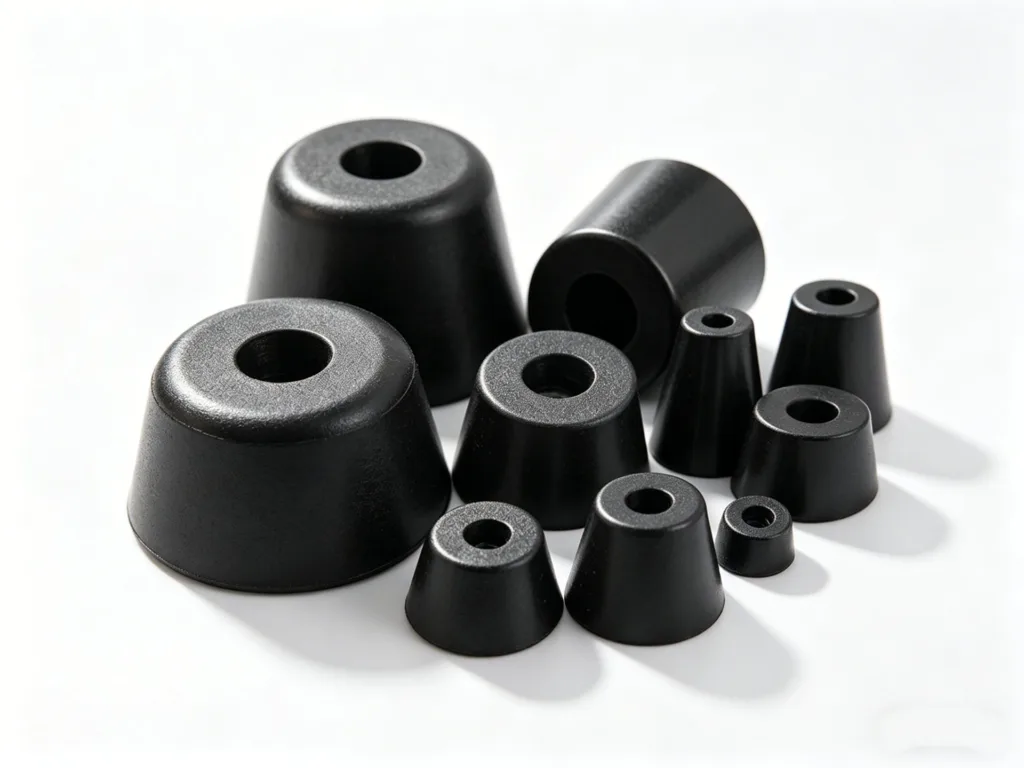
Machine vibrations destroy precision and shorten equipment life. You need mounts that handle both static loads and dynamic shocks.
Anti-vibration machine mounts1 must balance static load capacity2 with dynamic shock absorption3. The key is choosing materials that maintain elasticity under continuous vibration while preventing fatigue failure4 over months of operation.
I have seen too many projects fail because engineers focus only on initial performance. The real challenge starts after three months of continuous operation.
Why Do Most Engineers Miss the Critical Material Selection Factor?
You probably choose mounts based on static load ratings. This approach leads to expensive failures later.
Material selection requires matching both static and dynamic properties5. Many rubber compounds perform well under steady loads but fail when subjected to continuous vibration cycles, causing premature wear and loss of isolation effectiveness.
The fundamental issue lies in understanding how materials behave differently under static versus dynamic conditions. When I work with clients, I often find they have selected mounts based purely on weight capacity specifications. This approach ignores the crucial dynamic response characteristics.
Static load capacity tells you how much weight the mount can support without deformation. Dynamic properties determine how the material responds to vibration frequencies, shock impacts, and cyclic loading. Natural rubber maintains excellent elasticity under repeated stress cycles. EPDM6 offers superior weather resistance but may stiffen over time under certain vibration frequencies. NBR7 provides oil resistance but can lose flexibility in cold environments.
The material's dynamic modulus8 changes with temperature and frequency. A mount that works perfectly at room temperature may become too stiff in winter or too soft in summer heat. Frequency response varies dramatically between materials. Some compounds excel at isolating high-frequency vibrations but transmit low-frequency shocks. Others do the opposite.
| Material Type | Static Load Rating | Dynamic Response | Temperature Range | Frequency Range |
|---|---|---|---|---|
| Natural Rubber | Excellent | Superior elasticity | -40°C to 80°C | 5-500 Hz |
| EPDM6 | Good | Stable performance | -50°C to 120°C | 10-200 Hz |
| NBR7 | Excellent | Oil resistant | -30°C to 100°C | 15-300 Hz |
What Hidden Failure Mode Destroys Machine Mounts After Three Months?
Your mounts pass initial testing but fail catastrophically during normal operation. This pattern reveals the industry's most expensive hidden trap.
Fatigue failure occurs when materials degrade under continuous cyclic loading, even at stress levels below their static failure point. Rubber compounds lose elasticity and develop micro-cracks that eventually cause complete isolation failure.
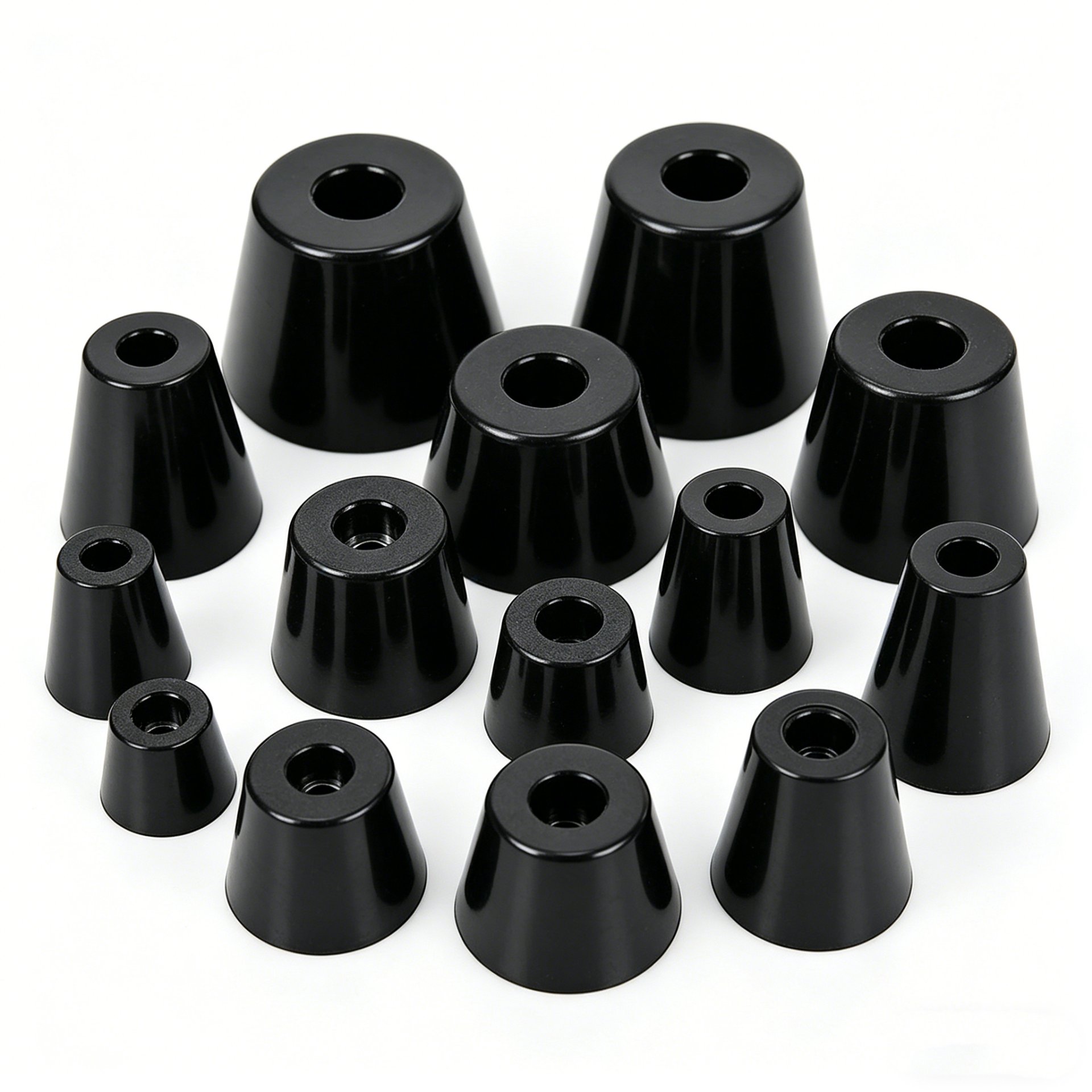
I have witnessed this scenario countless times. The project starts successfully. Sample testing shows perfect vibration isolation. The machine operates smoothly for weeks. Then suddenly, vibration levels spike. Equipment accuracy drops. Maintenance teams discover cracked or hardened mounts.
The root cause is fatigue failure4 under cyclic loading. Every vibration cycle creates microscopic stress within the rubber matrix. Initially, the material recovers completely between cycles. Over time, these repeated stresses accumulate damage. The polymer chains begin breaking down. Cross-links deteriorate. The material loses its elastic memory.
This process accelerates under certain conditions. High ambient temperatures increase the chemical reaction rates that break down polymer structures. Ozone exposure attacks rubber compounds, creating surface cracks that propagate inward. Oil contamination can cause swelling or chemical degradation depending on the base material.
The failure progression follows a predictable pattern. First, you notice slight increases in transmitted vibration. The isolation effectiveness gradually decreases. Surface inspection may reveal hairline cracks or changes in surface texture. The material becomes harder or softer than original specifications. Finally, visible cracking or complete separation occurs.
Frequency matching plays a critical role in fatigue development. When the machine's operating frequency approaches the mount's natural frequency, resonance amplifies the stress cycles. This condition accelerates fatigue damage significantly. Even small frequency overlaps can reduce mount life from years to months.
How Do You Prevent Long-Term Mount Failure Through Smart Material Selection?
Smart material selection9 requires understanding both immediate performance and long-term durability characteristics. You need systematic approaches to avoid costly failures.
Select materials with proven fatigue resistance10 and dynamic stability. Natural rubber and high-performance synthetic compounds maintain elasticity under continuous vibration. Avoid low-grade materials that lose properties quickly under cyclic loading.
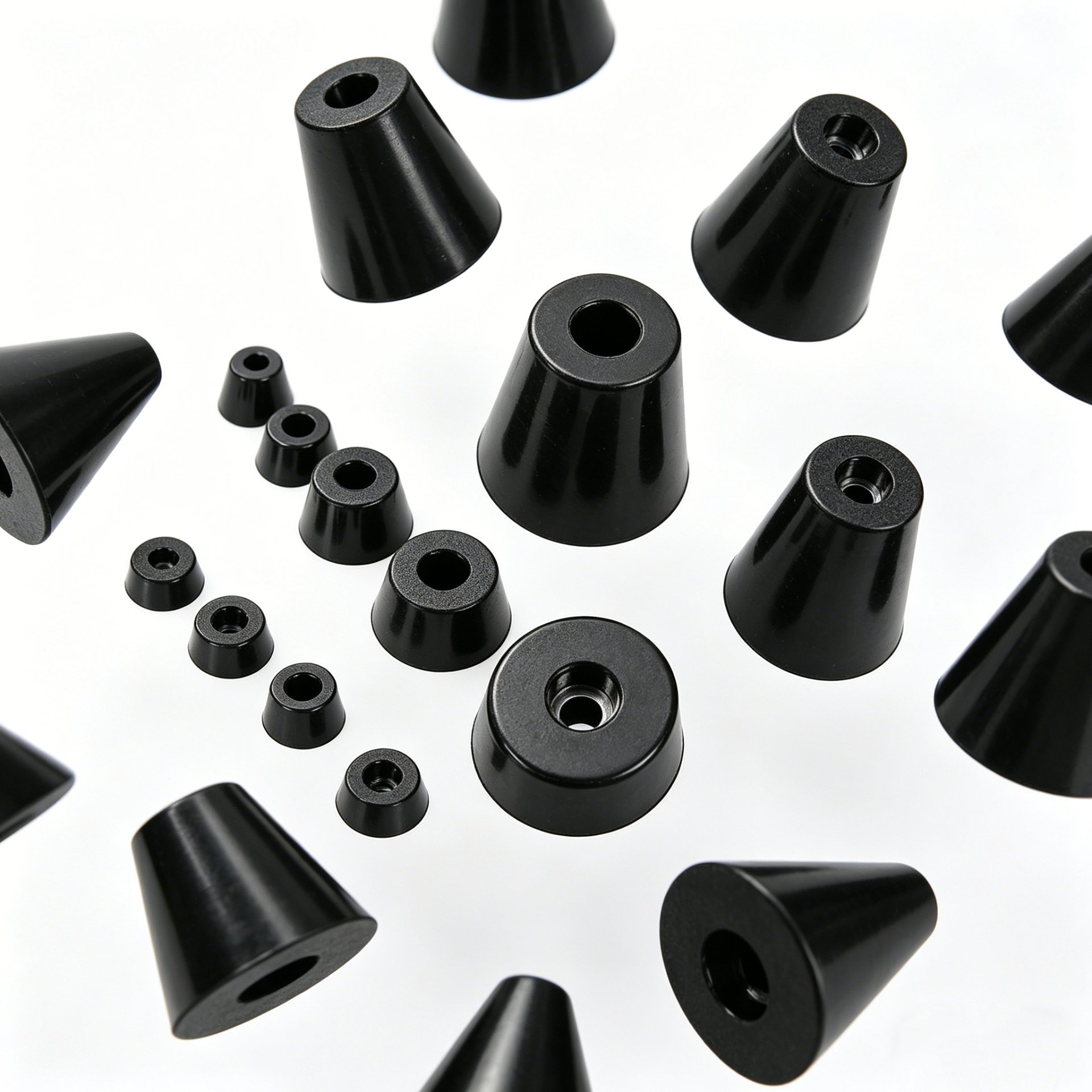
Material selection starts with understanding your specific operating conditions. I recommend documenting the complete vibration profile including frequency ranges, amplitude levels, temperature variations, and environmental exposures. This information guides proper material matching.
Natural rubber provides excellent fatigue resistance10 and maintains consistent properties over millions of cycles. The polymer structure recovers well from deformation and resists crack propagation. However, it requires protection from ozone and UV exposure in outdoor applications.
High-performance synthetic compounds offer enhanced durability in demanding environments. Silicone maintains flexibility across extreme temperature ranges but may have lower load capacity. Polyurethane provides excellent abrasion resistance and high load capacity but can be sensitive to hydrolysis in humid conditions.
Design optimization multiplies material performance benefits. Proper geometry distributes stresses evenly throughout the mount structure. Adequate contact area prevents pressure concentration that accelerates wear. Multi-layer designs combine different materials to optimize both static support and dynamic isolation.
The outer layer handles environmental protection and provides the primary isolation interface. Inner cores can use different materials optimized for load bearing or specific frequency ranges. This approach allows fine-tuning of performance characteristics without compromising durability.
Testing requirements must include dynamic fatigue validation. Static compression tests only verify load capacity. Dynamic testing simulates actual operating conditions over extended periods. Accelerated aging tests reveal how materials change over time under various environmental conditions.
| Design Feature | Benefit | Implementation |
|---|---|---|
| Multi-layer construction | Optimized performance | Different materials for each layer |
| Stress distribution geometry | Even load spreading | Proper contact area sizing |
| Environmental protection | Extended service life | Protective coatings or covers |
What Testing Protocol Ensures Reliable Long-Term Performance?
Standard testing misses critical failure modes that appear during extended operation. Comprehensive validation requires specific protocols that simulate real-world conditions.
Dynamic fatigue testing must simulate continuous vibration cycles over extended periods. Test protocols should include temperature cycling11, environmental exposure, and frequency sweeps to validate long-term stability under actual operating conditions.
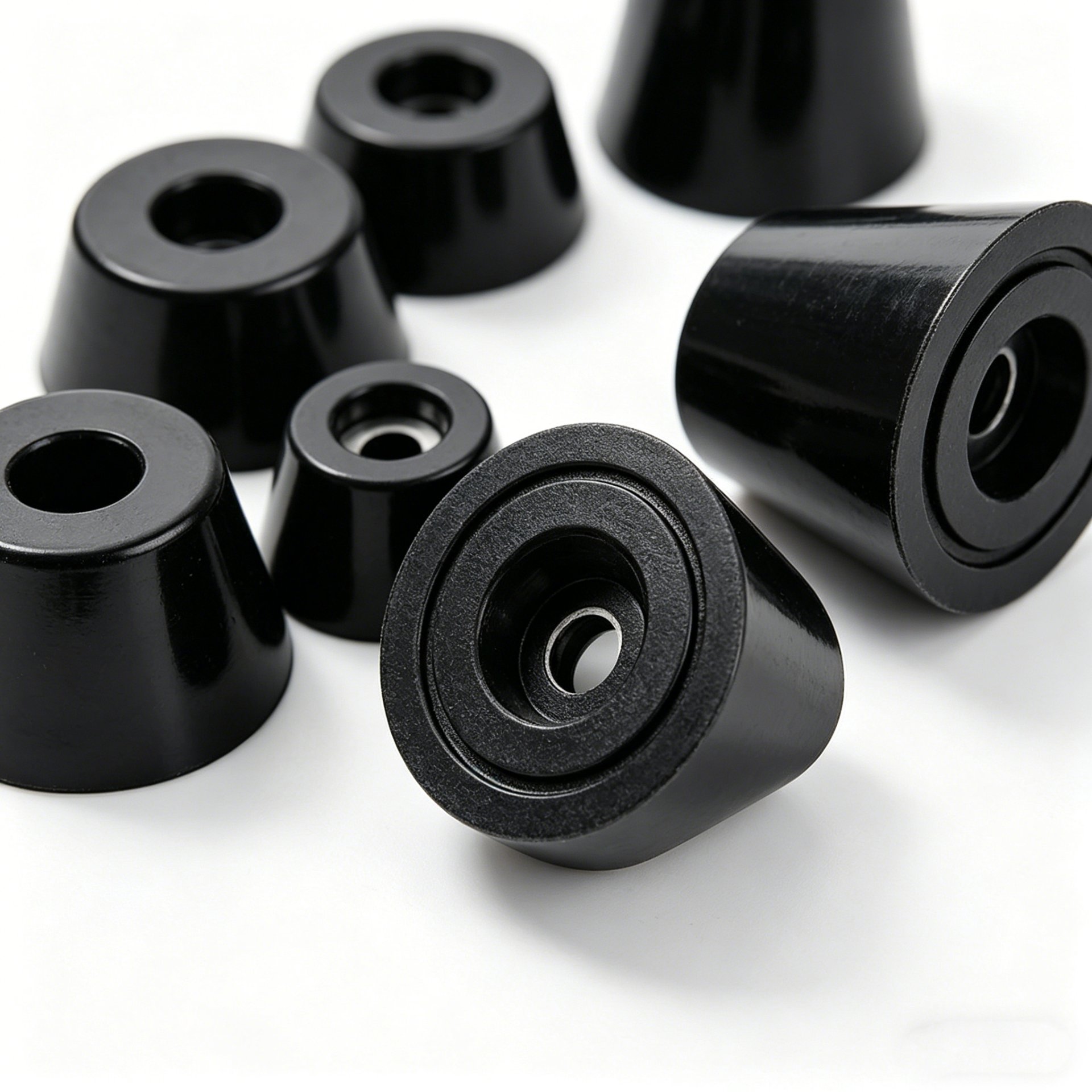
Effective testing begins with establishing realistic operating parameters. I work with clients to document actual machine vibration signatures using accelerometers and frequency analysis equipment. This data creates the foundation for meaningful test protocols.
Dynamic testing must include multiple stress factors simultaneously. Temperature cycling while under vibration stress reveals thermal fatigue effects. Chemical exposure testing validates resistance to oils, solvents, or cleaning agents present in the operating environment. UV exposure testing prevents degradation in outdoor installations.
Frequency sweep testing identifies resonance points12 and validates isolation effectiveness across the entire operating range. Many failures occur when machines operate at frequencies near the mount's natural frequency. Comprehensive testing reveals these critical frequency ranges.
Accelerated aging protocols compress months of service into weeks of testing. Elevated temperature testing accelerates chemical aging processes. Increased vibration amplitudes stress the material beyond normal operating levels. Continuous cycling eliminates rest periods that allow material recovery.
Load testing must include both static and dynamic components. Static compression verifies basic load capacity. Dynamic compression simulates the varying loads during machine operation. Shear testing validates performance under side loads or machine movement.
Documentation requirements include complete test data packages with before and after measurements. Material property changes over the test period indicate expected service life. Failure mode analysis identifies potential weak points in the design.
Real-world validation requires field testing13 under actual operating conditions. Laboratory testing cannot replicate every environmental factor or operating variable. Field trials provide final validation of theoretical predictions and laboratory results.
Conclusion
Successful anti-vibration mounts require materials that maintain performance under continuous dynamic loading while resisting fatigue failure4 over extended service periods.
Explore this link to discover top-rated anti-vibration mounts that enhance equipment longevity and performance. ↩
Understanding static load capacity is crucial for selecting the right mounts; this resource provides detailed insights. ↩
Learn about dynamic shock absorption and its importance in preventing equipment damage. ↩
Discover the causes of fatigue failure and how to prevent it for better mount performance. ↩
Understanding dynamic properties is key to selecting effective mounts; this resource explains them thoroughly. ↩
Learn about EPDM's properties and its applications in enhancing mount durability. ↩
This resource details NBR's unique properties and its role in effective vibration isolation. ↩
Understanding dynamic modulus is essential for material selection; this link provides valuable insights. ↩
This link offers expert advice on material selection to ensure optimal performance and durability. ↩
Discover materials with superior fatigue resistance to enhance the longevity of your mounts. ↩
This resource explains the effects of temperature cycling on material performance and durability. ↩
Explore how resonance points can impact mount performance and lead to failures. ↩
Discover the importance of field testing in ensuring that mounts perform as expected in real-world conditions. ↩