

You're facing equipment vibration issues, noise problems, or stability concerns. Your current mounting solution isn't working. You need reliable rubber isolator mounts.
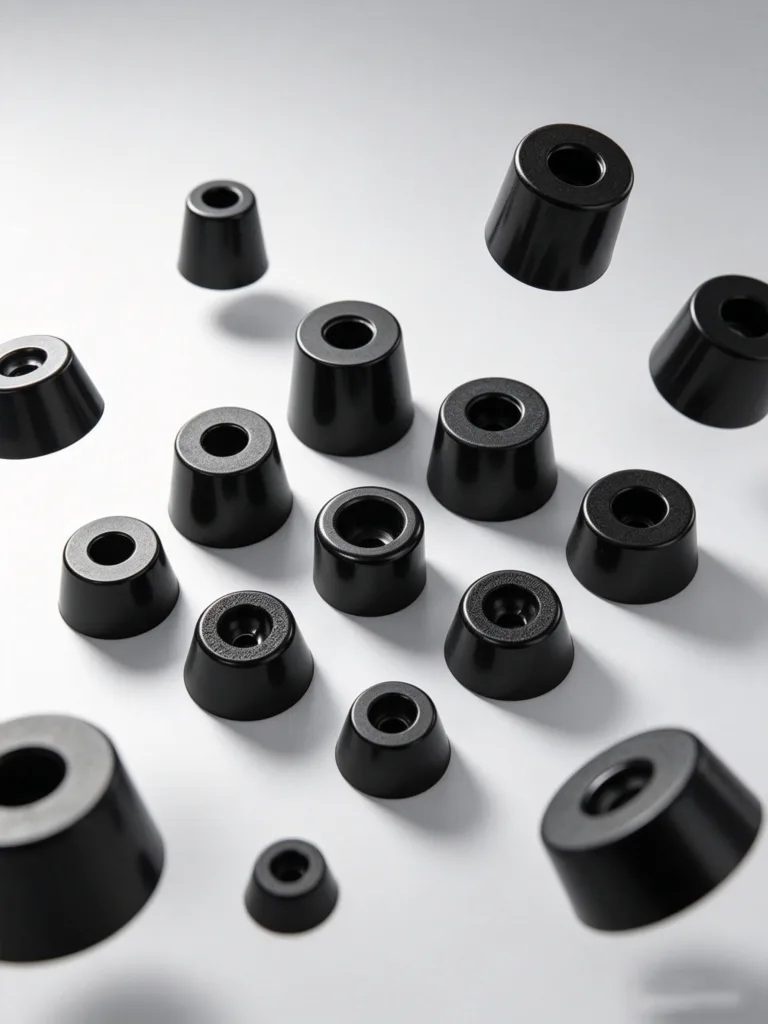
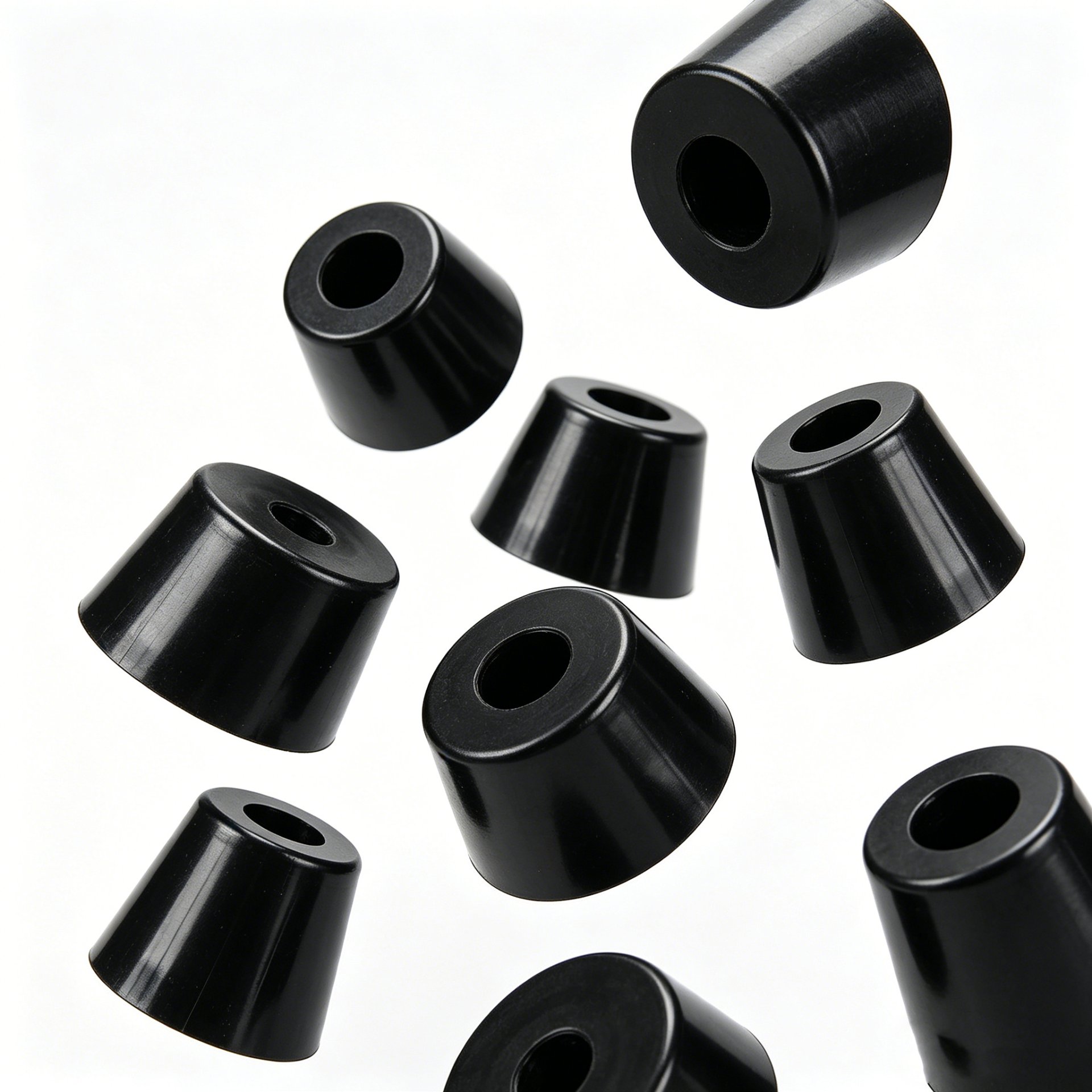
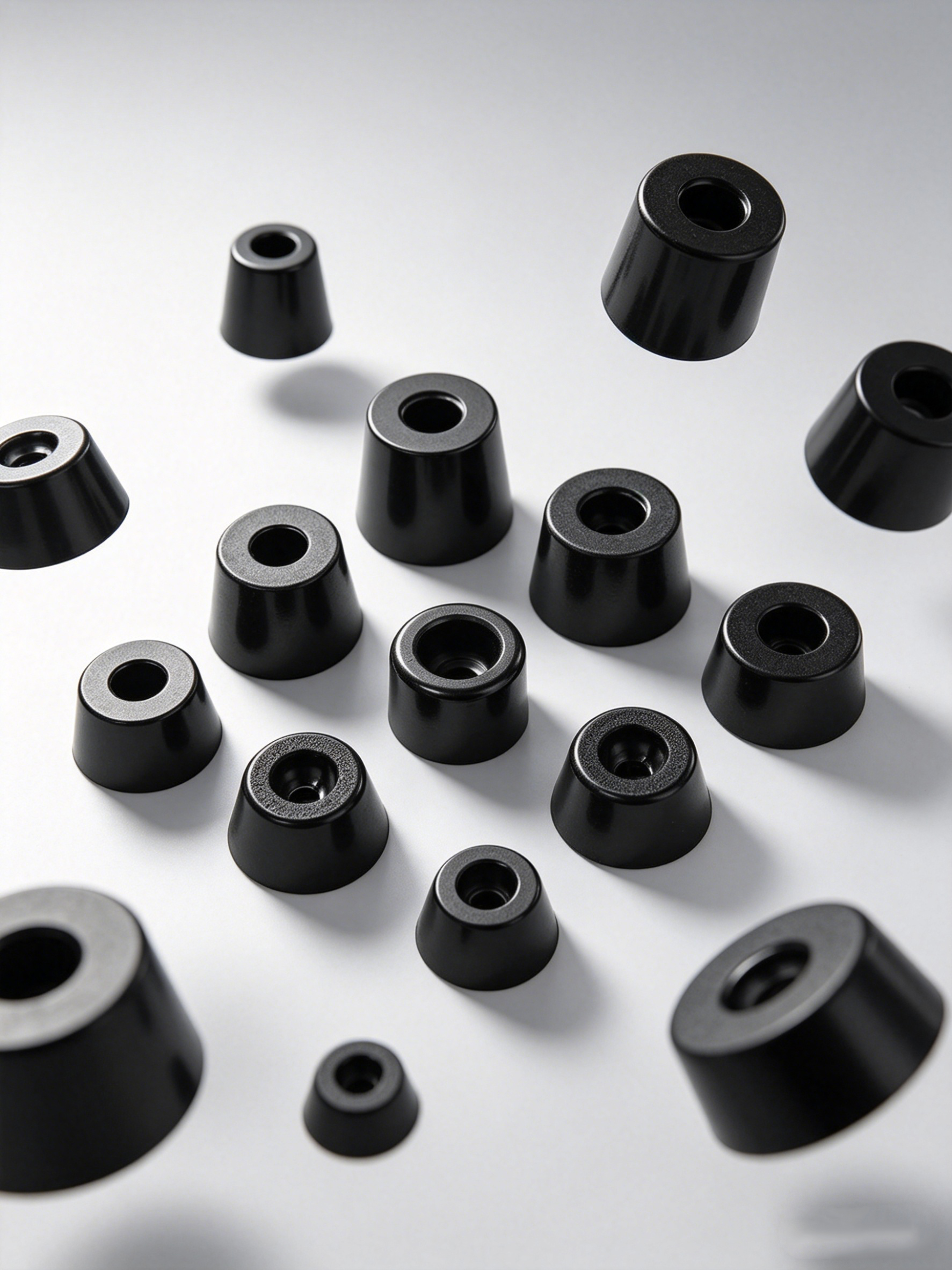
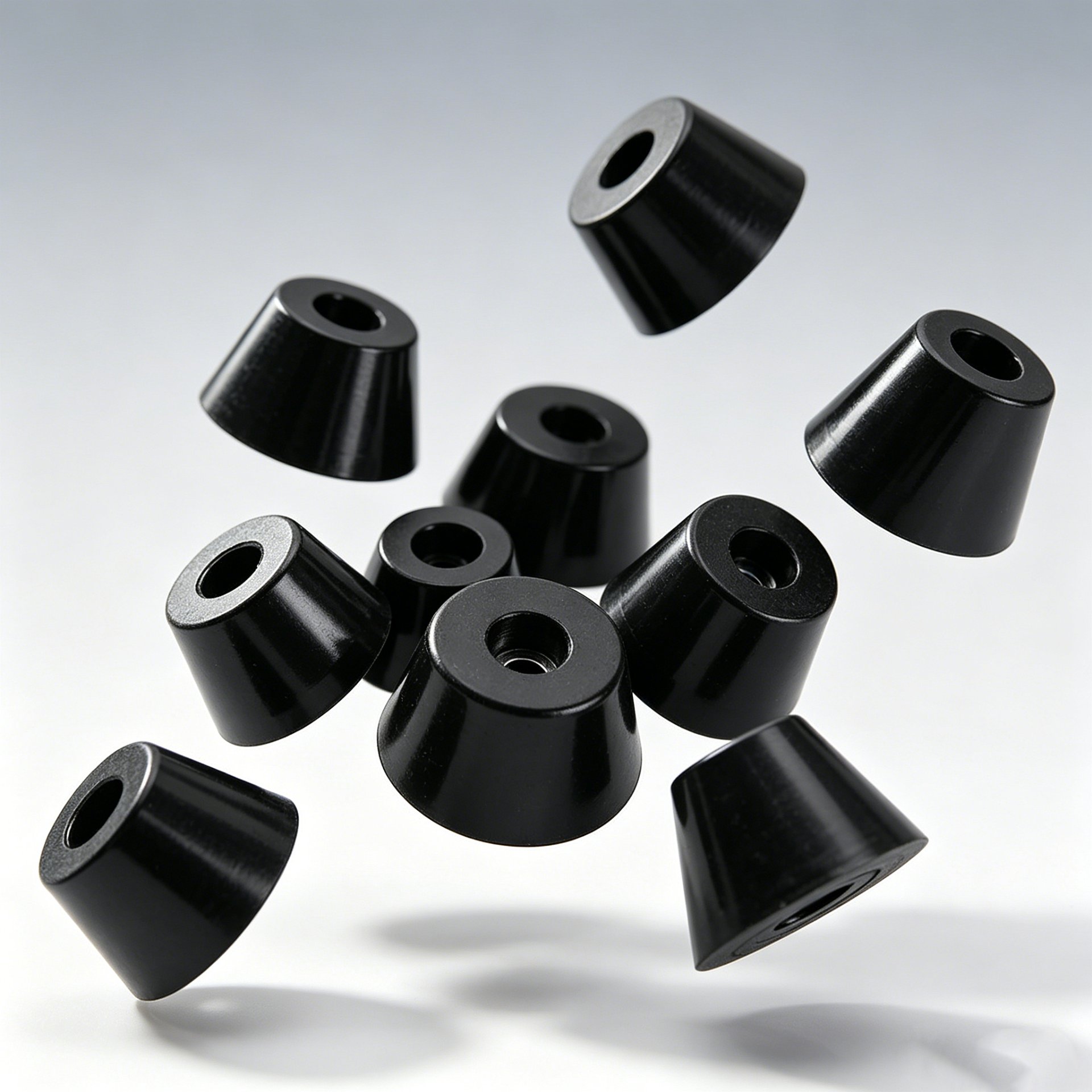
Rubber isolator mounts1 are specialized rubber components designed to reduce vibration, absorb shock, and isolate equipment from structural transmission of noise and movement. They provide critical support while minimizing mechanical stress transfer between connected systems.
After 27 years in rubber manufacturing, I've seen countless projects fail because teams overlooked one critical factor. Let me share what really matters when selecting rubber isolator mounts.
What Makes Compression Set the Hidden Killer in Mount Selection?
Many engineers focus on initial performance specs. They test load capacity, measure vibration dampening, check installation fit. Everything looks perfect during evaluation.
Compression set2 refers to the permanent deformation that occurs when rubber materials remain under constant load over time. Poor compression set resistance leads to mount failure, reduced isolation effectiveness, and potential equipment damage.
This issue becomes critical because most testing happens under short-term conditions. Your samples perform beautifully in the lab. All data meets requirements. The project moves forward smoothly.
Then reality hits. Three months after installation, the rubber mounts start showing problems. The equipment begins vibrating again. Noise levels increase. You discover the mounts have permanently compressed under continuous load.
The root cause traces back to material selection. Teams often choose rubber compounds based on initial hardness and basic performance metrics. They miss the long-term behavior under sustained stress. Lower quality rubbers lose their elasticity over time. The spring-back effect diminishes. Support effectiveness drops dramatically.
I've worked with clients who faced this exact scenario. One automotive manufacturer selected mounts that tested perfectly for engine isolation. Six months later, their production line experienced increased vibration transmission. The rubber had compressed by 40% of its original thickness. They needed complete replacement and production downtime.
The solution requires understanding material science fundamentals. Different rubber compounds respond differently to prolonged compression. Natural rubber offers excellent elasticity but poor aging resistance. EPDM provides better weather resistance but may show higher compression set under extreme loads. Silicone maintains flexibility across temperature ranges but requires careful formulation for load-bearing applications.
How Do Environmental Factors Create Invisible Mount Failures?
Your testing environment rarely matches real-world conditions. Laboratory settings use controlled temperature, humidity, and exposure parameters. Actual installations face temperature cycling, moisture exposure, chemical contact, and UV radiation.
Environmental aging3 in rubber mounts involves molecular chain degradation, cross-linking changes, and plasticizer migration that reduce elasticity and increase brittleness over time. These changes often remain invisible until catastrophic failure occurs.
I remember a client in the HVAC industry who experienced this firsthand. Their outdoor equipment mounts performed flawlessly during indoor testing. The rubber showed excellent vibration isolation and load capacity. Installation proceeded on schedule across multiple rooftop units.
Eighteen months later, service calls started flooding in. The mounts were cracking around the mounting holes. Some had completely separated from their metal inserts. Investigation revealed that daily temperature cycling between -10°C and 50°C had caused thermal stress fatigue. The rubber compound couldn't handle the expansion and contraction cycles.
The hidden danger lies in gradual degradation. Unlike mechanical failures that happen suddenly, environmental aging progresses slowly. Visual inspection might not reveal internal molecular changes. The mount continues functioning until stress concentration reaches critical levels.
Material selection4 becomes crucial here. Standard nitrile rubber works well for moderate conditions but degrades rapidly under UV exposure5. Silicone rubber6 maintains flexibility across extreme temperatures but may require reinforcement for high-load applications. Fluoroelastomers7 offer superior chemical resistance but come with higher costs.
Environmental testing8 protocols must simulate real conditions. Accelerated aging tests using elevated temperature and humidity can predict long-term performance. UV exposure5 chambers reveal photo-degradation susceptibility. Ozone resistance9 testing identifies cracking potential under atmospheric exposure.
| Environmental Factor | Test Method | Typical Duration | Critical Parameters |
|---|---|---|---|
| Temperature Cycling | ASTM D1052 | 1000 cycles | -40°C to 100°C range |
| UV Exposure | ASTM G154 | 2000 hours | 340nm wavelength |
| Ozone Resistance | ASTM D1149 | 168 hours | 50 pphm concentration |
| Humidity Aging | ASTM D573 | 1000 hours | 85°C, 85% RH |
Why Does Material Selection Determine Long-Term Mount Reliability?
The rubber compound directly impacts mount performance throughout its service life. Many teams focus on mechanical properties like hardness and tensile strength. They overlook chemical composition effects on aging behavior and environmental resistance.
Material selection4 for rubber isolator mounts involves balancing mechanical properties, environmental resistance, and cost considerations while ensuring long-term performance stability under specific application conditions.
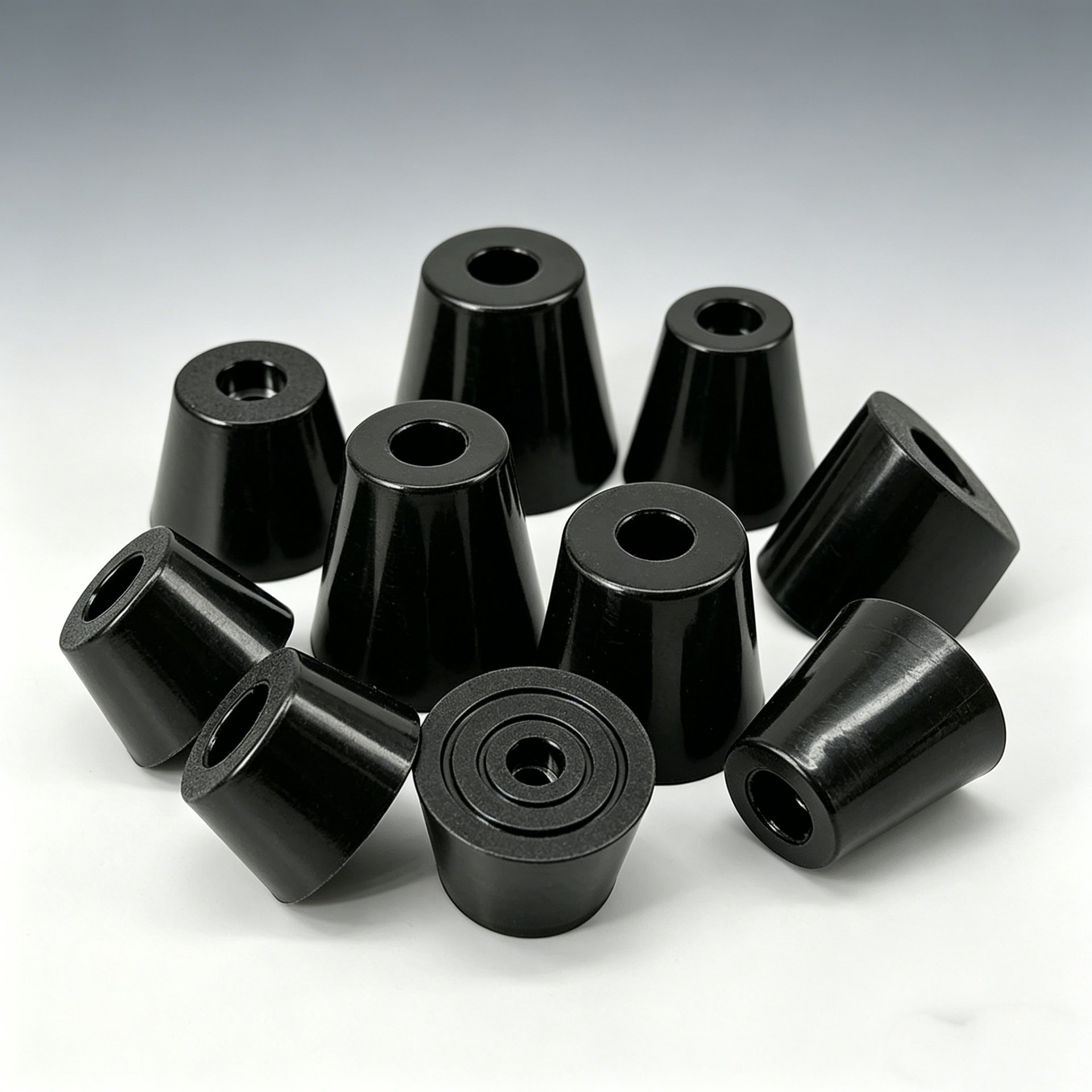
Natural rubber provides excellent elasticity and low compression set. It offers superior vibration isolation for indoor applications with moderate temperature ranges. However, it degrades rapidly under ozone exposure and shows poor resistance to oils and chemicals.
EPDM rubber delivers outstanding weather resistance and ozone stability. It maintains properties across wide temperature ranges from -40°C to 120°C. The material resists UV degradation and performs well in outdoor applications. Compression set2 resistance varies with formulation quality.
Nitrile rubber10 excels in oil and fuel resistance applications. It provides good mechanical properties and moderate temperature capability. However, it shows limited low-temperature flexibility and poor ozone resistance without protective additives.
Silicone rubber6 offers exceptional temperature stability from -60°C to 200°C. It maintains flexibility across this entire range while providing excellent ozone and UV resistance. The material shows good electrical insulation properties. Mechanical strength remains lower than other elastomers.
Fluoroelastomers7 deliver superior chemical resistance and high-temperature capability. They resist aggressive chemicals, fuels, and hydraulic fluids. Temperature range extends from -20°C to 250°C. Cost significantly exceeds other options.
Compound formulation affects performance as much as base polymer selection. Filler types and loading levels influence hardness, compression set, and aging resistance. Antioxidants and stabilizers protect against environmental degradation. Plasticizers affect low-temperature flexibility but may migrate over time.
Quality control11 during manufacturing ensures consistent properties. Mixing procedures must achieve uniform dispersion of additives. Curing conditions affect cross-link density and final properties. Post-cure treatments can improve compression set resistance.
What Manufacturing Standards Ensure Consistent Mount Performance?
Production consistency determines whether your mounts perform reliably across different batches and installation dates. Variations in mixing, molding, or curing can create performance differences that appear months after installation.
Manufacturing standards for rubber isolator mounts encompass raw material control, process parameters, quality testing, and traceability systems that ensure each component meets specified performance requirements consistently.
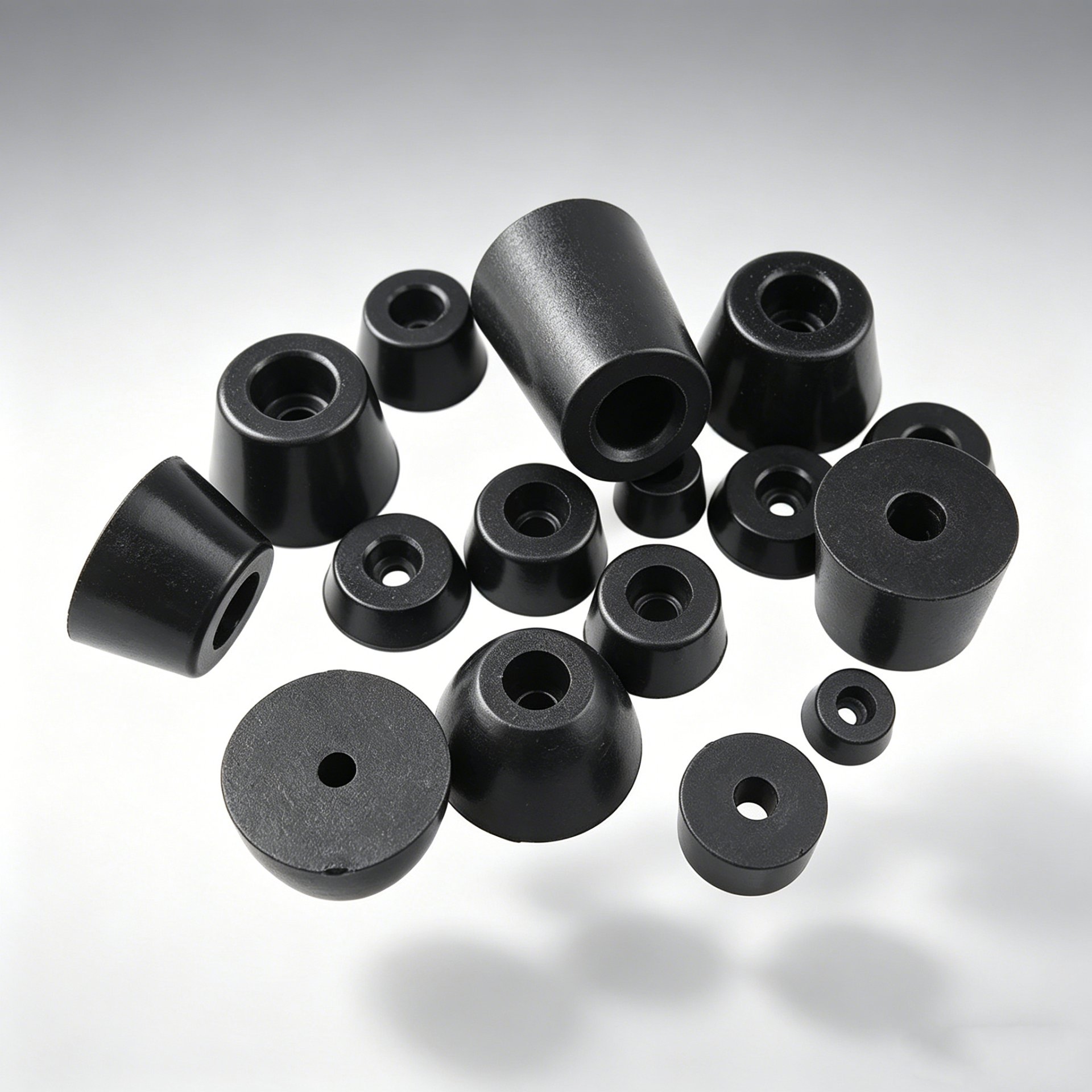
Raw material control starts the quality chain. Rubber suppliers must provide certificates of analysis for each batch. Compound recipes require precise measurement of all ingredients. Storage conditions affect material properties before processing.
Mixing procedures determine compound uniformity. Temperature control prevents scorching during high-shear mixing. Time and speed parameters ensure complete dispersion of fillers and additives. Batch records document all process variables.
Molding parameters directly impact final properties. Temperature profiles must achieve complete cure without degradation. Pressure settings ensure proper cavity filling and density. Cycle times balance productivity with quality requirements.
Curing conditions establish final cross-link structure. Time and temperature combinations affect compression set resistance and mechanical properties. Post-cure treatments can improve performance but require careful control.
Dimensional control12 ensures proper fit and function. Mold design must compensate for shrinkage variations. Inspection procedures verify critical dimensions on every batch. Statistical process control identifies trends before problems occur.
Testing protocols13 validate performance characteristics. Hardness measurements confirm compound consistency. Compression set2 testing predicts long-term behavior. Tensile testing verifies mechanical properties. Environmental testing8 validates aging resistance.
Traceability systems enable problem resolution. Batch coding links finished products to raw materials and process conditions. Record retention supports investigation of field failures. Corrective action procedures prevent problem recurrence.
| Quality Parameter | Test Method | Frequency | Acceptance Criteria |
|---|---|---|---|
| Hardness | ASTM D2240 | Every batch | ±5 Shore A points |
| Compression Set | ASTM D395 | Weekly | <25% at 70°C, 22h |
| Tensile Strength | ASTM D412 | Weekly | >8 MPa minimum |
| Dimensional | CMM inspection | 10% of parts | ±0.1mm tolerance |
How Do You Implement Predictive Maintenance for Mount Systems?
Waiting for mount failure creates unnecessary downtime and potential equipment damage. Predictive maintenance14 identifies degradation before catastrophic failure occurs. Regular inspection and monitoring extend service life while preventing unexpected problems.
Predictive maintenance14 for rubber isolator mounts involves systematic inspection, performance monitoring, and data analysis to identify degradation trends and schedule replacement before failure occurs.
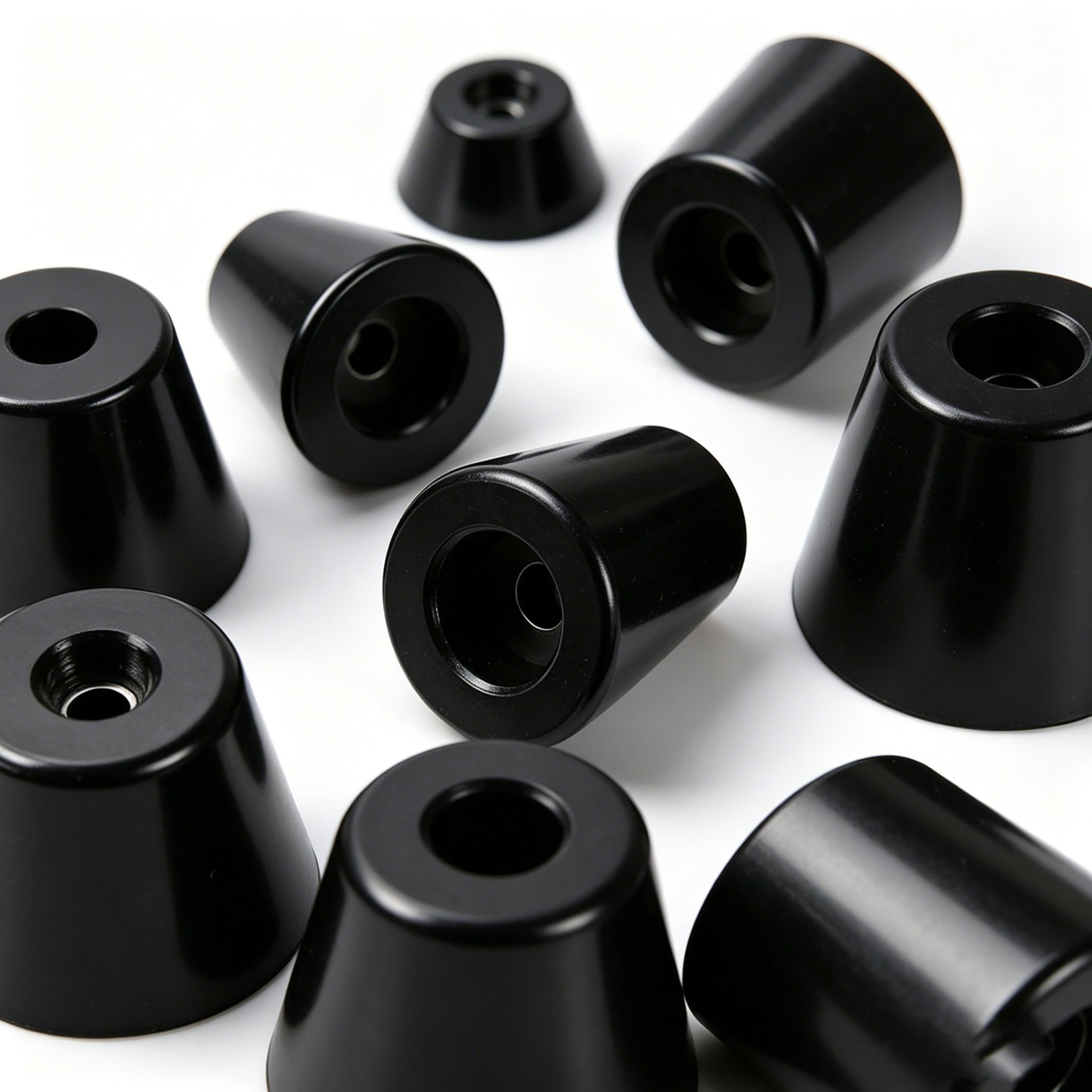
Visual inspection reveals early signs of degradation. Surface cracking indicates ozone or UV damage. Color changes suggest thermal aging or chemical exposure. Deformation shows compression set development. Separation from metal inserts warns of bond failure.
Performance monitoring tracks functional changes. Vibration measurements detect isolation effectiveness reduction. Noise level monitoring identifies transmission path changes. Load distribution analysis reveals uneven wear patterns.
Documentation systems track mount history. Installation dates establish service timelines. Environmental exposure records identify stress factors. Maintenance logs document inspection findings and corrective actions.
Replacement scheduling optimizes maintenance costs. Trending analysis predicts remaining service life. Planned replacement prevents emergency situations. Bulk purchasing reduces material costs. Scheduled downtime minimizes production impact.
Training programs ensure effective implementation. Inspection techniques require specific knowledge. Documentation procedures need consistent application. Safety protocols protect personnel during maintenance activities.
Technology integration improves monitoring effectiveness. Wireless sensors enable continuous vibration monitoring. Temperature logging identifies thermal stress exposure. Smartphone apps streamline inspection documentation.
Conclusion
Successful rubber isolator mount selection requires understanding compression set behavior, environmental aging effects, and material science fundamentals for long-term reliability and performance.
Explore the advantages of rubber isolator mounts for reducing vibration and noise in various applications. ↩
Learn about compression set and its impact on the performance and longevity of rubber mounts. ↩
Understand the effects of environmental aging on rubber mounts and how to mitigate them. ↩
Discover key factors in selecting the right rubber materials for isolator mounts. ↩
Explore the impact of UV exposure on rubber mounts and how to choose UV-resistant materials. ↩
Explore the advantages of silicone rubber for high-temperature and flexible applications. ↩
Learn about fluoroelastomers and their superior chemical resistance in rubber mounts. ↩
Understand the significance of environmental testing in predicting rubber mount durability. ↩
Learn about ozone resistance and its importance in rubber mount applications. ↩
Find out how nitrile rubber is utilized for oil and fuel resistance in rubber mounts. ↩
Understand the quality control processes that ensure reliable performance of rubber mounts. ↩
Learn about the importance of dimensional control in ensuring proper fit and function. ↩
Explore the various testing protocols that validate the performance of rubber mounts. ↩
Understand how predictive maintenance can extend the life of rubber isolator mounts. ↩