

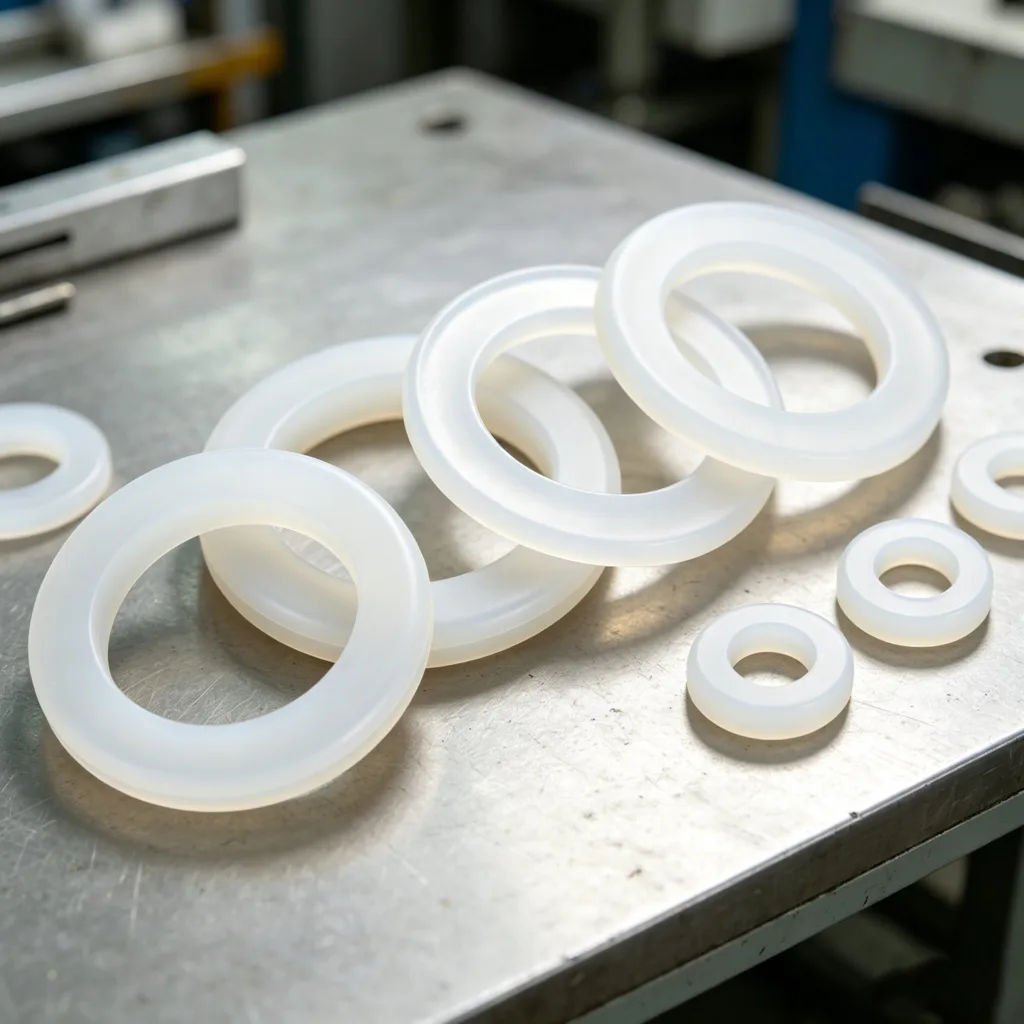
Finding the right rubber components for your project can feel overwhelming. With so many processes, materials, and quality standards to consider, where do you even start?
Rubber manufacturing is the process of transforming raw rubber materials into finished products through molding, curing, and finishing techniques. This process creates durable components like gaskets, seals, grommets, and custom parts that meet specific performance requirements across various industries.


After 27 years in this industry, I have seen how the right manufacturing approach makes all the difference. Let me walk you through what rubber manufacturing really involves and how it can solve your component challenges.
How does the rubber manufacturing process work?
The complexity of modern products demands precision at every step. Many clients come to us confused about manufacturing options.
The rubber manufacturing process involves material preparation, molding, curing under heat and pressure, and finishing operations. Each step requires precise control of temperature, timing, and pressure to achieve the desired properties and dimensional accuracy.


Material Preparation and Selection
The process begins with selecting the right rubber compound for your application. We work with silicone, EPDM, NBR, and natural rubber materials. Each material offers different properties like temperature resistance, chemical compatibility, or flexibility.
Material preparation involves mixing the base rubber with additives, colorants, and curing agents. This step determines the final properties of your part. Temperature resistance, hardness, and chemical resistance all depend on getting this mixture right.
| Material Type | Temperature Range | Key Properties | Common Applications |
|---|---|---|---|
| Silicone | -65°F to 450°F | Flexible, chemical resistant | Medical devices, food contact |
| EPDM | -65°F to 300°F | Weather resistant, durable | Automotive seals, outdoor equipment |
| NBR | -40°F to 250°F | Oil resistant, strong | Industrial gaskets, fuel systems |
| Natural Rubber | -65°F to 180°F | High elasticity, tear resistant | General purpose, vibration mounts |
Molding and Shaping Operations
The prepared material goes into precision molds that define the final shape. We use compression molding for most applications, where the material fills the mold cavity under controlled pressure and temperature.
Molding parameters must match the material properties and part geometry. Too much pressure can cause flash or dimensional issues. Too little pressure results in incomplete filling or poor surface finish. Our engineering team calculates these parameters for each project.
Complex parts may require over-molding, where we bond rubber to metal or plastic substrates. This creates assemblies that combine the benefits of different materials in one component.
What materials are used in rubber manufacturing?
Material selection often confuses clients who need specific performance characteristics. The wrong choice leads to premature failure and costly redesigns.
Rubber manufacturing uses various elastomer materials including silicone, EPDM, NBR, and natural rubber compounds. Each material offers distinct properties like temperature resistance, chemical compatibility, hardness, and durability to match specific application requirements.
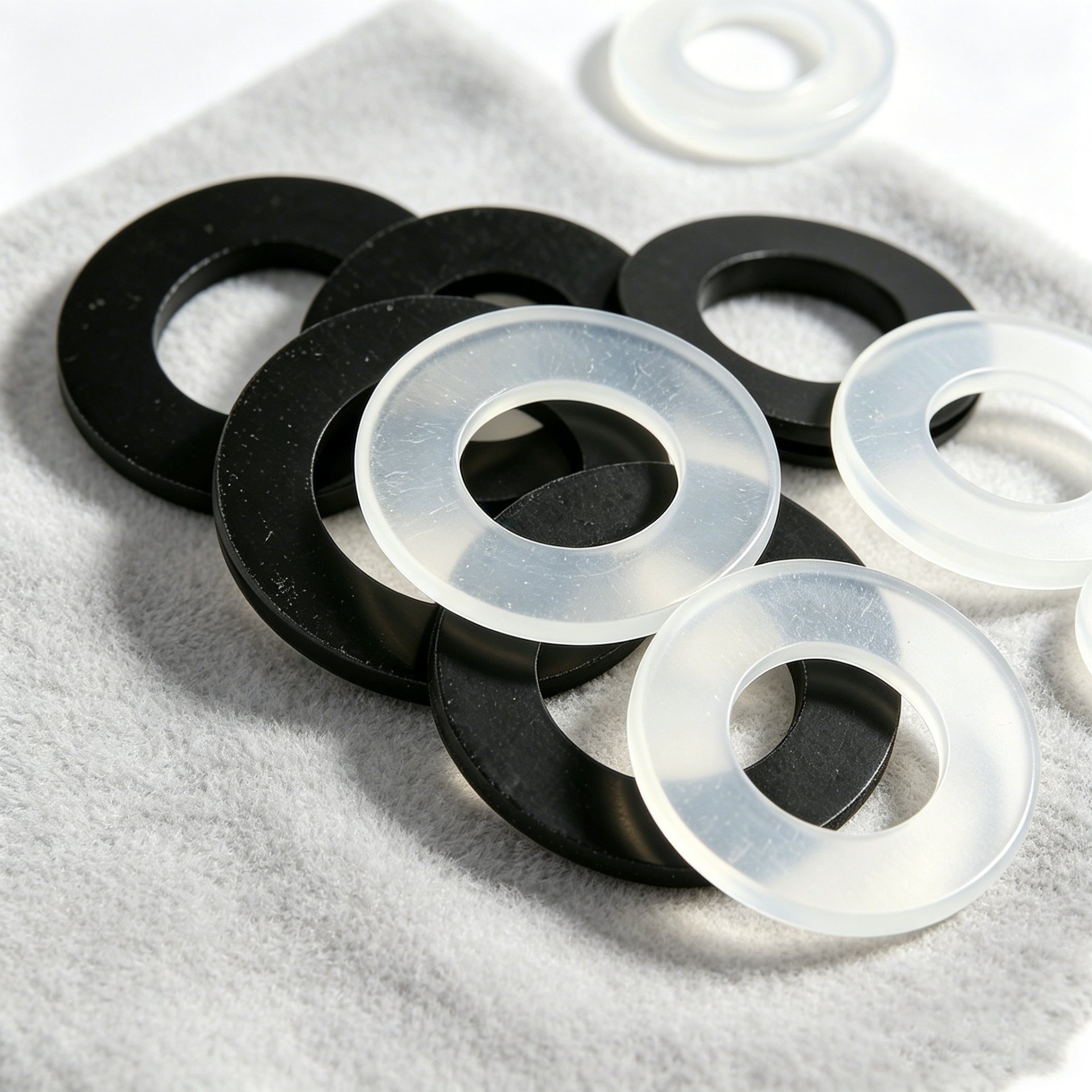
Silicone Rubber Properties
Silicone offers the widest temperature range and excellent chemical resistance. We use it for medical devices, food contact applications, and extreme temperature environments. The material maintains flexibility from -65°F to 450°F without degrading.
Silicone comes in different durometer ratings from very soft to firm. Shore A 20 feels like a gel, while Shore A 80 feels like a hard rubber tire. We help clients choose the right durometer for their application needs.
FDA-grade silicone meets food contact requirements. Medical-grade versions comply with USP Class VI standards for biocompatibility. These specialized grades cost more but provide necessary regulatory compliance.
EPDM and Weather Resistance
EPDM excels in outdoor applications where UV exposure and weather resistance matter. The material resists ozone, oxygen, and temperature cycling that destroy other rubbers over time.
We see EPDM used extensively in automotive door seals, window gaskets, and HVAC systems. The material maintains sealing properties through years of temperature changes and weather exposure.
Color stability is another EPDM advantage. While natural rubber turns brown over time, EPDM maintains its original color. This matters for visible applications where appearance counts.
Specialty Compounds and Custom Blends
Some applications need custom material properties that standard compounds cannot provide. We work with specialized suppliers to develop custom blends that meet unique requirements.
Conductive rubber contains carbon black or metal particles for EMI shielding. Flame-retardant compounds meet UL94 standards for electrical applications. Oil-resistant formulations withstand specific chemicals in industrial environments.
What quality control measures ensure manufacturing success?
Quality problems in rubber parts often appear months after installation. Poor curing, contamination, or dimensional errors cause expensive field failures.
Quality control in rubber manufacturing includes incoming material inspection, process monitoring during molding and curing, dimensional verification, and performance testing. These measures ensure consistent properties, accurate dimensions, and reliable long-term performance of finished parts.


Process Monitoring and Control
We monitor critical parameters throughout production. Temperature sensors track curing profiles to ensure complete cross-linking. Pressure gauges verify proper molding force. Timer systems control cycle times for consistent results.
Statistical process control helps identify trends before they cause problems. We track key measurements like hardness, tensile strength, and dimensions across production runs. This data shows when processes drift from specification.
Batch traceability connects finished parts to raw materials and process conditions. If issues arise in the field, we can trace the root cause and implement corrective actions quickly.
Testing and Validation Procedures
Physical testing verifies that parts meet specification requirements. Tensile strength testing confirms mechanical properties. Compression set testing shows how well the material recovers from deformation.
Environmental testing exposes parts to accelerated aging conditions. Heat aging, UV exposure, and chemical immersion tests predict long-term performance. These tests catch potential failures before parts reach customers.
Dimensional inspection uses precision measuring equipment to verify part geometry. Critical sealing surfaces require tighter tolerances than non-functional areas. We focus inspection efforts where accuracy matters most.
Documentation and Certification
Complete documentation packages support customer qualification processes. Material certificates show compliance with specifications. Test reports demonstrate performance characteristics. Dimensional reports confirm geometric accuracy.
Regulatory compliance requires additional documentation for medical, automotive, and food contact applications. We maintain certifications for ISO 9001, RoHS, and REACH compliance. FDA registration supports food-grade applications.
Conclusion
Rubber manufacturing transforms raw materials into precision components through controlled processes, quality materials, and rigorous testing standards that ensure reliable performance.