

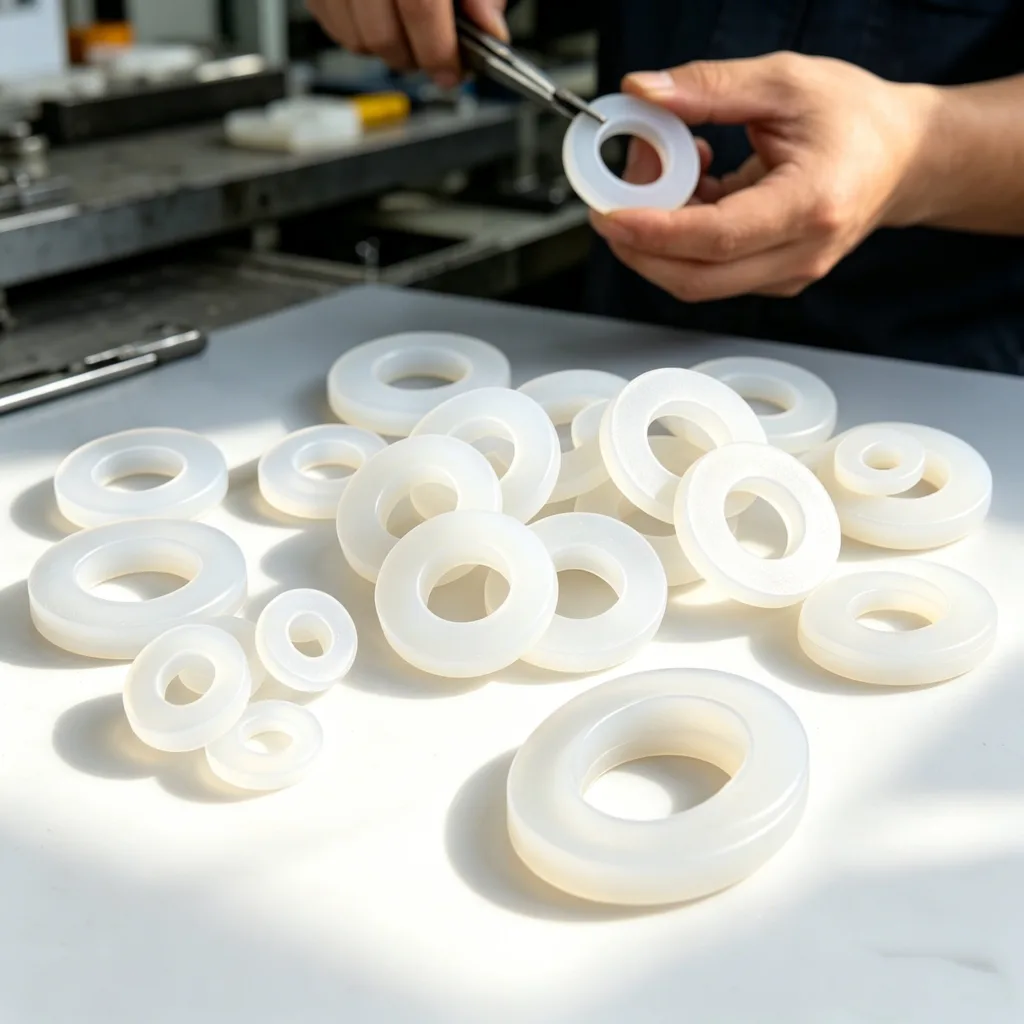
Finding the right gasket can make or break your project's success and longevity.
The best gasket depends on your specific application requirements including temperature, pressure, chemical exposure, and environmental conditions. Silicone gaskets work well for high temperatures and food contact, while EPDM excels in outdoor applications, and NBR performs best with oils and fuels.
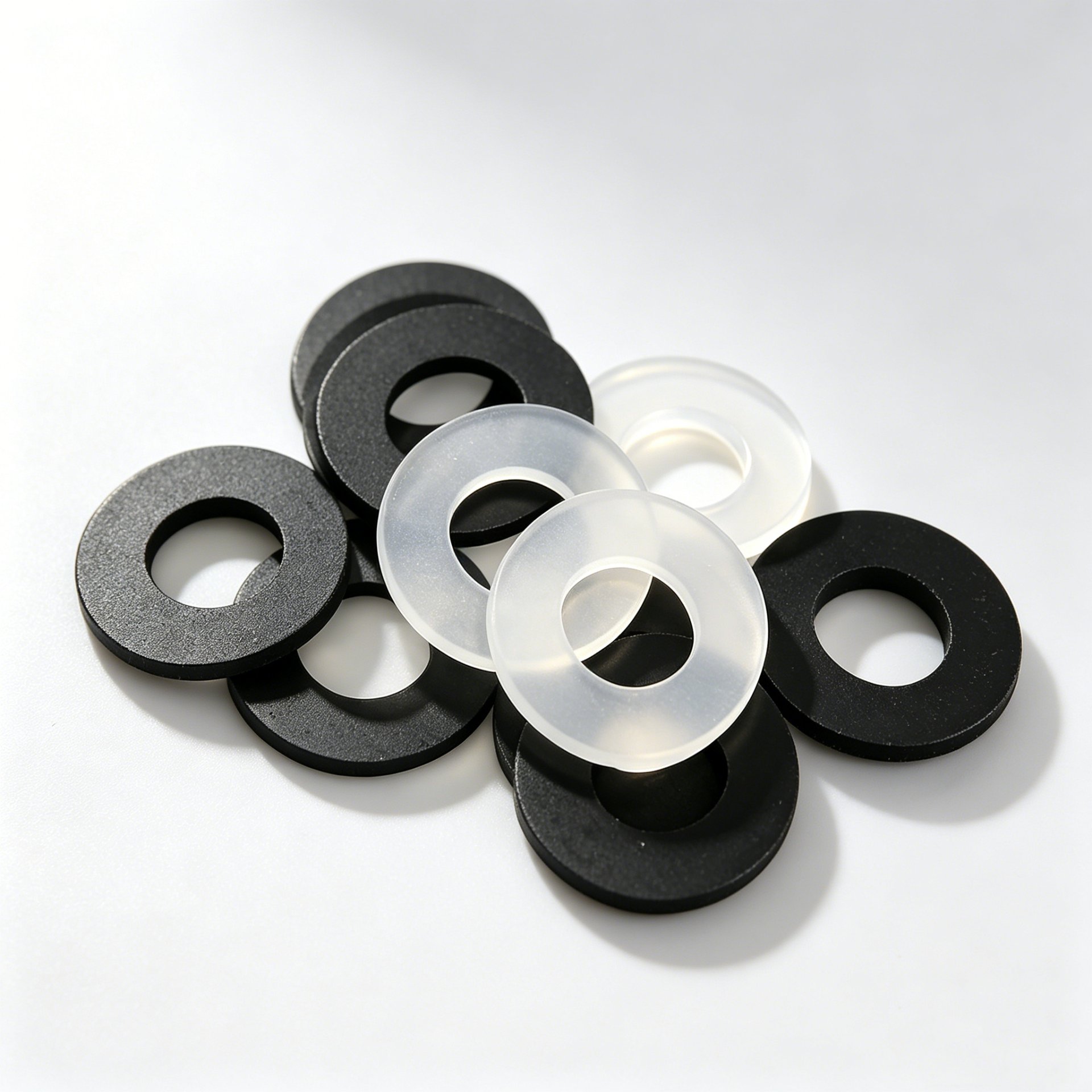
After 27 years in the gasket manufacturing business, I've seen countless projects succeed or fail based on this single decision. The right gasket protects your equipment and keeps your operations running smoothly.
Which material should you choose for your gasket?
Your gasket material determines how well your seal performs over time.
Material selection depends on operating temperature, chemical compatibility, and regulatory requirements. Common options include silicone for high-temp applications, EPDM for weather resistance, NBR for oil contact, and NR for general-purpose sealing.
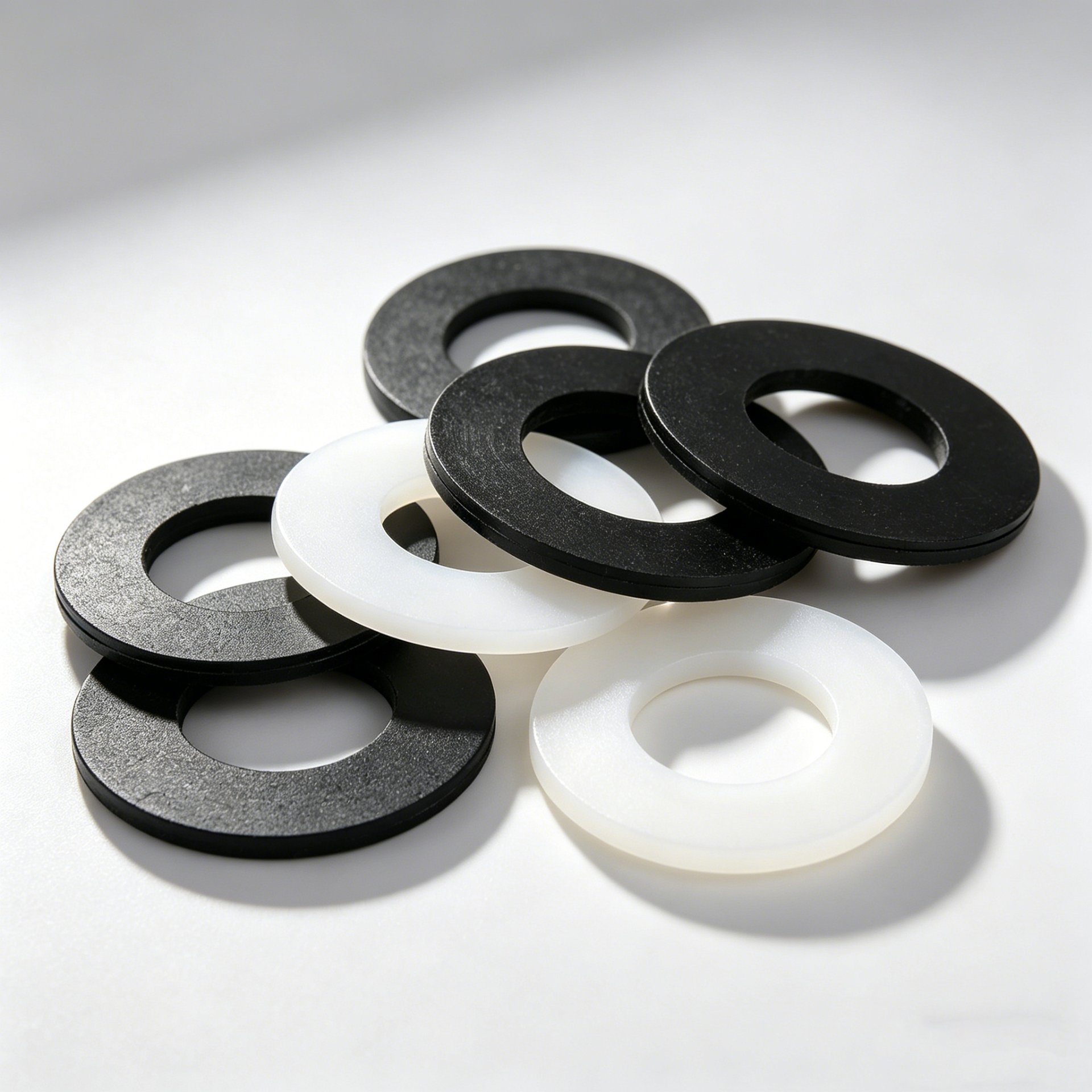
Let me break down the key materials we work with daily. Each material has specific strengths that make it perfect for certain applications.
Silicone gaskets handle extreme temperatures from -65°C to 200°C. They resist UV light and ozone exposure. Food-grade silicone meets FDA requirements for direct food contact. Medical-grade versions work in healthcare applications. I recommend silicone when you need flexibility at temperature extremes.
EPDM gaskets excel in outdoor environments. They resist weathering, UV radiation, and ozone. Temperature range spans -45°C to 150°C. EPDM works well with water, steam, and many chemicals. It's my go-to choice for automotive seals and outdoor equipment.
NBR gaskets handle oils, fuels, and petroleum products. They maintain flexibility from -30°C to 120°C. Different grades offer varying oil resistance levels. NBR costs less than other specialty rubbers. I suggest NBR for automotive fuel systems and industrial machinery.
| Material | Temperature Range | Best Applications | Key Benefits |
|---|---|---|---|
| Silicone | -65°C to 200°C | Food, medical, high-temp | FDA compliant, flexible |
| EPDM | -45°C to 150°C | Outdoor, automotive | Weather resistant, durable |
| NBR | -30°C to 120°C | Oil contact, machinery | Chemical resistant, cost-effective |
| NR | -50°C to 80°C | General purpose | Good elasticity, economical |
How do you determine the right gasket size and shape?
Proper dimensions ensure your gasket seals effectively without failure.
Measure your groove or flange dimensions accurately, including width, depth, and any bolt hole patterns. Account for compression ratios and thermal expansion. Custom gaskets can match exact specifications when standard sizes don't fit.
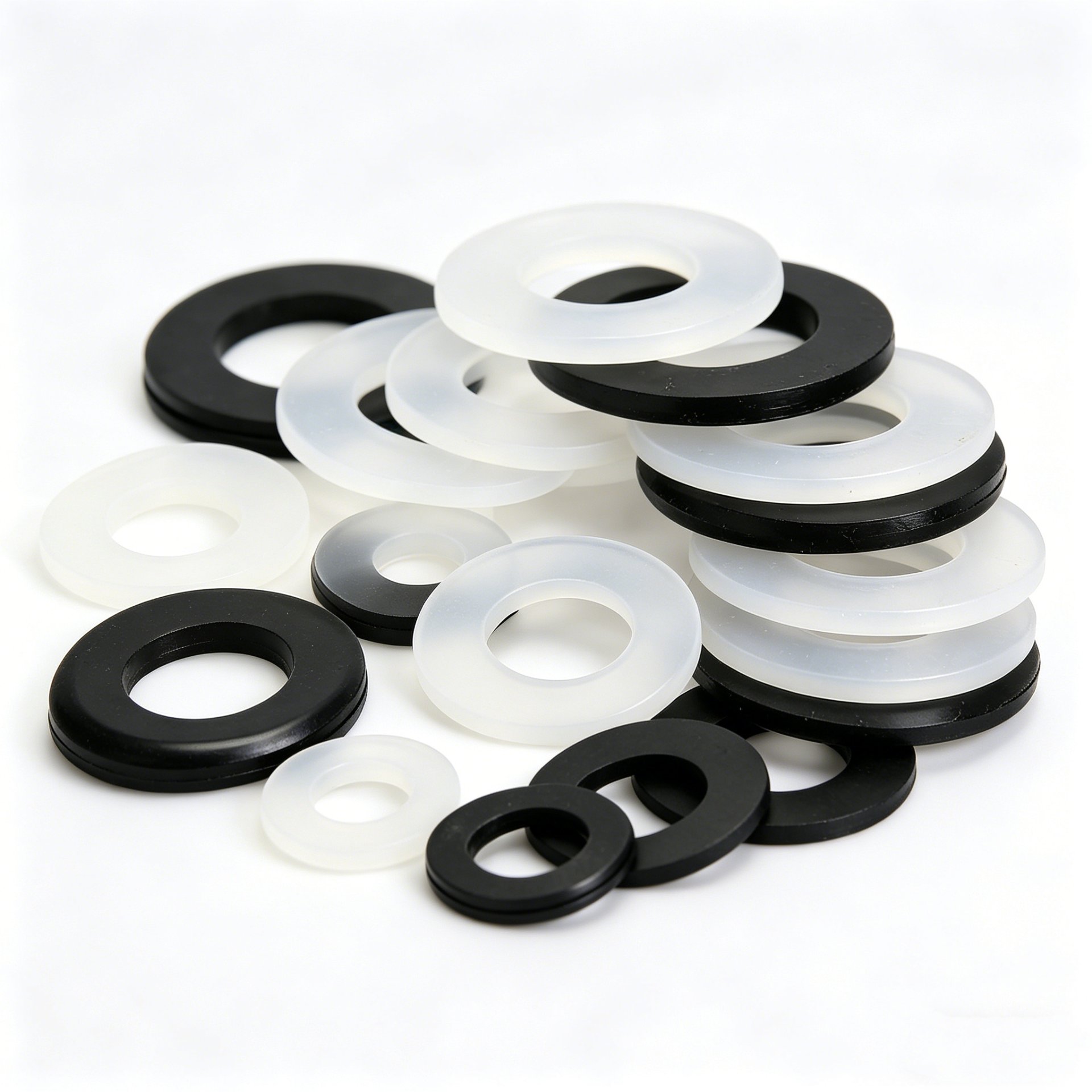
Getting the size right prevents leaks and premature failure. I've seen too many projects delayed because someone guessed at dimensions.
Start with accurate measurements of your sealing surface. Measure groove width, depth, and overall diameter for round gaskets. Record bolt hole positions and sizes. Note any special features like tabs or cutouts.
Consider compression requirements. Most rubber gaskets compress 15-25% of their original thickness. Silicone gaskets typically compress 20-30%. Over-compression damages the gasket. Under-compression allows leakage.
Account for thermal expansion. Materials expand when heated. Your gasket must accommodate size changes without losing seal integrity. Metal flanges expand differently than rubber gaskets. This creates stress that can cause failure.
Custom gaskets solve unique sizing challenges. We create gaskets that match your exact specifications. Our CAD team works from your drawings or samples. We can add special features like bolt holes, tabs, or complex shapes.
Standard sizes work for common applications. O-rings follow AS568 standards. Flat gaskets come in standard pipe flange sizes. Using standard sizes reduces cost and lead time when they fit your needs.
| Gasket Type | Typical Compression | Measurement Points | Special Considerations |
|---|---|---|---|
| O-rings | 15-20% | ID, cross-section | Groove depth critical |
| Flat gaskets | 20-25% | Length, width, thickness | Bolt hole alignment |
| Custom shapes | Varies | All dimensions | Complex geometries possible |
What environmental factors affect gasket performance?
Operating conditions determine which gasket will last longest in your application.
Temperature extremes, chemical exposure, UV light, ozone, and mechanical stress all impact gasket life. Matching material properties to your specific environment prevents premature failure and ensures reliable long-term sealing.
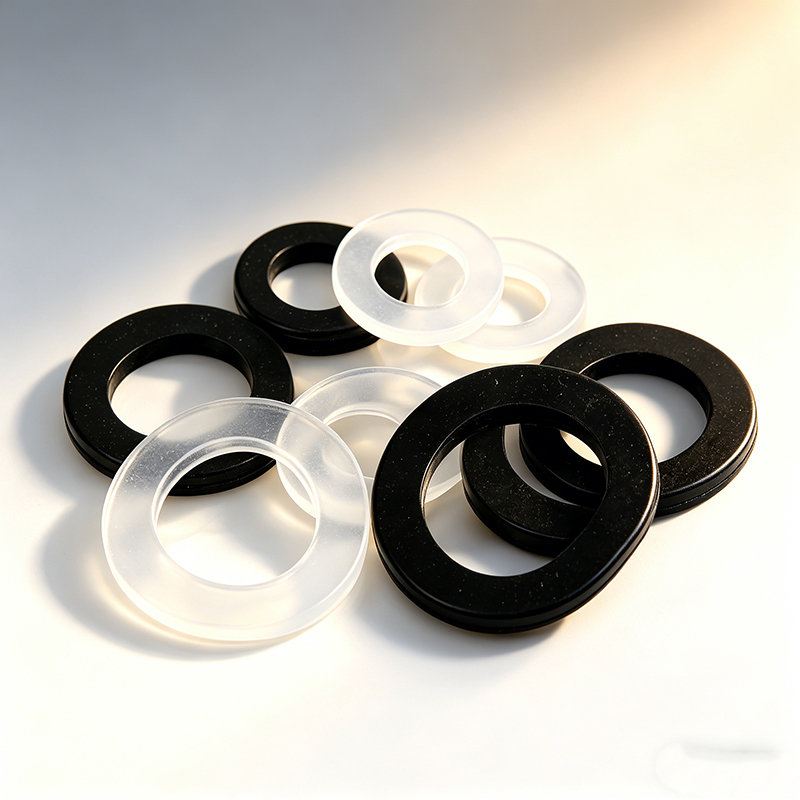
Environmental factors can destroy even the best gasket if you don't plan for them. I always ask clients about their operating conditions before making recommendations.
Temperature cycling stresses gasket materials. Repeated heating and cooling causes expansion and contraction. This creates fatigue that leads to cracking. Choose materials with good thermal stability. Silicone handles temperature cycling better than most materials.
Chemical exposure breaks down gasket materials over time. Acids attack some rubbers while leaving others unaffected. Oils swell certain materials. Bases cause different reactions. Always check chemical compatibility charts before selecting materials.
UV radiation degrades many rubber compounds. Outdoor applications need UV-resistant materials. EPDM resists UV damage well. Standard rubber compounds crack and harden in sunlight. We can add UV stabilizers to improve outdoor performance.
Ozone attacks double bonds in rubber molecules. This causes cracking and hardening. EPDM and silicone resist ozone damage. NBR and natural rubber need protection in ozone-rich environments. Industrial areas often have high ozone levels.
Mechanical stress from vibration, pressure cycling, and movement wears gaskets down. Dynamic applications need materials with good fatigue resistance. Static seals can use softer materials. Consider how much movement your gasket will experience.
Humidity and water exposure affect some materials. Natural rubber absorbs water and swells. Silicone maintains properties when wet. EPDM handles steam well. Consider moisture levels in your environment.
| Environmental Factor | Material Impact | Best Materials | Protection Methods |
|---|---|---|---|
| High temperature | Softening, degradation | Silicone, EPDM | Heat shields, cooling |
| Chemicals | Swelling, cracking | NBR, EPDM | Barrier coatings |
| UV exposure | Hardening, cracking | EPDM, silicone | UV stabilizers |
| Ozone | Surface cracking | EPDM, silicone | Antiozonants |
How do you ensure gasket quality and compliance?
Quality control and regulatory compliance protect your project and end users.
Implement incoming inspection, process controls, and final testing. Verify material certifications and regulatory compliance. Work with suppliers who maintain quality systems and provide documentation packages for traceability.
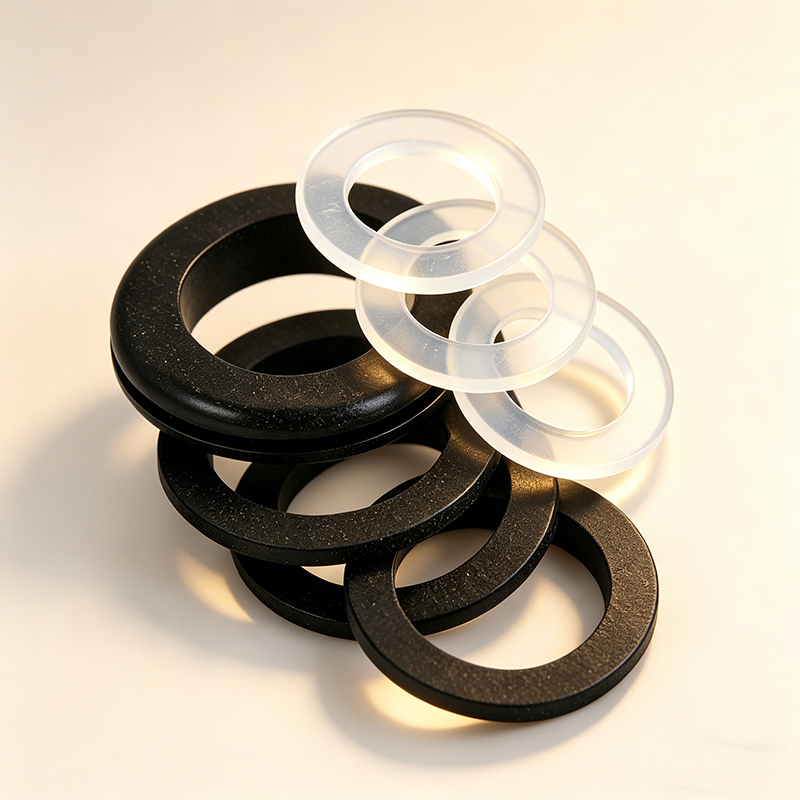
Quality issues cause expensive failures and safety problems. Our ISO 9001 system ensures consistent quality from every batch we produce.
Incoming material inspection catches problems early. We test shore hardness, tensile strength, and elongation on every material lot. Chemical analysis verifies composition. Visual inspection finds contamination or defects. Only approved materials enter production.
Process controls maintain consistency during manufacturing. We monitor cure times, temperatures, and pressures. Dimensional checks verify gasket sizes. Visual inspection catches surface defects. Statistical process control tracks trends and prevents drift.
Final testing validates performance. We perform pressure tests, temperature cycling, and chemical compatibility tests when required. Dimensional inspection ensures gaskets meet specifications. Appearance checks find cosmetic defects.
Documentation provides traceability. Material certificates show composition and properties. Test reports prove performance. Dimensional reports verify sizes. This documentation supports regulatory requirements and quality investigations.
Regulatory compliance protects end users. FDA-grade materials meet food contact requirements. Medical-grade materials support healthcare applications. RoHS compliance eliminates restricted substances. REACH compliance provides safety data.
Batch traceability tracks materials through production. We maintain records linking finished gaskets to raw materials. This supports recalls if problems arise. Quality investigations can trace root causes. Customers receive batch identification with their orders.
| Quality Element | Testing Methods | Documentation | Compliance Standards |
|---|---|---|---|
| Material properties | Hardness, tensile, elongation | Material certificates | ASTM, ISO standards |
| Dimensions | CMM, optical measurement | Dimensional reports | Customer specifications |
| Performance | Pressure, temperature tests | Test reports | Industry standards |
| Compliance | Chemical analysis | Regulatory certificates | FDA, RoHS, REACH |
Conclusion
Choose gaskets based on your specific application requirements, environmental conditions, and quality standards for reliable long-term performance.