

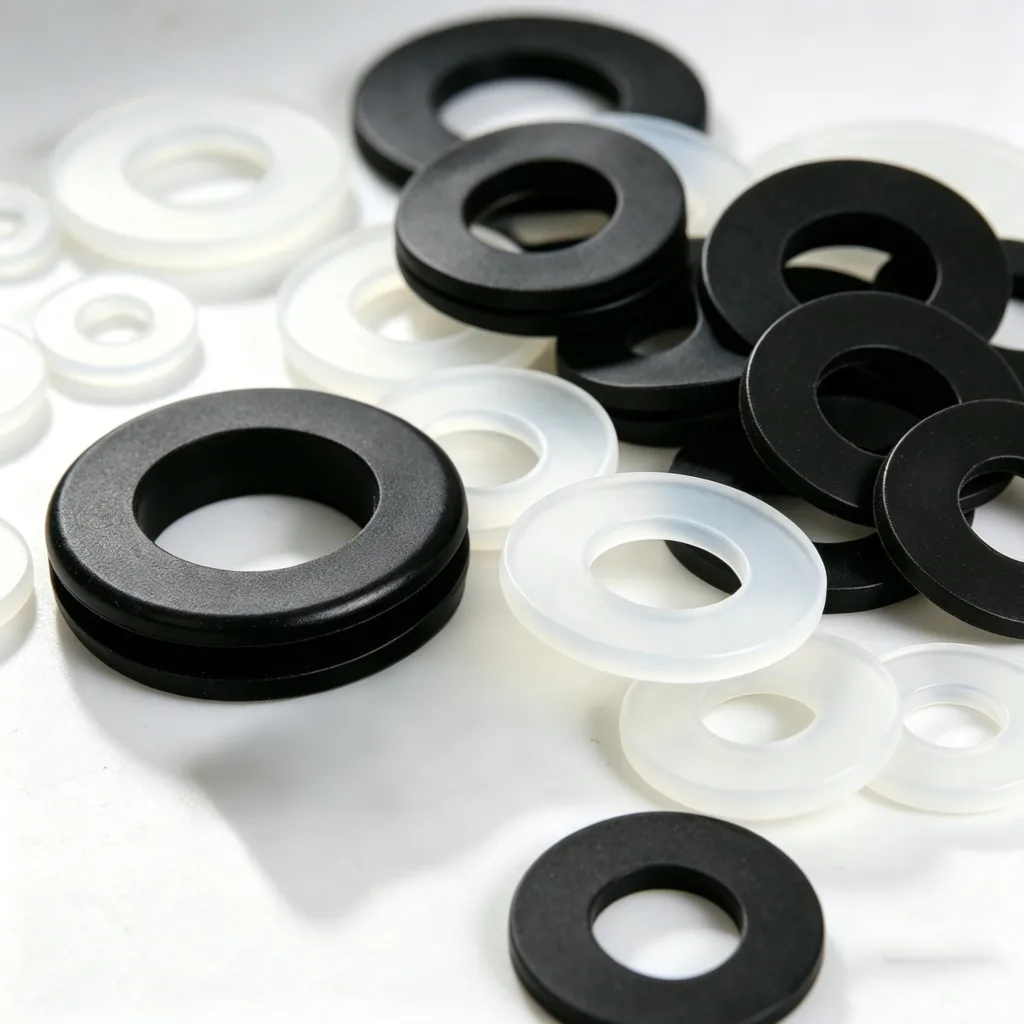
Choosing the wrong gasket size can lead to leaks, equipment failure, and costly downtime. Many engineers and purchasing managers struggle with gasket sizing, especially when dealing with custom applications or replacing existing seals.
To figure out what size gasket you need, measure the inner diameter, outer diameter, and thickness of your sealing surface. Consider the groove dimensions, bolt patterns, and operating conditions like pressure and temperature. For complex applications, work with an experienced gasket manufacturer who can guide you through material selection and custom sizing.
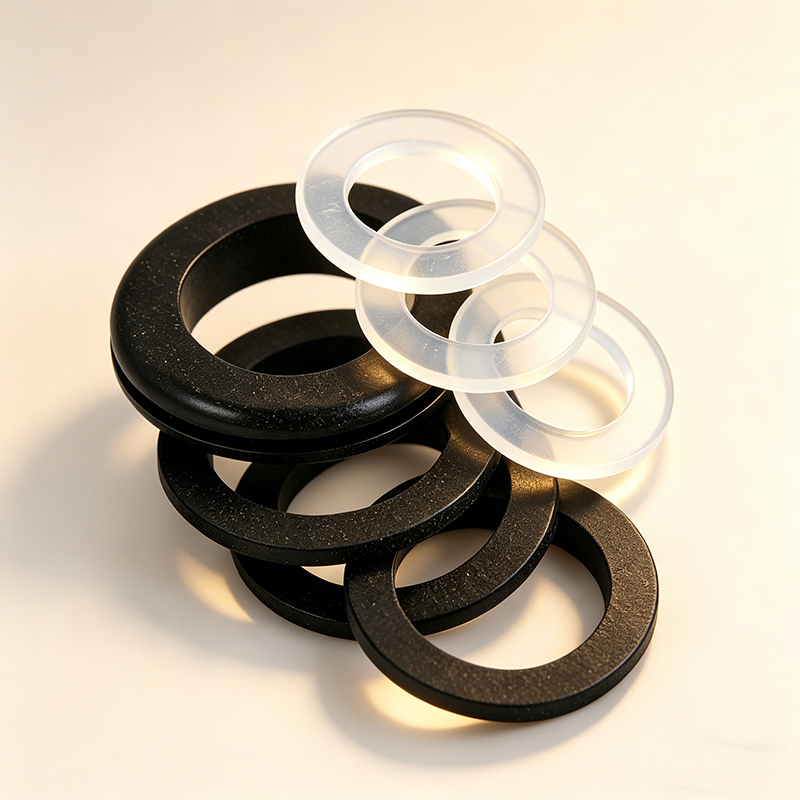
Getting gasket sizing right the first time saves money and prevents headaches down the road. I have seen too many projects delayed because someone guessed at dimensions or overlooked critical factors.
What are the basic measurements I need to take?
Start with the fundamentals. Most gasket sizing problems come from incomplete measurements or assumptions about standard sizes.
You need three key measurements: inner diameter (ID), outer diameter (OD), and thickness. Measure the actual sealing surfaces, not the old gasket, as gaskets can compress or stretch over time. Use calipers for accuracy and measure in multiple spots to account for wear or deformation.


The first step is measuring your sealing surfaces directly. I always tell our customers to measure the actual hardware, not the old gasket. Gaskets compress over time and can give you false readings.
For round gaskets, you need the inner diameter where the seal contacts the inside surface. Measure across the center at the widest point. Then measure the outer diameter where the gasket sits on the outer edge. Take measurements at several points because surfaces can wear unevenly.
Thickness matters more than many people realize. A gasket that is too thin will not fill the gap properly. One that is too thick will not compress enough to create a good seal. Measure the groove depth or the gap between your sealing surfaces when they are properly assembled.
| Measurement Type | What to Measure | Tool Needed | Common Mistakes |
|---|---|---|---|
| Inner Diameter | Actual bore opening | Calipers | Using old gasket measurement |
| Outer Diameter | Sealing surface edge | Calipers | Not accounting for bolt holes |
| Thickness | Groove depth or gap | Thickness gauge | Ignoring compression ratio |
For non-round shapes, you need length, width, and any cutouts or special features. Sketch the shape and mark all dimensions clearly. Include bolt hole locations and sizes if they affect the gasket design.
How do operating conditions affect gasket size selection?
Temperature, pressure, and chemical exposure change how gaskets behave. These factors directly impact what size and material you need.
Operating conditions determine gasket material and compression requirements. High temperatures cause expansion, high pressures require thicker sections, and chemical exposure limits material choices. Account for thermal growth, pressure-induced deformation, and chemical swelling when sizing gaskets for demanding applications.
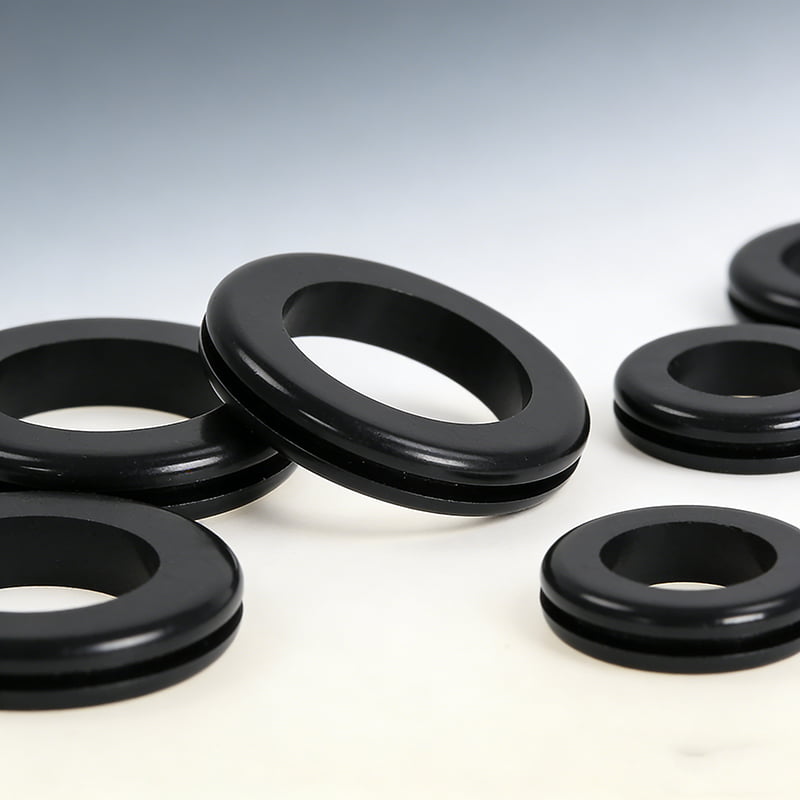
Temperature changes everything about gasket sizing. Materials expand and contract with heat. Your gasket needs to maintain seal integrity across the entire operating temperature range.
High-temperature applications often need gaskets with lower compression set resistance. This means the gasket maintains its sealing force even after repeated heating and cooling cycles. Silicone gaskets work well here because they stay flexible across wide temperature ranges.
Pressure affects how much compression force acts on your gasket. Higher pressures require materials that can handle the stress without extruding or failing. The gasket thickness and durometer must match the pressure requirements.
Chemical compatibility is non-negotiable. Some chemicals cause gaskets to swell, shrink, or degrade. This changes the effective sealing dimensions over time. We test material samples when customers have aggressive chemical environments.
| Operating Factor | Impact on Sizing | Material Considerations | Design Changes Needed |
|---|---|---|---|
| High Temperature | Thermal expansion | Heat-resistant compounds | Larger groove allowances |
| High Pressure | Compression forces | Higher durometer materials | Thicker cross-sections |
| Chemical Exposure | Swelling/shrinkage | Chemical-resistant materials | Oversized initial dimensions |
| Vibration | Fatigue stress | Flexible materials | Secure retention methods |
Dynamic applications where parts move or vibrate need special attention. The gasket must maintain contact even with movement. This often means slightly oversized gaskets or special retention features.
When should I work with a gasket manufacturer for custom sizing?
Standard gaskets work for common applications, but many projects need custom solutions. Knowing when to go custom saves time and ensures better results.
Work with a gasket manufacturer for custom sizing when you have non-standard dimensions, special materials requirements, complex shapes, or critical sealing applications. Custom manufacturers provide engineering support, material testing, and prototyping services that ensure optimal performance for your specific needs.
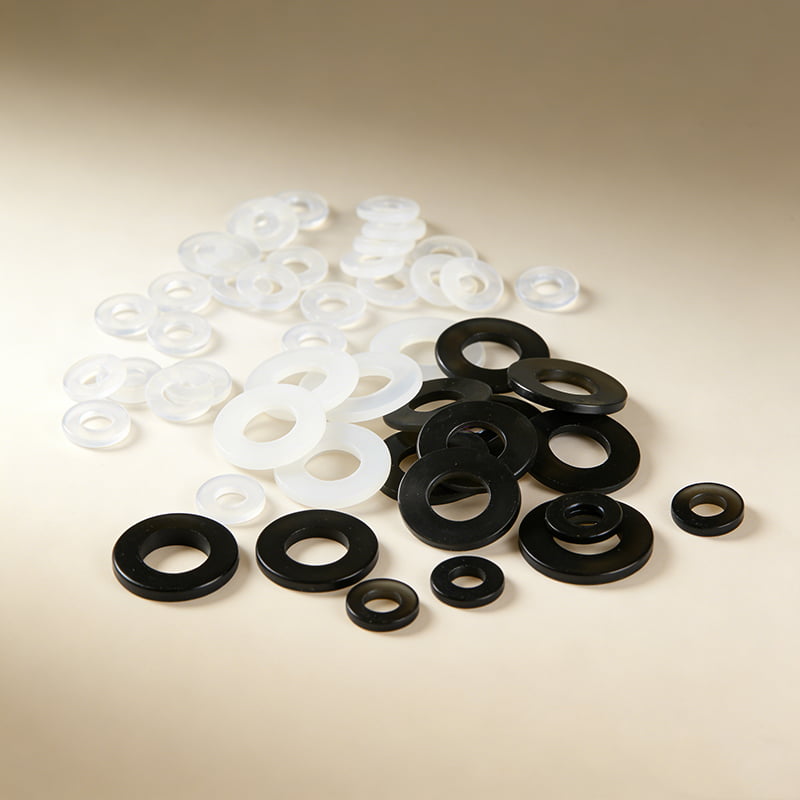
I recommend working with a manufacturer when your application has any complexity beyond basic round gaskets. Custom manufacturers bring engineering expertise that prevents costly mistakes.
Non-standard shapes are obvious candidates for custom work. But even standard shapes might need custom materials or special features. We often make standard sizes in specialty compounds for chemical resistance or extreme temperatures.
Complex assemblies benefit from manufacturer involvement early in the design phase. We can suggest design changes that improve sealing performance or reduce manufacturing costs. Small changes in groove design can make a big difference in gasket life.
Critical applications where failure is not acceptable need professional support. Medical devices, aerospace components, and safety systems require documented material properties and quality control. We provide full traceability and test reports for these applications.
Prototype development is another area where manufacturers add value. We can quickly produce samples in different materials and sizes. This lets you test performance before committing to large production runs.
| Custom Situation | Why Manufacturer Helps | Services Provided | Typical Timeline |
|---|---|---|---|
| Non-standard shapes | Design optimization | CAD modeling, prototyping | 1-2 weeks |
| Special materials | Material selection | Testing, certification | 2-3 weeks |
| Critical applications | Quality assurance | Documentation, validation | 3-4 weeks |
| High-volume production | Cost optimization | Tooling design, automation | 4-6 weeks |
The manufacturer's material expertise is invaluable. We stock dozens of compounds and can recommend the best option for your specific conditions. This knowledge comes from years of experience across many industries.
What common mistakes should I avoid when sizing gaskets?
Even experienced engineers make gasket sizing errors. Learning from common mistakes saves time and prevents failures.
Common gasket sizing mistakes include using old gasket dimensions, ignoring compression ratios, overlooking thermal expansion, choosing wrong materials, and not considering manufacturing tolerances. Always measure actual hardware, account for operating conditions, and verify material compatibility before finalizing gasket specifications.


The biggest mistake is measuring old gaskets instead of the actual sealing surfaces. Old gaskets compress, stretch, and deform. They give you false dimensions that lead to poor-fitting replacements.
Ignoring compression ratios causes sealing problems. Every gasket material has an optimal compression range. Too little compression and you do not get a good seal. Too much compression and you damage the gasket or create excessive stress on your hardware.
Material selection errors are expensive. I have seen customers choose gaskets based only on price, ignoring chemical compatibility or temperature requirements. The gasket fails quickly and they end up paying more for emergency replacements.
Not accounting for manufacturing tolerances is another common problem. Your gasket needs to work with parts that vary within their tolerance range. Design gaskets with enough flexibility to handle these variations.
Overlooking assembly considerations causes installation problems. Gaskets that are difficult to install often get damaged during assembly. Consider how your maintenance team will actually install and remove the gaskets.
| Common Mistake | Why It Happens | Consequence | Prevention Method |
|---|---|---|---|
| Using old gasket measurements | Convenience | Poor fit, leaks | Measure actual hardware |
| Wrong compression ratio | Lack of material knowledge | Seal failure | Consult material specs |
| Ignoring temperature effects | Simplified thinking | Thermal stress failure | Calculate thermal expansion |
| Poor material choice | Cost focus only | Chemical degradation | Test material compatibility |
Rushing the sizing process leads to mistakes. Take time to gather complete information about your application. Document operating conditions, measure carefully, and verify material requirements.
Conclusion
Getting gasket sizing right requires careful measurement, understanding of operating conditions, and proper material selection. Work with experienced manufacturers for complex applications to ensure reliable sealing performance.