

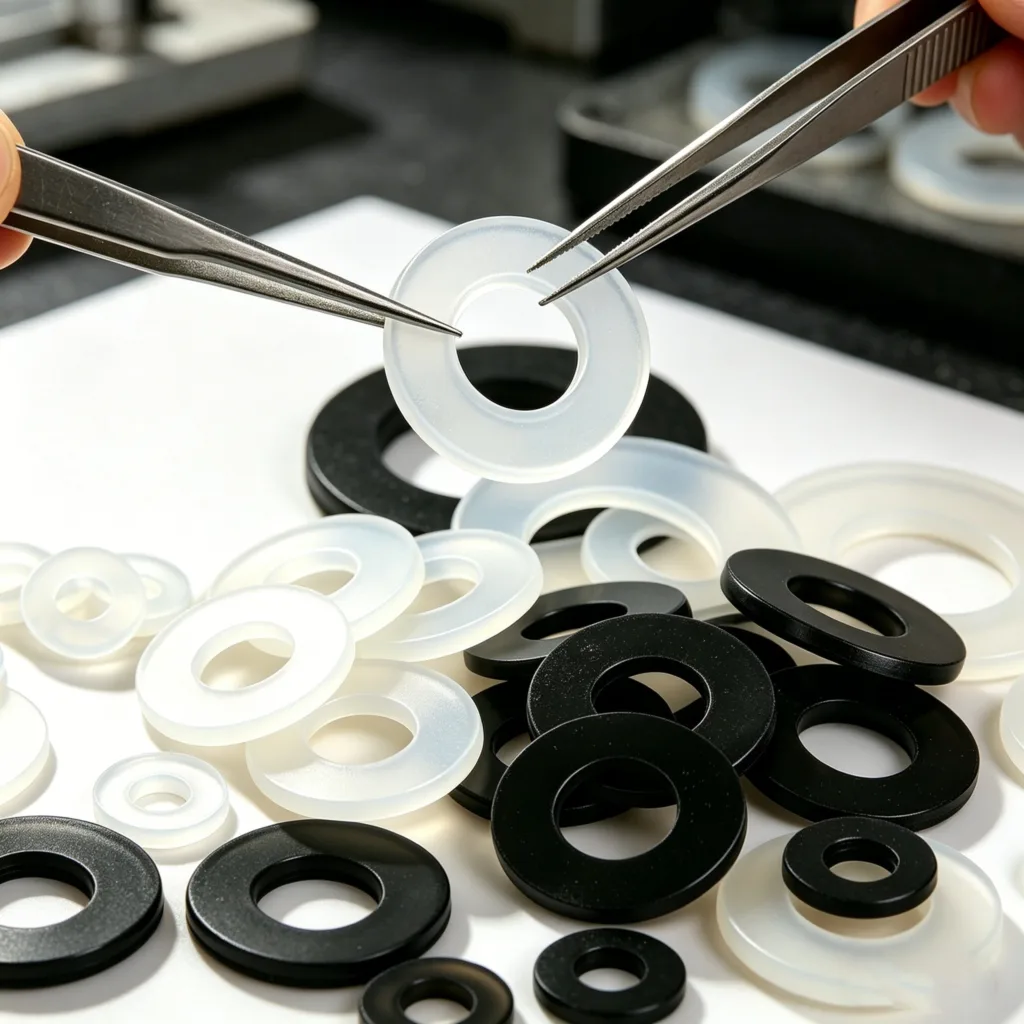
Choosing the wrong gasket material for your temperature requirements can lead to seal failure, equipment damage, and costly downtime.
Different gasket materials perform within specific temperature ranges. Silicone gaskets typically operate from -65°F to 450°F (-54°C to 232°C), while EPDM works from -65°F to 300°F (-54°C to 149°C). Understanding these limits ensures reliable sealing performance.
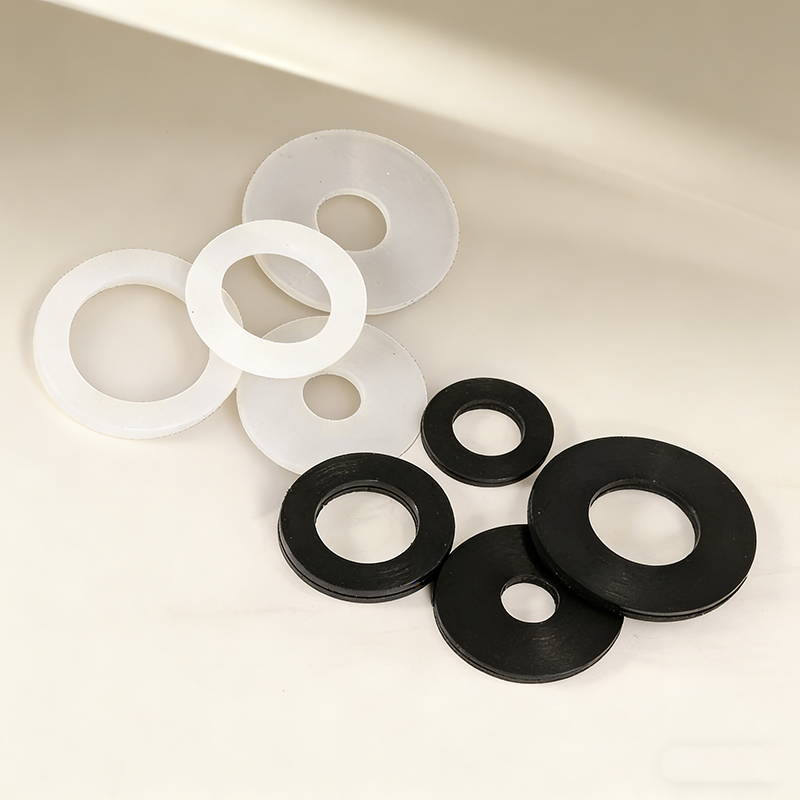
Temperature selection affects every aspect of your gasket's performance. Let me share what I've learned from 27 years in the gasket manufacturing industry.
How Do Different Materials Handle High Temperatures?
High-temperature applications demand materials that resist degradation, maintain flexibility, and preserve sealing integrity under thermal stress.
Silicone rubber excels in high-temperature environments, maintaining elasticity up to 450°F (232°C). Fluorocarbon (Viton) gaskets can withstand temperatures up to 400°F (204°C) while offering superior chemical resistance.
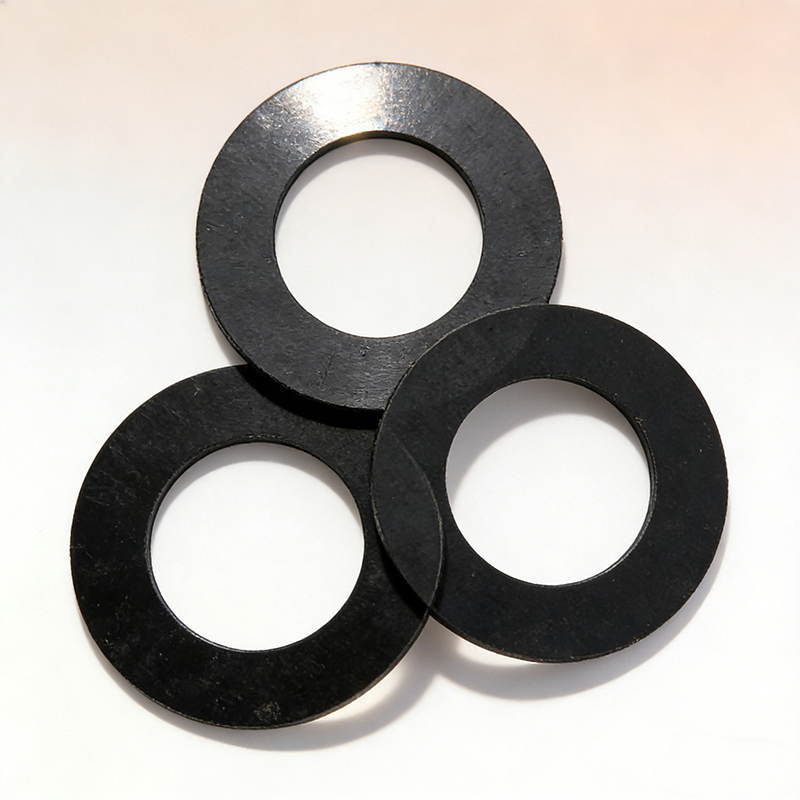
In our factory, we regularly produce gaskets for automotive engines, industrial ovens, and electronic equipment housings. Each application requires careful material selection based on operating conditions.
Silicone stands out for continuous high-temperature exposure. The material maintains its molecular structure even after thousands of thermal cycles. We've tested silicone gaskets in customer applications where they operated at 400°F for over two years without significant degradation.
EPDM rubber works well for moderate temperatures up to 300°F. This material costs less than silicone but offers excellent weather resistance. Many of our automotive clients choose EPDM for engine compartment seals where temperatures stay below 250°F.
Fluorocarbon materials handle both high temperatures and aggressive chemicals. These gaskets cost more but provide unmatched durability in harsh environments. We recommend fluorocarbon for applications involving petroleum products, acids, or extreme temperature variations.
| Material | Max Continuous Temp | Key Benefits | Common Applications |
|---|---|---|---|
| Silicone | 450°F (232°C) | Flexibility, thermal stability | Electronics, medical devices |
| EPDM | 300°F (149°C) | Cost-effective, weather resistant | Automotive, HVAC systems |
| Fluorocarbon | 400°F (204°C) | Chemical resistance, durability | Chemical processing, aerospace |
| NBR | 250°F (121°C) | Oil resistance, economical | General industrial, hydraulics |
What Happens When Gaskets Face Extreme Cold?
Low-temperature environments present unique challenges including material brittleness, reduced compression, and potential cracking under stress.
Silicone gaskets maintain flexibility down to -65°F (-54°C), making them ideal for cold applications. Standard rubber materials become brittle and lose sealing capability below 0°F (-18°C).
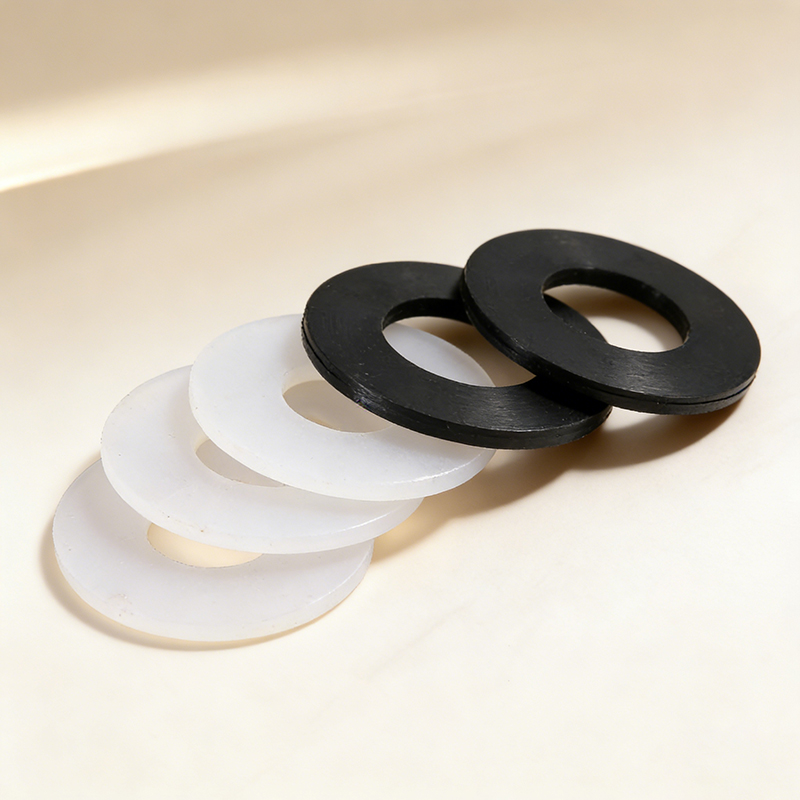
Cold weather testing reveals dramatic differences between materials. We conduct freeze tests on all our gasket materials to verify performance specifications.
Silicone rubber retains its elasticity even at Arctic temperatures. The material's unique polymer structure prevents crystallization that makes other rubbers brittle. I've seen silicone gaskets perform reliably in outdoor equipment operating in Canadian winters where temperatures drop to -40°F.
EPDM also handles cold well, maintaining flexibility to -65°F. This makes EPDM popular for automotive applications where gaskets must seal properly during cold starts. The material recovers quickly when temperatures rise.
Natural rubber and standard synthetic rubbers fail in cold conditions. These materials become hard and crack under compression. We only recommend them for indoor applications with stable temperatures.
Fluorocarbon gaskets work in extreme cold but cost significantly more. The investment makes sense for critical applications like aerospace or military equipment where failure isn't acceptable.
Temperature cycling creates additional stress. Gaskets expand and contract repeatedly, which can cause fatigue failure. We design gasket profiles with appropriate compression to accommodate thermal movement while maintaining seal integrity.
How Does Temperature Cycling Affect Gasket Lifespan?
Repeated heating and cooling cycles stress gasket materials through thermal expansion, contraction, and potential chemical changes over time.
Temperature cycling reduces gasket lifespan by 30-50% compared to constant temperature operation. Silicone and fluorocarbon materials show the best resistance to thermal cycling fatigue.
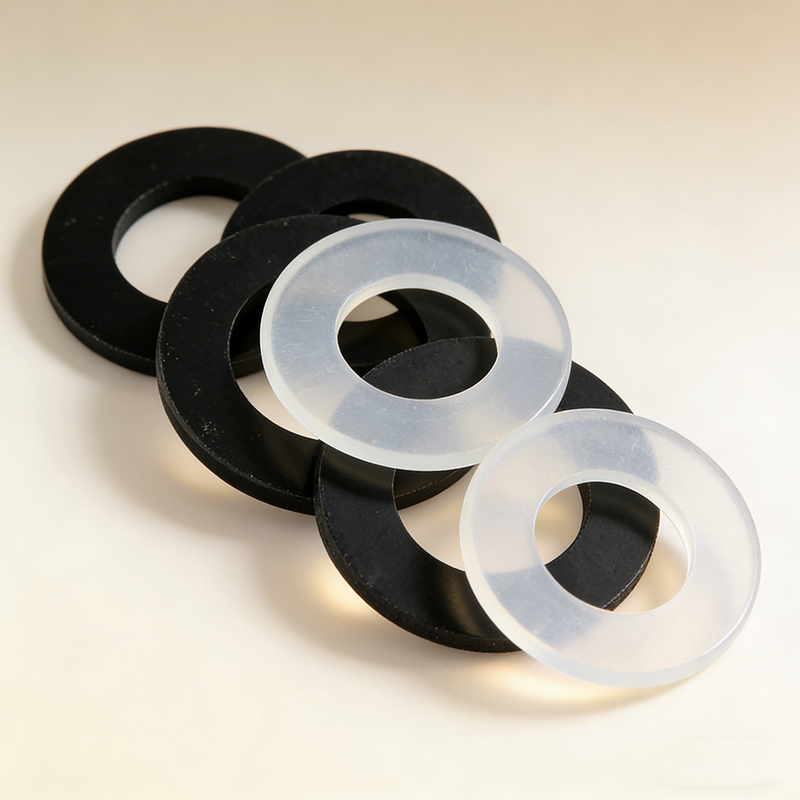
Our accelerated aging tests simulate years of temperature cycling in weeks. These tests help predict real-world performance and guide material recommendations.
Thermal expansion differences between gasket materials and mating surfaces create stress concentrations. Metal housings expand less than rubber gaskets during heating. This mismatch can cause gaskets to extrude or lose compression over time.
Silicone gaskets handle thermal cycling exceptionally well. The material's crosslinked structure maintains integrity through thousands of cycles. We've documented silicone gaskets surviving 10,000 temperature cycles from -40°F to 350°F with minimal property changes.
EPDM shows good cycling resistance within its temperature range. However, repeated exposure to maximum temperatures gradually hardens the material. We recommend operating EPDM gaskets at 80% of maximum temperature for extended cycling applications.
Chemical changes occur during thermal cycling. Polymer chains can crosslink further or break down depending on temperature and atmosphere. Antioxidants in rubber compounds help prevent degradation but eventually become depleted.
Proper gasket design minimizes cycling damage. We calculate thermal expansion rates for both gasket and housing materials. Groove dimensions account for expansion differences to maintain proper compression throughout the temperature range.
| Cycling Factor | Impact on Lifespan | Prevention Strategy |
|---|---|---|
| Thermal expansion mismatch | 40% reduction | Proper groove design |
| Chemical degradation | 30% reduction | Antioxidant additives |
| Mechanical fatigue | 25% reduction | Optimized compression |
| Oxidation exposure | 20% reduction | Protective atmosphere |
What Testing Methods Verify Temperature Performance?
Reliable testing protocols validate gasket temperature performance through standardized procedures that simulate real-world operating conditions.
ASTM D1414 and D395 standards measure rubber compression set at elevated temperatures. These tests predict long-term sealing performance by measuring permanent deformation after thermal exposure.
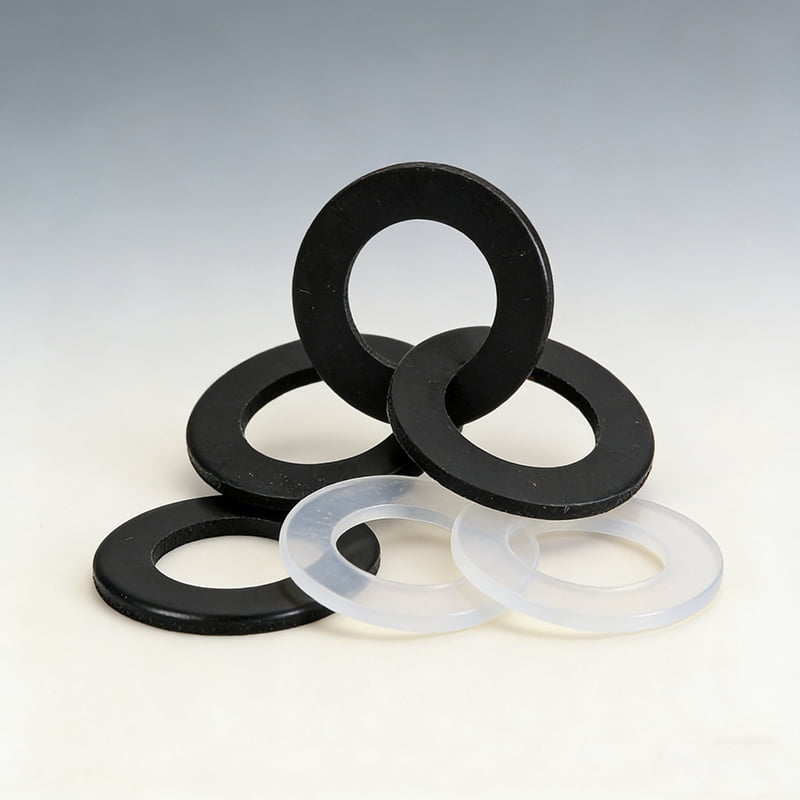
Our quality control laboratory follows strict testing protocols to verify every material batch meets specifications. Temperature testing takes weeks but ensures consistent performance.
Compression set testing measures permanent deformation after thermal exposure. We compress gasket samples to 25% of original thickness, then expose them to target temperatures for specified periods. Good materials show less than 30% compression set after 70 hours at maximum temperature.
Thermal aging tests expose gaskets to elevated temperatures without compression. These tests identify chemical changes that affect material properties. We monitor hardness, tensile strength, and elongation changes over time.
Dynamic testing simulates real-world conditions better than static tests. We cycle gaskets through temperature ranges while maintaining compression. This reveals problems that static testing might miss.
Accelerated aging uses higher temperatures to predict long-term performance quickly. The Arrhenius equation relates temperature to reaction rates, allowing us to predict 10-year performance from weeks of testing.
Environmental chambers control temperature, humidity, and atmosphere during testing. Some applications require testing in specific environments like ozone exposure or UV radiation.
Material certification requires extensive testing documentation. We provide complete test reports showing temperature performance data for critical applications. This documentation supports customer qualification processes and regulatory compliance.
Conclusion
Selecting gasket materials with appropriate temperature ratings ensures reliable sealing performance and prevents costly failures in demanding applications.