

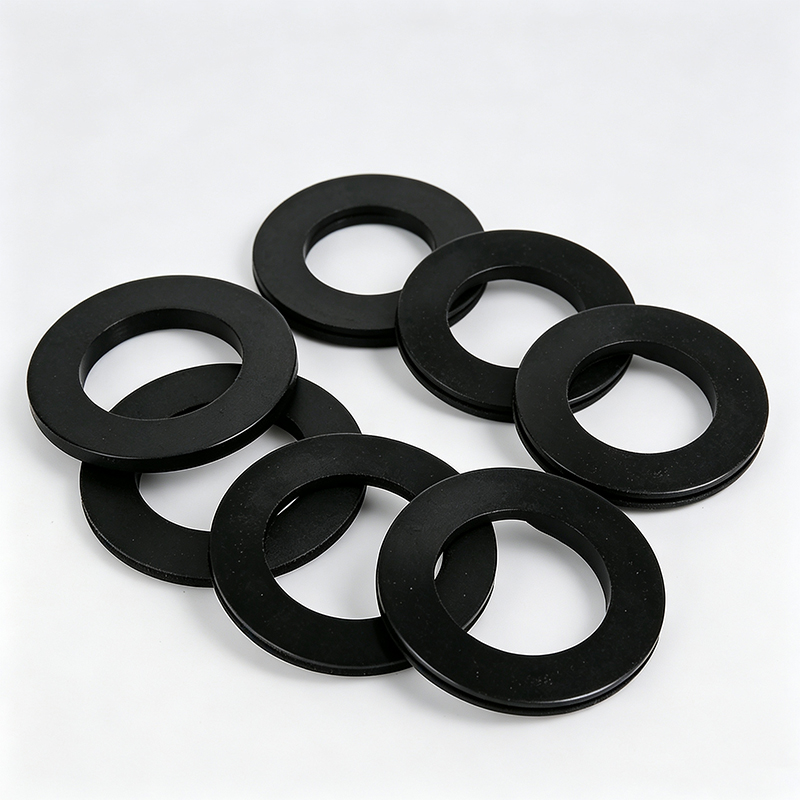
Engineers often ask about gasket materials when designing sealing systems. The wrong choice leads to leakage, downtime, and costly repairs.
The four main gasket materials are NBR (nitrile rubber), EPDM, Silicone, and FKM (Viton). Each material serves different applications based on temperature range, chemical compatibility, and environmental conditions.


After 27 years in gasket manufacturing, I have seen countless projects fail because engineers picked materials based on name recognition rather than actual requirements. The real question is not which four materials exist, but how to choose the right one for your specific application.
What makes NBR the go-to choice for oil applications?
NBR dominates automotive and industrial sealing where oil resistance matters most. Cost-effective solutions often start here.
NBR (Nitrile Butadiene Rubber) excels in petroleum-based oils, fuels, and hydraulic fluids. It offers excellent mechanical properties at moderate temperatures while maintaining reasonable costs for high-volume production.
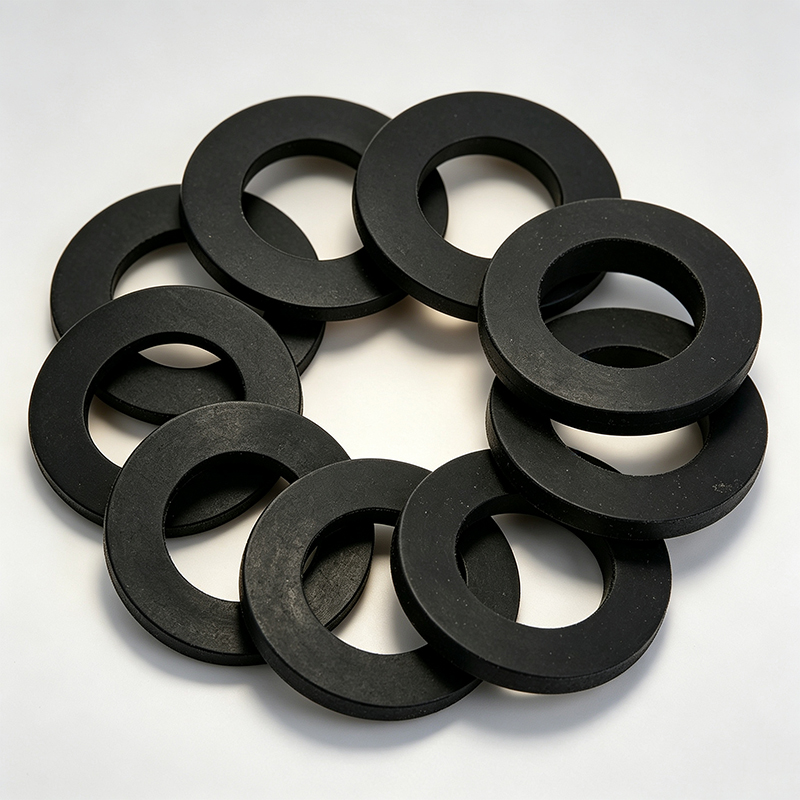
I remember working with an automotive client who needed gaskets for their transmission housing. They initially wanted "the cheapest option that works with oil." NBR seemed obvious, but we had to dig deeper into their specific requirements.
The transmission operated at temperatures up to 150°C with automatic transmission fluid exposure. Standard NBR compounds work well up to 120°C, but this application needed a heat-resistant NBR formulation. We also had to consider the gasket compression, as transmission housings create high bolt torques that can cause standard NBR to take compression set over time.
Our engineering team recommended a medium-acrylonitrile NBR compound with improved heat resistance. The material provided excellent oil compatibility while maintaining flexibility at operating temperatures. The gasket design included proper groove dimensions to prevent over-compression.
| Property | NBR Performance | Application Benefit |
|---|---|---|
| Oil Resistance | Excellent with petroleum oils | Prevents swelling and degradation |
| Temperature Range | -40°C to 120°C (standard grades) | Suitable for most automotive applications |
| Mechanical Strength | High tensile and tear resistance | Withstands installation and service stress |
| Cost | Low to moderate | Enables cost-effective high-volume production |
The key with NBR is matching the acrylonitrile content to your oil type. Higher acrylonitrile content improves oil resistance but reduces flexibility at low temperatures. For gasoline applications, medium-acrylonitrile grades often provide the best balance. For diesel fuel or heavy oils, high-acrylonitrile compounds may be necessary.
Why does EPDM dominate outdoor and water applications?
EPDM handles weather, ozone, and water better than most elastomers. Outdoor equipment relies on this material for long-term sealing performance.
EPDM (Ethylene Propylene Diene Monomer) provides superior weather resistance, ozone resistance, and water compatibility. It maintains flexibility across wide temperature ranges while resisting UV degradation and environmental aging.


One of our largest projects involved sealing gaskets for outdoor electrical enclosures used in solar installations. The customer needed gaskets that could survive 20+ years of desert conditions with temperature swings from -20°C to 80°C, plus intense UV exposure and occasional cleaning with industrial detergents.
EPDM became the clear choice, but compound selection required careful consideration. Standard EPDM provides good weather resistance, but desert UV exposure demanded additional stabilizers. We worked with our material supplier to develop a peroxide-cured EPDM compound with enhanced UV stabilizers and antioxidants.
The gasket design also mattered significantly. We created a dual-durometer design with a softer EPDM core for sealing and a harder EPDM outer layer for structural integrity. This prevented the gasket from becoming too soft during high-temperature periods while maintaining sealing force during cold nights.
| Environmental Factor | EPDM Response | Design Consideration |
|---|---|---|
| UV Exposure | Excellent with proper stabilizers | Requires UV-grade compounds for critical applications |
| Ozone | Outstanding natural resistance | No special precautions needed |
| Temperature Cycling | Maintains flexibility | Proper groove design prevents stress concentration |
| Water/Steam | Excellent compatibility | Compound selection affects hot water performance |
EPDM works exceptionally well with water-based systems, but engineers must consider the specific water chemistry. Chlorinated water, high-temperature steam, or water with specific pH levels may require specialized EPDM compounds. For potable water applications, we ensure our EPDM compounds meet relevant food-grade certifications.
When does silicone become the temperature solution?
Silicone operates across the widest temperature range while maintaining flexibility. Electronics and appliance manufacturers depend on this unique property combination.
Silicone rubber maintains flexibility from -60°C to 200°C while providing excellent electrical insulation properties. It resists temperature aging and offers biocompatibility for food and medical applications.
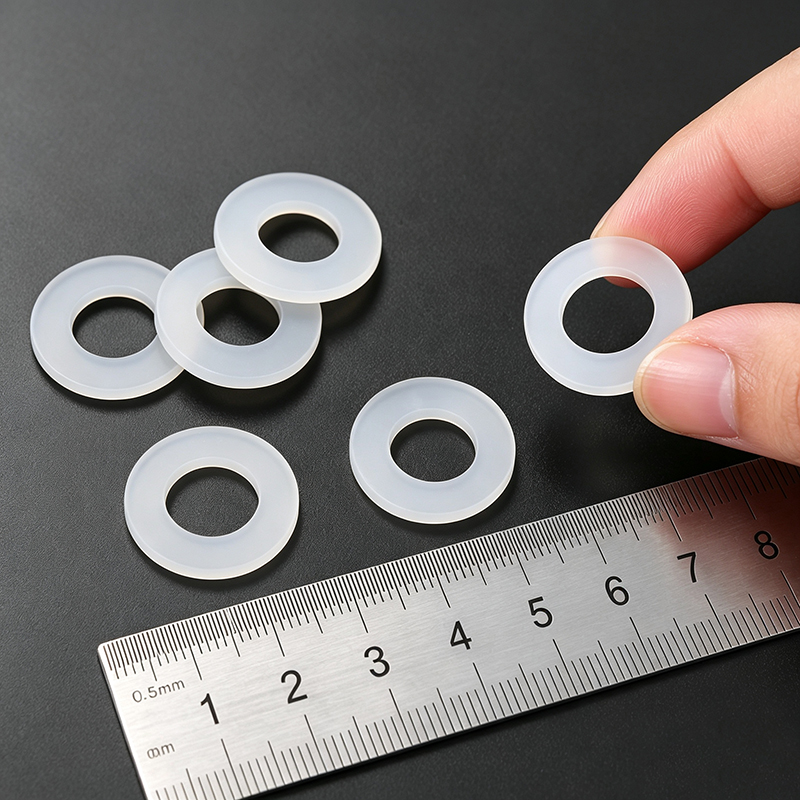
Our electronics clients frequently need gaskets for LED lighting assemblies that experience significant thermal cycling. One project involved outdoor LED streetlights where the gaskets sealed the driver compartment from moisture while handling temperature swings from winter cold to summer heat buildup inside the housing.
Standard elastomers would either become brittle in winter or lose sealing force during summer heat cycles. Silicone maintained consistent sealing performance across the entire temperature range. However, we had to address silicone's relatively low tear strength compared to other elastomers.
The solution involved optimizing the gasket cross-section and groove design to minimize stress concentrations during installation. We also specified a higher-durometer silicone (70 Shore A instead of 50 Shore A) to improve handling during assembly while maintaining adequate sealing force.
For food-grade applications, we use platinum-catalyzed silicone compounds that meet FDA requirements. These materials provide the same temperature performance while ensuring safety for food contact applications.
| Application Area | Silicone Advantage | Typical Requirements |
|---|---|---|
| Electronics | Wide temperature range + electrical insulation | -40°C to 150°C operating range |
| Appliances | Temperature stability + flexibility | Dishwasher/oven temperature cycling |
| Medical/Food | Biocompatibility + cleanability | FDA/USP compliance + sterilization resistance |
| Automotive | Temperature performance + durability | Engine compartment heat + cold start flexibility |
The main limitation of silicone is its poor resistance to oils and fuels. Projects involving hydrocarbon exposure generally require alternative materials. However, for applications prioritizing temperature performance and flexibility, silicone often provides the best long-term solution.
FKM handles the most demanding chemical and temperature combinations. When other materials fail, FKM often provides the solution that justifies its higher cost.
FKM (Fluoroelastomer/Viton) combines excellent chemical resistance with high-temperature capability up to 250°C. It resists aggressive chemicals, fuels, and oils while maintaining sealing performance in demanding industrial applications.
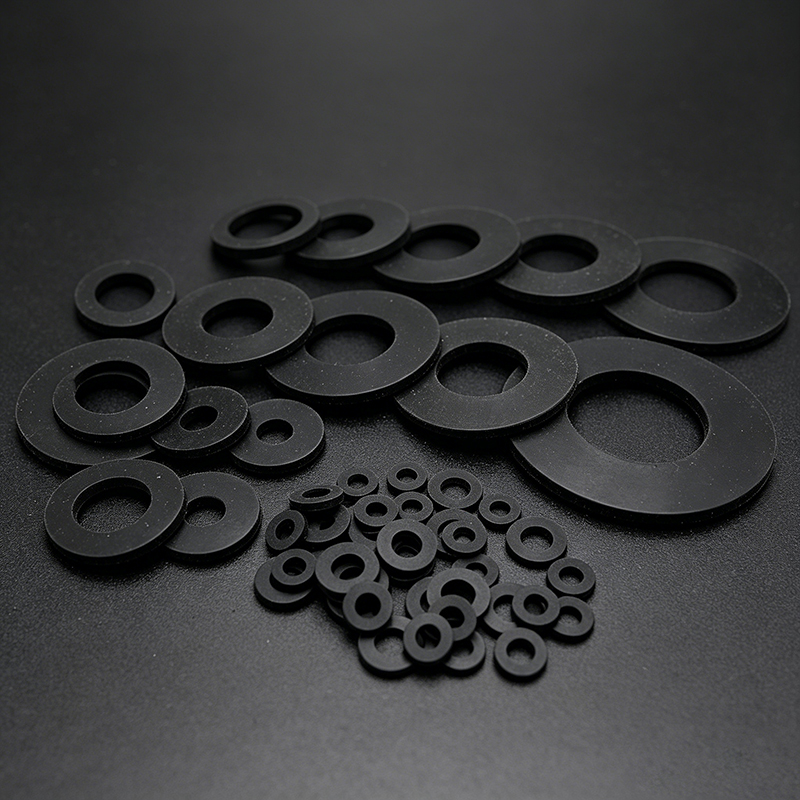
I worked on a project for chemical processing equipment where gaskets needed to seal aggressive solvents at elevated temperatures. The customer had tried NBR, EPDM, and silicone, but each material failed within months due to chemical attack or thermal degradation.
FKM solved the sealing challenge, but material selection still required careful analysis. Different FKM grades offer varying chemical resistance profiles. Type A FKM provides broad chemical resistance for most applications. Type B offers improved resistance to amines and ammonia. Specialty grades handle specific chemicals like methanol or steam.
For this chemical processing application, we selected a Type A FKM compound with enhanced high-temperature stability. The gasket design incorporated proper groove dimensions to accommodate FKM's higher modulus compared to general-purpose elastomers.
The project cost increased significantly compared to standard elastomers, but the extended service life and elimination of unplanned maintenance shutdowns justified the investment. FKM gaskets lasted over three years in service compared to three months with previous materials.
| Chemical Class | FKM Compatibility | Application Examples |
|---|---|---|
| Petroleum Products | Excellent | Fuel systems, hydraulic fluids |
| Acids | Good to excellent | Chemical processing, automotive |
| Bases | Variable (grade dependent) | Specialized chemical applications |
| Solvents | Generally excellent | Industrial cleaning, chemical manufacturing |
FKM selection requires matching the specific grade to your chemical environment. Our technical team works with customers to identify the exact chemicals, concentrations, and temperatures involved. This prevents over-specifying expensive specialty grades when standard FKM types provide adequate performance.
Conclusion
NBR, EPDM, Silicone, and FKM each serve specific sealing challenges based on operating conditions, not arbitrary preferences or cost alone.