

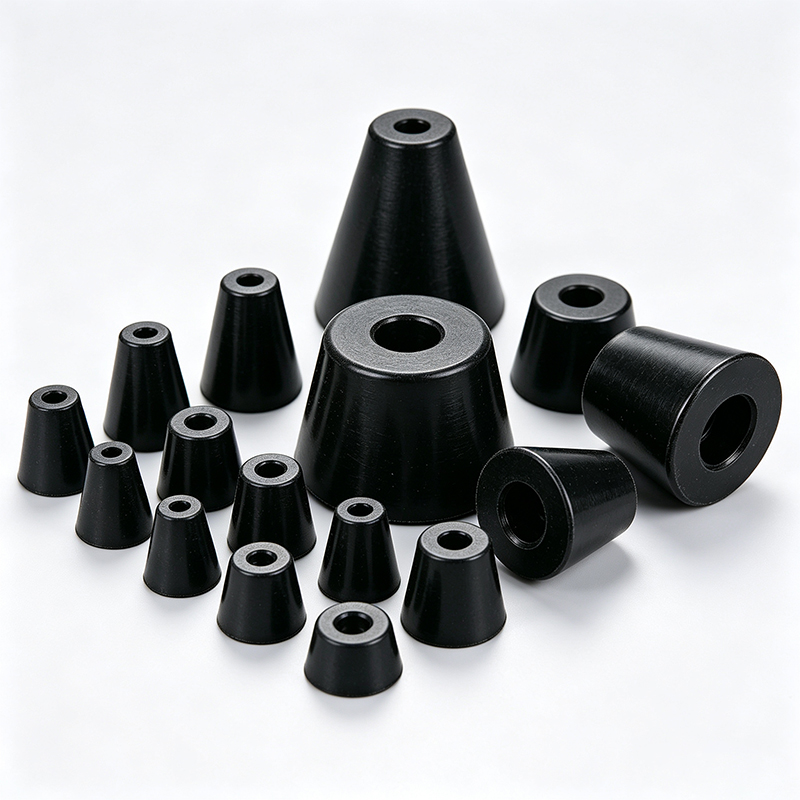
You might think rubber keeps electricity out completely. But as someone who has worked with rubber components for over 25 years, I have seen projects fail because teams assumed any rubber part would work for electrical insulation.
Rubber is not "immune" to electricity. The real question is whether your specific rubber compound and component design can provide the electrical insulation you need under your actual operating conditions. Different rubber materials have very different electrical properties, and the finished part's performance depends on many factors beyond just being "rubber."
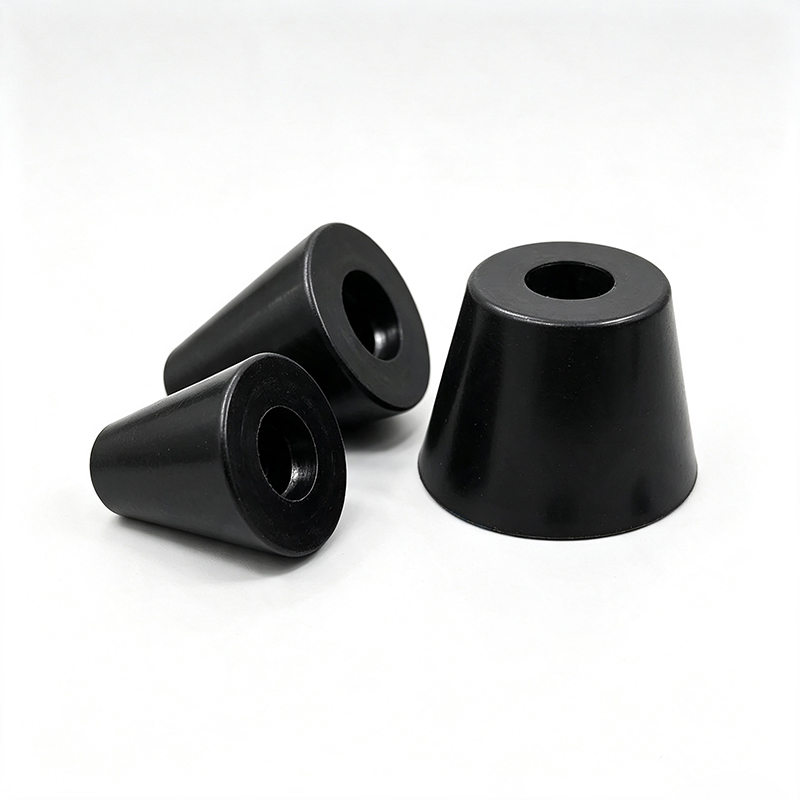
I have watched engineering teams make costly mistakes by treating "rubber" as an automatic electrical solution. Let me share what I have learned about the real risks and how to avoid them.
What Makes Engineers Think All Rubber Insulates Electricity?
Most people grow up thinking rubber stops electricity. We see rubber gloves, rubber boots, and rubber-coated wires everywhere. This creates a simple mental rule that seems safe and obvious.
The assumption "rubber equals electrical insulation" comes from everyday experience, but industrial applications require much more precise material specifications than household products. Your rubber component must meet specific electrical performance requirements, not just be made of rubber.


I remember working with a client who needed rubber gaskets for an electrical control panel. Their mechanical engineer specified "rubber gaskets" on the drawing. When I asked about the electrical requirements, they said "it is rubber, so it will insulate." That assumption almost caused a major project delay.
The problem is that rubber is not one material. We have silicone rubber, EPDM rubber, NBR rubber, natural rubber, and many specialized compounds. Each has different electrical properties. Some rubber compounds include conductive fillers for specific applications. Others have additives that affect their insulation performance.
Your electrical performance also depends on the part thickness, surface condition, moisture exposure, temperature, applied voltage, and manufacturing quality. A rubber component can look perfect and still not provide the electrical insulation you need.
In our factory, we have tested identical rubber parts from the same mold. Some passed electrical testing while others failed, due to small variations in material mixing or curing conditions. This taught me that electrical insulation requires controlled processes, not just rubber material.
How Do Projects Fail When Teams Assume Rubber Always Insulates?
I have seen the same failure pattern many times. A project team needs electrical insulation, specifies "rubber component," approves samples based on mechanical fit, then discovers electrical problems during final testing.
Project failures typically follow this sequence: mechanical design specifies "rubber insulator" → supplier selects available compound → samples pass dimensional inspection → tooling proceeds → mass production begins → electrical validation reveals insulation problems → costly redesign and delays result.
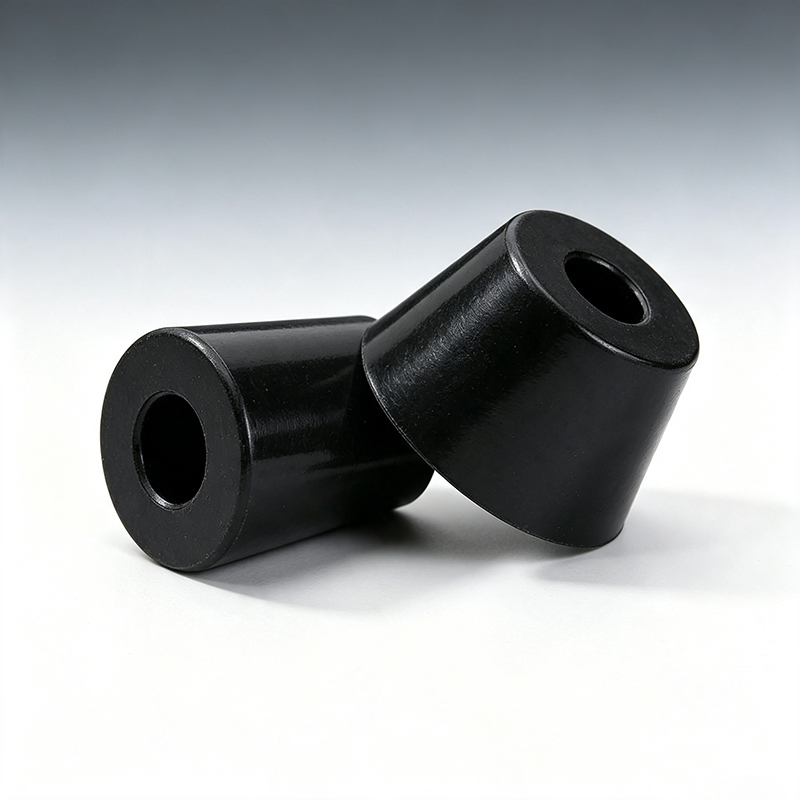
Let me tell you about a real situation that happened in our factory. A customer needed rubber components for industrial control equipment. Their purchasing team requested quotes for "rubber insulating parts" with mechanical drawings showing dimensions and hardness.
We proposed our standard EPDM compound because it met the mechanical requirements. The customer approved samples based on fit and appearance. We produced tooling and started mass production. Everything seemed normal.
Three months later, the customer called with urgent concerns. Their final electrical testing showed inconsistent insulation performance. Some units passed while others failed. The investigation initially focused on wiring and metal components. Nobody suspected the rubber parts because "rubber is supposed to insulate."
The real problem was that their application required specific dielectric strength under high humidity conditions. Our standard EPDM compound was not optimized for their electrical requirements. The mechanical properties were correct, but the electrical performance was inadequate.
This created a cascade of problems. The customer needed new material evaluation, revised samples, electrical testing, mechanical revalidation, and production delays. The original assumption that "rubber means electrical insulation" had created a hidden risk that only appeared during final validation.
The most frustrating part was that we could have provided the right material from the beginning. We manufacture rubber compounds specifically designed for electrical insulation applications. But the original specification did not define the electrical requirements clearly enough for us to recommend the optimal solution.
What Electrical Properties Actually Matter for Rubber Components?
When you need electrical insulation from rubber, several technical factors determine whether your component will work reliably in your application.
The key electrical properties include dielectric strength, volume resistivity, surface resistivity, dielectric constant, and dissipation factor. These properties vary significantly between different rubber compounds and can change based on temperature, humidity, contamination, and mechanical stress.
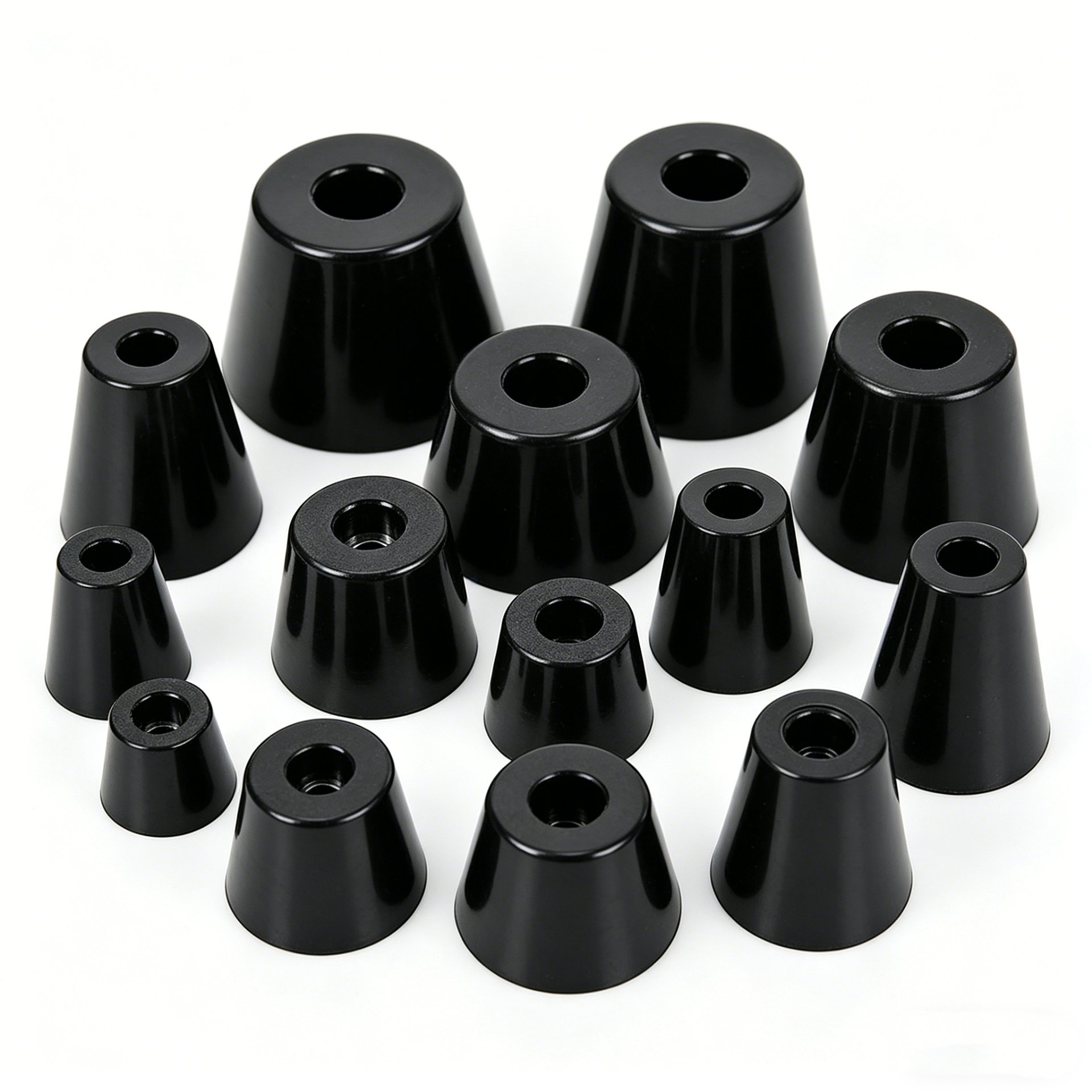
Dielectric strength measures how much voltage your rubber can withstand before electrical breakdown occurs. This is usually expressed in volts per unit thickness. A thicker part can generally handle higher voltages, but the relationship is not always linear.
Volume resistivity indicates how well the bulk material resists electrical current flow. Surface resistivity measures resistance across the surface. Both are important because electricity can travel through the material or across contaminated surfaces.
Temperature affects all these properties. Most rubber materials show decreased electrical resistance as temperature increases. Some compounds that provide excellent insulation at room temperature become much less effective at elevated temperatures.
Humidity is another critical factor. Moisture can create conductive paths across rubber surfaces, especially if contamination is present. Some rubber compounds absorb moisture, which changes their electrical properties over time.
Mechanical stress can also affect electrical performance. When rubber components are compressed, stretched, or bent, their internal structure changes. This can create pathways for electrical current that did not exist in the unstressed state.
In our laboratory, we test rubber samples under various conditions to understand how these factors interact. We measure electrical properties at different temperatures, humidity levels, and mechanical loads. This data helps us recommend the right compound for each application.
The compound formulation makes a huge difference. Carbon black fillers can make rubber conductive. Silica fillers generally maintain insulation properties. Metal oxide fillers may provide specific electrical characteristics. The base polymer, curing system, and processing aids all contribute to the final electrical performance.
How Can You Specify Rubber Components for Electrical Applications?
The key to success is defining your electrical requirements as clearly as your mechanical requirements. This prevents expensive surprises during final testing and production.
Effective specifications should include the rubber compound type, required electrical properties, operating voltage, temperature range, humidity conditions, contamination exposure, and relevant test methods. The specification should also define acceptable limits and production inspection requirements.


Start by identifying what electrical function your rubber component must provide. Are you separating conductive parts? Protecting against accidental contact? Maintaining insulation under specific voltage conditions? Different functions may require different material approaches.
Define the operating conditions your component will experience. What is the maximum voltage? What temperature range? Will there be humidity or condensation? Could contamination accumulate on surfaces? Will the part be compressed or deformed during use?
Specify the rubber compound family that meets your requirements. Silicone rubber offers excellent temperature stability and electrical properties. EPDM provides good weathering resistance and insulation. NBR offers oil resistance but may have different electrical characteristics. Each family has advantages for specific applications.
Include relevant electrical test methods in your specification. ASTM D149 covers dielectric strength testing. ASTM D257 addresses resistivity measurements. IEC 60093 provides additional resistivity test procedures. Reference the specific test method that applies to your application.
Define acceptance criteria with numerical limits. Instead of "good electrical insulation," specify "minimum dielectric strength of X volts per millimeter" or "minimum volume resistivity of Y ohm-centimeters." This creates measurable requirements that suppliers can verify.
Consider the manufacturing process effects on electrical properties. Compression molding, transfer molding, and injection molding can produce different results with the same compound. Curing time and temperature affect the final electrical characteristics. Post-curing may be required for optimal performance.
Work with your supplier to validate the complete component, not just the raw material. A rubber compound that shows excellent electrical properties in laboratory testing may behave differently when molded into your specific geometry and installed in your application.
Conclusion
Rubber is not immune to electricity, and assuming it is can create serious project risks that appear late in development when they are most expensive to fix.