

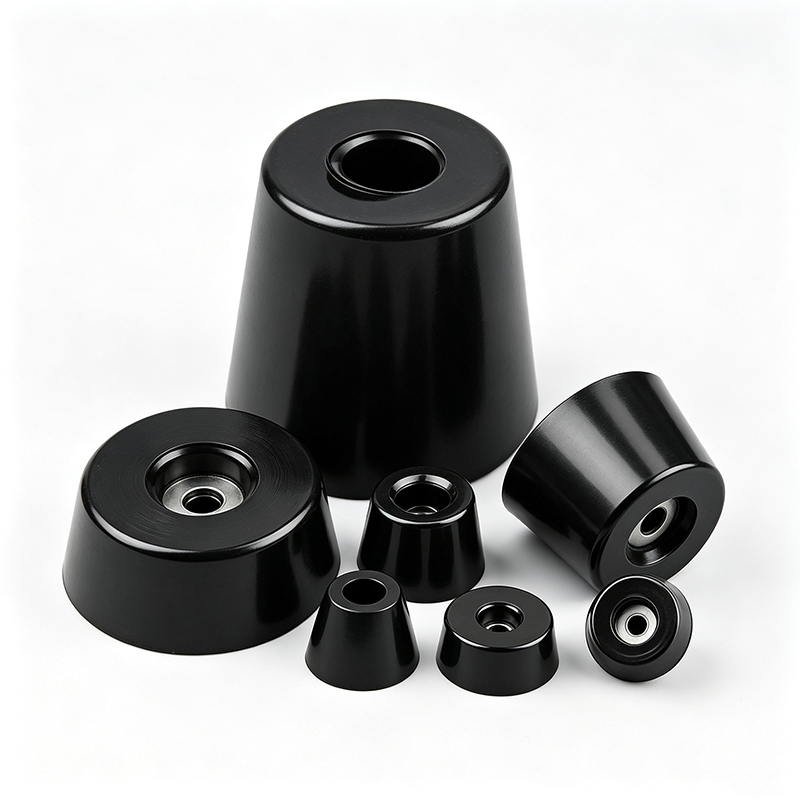
Vibration problems plague countless manufacturing projects. Equipment shakes, customers complain, and deadlines slip.
Rubber can reduce vibration transmission through its viscoelastic properties, but success depends on matching the material, geometry, and hardness to specific load conditions, mounting systems, and frequency ranges rather than simply choosing "softer" rubber.


After 27 years in rubber manufacturing, I have seen too many projects fail because teams treat vibration control as a simple material choice. The reality is more complex and more interesting.
Does Softer Rubber Always Mean Better Vibration Control?
Most engineers assume softer equals better. The logic seems obvious - soft rubber deforms more, so it should absorb more energy.
Softer rubber reduces high-frequency vibration transmission but can increase low-frequency movement, static compression, and system instability. The optimal hardness depends on load distribution, mounting geometry, and acceptable deflection limits.
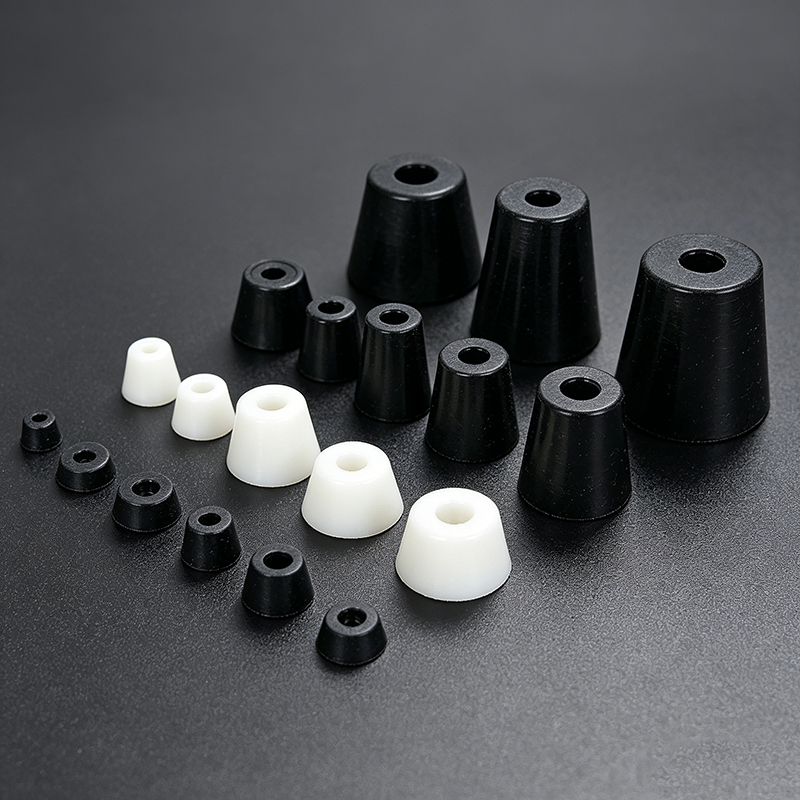
I learned this lesson during a challenging project with an industrial control enclosure manufacturer. Their team selected 40 Shore A rubber feet to replace 60 Shore A components, expecting better vibration isolation. The prototype felt quieter during bench testing. Everyone celebrated the improvement.
Three months later, customer complaints started arriving. The equipment wobbled during operation. The softer rubber compressed too much under load, creating lateral instability that actually amplified certain vibration modes.
The Engineering Reality Behind Rubber Hardness
Rubber hardness affects three critical parameters simultaneously:
| Hardness Range | Compression Behavior | Vibration Isolation | Stability |
|---|---|---|---|
| 30-40 Shore A | High compression | Good high-frequency isolation | Lower lateral stability |
| 50-60 Shore A | Moderate compression | Balanced performance | Good stability |
| 70-80 Shore A | Low compression | Limited isolation | High stability |
The problem is not the hardness itself. The problem is treating hardness as the only variable. Successful vibration control requires balancing isolation performance against mechanical stability. A component that reduces vibration but allows excessive movement has simply converted one problem into another.
We solved the enclosure project by redesigning the rubber foot geometry. Instead of making the rubber softer, we increased the contact area and optimized the height-to-diameter ratio. This provided the required vibration isolation while maintaining dimensional stability under load.
What Happens When Vibration Requirements Are Not Clearly Defined?
The most dangerous phrase in any project meeting is "just make it absorb vibration better." This vague requirement leads to expensive mistakes.
Undefined vibration requirements cause suppliers to guess at material selection, leading to prototypes that pass basic testing but fail under actual operating conditions, discovered only after tooling investment.
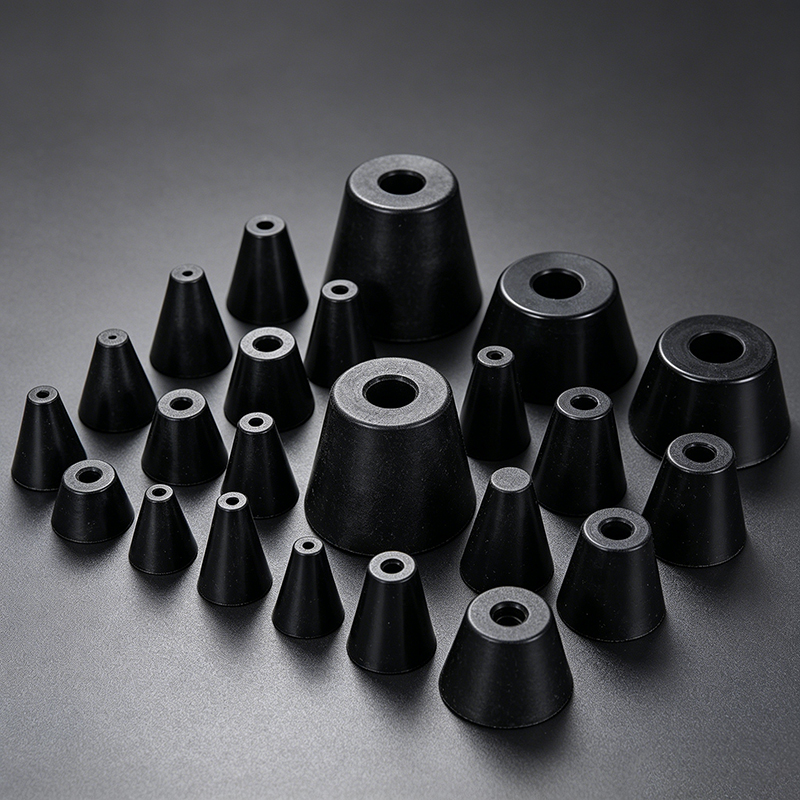
I remember working with an automotive supplier who needed rubber mounts for a small electric motor. Their initial RFQ specified dimensions, hardness, and material type. Nothing about load conditions, vibration frequency, or acceptable movement limits.
Our engineering team made reasonable assumptions based on similar applications. We recommended 55 Shore A EPDM with specific geometry. The prototype samples worked well in their laboratory testing. The customer approved the design and authorized tooling.
During mass production validation, problems emerged. The actual motor generated different vibration frequencies than our assumptions. The rubber mounts isolated some frequencies effectively but amplified others through resonance. The customer's acceptance testing failed.
The Hidden Cost of Assumption-Based Design
When vibration requirements are unclear, the project enters a dangerous assumption chain:
Supplier assumes load conditions → Customer assumes performance → Both assume the prototype represents production → Reality reveals the gaps
The correction required new material selection, geometry modifications, and tooling changes. What started as a simple rubber component became a three-month engineering project with additional costs exceeding the original component price by 400%.
The lesson changed how we approach every vibration project. Now we require customers to define:
- Equipment mass and load distribution
- Vibration frequency ranges
- Acceptable static compression limits
- Maximum allowable lateral movement
- Operating temperature and environment
- Mounting method and constraints
These requirements might seem excessive for a "simple rubber part." But vibration control is never simple when the stakes include production schedules and customer satisfaction.
How Do Load Conditions Affect Rubber Vibration Performance?
Rubber behaves differently under different loads. The same material can provide excellent vibration isolation in one application and complete failure in another.
Load conditions determine rubber compression, which directly affects stiffness and natural frequency. A rubber component optimized for 10 kg load will perform poorly under 50 kg load due to over-compression and stiffness changes.
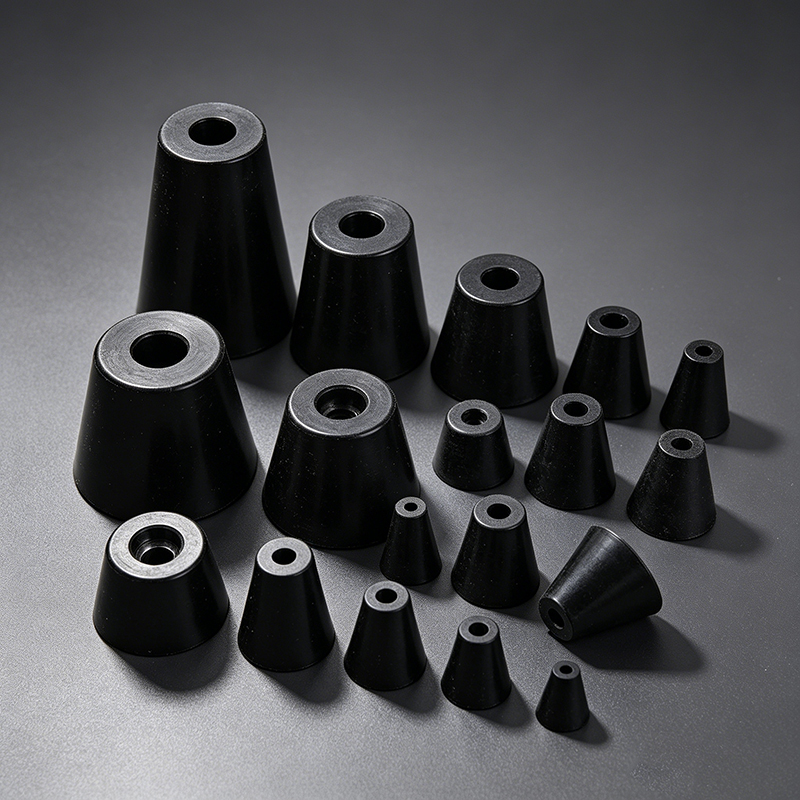
We discovered this principle during a project with a medical device manufacturer. They needed vibration isolation for sensitive electronic equipment weighing approximately 15 kg. Our initial design used four rubber feet with 50 Shore A silicone.
The prototype testing went smoothly. The rubber compressed about 2mm under load, providing good vibration isolation without excessive movement. The customer approved the design and moved to production.
During final assembly, the customer added additional components, increasing the total weight to 22 kg. Nobody informed us about this change. The rubber feet now compressed 4mm instead of 2mm. This compression change shifted the system's natural frequency into the range of the equipment's operating vibration.
Understanding the Load-Performance Relationship
Rubber stiffness is not constant. It changes with compression according to the material's stress-strain curve. Small load changes can create significant performance changes:
| Load Increase | Compression Change | Stiffness Change | Performance Impact |
|---|---|---|---|
| +25% | +60-80% | +40-60% | Frequency shift possible |
| +50% | +120-150% | +80-120% | Likely performance change |
| +100% | +200-300% | +150-250% | Complete recharacterization needed |
The medical device project taught us to build load margins into our designs. We now recommend testing rubber components at 120-150% of nominal load to verify that performance remains acceptable under worst-case conditions.
The solution involved redesigning the rubber feet with lower initial compression. We changed from four feet to six feet, distributing the load more evenly. We also adjusted the rubber compound to maintain the desired stiffness range under the actual load conditions.
Why Do Prototype Successes Sometimes Become Production Failures?
Prototype validation often misses critical factors that only emerge during mass production. The controlled conditions of prototype testing do not always represent real-world variation.
Production failures occur when prototype testing evaluates single samples under idealized conditions while production involves material variation, assembly tolerance accumulation, and real operating environments that change system dynamics.
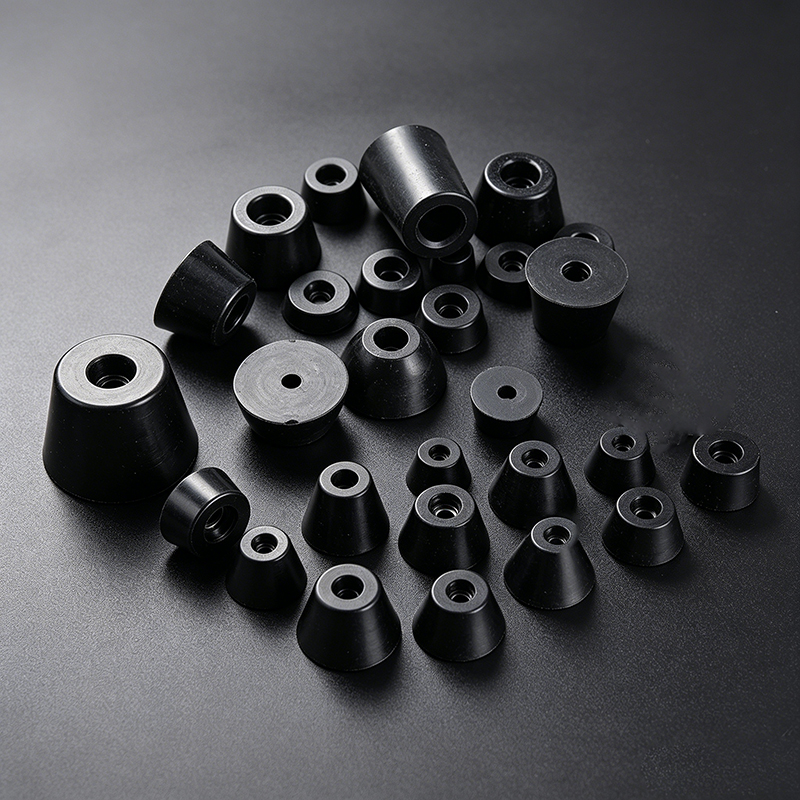
One of our most challenging projects involved rubber isolation mounts for industrial pumps. The prototype phase went perfectly. Our laboratory testing showed excellent vibration isolation across the required frequency range. The customer's validation confirmed our results.
Production began with confidence. The first batch of 500 units passed incoming inspection and dimensional checks. Assembly proceeded normally. Then the customer's quality team discovered that about 15% of the assembled pumps showed higher vibration levels than specification.
Investigation revealed the problem was not defective rubber. It was normal manufacturing variation interacting with assembly tolerances. The rubber hardness varied ±3 Shore A within specification. The mounting holes varied ±0.2mm within tolerance. The pump housing had normal machining variation.
The Accumulation Effect in Production
Individual variations within specification can accumulate to create system-level problems:
Rubber variation + mounting tolerance + assembly variation + load variation = performance outside acceptable range
In the pump project, we discovered that when softer rubber samples were installed in assemblies with maximum mounting tolerance, the effective compression exceeded our design assumptions. This changed the vibration isolation characteristics enough to cause specification failures.
The solution required tightening our internal hardness control from ±3 Shore A to ±2 Shore A and working with the customer to adjust their assembly process. We also modified our validation testing to include worst-case tolerance combinations rather than nominal conditions only.
This experience changed our approach to prototype validation. We now test multiple samples representing the expected production variation range, not just the best samples from initial tooling trials.
Conclusion
Rubber can effectively control vibration when properly engineered as part of a complete mechanical system, not as an isolated material choice.