

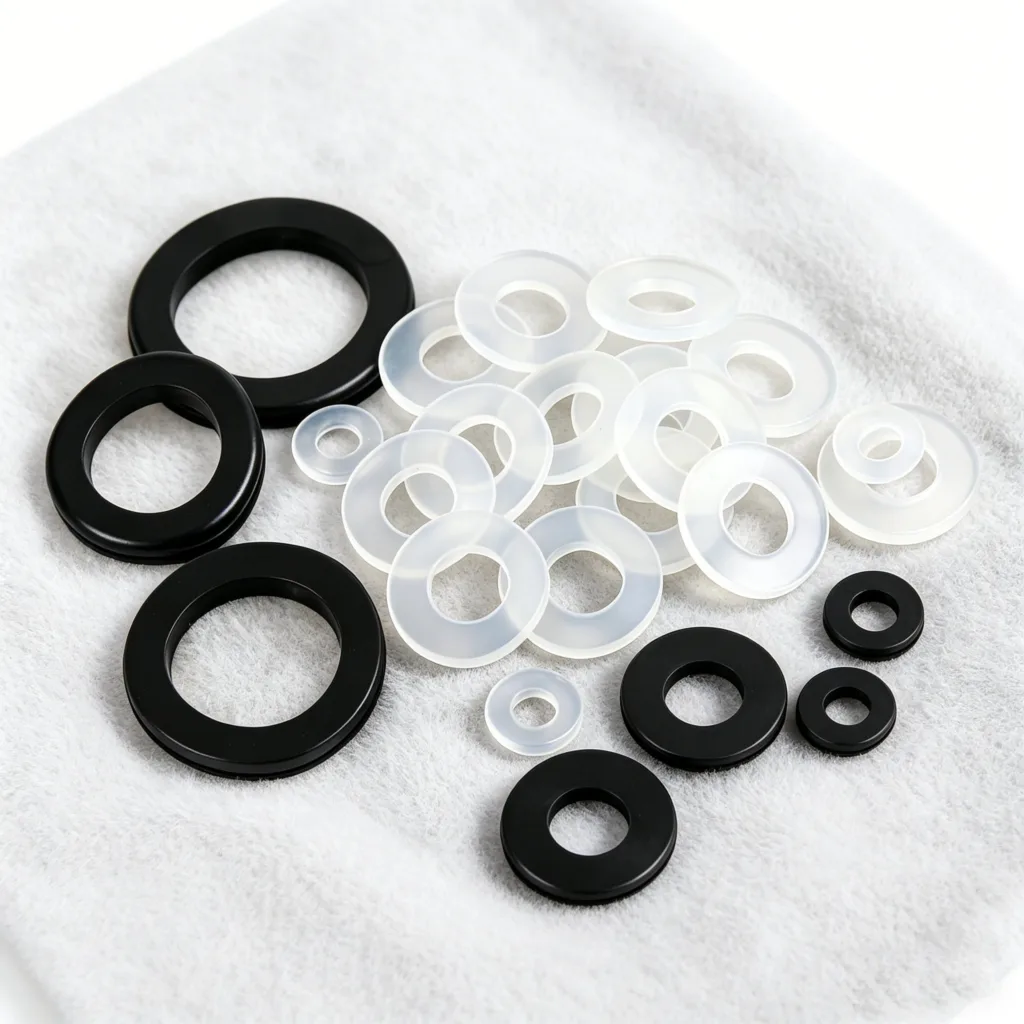
After working on hundreds of sealing projects, I've learned that most gasket failures happen because of one simple mistake. People choose the wrong material for their specific working conditions.
The key to selecting the right gasket is matching the material to your exact working environment. This means considering temperature, chemical contact, and pressure requirements before making any decisions. Getting this right prevents 90% of sealing failures.
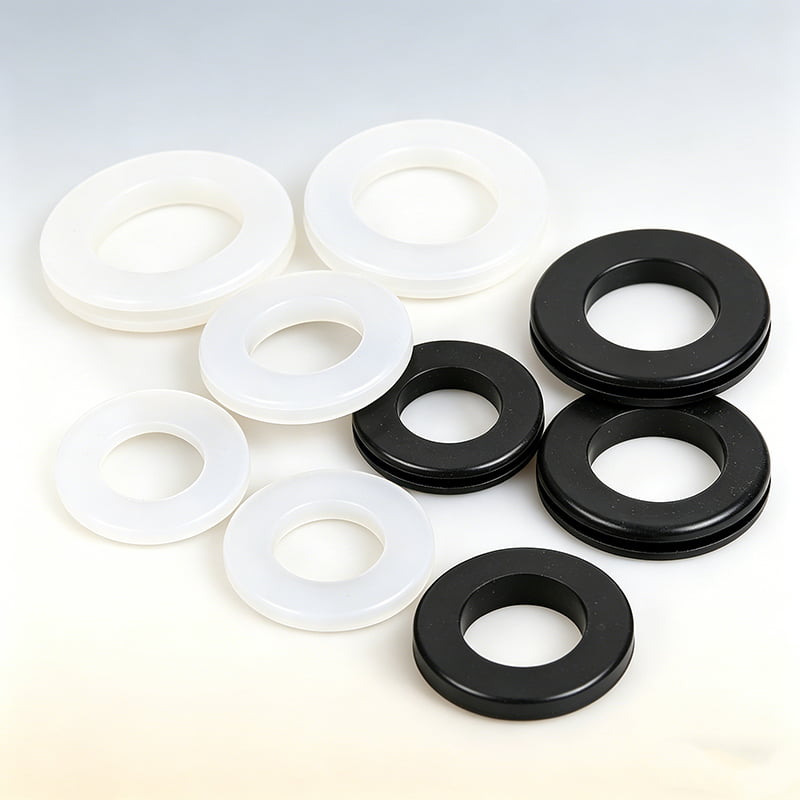
Most engineers think all gaskets work the same way. They don't. Each material has specific strengths and weaknesses. Understanding these differences will save you from costly failures and warranty claims.
What Temperature Range Will Your Gasket Face?
Temperature is the number one factor that destroys gaskets. I've seen too many projects fail because someone picked a standard rubber gasket for a high-heat application.
Temperature directly affects gasket performance and lifespan. Silicone gaskets work from -60°C to 200°C, while standard rubber fails above 80°C. EPDM handles moderate heat well, and NBR works best in room temperature applications.
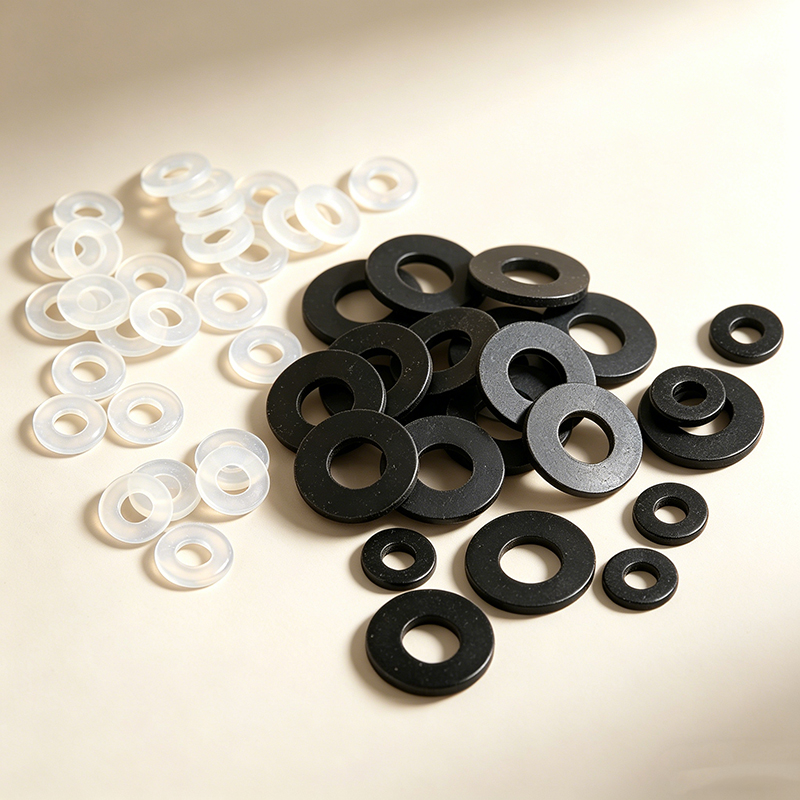
Here's what I've learned from real projects. Outdoor applications always need UV-resistant materials. Indoor electronics need consistent performance across temperature cycles. Automotive parts face extreme temperature swings.
We had one client making LED outdoor lights. They used standard rubber gaskets and faced constant failures. The problem wasn't assembly quality. It was material choice. Rubber breaks down under UV exposure and temperature cycling.
| Material | Temperature Range | Best Applications | Limitations |
|---|---|---|---|
| Silicone | -60°C to 200°C | Outdoor, high-temp | Higher cost |
| EPDM | -40°C to 120°C | Weather sealing | Limited oil resistance |
| NBR | -30°C to 100°C | Oil contact | Poor ozone resistance |
| Natural Rubber | -50°C to 80°C | General purpose | UV degradation |
The solution was simple. We switched them to custom silicone gaskets designed for their exact compression requirements. The results spoke for themselves. No more field failures. Longer product life. Fewer customer complaints.
Which Chemicals Will Contact Your Gasket?
Chemical compatibility kills more gaskets than temperature. Oil dissolves some rubbers. Acids attack others. Even water can cause problems with the wrong material.
Chemical resistance determines gasket lifespan and reliability. NBR resists oils and fuels excellently. EPDM handles water and mild chemicals. Silicone offers broad chemical resistance but costs more. Mismatched materials fail within months.
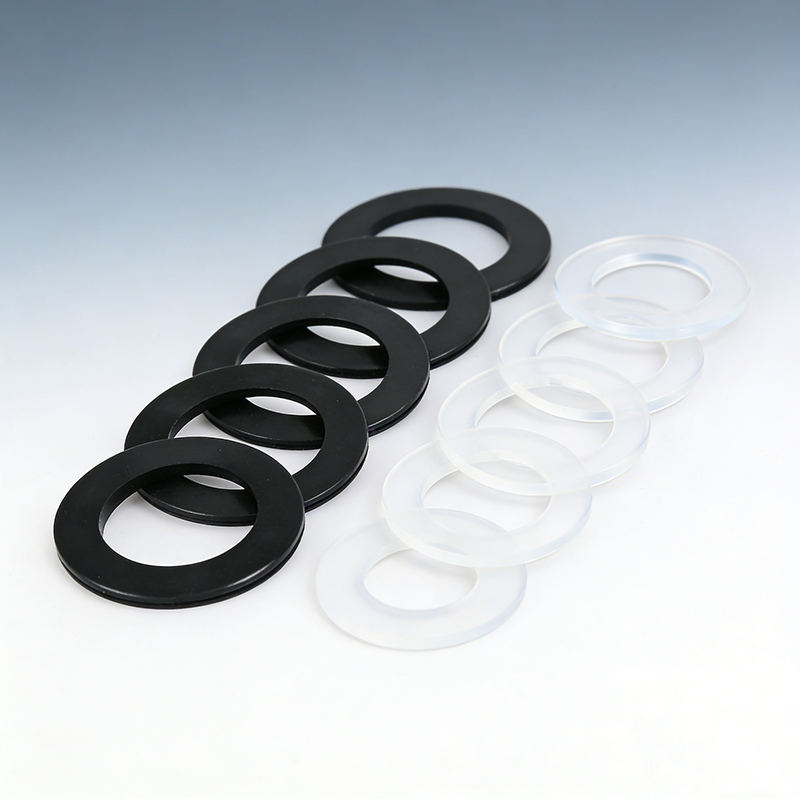
I always ask three questions about chemical exposure. What liquids will touch the gasket? What cleaning chemicals will be used? Are there any aggressive substances in the environment?
One automotive client had transmission sealing issues. They used EPDM gaskets because they were cheaper. But EPDM swells in transmission fluid. The gaskets lost their sealing ability within weeks.
We analyzed their application completely. The transmission used synthetic oil at 120°C. It needed resistance to petroleum products and heat cycling. NBR was the obvious choice.
The engineering process matters here. We don't just pick materials from a chart. We test samples in actual working conditions. This includes temperature cycling, chemical immersion, and compression testing.
| Chemical Type | NBR Rating | EPDM Rating | Silicone Rating | Recommended Use |
|---|---|---|---|---|
| Motor Oil | Excellent | Poor | Good | NBR preferred |
| Water | Good | Excellent | Excellent | EPDM or Silicone |
| Acids (mild) | Fair | Good | Excellent | Silicone recommended |
| Alcohols | Poor | Excellent | Good | EPDM preferred |
| UV Exposure | Poor | Good | Excellent | Silicone only |
How Much Pressure and Compression Will It Handle?
Pressure requirements determine gasket design and material hardness. Too soft and it extrudes under pressure. Too hard and it won't seal properly. Getting this balance right requires engineering experience.
Gasket hardness and design must match your pressure requirements. Low-pressure applications need softer materials for better sealing. High-pressure systems require harder compounds and specific groove designs. Wrong hardness causes immediate failure.


Pressure isn't just about the system pressure. It's about how the gasket gets compressed during assembly. Some applications need high compression to seal. Others work better with minimal squeeze.
We had a medical device client with sealing problems. Their gaskets worked fine in testing but failed in production. The issue was assembly variation. Some units compressed the gasket 20%. Others compressed it 40%.
The solution required two changes. First, we designed a gasket with a wider compression range. Second, we specified assembly torque requirements. This gave consistent sealing across all production units.
Material hardness affects everything. Shore A 40 gaskets seal easily but extrude under pressure. Shore A 70 gaskets resist pressure but need more compression force. Shore A 60 often provides the best balance.
| Pressure Range | Recommended Hardness | Material Choice | Design Considerations |
|---|---|---|---|
| 0-5 PSI | Shore A 40-50 | Silicone/EPDM | Minimal compression |
| 5-50 PSI | Shore A 50-60 | NBR/EPDM | Standard O-ring design |
| 50-200 PSI | Shore A 60-70 | NBR | Backup rings may be needed |
| 200+ PSI | Shore A 70-80 | NBR/FKM | Custom groove design required |
Groove design matters as much as material choice. The groove must support the gasket under pressure. It must allow proper compression without damage. It must prevent extrusion while maintaining seal contact.
Conclusion
Selecting the right gasket comes down to matching material properties with real working conditions. Temperature, chemicals, and pressure determine everything else. Getting this right from the start prevents failures and saves money long-term.