

Choosing the right gasket seems simple at first. You pick a material, set the size, check the hardness, and order samples. But this approach can lead to expensive failures later.
The right gasket choice depends on your complete sealing system, not just the rubber material. You need to match the gasket design, material, and compression to your actual assembly and operating conditions.
I have seen many projects where the gasket passed all initial tests but failed during mass production. The problem was not the gasket itself. The problem was how we approached the selection process.
What Makes Gasket Selection More Complex Than You Think?
Most teams start with the wrong question. They ask "which rubber should we use?" instead of asking about their sealing requirements first.
Gasket selection is a system-level decision. The gasket must work within your specific assembly conditions, not just meet general material properties.
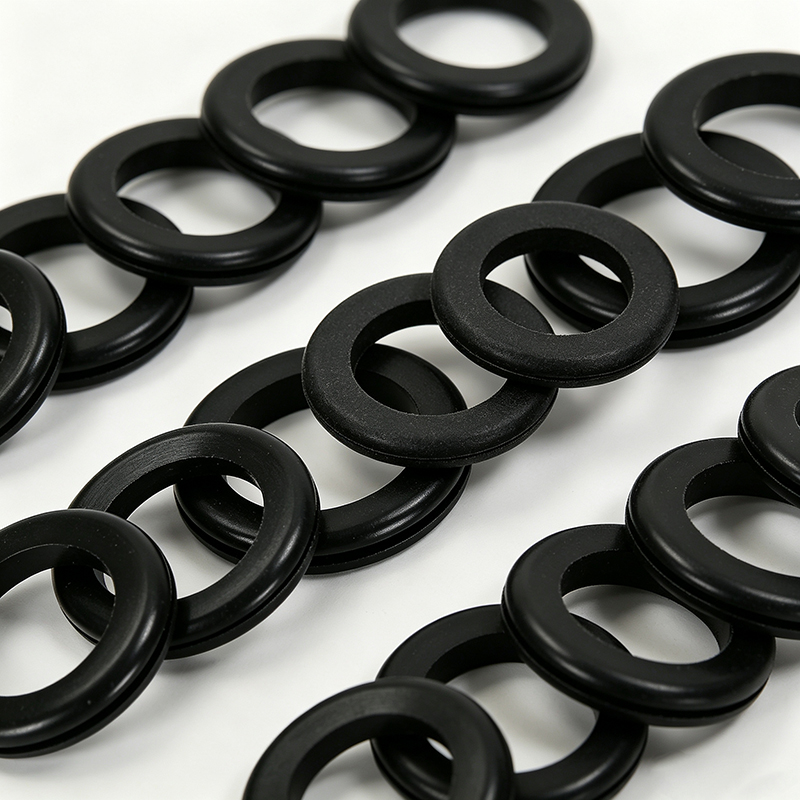
I remember working with an electronics manufacturer who selected EPDM gaskets based on cost and general weather resistance. The material choice was correct, but they never evaluated the compression requirements. During assembly, some units had too little compression while others had too much. The result was inconsistent sealing performance across their production line.
The real challenge is that gasket performance depends on multiple factors working together. Your material choice affects compression behavior. Your groove design affects stress distribution. Your assembly tolerances affect final compression. Your operating environment affects long-term performance. You cannot optimize these factors separately.
Here is what I learned from 27 years in gasket manufacturing. The projects that succeed treat gasket selection as an engineering problem. The projects that fail treat it as a purchasing decision. The difference shows up during mass production when it costs the most to fix.
How Do Application Requirements Drive Material Selection?
Your operating environment should determine your material choice, not the other way around. Too many teams pick a familiar material first, then try to make it work in their application.
Start by defining your complete operating environment. Then select the material that can handle those specific conditions throughout your expected service life.
Let me share what this means in practice. We had a customer developing medical equipment that required FDA-compliant sealing. Their initial specification asked for "food-grade silicone" without defining the actual contact conditions. When we reviewed their application, we found the gasket would contact cleaning chemicals, experience temperature cycling, and need repeated assembly. The generic food-grade specification was not sufficient. We needed a specific silicone compound that could handle chemical exposure, maintain compression recovery after thermal cycling, and resist tearing during assembly.
Your material evaluation should cover temperature range, chemical exposure, mechanical stress, environmental factors, and service life. But you also need to consider how these factors interact. A material that works well at room temperature might fail at your maximum operating temperature. A compound that resists one chemical might degrade when exposed to a combination of chemicals. An elastomer that seals well initially might lose compression after thermal cycling.
The key is matching your material properties to your actual use conditions. EPDM works well for weather sealing but may not handle petroleum products. NBR resists oils but may crack in outdoor applications. Silicone handles temperature extremes but may not provide the best compression for your groove design. FKM offers excellent chemical resistance but costs more and may be harder to process.
Your material selection should answer this question: "Will this specific compound maintain adequate sealing performance throughout our complete operating envelope?" Generic material categories are not sufficient for critical applications.
Why Does Compression Control Sealing Success?
A gasket does not seal because it fits in the groove. It seals because it generates contact pressure against the mating surfaces. This means compression is a functional requirement, not just a dimensional target.
Your compression design must account for component tolerances, assembly variation, and long-term compression set. The worst-case assembly must still provide adequate sealing force.
I have investigated many sealing failures where the gasket dimensions were correct but the compression was wrong. In one automotive project, the gasket specification called for 25% compression. The nominal assembly achieved this target perfectly. But when we analyzed the tolerance stack-up, we found that some assemblies had only 15% compression while others had 35%. The low-compression units leaked. The high-compression units experienced accelerated compression set.
Your compression analysis should start with the sealing force required for your application. Higher pressures need more compression. Dynamic applications need compression recovery. Temperature cycling affects compression behavior. You need to establish minimum compression for sealing, maximum compression to avoid damage, and target compression for optimal performance.
But compression is not just about the gasket thickness. Your groove depth, mating surface flatness, assembly method, and component tolerances all affect final compression. A gasket that measures correctly in incoming inspection might not compress correctly during assembly. The tolerance chain from all components determines actual sealing performance.
Here is what makes this challenging. Compression affects multiple gasket properties simultaneously. Higher compression increases sealing force but also increases stress relaxation. Lower compression reduces sealing force but may improve long-term stability. The optimal compression depends on your material, geometry, and operating conditions.
Your compression design should ensure consistent sealing performance across your production variation. This means analyzing worst-case scenarios, not just nominal conditions. The gasket that works perfectly with ideal components might fail with production-tolerance components.
What Design Factors Affect Long-term Performance?
Gasket geometry is not just about fitting in the available space. Your cross-sectional shape, groove design, and surface finish all affect sealing performance and service life.
The gasket design must distribute stress evenly, resist extrusion, allow for thermal expansion, and maintain sealing contact throughout your operating conditions.
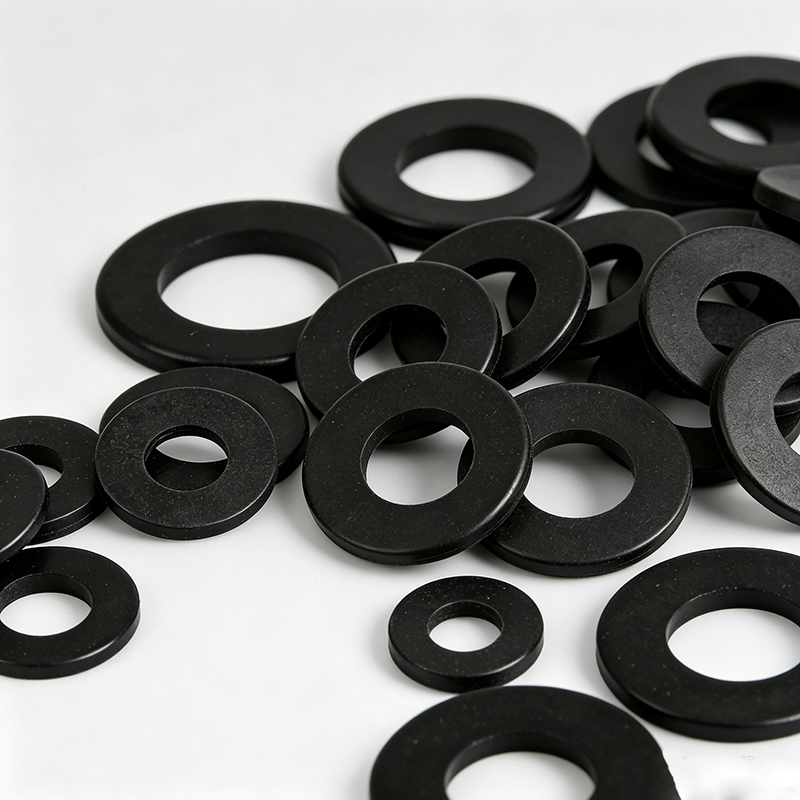
We worked with an industrial equipment manufacturer whose gaskets failed after thermal cycling. The initial design used a simple O-ring in a rectangular groove. The geometry worked at room temperature but created stress concentration during thermal expansion. The O-ring extruded into the clearance gap and eventually failed. We redesigned the groove to better support the gasket and modified the cross-section to distribute stress more evenly.
Your groove design affects stress distribution, extrusion resistance, and installation behavior. Sharp corners create stress concentration. Excessive clearance allows extrusion. Insufficient clearance makes assembly difficult. The groove should support the gasket under all operating conditions while allowing for component variation.
Surface finish matters more than many teams realize. Rough surfaces can damage the gasket during assembly or operation. Very smooth surfaces might not provide adequate sealing contact. The optimal surface finish depends on your material hardness, compression level, and operating conditions. Harder materials need smoother surfaces. Higher compression can accommodate rougher finishes. Dynamic applications need different surface treatments than static seals.
Your design should also consider assembly and service requirements. Can the gasket be installed without damage? Does the design allow for inspection after assembly? Can the gasket be replaced during maintenance? These practical factors affect long-term success even if they do not show up in initial testing.
The best gasket design balances sealing performance, manufacturing cost, assembly requirements, and service life. This requires understanding how each design parameter affects overall system performance.
How Should You Validate Gasket Performance?
Prototype testing is essential, but many teams make validation mistakes that hide potential problems. Your testing should represent actual production conditions, not ideal laboratory conditions.
Effective validation tests your complete sealing system under worst-case conditions, not just nominal performance with perfect components.

I have seen too many projects where prototype gaskets passed all tests but production gaskets failed. The difference was in testing conditions. Prototypes were assembled carefully with selected components. Production gaskets were assembled quickly with tolerance-variation components. The prototype testing did not reveal the sensitivity to assembly variation.
Your validation should include dimensional variation testing. Assemble gaskets with components at tolerance extremes. Test minimum compression conditions. Test maximum compression conditions. Verify that sealing performance remains acceptable across your manufacturing variation.
Environmental testing should match your actual operating conditions. If your product experiences temperature cycling, test through multiple cycles. If chemical exposure occurs gradually, test long-term exposure. If vibration is present, include vibration in your test protocol. Laboratory tests that do not match field conditions can give false confidence.
Your validation should also include production process verification. Can your supplier consistently produce gaskets that meet the validated design? Are critical dimensions controllable? Is material consistency maintained? Production capability is as important as design performance.
Consider accelerated testing for long-term applications. Elevated temperature, increased compression, or extended exposure can reveal degradation mechanisms that would take years to appear under normal conditions. But make sure your accelerated conditions produce the same failure modes as normal operation.
The goal is confirming that your gasket design will work reliably throughout your expected service life under actual use conditions. This requires more than dimensional inspection and basic sealing tests.
What Are the Most Common Selection Mistakes?
After working with thousands of gasket applications, I have seen the same mistakes repeated across different industries. Understanding these patterns can help you avoid expensive problems.
The biggest mistake is treating gasket selection as a material choice instead of a sealing system design. This leads to problems that appear during production or field use.


Material selection before application definition is extremely common. Teams compare EPDM, NBR, and silicone properties without clearly defining their sealing requirements. They choose based on general characteristics or cost instead of application-specific performance. This approach works for simple applications but fails for demanding conditions.
Insufficient compression analysis causes many field failures. Teams specify nominal compression without analyzing tolerance effects. They do not consider how component variation affects final compression. They do not account for long-term compression set or thermal effects. The result is gaskets that work initially but fail over time.
Inadequate environmental consideration leads to premature degradation. Teams underestimate temperature extremes, chemical exposure duration, or UV effects. They do not consider how multiple environmental factors interact. They assume laboratory compatibility data applies directly to their field conditions.
Poor validation practices hide problems until mass production. Teams test under ideal conditions instead of production variation. They use short-term tests for long-term applications. They do not validate the manufacturing process capability. Problems appear when it costs the most to fix them.
Incomplete supplier communication creates specification gaps. Teams provide drawings without explaining functional requirements. They do not communicate critical application conditions. They assume the supplier will identify potential problems. This leads to gaskets that meet drawings but fail in service.
The pattern is always similar. Early decisions seem reasonable based on available information. Problems only become visible during production or field use when correction is expensive and disruptive.
How Do You Build a Reliable Selection Process?
A systematic approach to gasket selection reduces risk and improves long-term performance. The key is addressing all critical factors before committing to production tooling.
Start with complete application definition, then work through material selection, design optimization, and validation testing in sequence. Each step should build on confirmed information from the previous step.


Your process should begin with application requirements definition. What must the gasket seal? What are the operating conditions? What constitutes failure? How long must the gasket perform? These questions establish the foundation for all subsequent decisions.
Material selection comes next, based on confirmed application requirements. Compare candidate materials against your specific conditions. Consider not just compatibility but also processing requirements, cost implications, and supply chain factors. Select materials that provide adequate performance margin, not just minimum acceptable performance.
Design optimization should balance sealing performance with manufacturing practicality. Consider groove geometry, gasket cross-section, surface finish, and assembly requirements. Use tolerance analysis to ensure acceptable performance across production variation. Design for your actual manufacturing capabilities, not ideal conditions.
Validation testing should confirm performance under production conditions. Test with tolerance-variation components. Include environmental exposure appropriate for your application. Verify manufacturing process capability. Use accelerated testing judiciously to predict long-term performance.
Supplier partnership is critical throughout this process. Work with suppliers who can contribute engineering support, not just manufacturing capability. Share application requirements and performance expectations. Establish clear communication channels for technical issues. Build relationships that support long-term success.
Documentation and change control become important as projects move to production. Establish clear specifications that capture functional requirements, not just dimensional targets. Implement change control procedures that prevent unauthorized modifications. Maintain traceability between design decisions and application requirements.
The goal is making informed decisions at each step based on confirmed information. This systematic approach takes more time initially but prevents expensive problems later.
Conclusion
Choosing the right gasket requires understanding your complete sealing system, not just selecting a rubber material. The most successful projects define application requirements first, then optimize material, design, and manufacturing to meet those requirements reliably.