

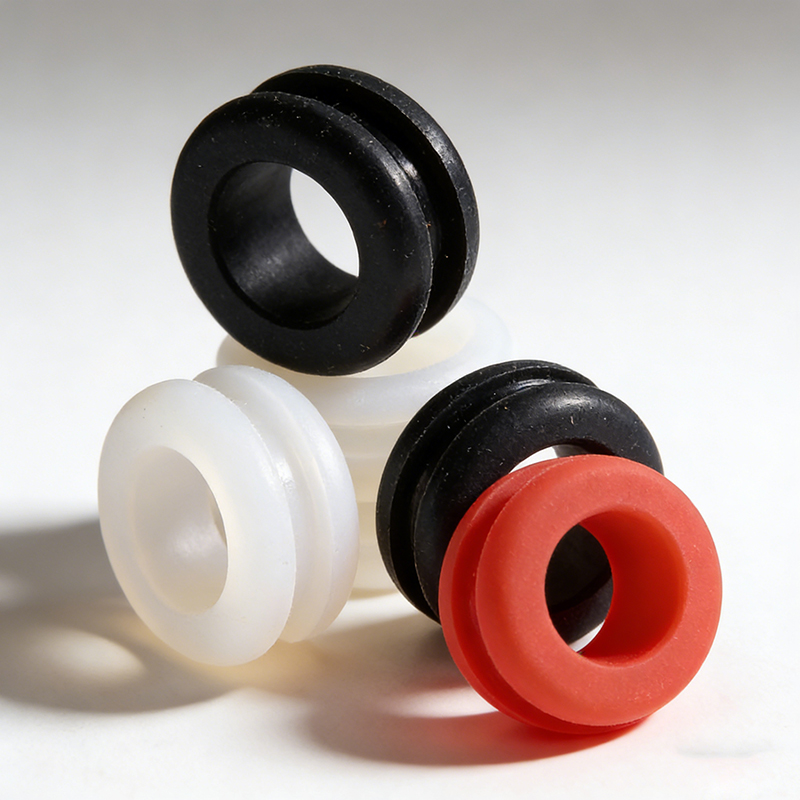
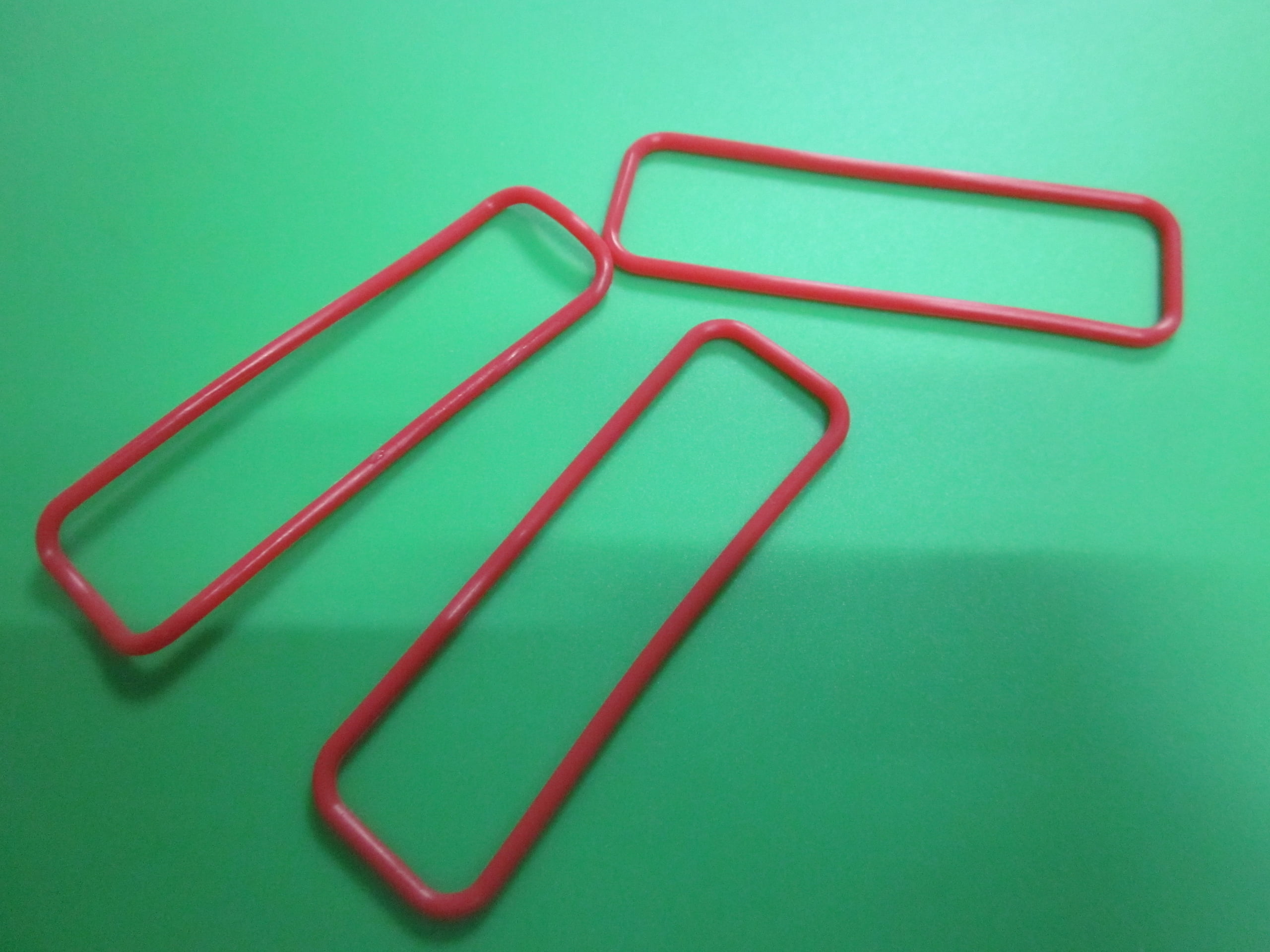
You spend months perfecting your design, testing shows perfect results, then three months into production everything starts leaking. This nightmare scenario happens more often than you think with red rubber ring gaskets1.
Red rubber ring gaskets fail primarily due to media compatibility issues2 that aren't caught during initial testing. The key is matching your rubber material to actual operating conditions, not just standard test parameters. Without proper material selection3 and long-term stability testing4, even perfect initial samples can lead to catastrophic seal failure.
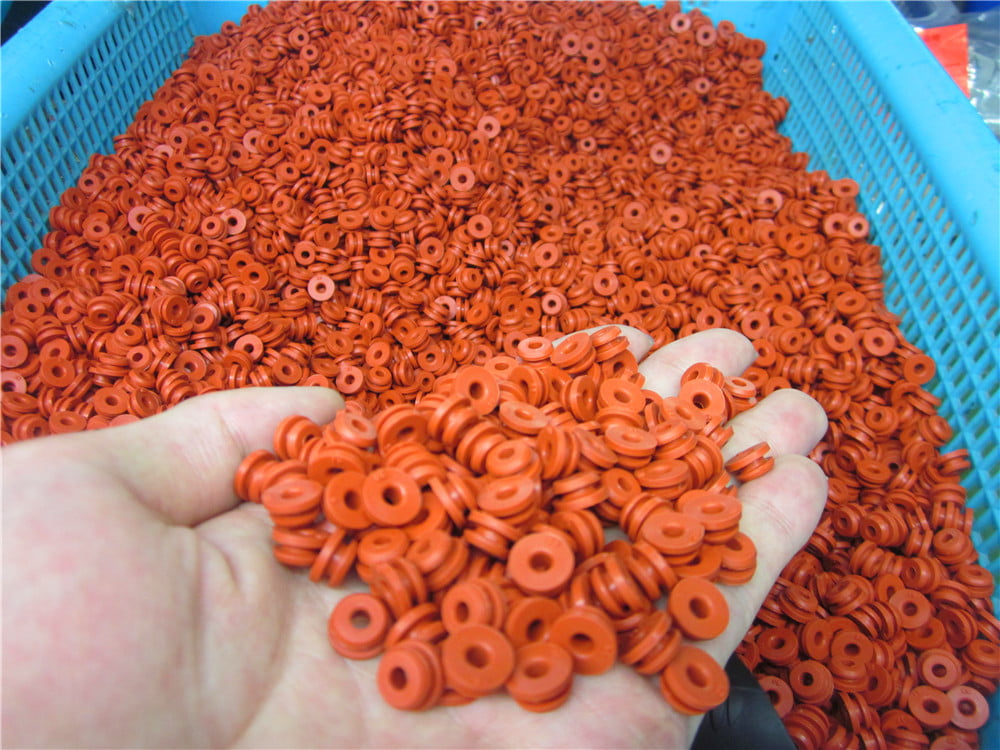
I've seen this exact scenario destroy entire projects. Perfect samples, flawless initial testing, then complete system failure months later. The problem isn't the testing itself - it's testing under the wrong conditions.
What Makes Red Rubber Ring Gaskets Different from Standard Sealing Solutions?
Most engineers think all rubber gaskets work the same way. Red rubber ring gaskets have specific characteristics that make them unique in industrial applications.
Red rubber ring gaskets offer superior visibility for leak detection and specific chemical resistance properties5. Unlike black rubber alternatives, the red coloring allows immediate visual identification of seal degradation and provides enhanced performance in certain media applications.
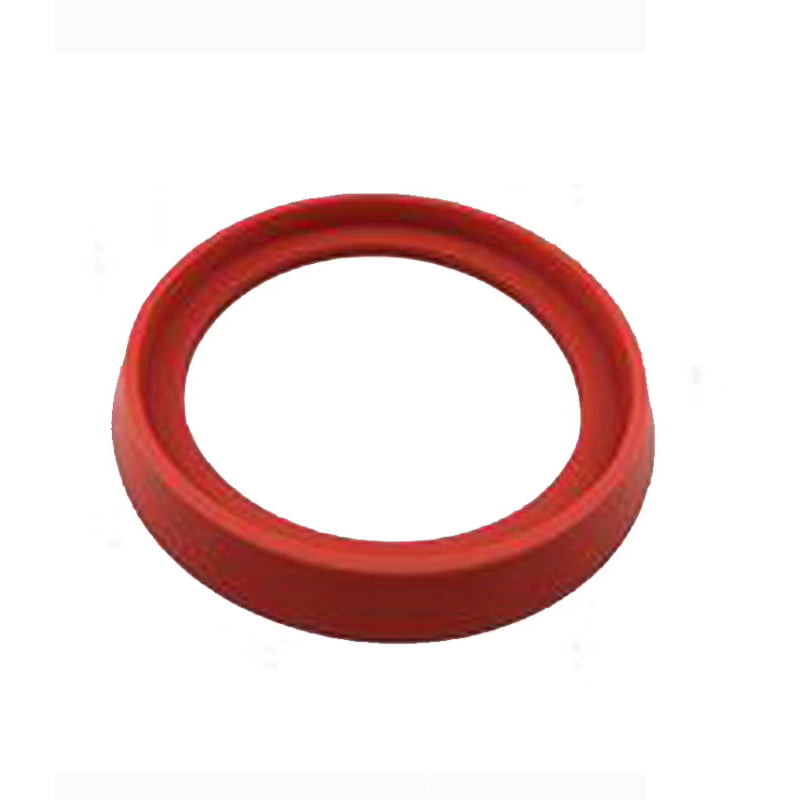
The red coloring isn't just aesthetic. It serves practical purposes in industrial environments. When seals start degrading, you can see color changes immediately. Black gaskets hide these early warning signs until complete failure occurs.
Red rubber formulations typically use different base polymers compared to standard black rubber. We often use silicone or fluorocarbon bases that provide better chemical resistance. The red pigmentation also acts as a UV stabilizer in some formulations.
| Property | Red Rubber Gaskets | Standard Black Gaskets |
|---|---|---|
| Visual inspection | Excellent | Poor |
| Chemical resistance | Superior in specific media | General purpose |
| Temperature range | -40°C to 200°C | -20°C to 150°C |
| UV resistance | Enhanced | Standard |
The manufacturing process differs too. Red compounds require more precise temperature control during vulcanization6. The pigments can affect cure rates, so we adjust our molding parameters accordingly. This attention to detail ensures consistent properties across production runs.
How Do You Choose the Right Material for High-Temperature Applications?
Temperature resistance seems straightforward until you factor in thermal cycling7, chemical exposure, and pressure variations. Most material selection3 goes wrong here.
For high-temperature red rubber ring gaskets1, choose fluorocarbon or high-temperature silicone8 compounds rated 50°C above your maximum operating temperature. Consider thermal cycling7 effects and chemical compatibility under elevated temperatures, not just static heat resistance.
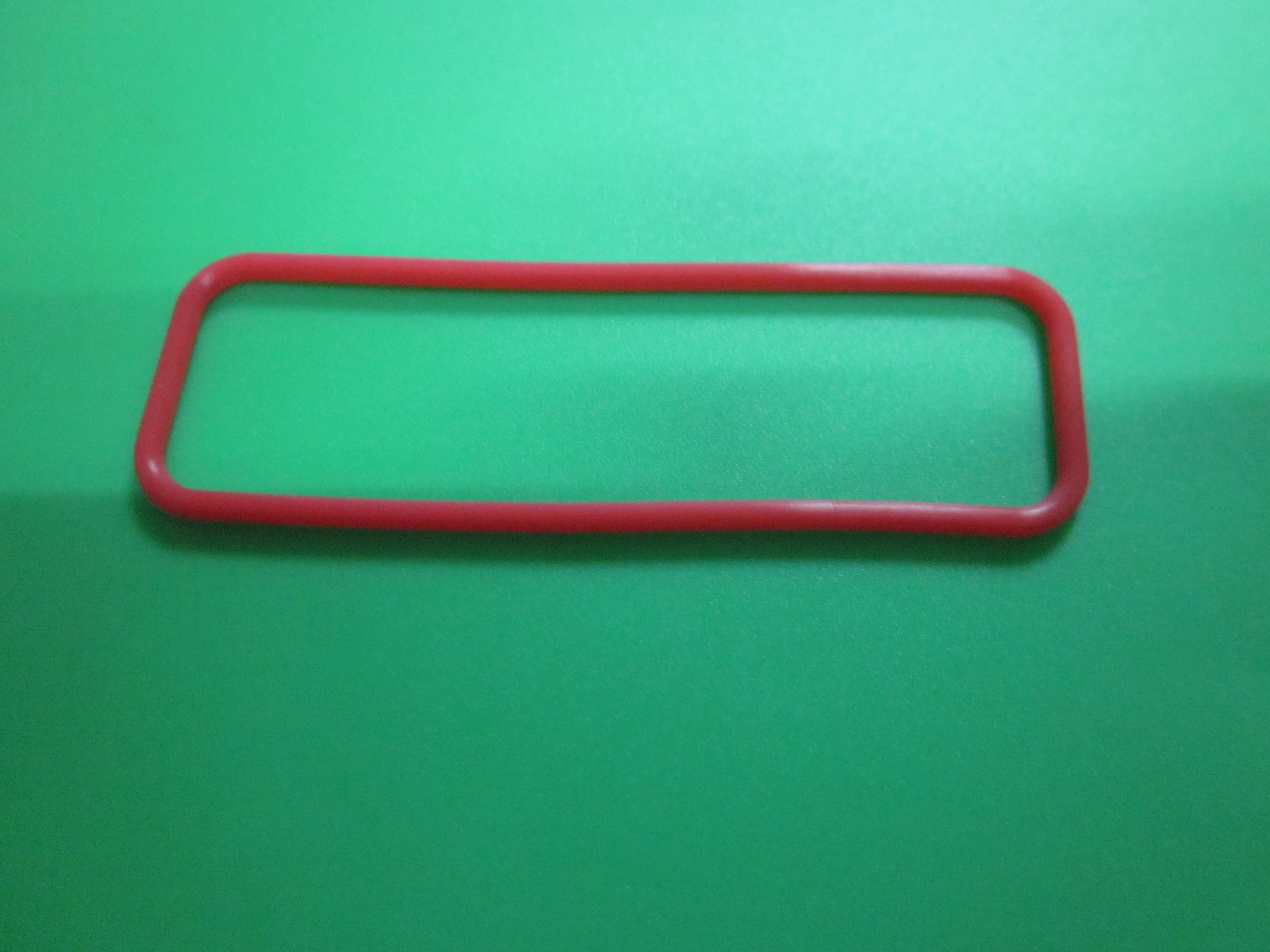
I learned this lesson the hard way. A client needed gaskets for oil system applications at 150°C. We provided standard red silicone rated for 180°C - seemed like plenty of safety margin. Three months later, every gasket was brittle and cracking.
The problem wasn't the temperature rating. It was thermal cycling7 combined with oil exposure. The gaskets went from 150°C during operation to 30°C during shutdown, twice daily. This constant expansion and contraction, combined with oil penetration, accelerated aging beyond what static temperature testing predicted.
Here's what we do differently now. First, we test under actual thermal cycling7 conditions, not just sustained temperature exposure. Second, we factor in chemical exposure effects at elevated temperatures. Oil that's harmless at room temperature becomes aggressive at 150°C.
Material selection criteria for high-temperature applications:
- Base polymer compatibility with operating fluids
- Thermal cycling resistance (not just static temperature)
- Chemical resistance at maximum operating temperature
- Compression set resistance under thermal stress
- Long-term aging characteristics in actual service conditions
We now recommend fluorocarbon compounds for oil applications above 100°C. They cost more initially but eliminate the risk of field failures. For non-oil applications, high-temperature silicone8 works well, but formulation matters. Standard silicone won't cut it - you need platinum-cured9, high-strength formulations.
What Are the Critical Factors in Media Compatibility Testing?
Media compatibility testing makes or breaks gasket performance10. Yet most engineers skip the crucial steps that prevent long-term failures.
Effective media compatibility testing requires matching actual operating conditions including temperature, pressure, concentration, and exposure duration. Standard immersion tests at room temperature don't predict real-world performance in aggressive chemical environments.
Standard ASTM tests immerse samples in chemicals at room temperature for set periods. This tells you almost nothing about performance at your operating conditions. Real compatibility testing needs to match your exact environment.
We had a pharmaceutical client using red rubber gaskets in cleaning-in-place (CIP) systems. Standard compatibility charts showed excellent resistance to their cleaning chemicals. But their CIP cycles used 80°C solutions with 2% concentration, not the 23°C, 1% concentration used in standard tests.
The difference was dramatic. At room temperature, the gaskets showed no degradation after weeks of exposure. At 80°C with higher concentration, they started swelling after just days. The elevated temperature accelerated chemical penetration and polymer chain degradation.
Our compatibility testing protocol now includes:
- Temperature matching actual service conditions
- Chemical concentration matching real-world levels
- Pressure effects on chemical penetration
- Cycling exposure, not just continuous immersion
- Long-term testing (minimum 1000 hours for critical applications)
We also test combined effects. Many applications involve multiple chemicals, temperature cycling, and mechanical stress simultaneously. Testing each factor separately misses critical interactions.
For example, a gasket might resist chemical A and handle temperature B perfectly. But chemical A at temperature B might cause rapid failure due to accelerated diffusion or chemical reactions that don't occur at lower temperatures.
Why Do Perfect Samples Sometimes Lead to Production Failures?
Sample testing success doesn't guarantee production success. The gap between laboratory samples and full production often creates unexpected failures.
Production failures after successful sampling typically result from scaling effects, batch variations11, or incomplete environmental simulation. Small sample testing may not reveal issues that appear with larger parts, extended exposure, or real-world stress combinations.
The story I shared earlier about the oil system gaskets illustrates this perfectly. Laboratory samples performed flawlessly. Production parts failed within months. The difference wasn't quality control - it was test conditions.
Sample testing used fresh oil at controlled temperatures. Production environment had oil with additives, contamination, and thermal breakdown products. These factors combined to create an environment more aggressive than pure oil alone.
Scaling effects matter too. Small samples cure differently than production parts. Larger cross-sections may have incomplete cure in the center. Temperature distribution during molding affects material properties. What works for a 10mm sample might fail in a 50mm production part.
Batch-to-batch variations11 become critical in production volumes. Sample testing typically uses single batches of material. Production runs might span multiple material batches with slight variations in properties. These variations, insignificant individually, can accumulate to affect performance.
Our approach addresses these issues systematically:
- Sample testing using production-size parts when possible
- Multi-batch validation during sample approval
- Environmental testing matching actual service conditions
- Extended duration testing (minimum 6 months for critical applications)
- Field testing in actual equipment when feasible
We also maintain tight process controls during production. The same molding parameters, cure cycles, and quality checks used for samples apply to every production part. This consistency ensures sample performance translates to production reality.
Conclusion
Red rubber ring gasket success depends on matching materials to actual operating conditions through comprehensive testing and precise manufacturing control, not just initial sample approval.
Explore the advantages of red rubber ring gaskets, including their unique properties and applications in various industries. ↩
Understanding media compatibility is crucial for ensuring gasket longevity and performance in real-world applications. ↩
Learn about the critical factors in selecting the right materials for gaskets to prevent failures. ↩
Discover how long-term stability testing can prevent catastrophic failures in gasket applications. ↩
Explore the specific chemical resistance properties that make red rubber gaskets suitable for various applications. ↩
Gain insights into the vulcanization process and its impact on gasket performance and durability. ↩
Explore the effects of thermal cycling on gasket materials and how to mitigate risks. ↩
Discover the advantages of using high-temperature silicone gaskets in demanding applications. ↩
Learn about platinum-cured silicone and why it's essential for high-performance gasket applications. ↩
Understanding the factors that influence gasket performance can help in selecting the right solutions. ↩
Learn about the impact of batch variations on gasket quality and performance in production. ↩