

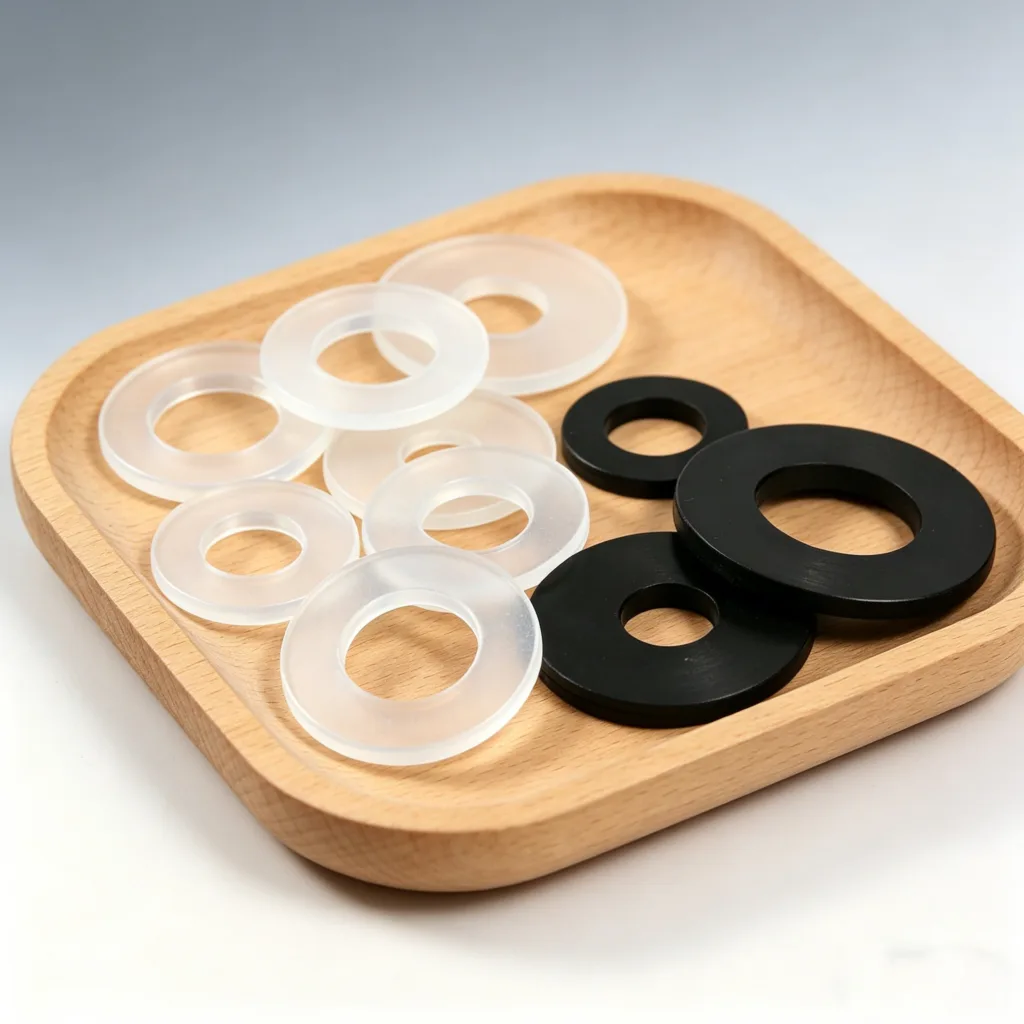
Finding the right gasket material can make or break your project. Many engineers struggle with seal failures, leaks, and premature replacement costs.
The best gasket material depends entirely on your operating environment. Silicone excels in high-temperature and UV exposure, EPDM handles water and weather sealing, while NBR resists oils and fuels effectively.


After 27 years in rubber manufacturing, I've seen countless projects fail because someone picked the wrong material. The gasket looked perfect during installation, but three months later it was cracked, swollen, or completely degraded. This happens more often than you'd think.
Why does material selection matter so much for gasket performance?
Most people think all rubber gaskets work the same way. They see a black ring and assume it will seal anything.
Material selection determines gasket lifespan, sealing effectiveness, and maintenance costs. Wrong materials cause swelling, hardening, cracking, and complete seal failure within months of installation.
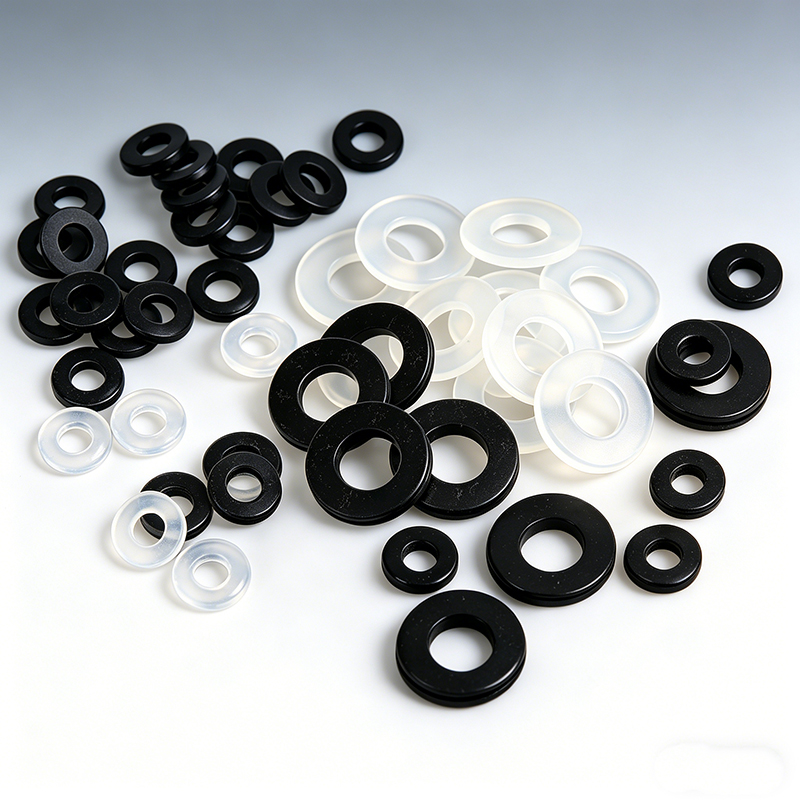
Your operating environment creates specific challenges that only certain materials can handle. Temperature swings stress the molecular structure. Chemicals attack the polymer chains. UV radiation breaks down the surface. Pressure cycling causes fatigue.
I remember working with a client who used standard NBR gaskets in a high-temperature application. The gaskets worked fine during testing at room temperature. But once installed in their actual equipment, the heat caused rapid degradation. Within six weeks, they had multiple seal failures and expensive downtime.
We switched them to a high-temperature silicone compound. Same application, same installation, but completely different results. The silicone gaskets are still performing three years later.
| Environmental Factor | Material Impact | Recommended Solution |
|---|---|---|
| High Temperature | Polymer breakdown | Silicone compounds |
| Chemical Exposure | Swelling/degradation | Chemical-resistant NBR |
| UV Radiation | Surface cracking | UV-stabilized materials |
| Ozone Exposure | Cracking/hardening | EPDM formulations |
What makes silicone the best choice for high-temperature applications?
Silicone gaskets handle extreme conditions better than other materials. But many people don't understand why.
Silicone maintains flexibility from -65°F to 400°F while resisting UV degradation, ozone, and weathering. This makes it ideal for outdoor equipment, lighting fixtures, and high-temperature sealing applications.
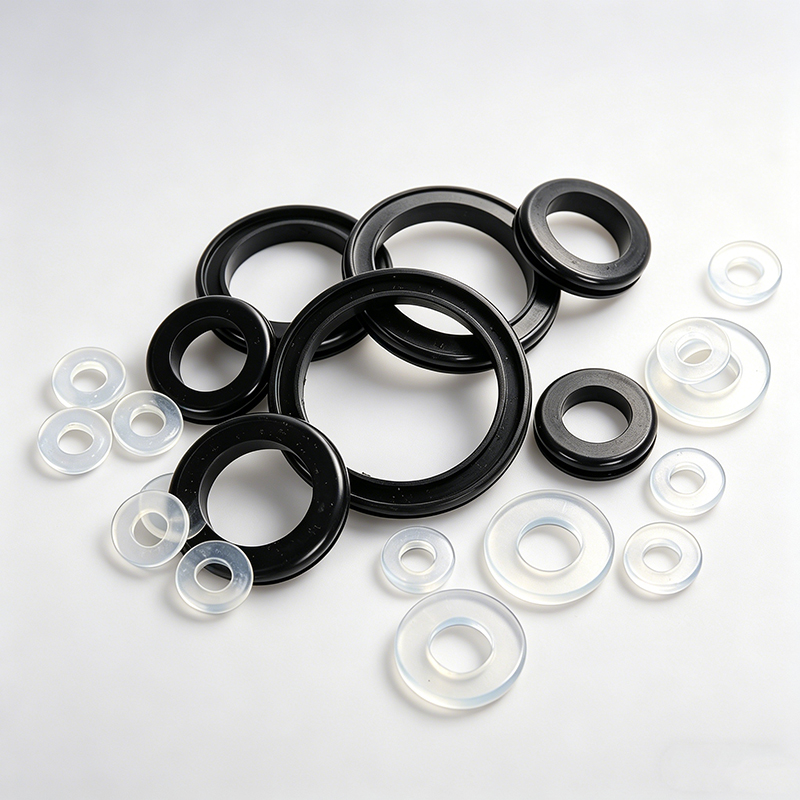
The molecular structure of silicone gives it unique advantages. Silicon-oxygen bonds are much stronger than carbon-carbon bonds found in other rubbers. This means silicone doesn't break down as quickly under heat stress.
I've worked on architectural lighting projects where standard rubber gaskets failed within months due to UV exposure. The sun's radiation caused the material to harden and crack. Water got inside the fixtures, causing electrical failures and expensive repairs.
We recommended switching to a UV-stable silicone compound. The difference was dramatic. After two years of outdoor exposure, the silicone gaskets showed no signs of degradation. No cracking, no hardening, no color change.
The client saved thousands in maintenance costs and avoided warranty claims. More importantly, their lighting systems maintained consistent performance without unexpected failures.
Silicone also excels in food-grade applications. FDA-approved silicone compounds resist bacteria growth and handle repeated sterilization cycles. This makes them perfect for medical devices, food processing equipment, and pharmaceutical applications.
However, silicone isn't perfect for every situation. It has lower tensile strength than some rubber compounds. Oil and fuel exposure can cause swelling. For these applications, other materials work better.
When should you choose EPDM for weather sealing applications?
EPDM rubber offers excellent weather resistance at a lower cost than silicone. Many outdoor applications benefit from this material choice.
EPDM provides superior resistance to water, steam, ozone, and aging while maintaining flexibility in cold temperatures. It's the preferred choice for automotive weatherstripping, HVAC systems, and outdoor equipment sealing.
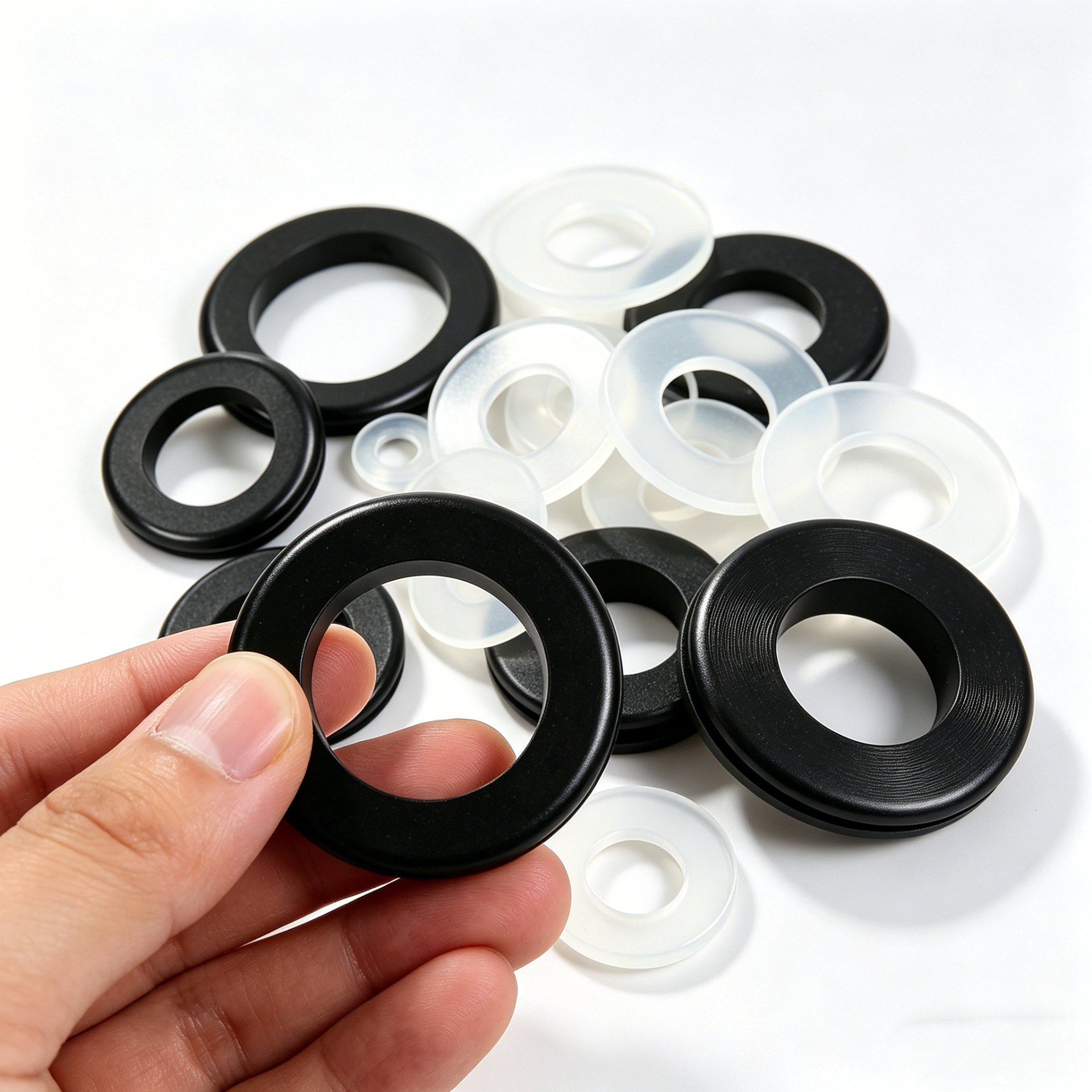
The key advantage of EPDM is its balanced performance across multiple environmental factors. It doesn't excel in extreme temperatures like silicone, but it handles most weather conditions very well while costing significantly less.
I worked with an HVAC manufacturer who needed gaskets for outdoor condensing units. These units face rain, snow, temperature cycling, and UV exposure throughout the year. They initially considered silicone but were concerned about costs for high-volume production.
We recommended a specially formulated EPDM compound with enhanced UV stabilizers. The material provided excellent sealing performance while meeting their budget requirements. After three years in the field, the gaskets show minimal degradation and maintain effective sealing.
EPDM also works well in steam applications up to 300°F. The material resists hot water and steam without significant swelling or degradation. This makes it popular for industrial equipment, steam lines, and hot water systems.
The automotive industry relies heavily on EPDM for door seals, window gaskets, and underhood applications. It handles temperature variations, road salt, and cleaning chemicals without premature failure.
One limitation of EPDM is poor resistance to oils and petroleum products. Exposure to these chemicals causes swelling and seal failure. For oil-exposed applications, NBR rubber works better.
Why is NBR rubber essential for oil and fuel resistance?
NBR (Nitrile) rubber excels where other materials fail - in contact with oils, fuels, and hydraulic fluids.
NBR rubber resists swelling and degradation when exposed to petroleum products, hydraulic fluids, and most oils. This makes it the standard choice for automotive fuel systems, hydraulic equipment, and oil-handling applications.
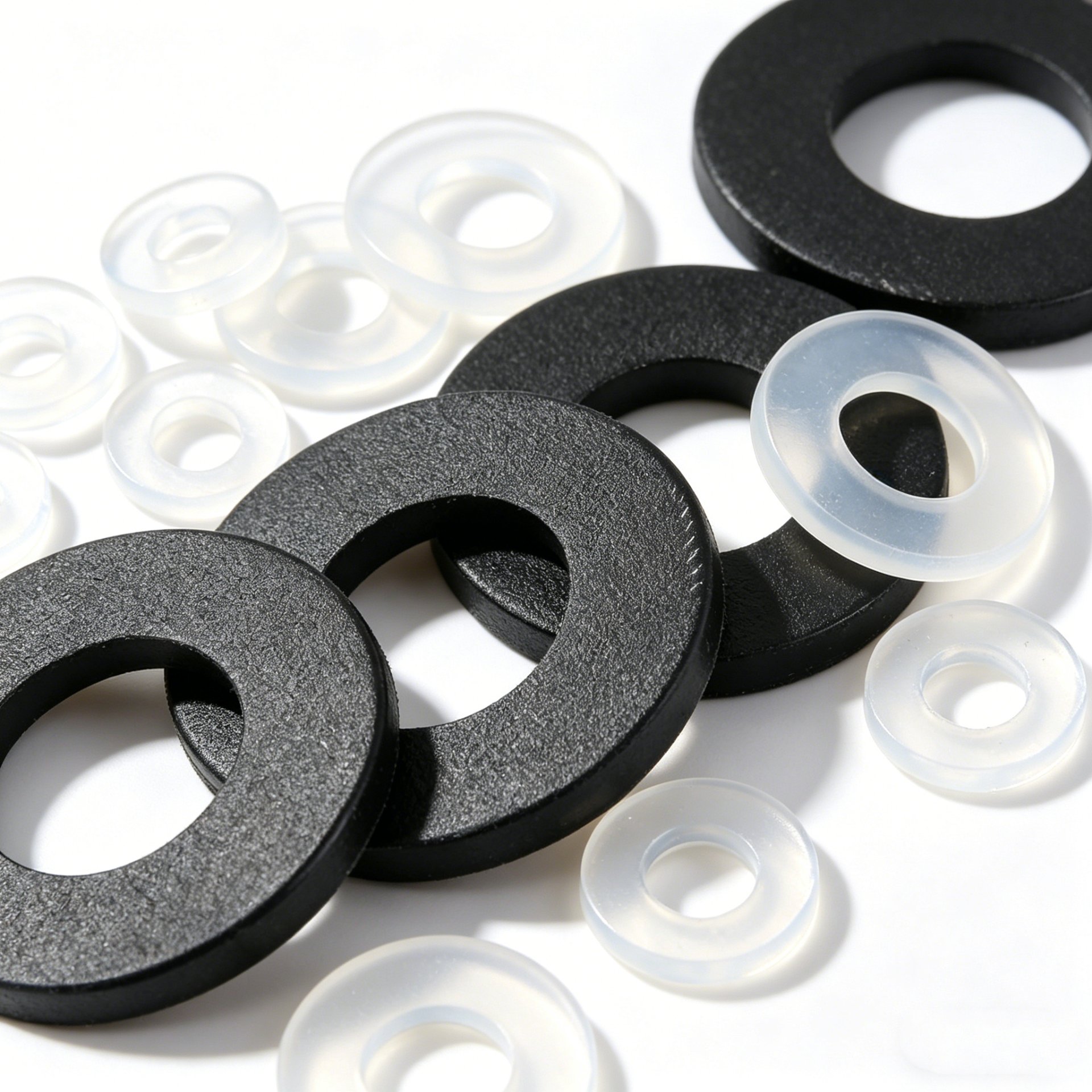
The secret to NBR's oil resistance lies in its acrylonitrile content. Higher acrylonitrile levels provide better oil resistance but reduce low-temperature flexibility. We select the right grade based on your specific application requirements.
I remember a hydraulic equipment manufacturer who experienced repeated seal failures in their mobile equipment. They were using general-purpose rubber gaskets that swelled significantly when exposed to hydraulic fluid. The swelling caused binding in moving parts and eventual system failure.
We analyzed their hydraulic fluid and recommended a specific NBR compound with the right acrylonitrile content. The new gaskets maintained their dimensions even after months of fluid exposure. Equipment reliability improved dramatically, and maintenance costs dropped significantly.
NBR works well in automotive fuel systems, from fuel pumps to injection systems. It resists gasoline, diesel, and ethanol blends without significant degradation. This reliability is crucial for preventing fuel leaks and maintaining emissions compliance.
The material also handles many industrial oils and greases effectively. Machine shops, manufacturing equipment, and oil processing facilities rely on NBR gaskets for reliable sealing in oil-exposed applications.
However, NBR has limitations in high-temperature applications. Extended exposure above 250°F causes rapid degradation. It also performs poorly in ozone-rich environments, where EPDM or silicone would be better choices.
| NBR Grade | Acrylonitrile Content | Oil Resistance | Temperature Range |
|---|---|---|---|
| Low ACN | 15-25% | Good | -40°F to 200°F |
| Medium ACN | 25-35% | Excellent | -30°F to 225°F |
| High ACN | 35-45% | Superior | -20°F to 250°F |
How do you match gasket materials to specific operating conditions?
Successful gasket selection requires understanding your complete operating environment. Single-factor decisions often lead to failures.
Effective material selection considers temperature range, chemical exposure, pressure cycling, UV exposure, and expected service life. Our engineering team evaluates all factors to recommend the optimal material compound for long-term performance.


I've developed a systematic approach after years of troubleshooting failed gaskets. We start by mapping out all environmental conditions the gasket will face during its service life.
Temperature is usually the first consideration. What's the minimum and maximum operating temperature? How quickly do temperature changes occur? Thermal cycling can be more damaging than steady-state conditions.
Chemical compatibility comes next. We need to know every fluid, gas, or chemical the gasket might contact. Even cleaning solutions and maintenance chemicals matter. I've seen gaskets fail because someone used an incompatible cleaner during routine maintenance.
Pressure and mechanical stress affect material selection too. High-pressure applications need materials with good compression set resistance. Dynamic sealing requires materials that resist abrasion and tear propagation.
Environmental factors like UV exposure, ozone levels, and humidity influence long-term performance. Outdoor applications face much harsher conditions than indoor installations.
A recent project involved gaskets for solar panel mounting systems. The application required UV resistance, temperature cycling from -40°F to 180°F, and 25-year service life. Standard materials couldn't meet all requirements.
We developed a custom silicone compound with enhanced UV stabilizers and improved compression set resistance. Accelerated aging tests confirmed the material would maintain sealing effectiveness throughout the required service life.
Expected service life drives material selection too. A gasket that needs replacement every year can use less expensive materials than one requiring 20-year performance.
Conclusion
The best gasket material matches your specific operating conditions, not general recommendations. Our engineering expertise ensures optimal material selection for long-term sealing performance.