

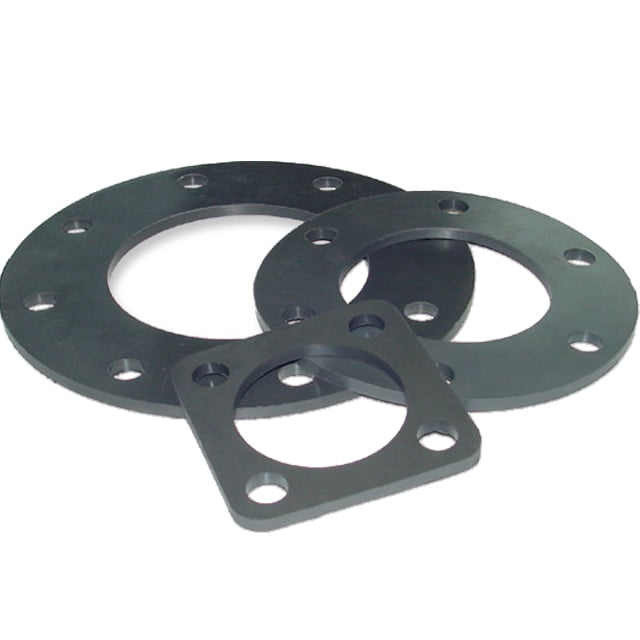
Modern vehicles require reliable sealing systems to protect internal components from water, dust, heat, and environmental exposure. Among various sealing materials, EPDM rubber has become one of the most widely used materials in the automotive industry due to its excellent weather resistance, temperature stability, and long-term sealing performance.
This article explains the material characteristics of EPDM rubber, its sealing advantages, and why it is widely used in automotive sealing systems.
1. What Is EPDM Rubber?
EPDM rubber is a synthetic elastomer widely used in automotive sealing applications. The material is produced from ethylene, propylene, and a small amount of diene monomer, forming a rubber compound with excellent resistance to weathering and aging.
Compared with many conventional rubber materials, EPDM provides superior resistance to UV radiation, ozone, moisture, and extreme temperatures, making it ideal for vehicle exterior sealing components.
Typical characteristics of EPDM include:
-
Excellent weather resistance
-
Strong elasticity and compression recovery
-
Good electrical insulation properties
-
Stable mechanical performance over long periods
Because of these properties, EPDM rubber is widely used in door seals, window seals, hood seals, and trunk gaskets in modern vehicles.
2. Why EPDM Is Ideal for Automotive Sealing
Automotive sealing components must withstand constant vibration, temperature changes, and environmental exposure. EPDM rubber offers several key advantages that make it particularly suitable for vehicle sealing systems.
2.1 Excellent Compression Set Resistance
A high-quality seal must maintain its shape after repeated compression. EPDM rubber demonstrates excellent compression set resistance, allowing it to maintain a tight sealing force even after long-term use.
This property ensures that the seal continues to block air, dust, and water intrusion over the lifetime of the vehicle.
2.2 Superior Weather and Ozone Resistance
Vehicle exterior seals are continuously exposed to sunlight, ozone, and changing weather conditions. EPDM rubber has exceptional resistance to UV radiation and ozone degradation, preventing cracking and surface deterioration.
This makes EPDM an ideal material for long-term outdoor automotive applications.
2.3 Reliable Water and Dust Sealing
EPDM rubber has a flexible molecular structure that allows the material to adapt closely to mating surfaces. This flexibility helps create effective sealing barriers against water, air leakage, and dust intrusion.
For automotive manufacturers, this ensures:
-
Improved cabin insulation
-
Reduced wind noise
-
Enhanced passenger comfort
3. Temperature Resistance of EPDM Seals
Temperature resistance is a critical factor for automotive sealing materials. Vehicles operate in environments that range from extreme cold to high engine heat.
EPDM rubber offers a wide operating temperature range.
Typical performance range:
| Property | Value |
|---|---|
| Low temperature resistance | -40°C |
| Continuous service temperature | 120°C |
| Short-term peak temperature | 150°C |
This thermal stability allows EPDM seals to maintain flexibility and sealing performance even under harsh climate conditions.
At low temperatures, EPDM remains elastic and resistant to brittleness.
At elevated temperatures, it maintains structural integrity and sealing reliability.
4. Long-Term Durability and Aging Resistance
One of the most important requirements for automotive sealing materials is long-term durability.
EPDM rubber provides excellent aging resistance, meaning it can maintain mechanical and sealing properties over many years of service.
Key durability benefits include:
-
Resistance to oxidation
-
Resistance to environmental aging
-
Low risk of cracking or deformation
-
Stable elasticity over time
This durability helps reduce maintenance requirements and improves the overall reliability of vehicle sealing systems.
5. Typical Automotive Applications of EPDM Seals
Because of its balanced performance characteristics, EPDM rubber is widely used in various automotive sealing components.
Common applications include:
Door seals
These seals prevent water leakage, reduce wind noise, and improve interior comfort.
Window sealing systems
EPDM seals help secure automotive glass and protect against water intrusion.
Hood and trunk gaskets
These seals prevent dust, water, and engine heat from entering sensitive compartments.
Weatherstrips
Flexible EPDM weatherstrips provide reliable sealing for multiple body components.
6. Advantages of EPDM Compared with Other Rubber Materials
Compared with some alternative elastomers, EPDM offers several advantages for automotive sealing.
| Material | Weather Resistance | Temperature Stability | Cost Efficiency |
|---|---|---|---|
| EPDM | Excellent | Excellent | Good |
| Natural Rubber | Moderate | Limited | Good |
| NBR | Moderate | Moderate | Moderate |
| Silicone Rubber | Excellent | Excellent | Higher |
Because of this balance of performance, durability, and cost efficiency, EPDM has become one of the most widely used sealing materials in the automotive industry.
7. Frequently Asked Questions About EPDM Automotive Seals
Is EPDM suitable for outdoor automotive use?
Yes. EPDM rubber provides excellent resistance to UV radiation, ozone, and weather exposure, making it ideal for exterior vehicle seals.
Can EPDM withstand extreme temperatures?
EPDM seals typically operate between -40°C and 120°C, maintaining flexibility and sealing performance across a wide temperature range.
Why is EPDM commonly used for vehicle door seals?
EPDM offers excellent elasticity, compression recovery, and long-term weather resistance, allowing door seals to maintain reliable sealing performance for many years.
Conclusion
EPDM rubber has become a preferred material for automotive sealing systems due to its excellent weather resistance, reliable sealing performance, and wide temperature stability. Its ability to maintain elasticity and durability under harsh environmental conditions makes it an essential material for modern vehicle design.
From door seals and window gaskets to weatherstrips and trunk seals, EPDM continues to play a critical role in ensuring vehicle comfort, safety, and long-term reliability.
[Rubber Washer_46](/wp-content/uploads/2026/03/Rubber-Washer_46-300×300.jpg){.alignnone}