

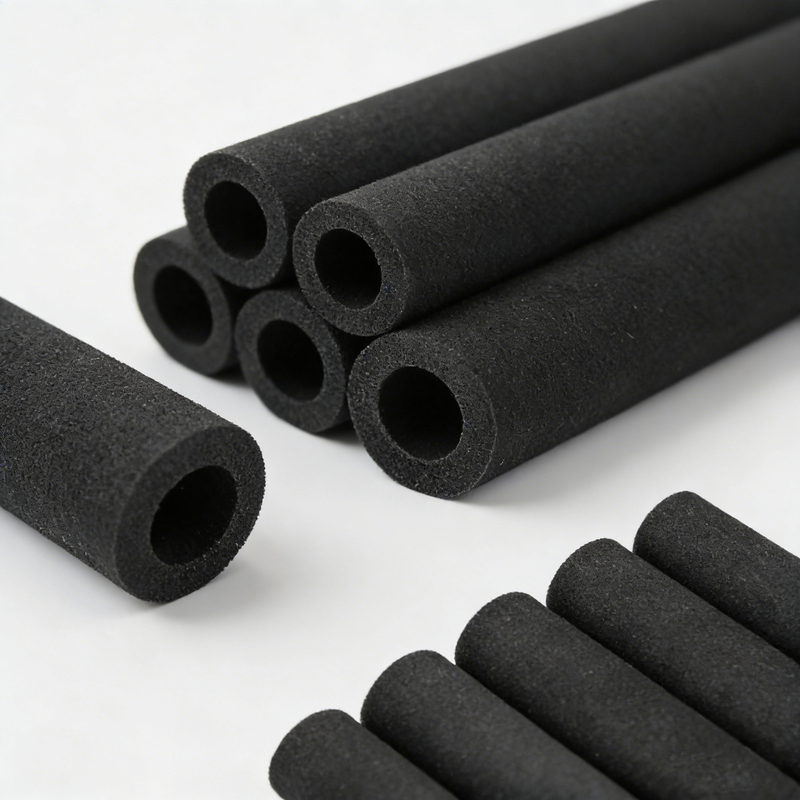
Window rubbers are often the most neglected yet easily mishandled components in product design. In my years of working with rubber seals, I’ve noticed an interesting phenomenon: many project failures aren't due to poor design or insufficient budgets. Instead, they often stem from a small but significant detail—the selection of window rubbers1.
Today, I want to highlight a critical pitfall that I see frequently.
The Pitfall: Focusing Solely on “Size Matching” While Ignoring “Material Stability”
When choosing window rubbers1, many people think:
“As long as the size matches, it will fit.”
I thought this to be true at first, until I stumbled into a few issues myself.
What’s the real problem?
In the short term, yes, they fit. But once in real-world conditions, issues arise:
- They harden and crack under sun exposure.
- They become brittle in winter, losing their sealing ability.
- After prolonged compression, they show poor rebound, leading to air or water leaks.
- The surface becomes sticky, affecting aesthetics and even contaminating glass.
These issues are often not due to installation errors but stem from selecting the wrong material.
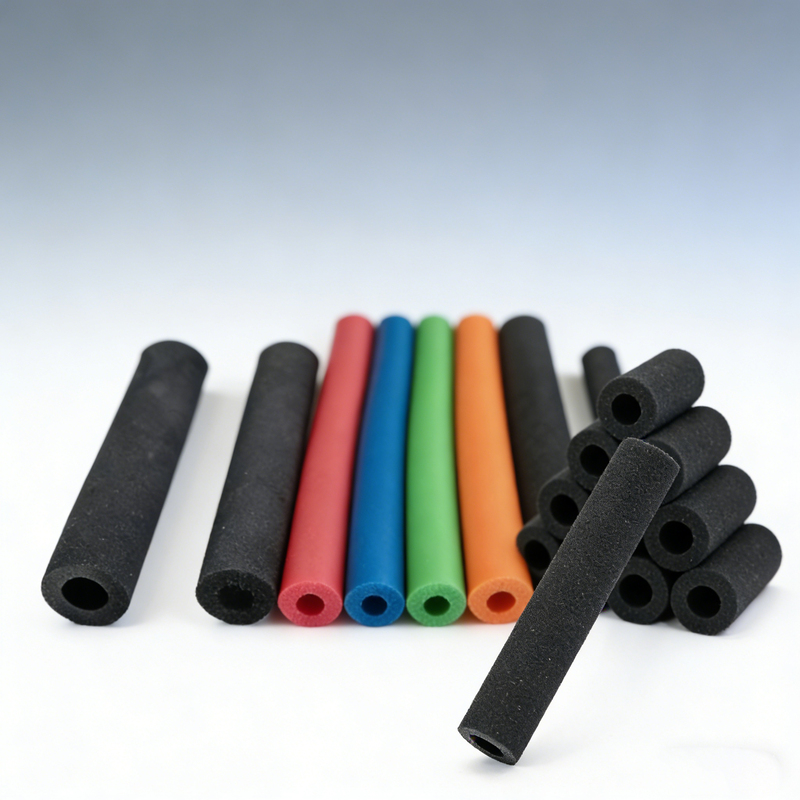
Let me share a personal experience regarding this.
What Happens When You Choose the Wrong Material?
I once worked on a project involving glass window seals for outdoor equipment. Initially, we selected standard PVC rubber strips because:
- They were cost-effective.
- They felt good to the touch initially.
- The size was a perfect match.
However, three months later, we faced significant issues:
- The seals had clearly hardened.
- The edges started to lift.
- Water seeped in during rainy days.
In the end, we had to tear everything out and start over, doubling our time and costs. After reevaluating, we switched to EPDM material2, which resolved the problems completely.
How Can You Avoid This Pitfall?
If you are in the process of selecting window rubbers1, use these three practical judgment criteria:
1️⃣ Consider the Environment, Not Just the Structure
Ask yourself a few questions:
- Is it for indoors or outdoors?
- Will it be exposed to UV rays for long periods?
- Is there a significant temperature variation?
👉 If it’s outdoors or subject to large temperature swings, prioritize EPDM or silicone materials.
2️⃣ Don’t Be Misled by “Sample Feel”
When you first receive samples, they may feel:
- Very soft.
- Highly elastic.
But that only reflects their initial state.
👉 A more crucial factor is their aging performance3.
3️⃣ Confirm the “Compression Rebound Performance”
The real function of seals is:
- Compressed → Rebound → Continuous sealing.
If the rebound is poor:
- Initially, it seals fine.
- After some time, it fails.
👉 Many suppliers won’t bring this parameter up, but it is vital.
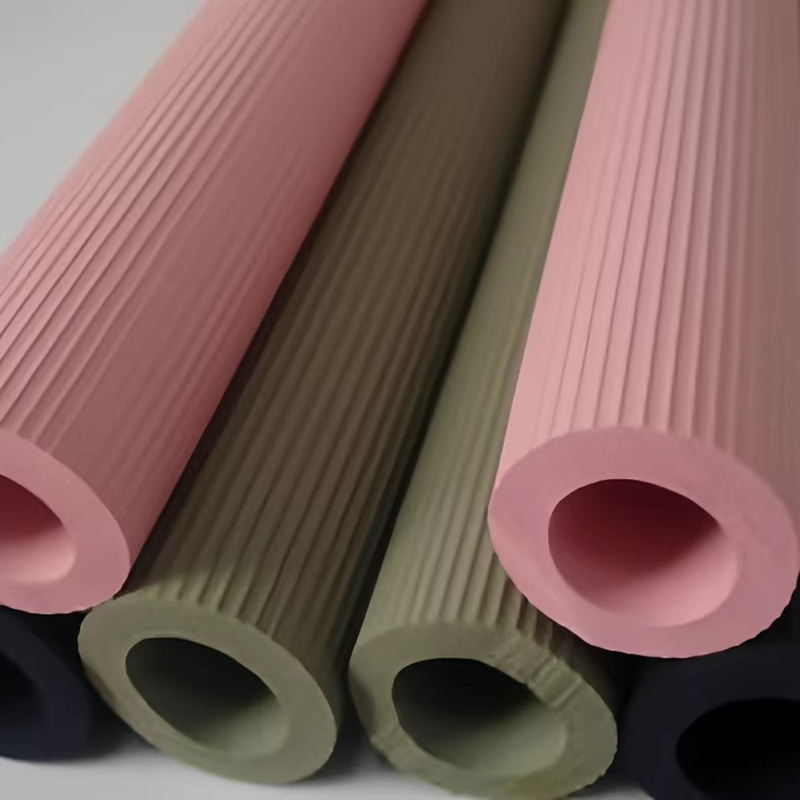
How Can Suppliers Address This Issue?
Honestly, this pitfall isn't solely the user's issue.
I’ve seen too many suppliers simply do one thing:
“Produce according to the drawing.”
However, a responsible approach should include:
- Engaging during the selection phase.
- Recommending materials based on the usage environment.
- Conducting aging and compression tests in advance.
- Adjusting structures when necessary (for example, adding lips or modifying hardness).
This step can help you avoid 80% of future problems.
A Candid Reminder
Window rubbers may seem like just a small accessory, but they directly impact:
- Water resistance.
- Dust protection.
- Longevity.
- Overall quality perception of the product.
I have faced this pitfall myself and have helped several projects overcome it. Now, whenever someone asks about size alone, I always follow up with, “What environment will this be used in?”
I know that the real issues often aren't on the drawing.
If you are evaluating the right window rubbers1 solution or are uncertain about the reliability of your current materials, let me know your usage scenario. I can help you assess it and aim to solve any problems upfront.
Conclusion
Choosing the right window rubbers1 is essential for project success and product quality.