

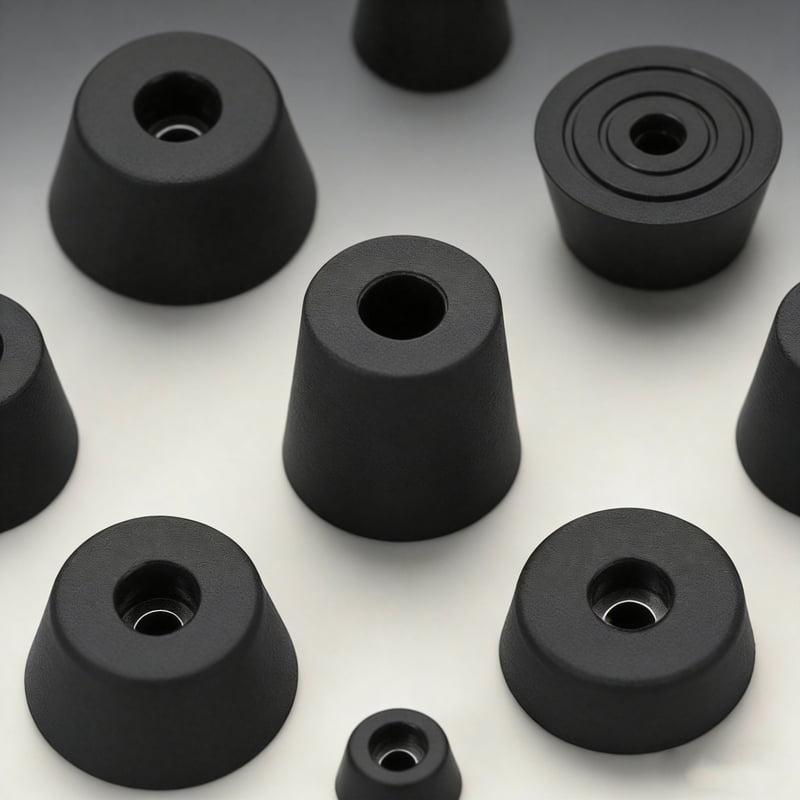
Your equipment is shaking itself apart. Production efficiency drops. Maintenance costs soar.
Proper vibration isolation reduces equipment wear by up to 80% and extends lifespan significantly. The key is matching isolation frequency to your specific equipment vibration patterns and operating environment.
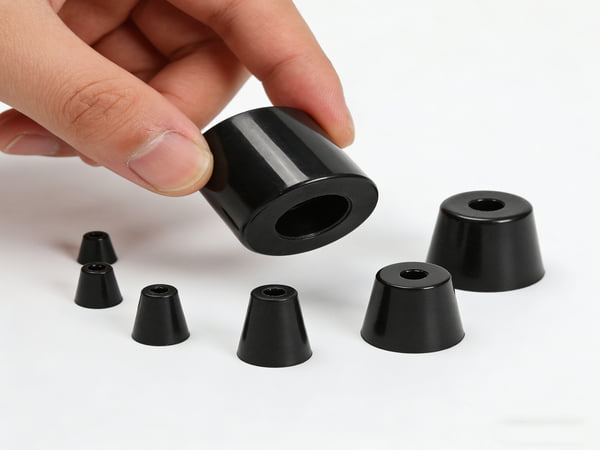
Most companies think any vibration mount will do. They grab whatever is available. Then wonder why their expensive machinery fails early.
What happens when you ignore vibration frequency matching?
Equipment vibration destroys productivity. Noise levels become unbearable. Workers complain constantly.
Mismatched vibration isolation can amplify harmful frequencies instead of reducing them. This accelerates equipment wear, increases noise pollution, and leads to premature mechanical failures that cost thousands in repairs.
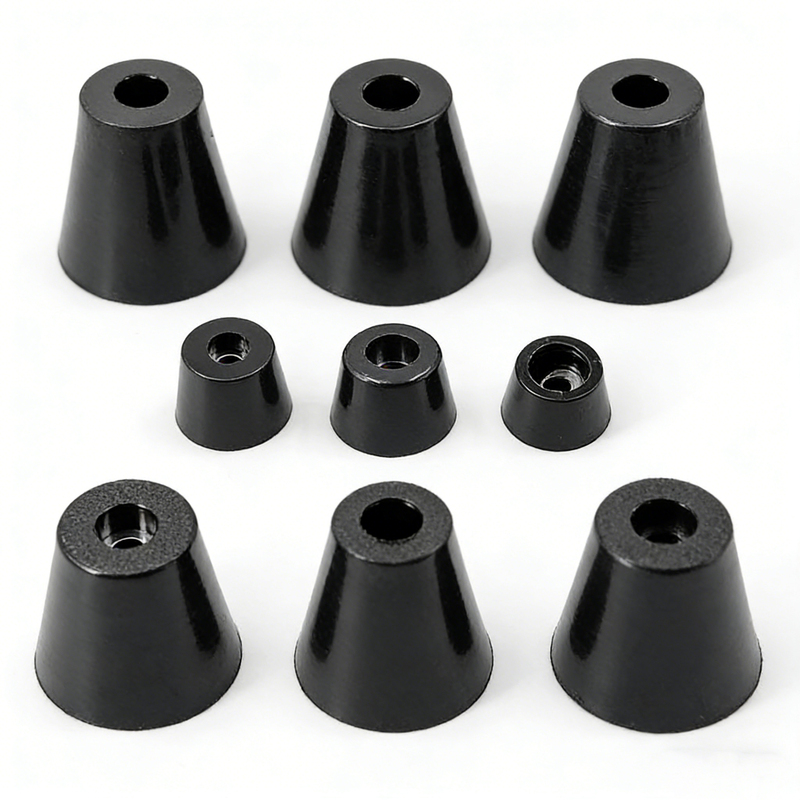
Understanding vibration frequency fundamentals
Every machine produces specific vibration frequencies during operation. These frequencies depend on rotating speeds, mechanical components, and operating conditions. High-frequency vibrations typically range from 100-1000 Hz. Low-frequency vibrations usually fall below 100 Hz.
When we choose isolation mounts, we must consider the natural frequency of the isolation system. The isolation system should have a natural frequency at least 3-4 times lower than the disturbing frequency. This creates effective isolation.
| Vibration Type | Frequency Range | Recommended Isolation |
|---|---|---|
| Low frequency | Below 100 Hz | Soft rubber mounts |
| High frequency | 100-1000 Hz | Firm elastomer pads |
| Mixed frequency | Variable | Composite solutions |
I worked with a manufacturing company last year. They used standard low-frequency mounts for high-frequency equipment. The mounts amplified vibrations instead of reducing them. Equipment failed within six months. We replaced their system with high-frequency isolation mounts. Equipment lifespan increased by 300%.
How do environmental factors affect isolation performance?
Temperature swings damage rubber compounds. Chemical exposure breaks down materials. Load variations stress mounting systems.
Environmental conditions directly impact isolation material properties and performance. Temperature extremes can change material stiffness by 50%, while chemical exposure may cause premature degradation and complete isolation failure.
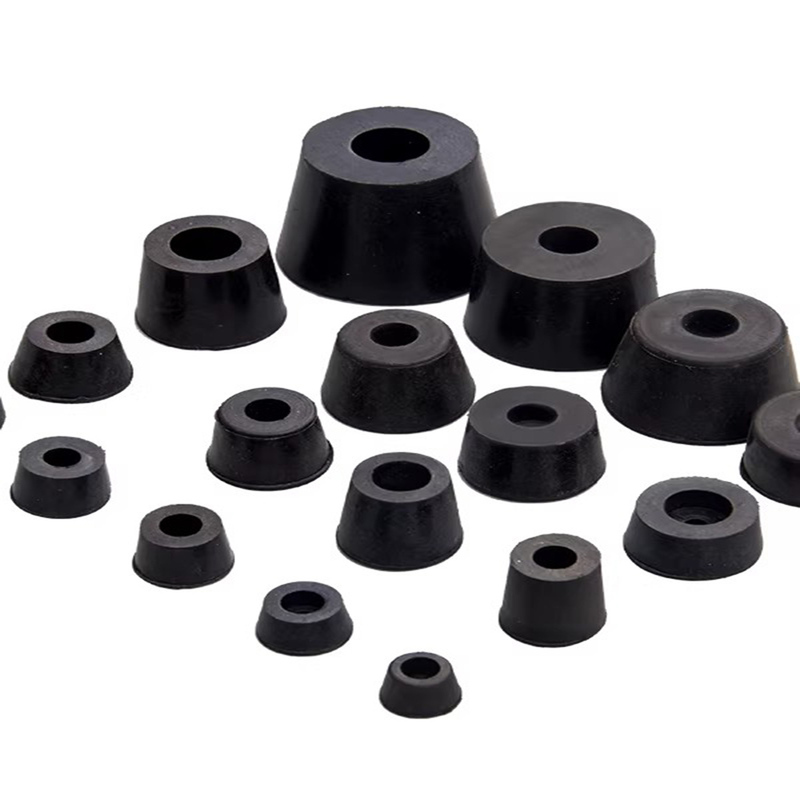
Temperature considerations for isolation materials
Different rubber compounds respond differently to temperature changes. Natural rubber becomes brittle below -40°C and soft above 80°C. EPDM maintains flexibility from -50°C to 150°C. Silicone performs well from -60°C to 200°C.
We must select materials based on operating temperature ranges. Cold environments require low-temperature flexible compounds. Hot environments need heat-resistant materials that maintain stiffness.
Load variations also affect performance. Static loads compress isolation materials permanently. Dynamic loads cause fatigue over time. We calculate both static deflection and dynamic stiffness when designing isolation systems.
| Material | Temperature Range | Chemical Resistance | Load Capacity |
|---|---|---|---|
| Natural Rubber | -40°C to 80°C | Poor | High |
| EPDM | -50°C to 150°C | Excellent | Medium |
| Silicone | -60°C to 200°C | Good | Low |
| NBR | -30°C to 120°C | Excellent | High |
A chemical processing plant contacted us about isolation failures. Their equipment operated at 120°C with chemical exposure. They used natural rubber mounts that degraded quickly. We switched them to EPDM compounds designed for high-temperature chemical environments. Mount lifespan increased from 6 months to 5 years.
Energy consumption increases dramatically. Product quality suffers from vibration transmission. Worker productivity drops due to noise and discomfort.
Poor vibration isolation increases energy costs by 15-25% through inefficient equipment operation. It also reduces product quality, increases defect rates, and creates workplace safety issues that can result in costly compliance violations.
Energy efficiency impacts
Vibrating equipment consumes more energy than properly isolated equipment. Bearings work harder against vibration forces. Motors struggle to maintain consistent speeds. Pumps lose efficiency through vibration-induced cavitation.
We measured energy consumption before and after installing proper isolation systems. Results showed 20% energy savings on average. One facility saved $50,000 annually just from reduced energy costs.
Quality control becomes difficult with excessive vibration. Precision manufacturing requires stable equipment. Vibration causes dimensional variations in products. Surface finish quality decreases. Measurement accuracy suffers.
| Cost Factor | Impact Range | Annual Cost Example |
|---|---|---|
| Energy waste | 15-25% increase | $30,000-$80,000 |
| Quality defects | 10-30% increase | $20,000-$100,000 |
| Maintenance | 200-400% increase | $50,000-$200,000 |
| Worker compensation | Variable | $10,000-$50,000 |
Worker health and safety concerns create additional costs. Excessive vibration causes hand-arm vibration syndrome. Whole-body vibration leads to back problems. Noise-induced hearing loss becomes a liability issue.
How do you choose the right isolation solution?
Material selection depends on application requirements. Mounting configuration affects performance significantly. Professional analysis prevents costly mistakes.
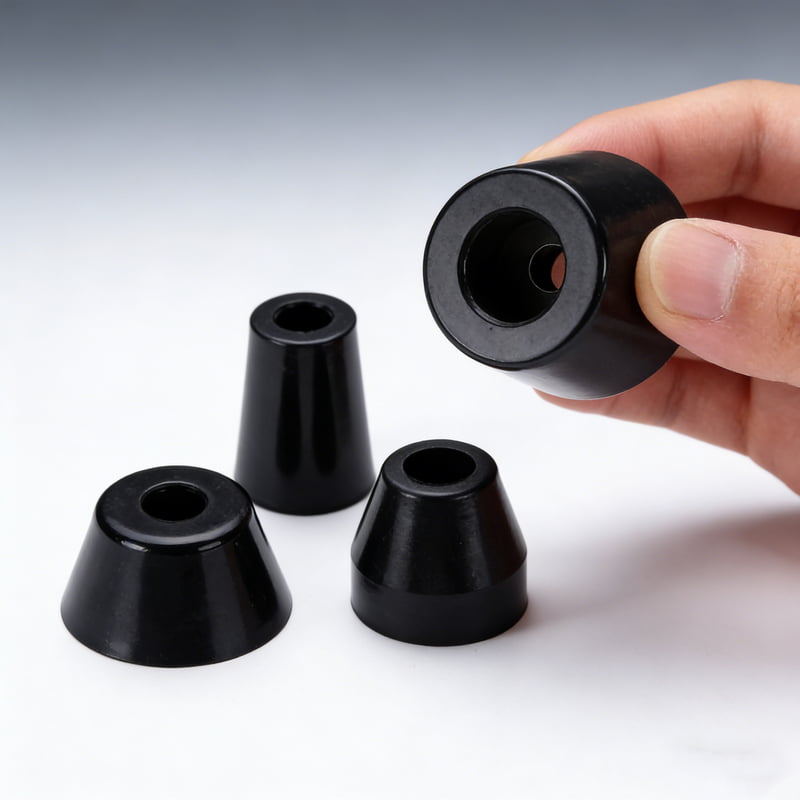
Successful vibration isolation requires analyzing equipment vibration characteristics, environmental conditions, and performance requirements. This analysis determines optimal material selection, mounting configuration, and isolation frequency to achieve maximum effectiveness.
![choosing vibration isolation solution]https://rubber-feet.com/wp-content/uploads/2026/03/1-3-2.jpg "choosing vibration isolation solution")
Step-by-step selection process
Start with vibration analysis of your equipment. Measure vibration frequencies during normal operation. Record amplitude levels at different frequencies. Document operating conditions including temperature, chemicals, and loads.
Next, calculate required isolation performance. Determine target vibration reduction levels. Consider surrounding equipment sensitivity. Factor in building structure limitations.
Material selection follows performance requirements. Soft materials provide better isolation but less load capacity. Firm materials support heavy loads but limit isolation effectiveness. Composite designs balance these requirements.
| Selection Criteria | Considerations | Impact on Performance |
|---|---|---|
| Load capacity | Static and dynamic loads | Deflection and stability |
| Frequency range | Equipment operating frequencies | Isolation effectiveness |
| Environment | Temperature, chemicals, UV | Material durability |
| Space constraints | Mounting area, height limits | Configuration options |
We use computer modeling to predict isolation performance before manufacturing. This prevents trial-and-error approaches that waste time and money. Models show natural frequencies, transmissibility curves, and stress distributions.
Testing validates design predictions. We measure actual vibration reduction after installation. Performance data confirms isolation effectiveness. This data helps optimize future designs.
Conclusion
Proper vibration isolation protects equipment, reduces costs, and improves workplace conditions through careful frequency matching and material selection.