

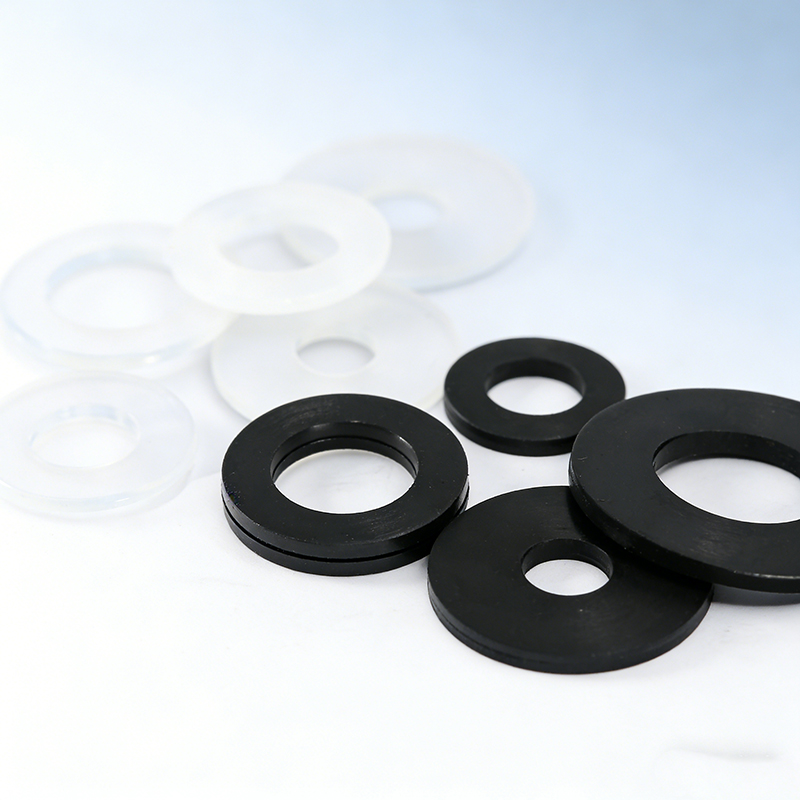
Working with rubber and gasket suppliers1 can be tricky. One wrong choice can cost you thousands and delay your entire project.
The biggest mistake I see companies make is choosing the wrong material for their application. This single error leads to leaks, premature aging, and system failures that could have been easily prevented with proper material selection2.


After 27 years in the rubber industry, I have seen countless projects derailed by this one avoidable mistake. Let me share what I have learned so you don't make the same errors.
What Makes Material Selection So Critical for Rubber Gaskets?
Many engineers think all rubber materials perform the same way. This assumption costs companies millions every year.
Different rubber compounds3 have vastly different properties. EPDM4 excels in weather resistance but fails in oil applications. NBR5 handles petroleum products well but degrades quickly in ozone exposure.
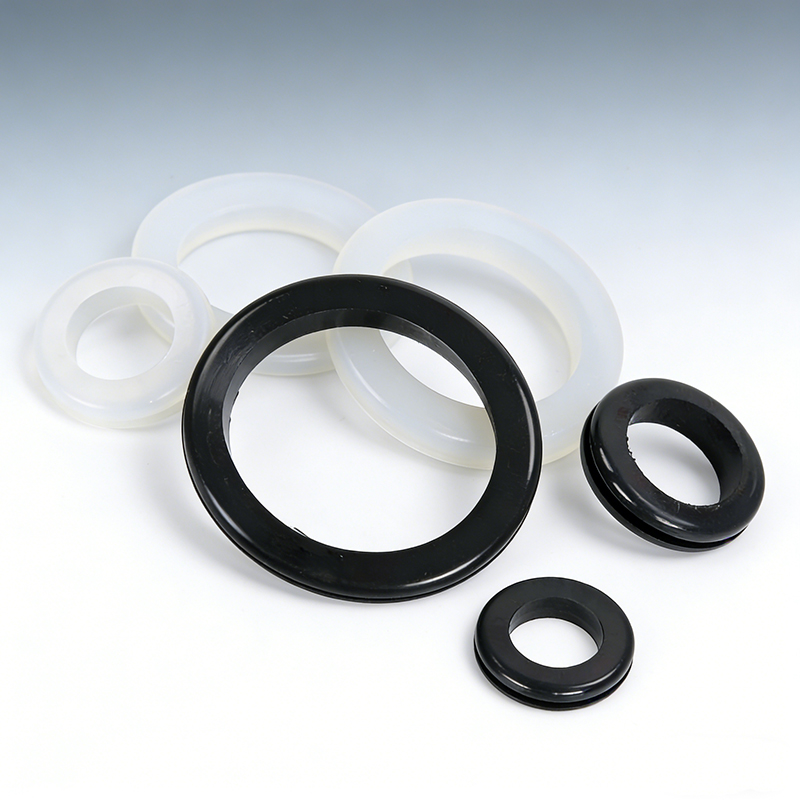
I remember a project where a client chose standard rubber gaskets to save costs. Their application involved high temperatures and chemical exposure. The gaskets failed within weeks. The system leaked, production stopped, and they had to replace everything with the correct material. The "savings" turned into a $50,000 loss.
This happens because rubber materials have specific operating ranges. Temperature, pressure, chemical compatibility6, and environmental factors all affect performance. Silicone7 works great at high temperatures but has poor tear resistance. EPDM4 handles weather exposure perfectly but swells in petroleum products.
| Material | Temperature Range | Chemical Resistance | Key Applications |
|---|---|---|---|
| EPDM4 | -40°F to 300°F | Excellent water/weather | Automotive, HVAC |
| NBR5 | -40°F to 250°F | Good oil resistance | Industrial seals |
| Silicone7 | -65°F to 450°F | Limited chemical | Food grade, medical |
| Fluorocarbon | -10°F to 400°F | Excellent chemical | Aerospace, chemical |
The key is matching material properties to your specific requirements. We always ask clients about operating temperature, pressure levels, chemical exposure, and environmental conditions before recommending materials.
How Do You Choose the Right Supplier for Custom Rubber Components?
Not all rubber suppliers are created equal. The wrong partner can turn your project into a nightmare.
Look for suppliers with in-house engineering capabilities, material expertise, and proven quality systems8. A good supplier should ask detailed questions about your application before quoting.
Many suppliers just take orders without understanding your needs. They quote standard materials for custom applications. This approach fails when your project has specific requirements.
At our facility, we start every project with a technical review. Our engineers examine your drawings, discuss operating conditions, and recommend the best materials. We have seen too many projects fail because suppliers skipped this critical step.
Quality systems matter too. Look for ISO 9001 certification9 and batch traceability10. You need documentation for regulatory compliance and quality audits. We provide complete test reports, material certificates, and dimensional inspection data with every shipment.
Manufacturing capabilities are equally important. Can they handle your volume requirements? Do they have backup equipment for critical parts? We maintain multiple production lines and keep spare tooling to ensure consistent supply.
| Supplier Capability | Why It Matters | Questions to Ask |
|---|---|---|
| Engineering Support | Prevents material failures | Do you provide design reviews? |
| Quality Systems | Ensures consistency | What certifications do you have? |
| Material Range | Matches specific needs | How many compounds do you stock? |
| Production Capacity | Meets volume demands | What are your lead times? |
The best suppliers become partners in your success. They understand your industry, anticipate problems, and provide solutions before issues arise.
What Are the Hidden Costs of Poor Material Selection?
The cheapest quote often becomes the most expensive mistake. Poor material choices create costs that multiply over time.
Failed gaskets don't just need replacement. They cause system downtime11, emergency repairs12, potential safety issues, and customer complaints that damage your reputation.
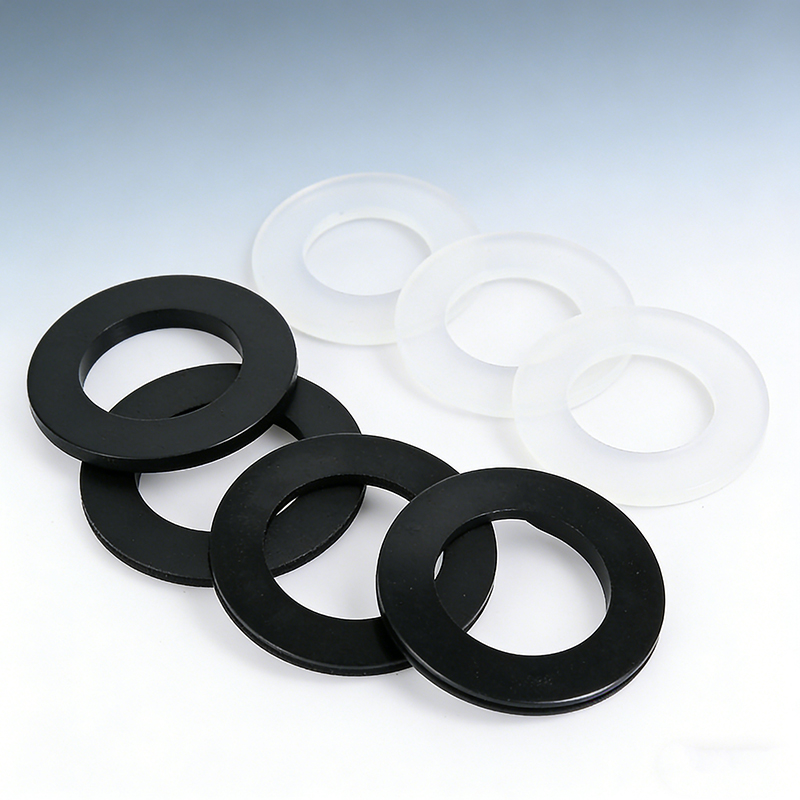
I have tracked the real costs of gasket failures13 across different industries. The direct replacement cost is just the beginning. Downtime costs 10-50 times more than the gasket itself. Emergency repairs require overtime labor and rush shipping. Safety incidents can trigger regulatory investigations and liability issues.
One automotive client learned this lesson the hard way. They saved $2 per gasket using cheaper material. When gaskets failed in the field, recall costs exceeded $2 million. The "savings" cost them 1000 times more than using the right material initially.
Quality issues also damage supplier relationships14. OEMs track supplier performance closely. One major failure can end a supply agreement worth millions in future business. We have seen suppliers lose entire accounts over preventable material failures.
Prevention costs much less than correction. Proper material selection2, quality suppliers, and thorough testing prevent these expensive failures. The small investment in getting it right saves enormous costs later.
| Failure Type | Direct Cost | Indirect Cost | Prevention Method |
|---|---|---|---|
| System Downtime | Gasket replacement | Lost production | Proper material selection2 |
| Emergency Repair | Rush shipping | Overtime labor | Quality suppliers |
| Field Failure | Warranty claims | Brand damage | Thorough testing |
| Safety Incident | Regulatory fines | Liability costs | Engineering review |
Smart companies invest in prevention. They choose proven materials, qualified suppliers, and comprehensive testing. This approach eliminates expensive surprises and protects their reputation.
How Can You Ensure Long-Term Success with Rubber Components?
Success requires more than just buying the right gaskets. You need a systematic approach to material selection2 and supplier management.
Establish clear specifications, maintain supplier relationships14, and implement regular performance reviews15. Document everything and plan for the product lifecycle.
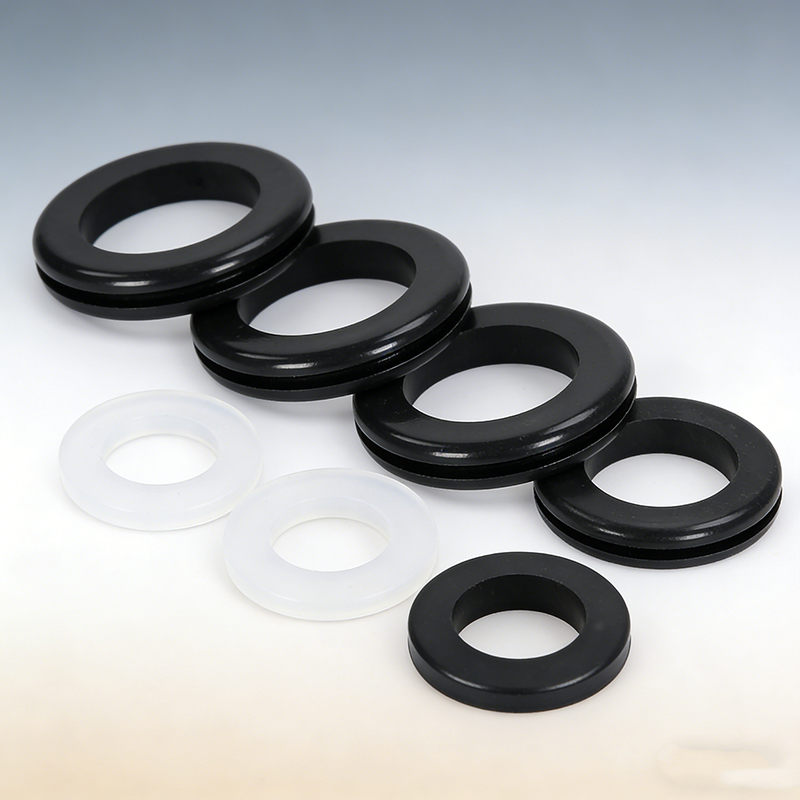
Start with detailed specifications that cover all operating conditions. Include temperature ranges, pressure requirements, chemical exposure, and environmental factors. Add performance expectations like service life and failure modes. Clear specifications prevent misunderstandings and ensure consistent results.
Build strong supplier relationships14 through regular communication and feedback. Share your roadmap so suppliers can prepare for future needs. Provide performance data so they can improve their products. The best suppliers become extensions of your engineering team.
Regular audits verify supplier capabilities and quality systems8. Visit their facilities, review their processes, and meet their team. Understanding their operations helps you assess risks and plan contingencies.
Document everything for traceability10 and compliance. Keep material certificates, test reports, and performance data. This documentation supports regulatory audits and helps diagnose problems quickly.
Plan for obsolescence and supply chain disruptions. Qualify backup suppliers for critical components. Maintain safety stock for long-lead items. These preparations prevent emergency situations that force poor decisions.
| Success Factor | Implementation | Benefits |
|---|---|---|
| Clear Specifications | Document all requirements | Prevents misunderstandings |
| Supplier Partnerships | Regular communication | Improves performance |
| Quality Audits | Facility visits | Reduces risks |
| Documentation | Complete traceability10 | Supports compliance |
| Contingency Planning | Backup suppliers | Prevents emergencies |
We help clients develop these systems through our engineering support and quality programs. Our goal is long-term partnership success, not just individual transactions.
Conclusion
Choose your rubber supplier carefully and specify materials properly. These decisions determine whether your project succeeds or becomes an expensive lesson in what not to do.
Explore this resource to learn effective strategies for selecting and collaborating with rubber and gasket suppliers. ↩
Understanding the importance of material selection can save you from costly mistakes in your projects. ↩
This link provides insights into various rubber compounds and their specific applications, helping you make informed choices. ↩
Discover the unique characteristics of EPDM rubber and how it can benefit your projects. ↩
Learn about NBR rubber's properties and why it's suitable for petroleum applications. ↩
Understanding chemical compatibility is crucial for selecting the right rubber materials for your applications. ↩
Explore the advantages of silicone rubber for high-temperature environments and its limitations. ↩
This resource outlines essential quality systems that can enhance the reliability of rubber products. ↩
Learn about the significance of ISO 9001 certification in ensuring quality and reliability from suppliers. ↩
Discover the importance of traceability in ensuring compliance and quality in rubber manufacturing. ↩
Understanding the financial impact of system downtime can help you prioritize quality in material selection. ↩
Explore the hidden costs of emergency repairs and how to avoid them through proper planning. ↩
Understanding the causes of gasket failures can help you implement preventive measures effectively. ↩
Learn strategies for fostering strong supplier relationships that can lead to better project outcomes. ↩
This link provides insights into effective practices for evaluating supplier performance regularly. ↩