

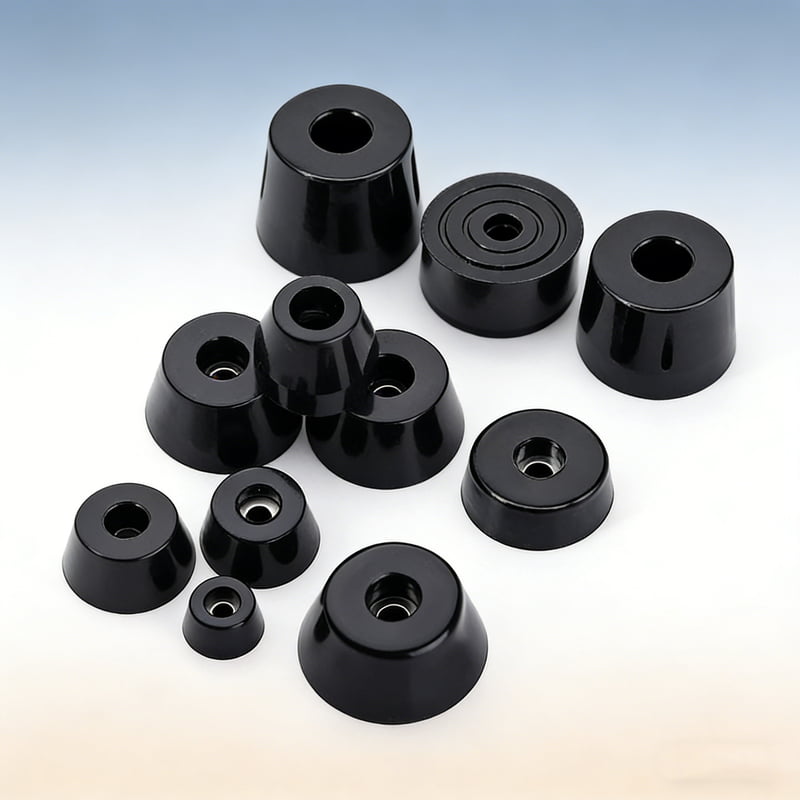
Many people assume shock absorbers1 eliminate all vibration2. But sometimes these components become the source of unwanted movement themselves.
Poor material selection3, incorrect hardness levels4, or mismatched design specifications5 can cause shock absorbers1 to generate vibration2 instead of reducing it. This leads to equipment inefficiency6 and potential system failures7.
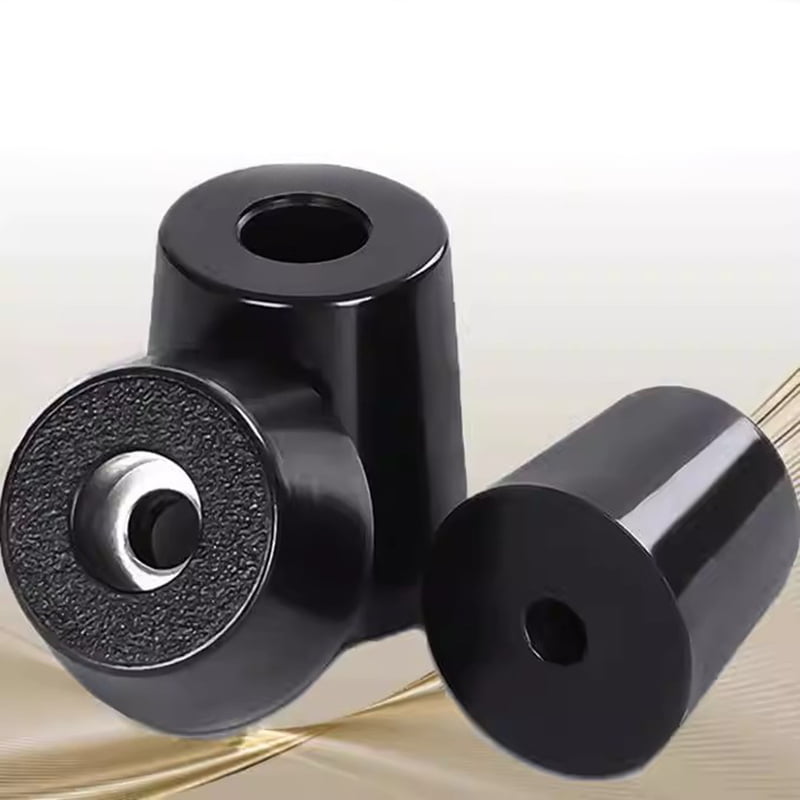
Understanding why this happens can save you from costly mistakes. I have seen many projects where the wrong shock absorber choice created more problems than it solved.
What causes shock absorbers1 to generate their own vibration2?
The main culprit is usually a mismatch between the absorber and its working environment. This creates resonance8 instead of dampening.
Resonance occurs when the shock absorber's natural frequency matches the system's operating frequency. This amplifies vibration2 rather than reducing it, causing equipment damage and performance issues.
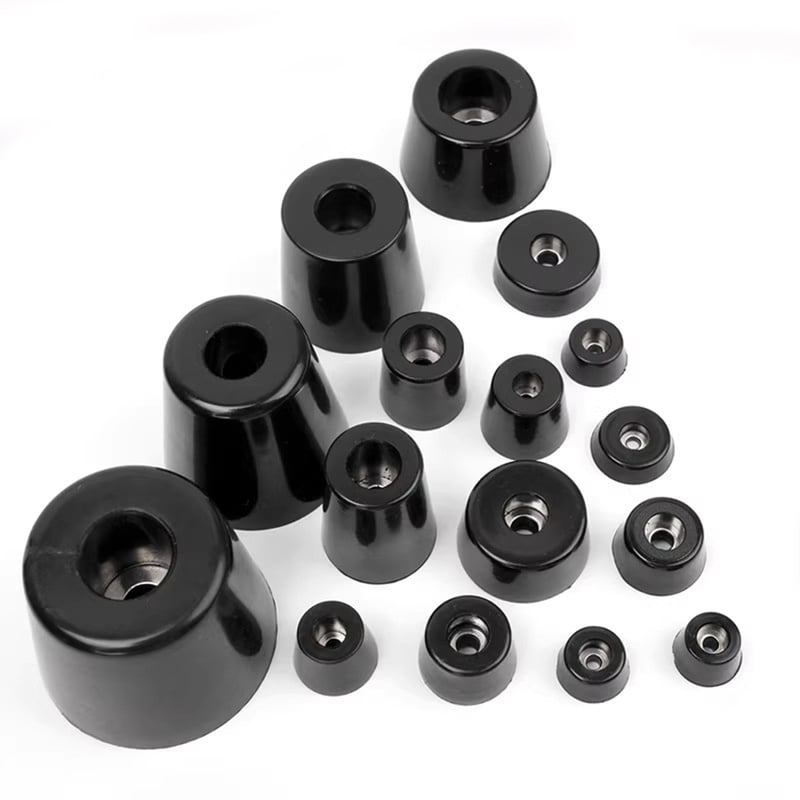
Several factors contribute to this problem. First, incorrect hardness selection plays a major role. I once worked with a mechanical equipment manufacturer who chose shock absorbers1 that were too hard for their application. The absorbers could not properly dampen high-frequency vibration2s. Instead, they created a resonant system that amplified the original vibration2.
Material composition also matters significantly. Different rubber compounds respond differently to temperature changes9, pressure variations10, and frequency ranges. EPDM performs well in outdoor applications but may not suit high-temperature environments. NBR works better for oil resistance but can become brittle in cold conditions. Silicone offers temperature stability but may lack the durability needed for heavy-duty applications.
Installation methods create another common issue. Improper mounting can introduce stress concentrations that generate vibration2. Over-tightening bolts can compress the rubber beyond its optimal range. Under-tightening allows movement that defeats the dampening purpose. The mounting surface condition also affects performance. Uneven surfaces create unbalanced loading that leads to vibration2.
| Vibration Cause | Common Symptoms | Material Impact |
|---|---|---|
| Wrong hardness | Excessive movement | Premature wear |
| Poor installation | Noise generation | Stress cracking |
| Material mismatch | Temperature sensitivity | Chemical degradation |
| Resonance | Amplified vibration2 | Fatigue failure |
How does environmental mismatch affect shock absorber performance?
Environmental conditions determine whether a shock absorber will work properly or become a vibration2 source. Temperature extremes change material properties dramatically.
Temperature fluctuations alter rubber stiffness and dampening characteristics. Cold conditions make rubber harder and less flexible, while heat softens materials and reduces their dampening effectiveness.
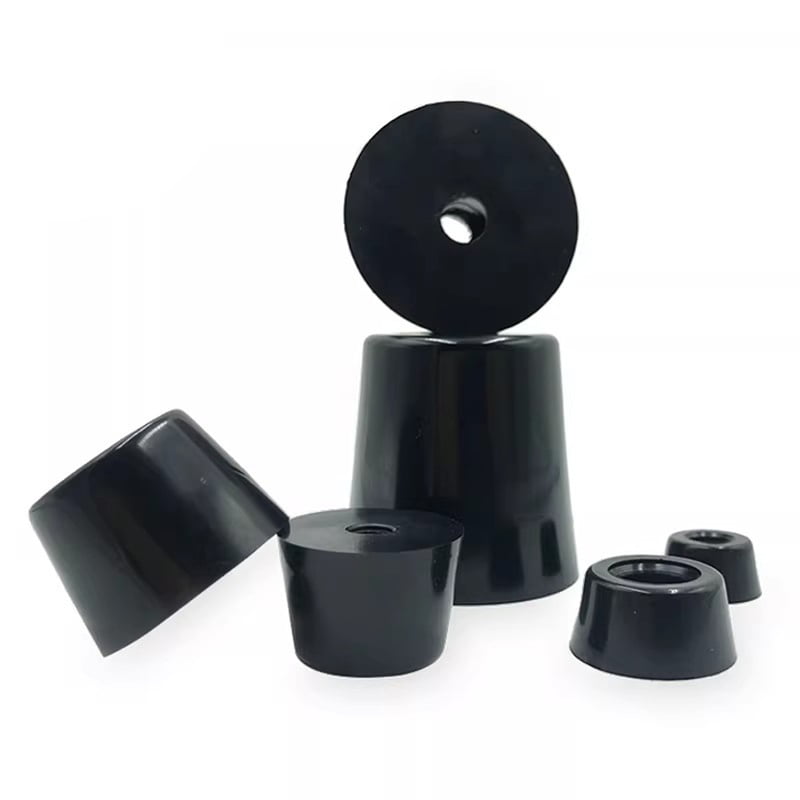
I remember helping a client whose outdoor equipment experienced severe vibration2 problems during winter months. Their shock absorbers1 worked fine in summer but became rigid and ineffective when temperatures dropped. The rubber compound they chose was not suitable for cold weather operation.
Chemical exposure creates similar problems. Oil, solvents, and cleaning agents can degrade rubber materials over time. This degradation changes the material's dampening properties. What starts as an effective shock absorber gradually becomes a source of vibration2 as the material breaks down.
Pressure variations also affect performance. High-pressure applications require materials that maintain their properties under stress. Low-quality compounds may compress permanently or develop internal stress patterns that generate vibration2. UV exposure degrades many rubber compounds, causing surface cracking and internal structure changes.
Frequency matching represents perhaps the most critical environmental factor. Every shock absorber has a natural frequency range where it performs optimally. Operating outside this range can create resonance8 conditions. High-frequency applications need soft, flexible materials. Low-frequency vibration2s require stiffer compounds that provide structural support.
Humidity levels affect some materials more than others. Hygroscopic materials can absorb moisture and change their properties. This moisture absorption can lead to dimensional changes that affect fit and performance. In marine environments, salt exposure accelerates degradation and creates additional challenges.
| Environmental Factor | Performance Impact | Solution Approach |
|---|---|---|
| Temperature range | Stiffness variation | Material selection |
| Chemical exposure | Degradation | Resistant compounds |
| Pressure levels | Compression set | Proper hardness |
| UV radiation | Surface cracking | UV-stable materials |
What design flaws commonly cause vibration2 in shock absorbers1?
Poor design choices during the development phase often create vibration2 problems that appear later during operation. Inadequate load distribution11 represents one major flaw.
Uneven load distribution11 creates stress concentrations that generate vibration2. This happens when the shock absorber design does not match the actual load patterns in the application.


Shape optimization plays a crucial role in performance. Simple cylindrical designs work well for basic applications but may not suit complex loading conditions. Multi-directional forces require specialized shapes that can handle various stress patterns. I have seen cases where standard round shock absorbers1 created vibration2 because they could not properly address lateral forces.
Bonding quality between rubber and metal components affects long-term performance. Poor adhesion allows relative movement between materials, creating internal friction and vibration2. This problem often develops gradually as thermal cycling weakens the bond. Chemical bonding agents must match both the rubber compound and metal substrate for optimal results.
Wall thickness variations can create uneven stiffness patterns. Thick sections provide more support but may create rigid zones that transfer vibration2 instead of absorbing it. Thin sections offer flexibility but may lack the strength needed for heavy loads. Proper design balances these requirements through careful thickness optimization.
Surface finish on metal components affects bonding quality12 and stress distribution. Rough surfaces may create stress concentrations in the rubber. Too-smooth surfaces may not provide adequate mechanical bonding. The optimal surface treatment depends on the specific rubber compound and application requirements.
Geometric features like grooves, ribs, or hollow sections can either improve or worsen performance. Well-designed features help control deformation patterns and improve dampening. Poorly placed features can create stress concentrations or weak points that lead to premature failure and vibration2 generation.
| Design Flaw | Vibration Mechanism | Prevention Method |
|---|---|---|
| Poor load distribution11 | Stress concentration | Load analysis |
| Inadequate bonding | Internal movement | Proper adhesion |
| Wrong geometry | Uneven stiffness | Shape optimization |
| Surface issues | Stress concentration | Surface treatment |
How can you prevent shock absorbers1 from becoming vibration2 sources?
Proper selection and installation prevent most vibration2 problems. This requires understanding both the application requirements and material properties. Load analysis comes first.
Calculate actual loads including static weight, dynamic forces, and environmental stresses. This data guides material selection3 and ensures the shock absorber can handle all operating conditions without generating vibration2.
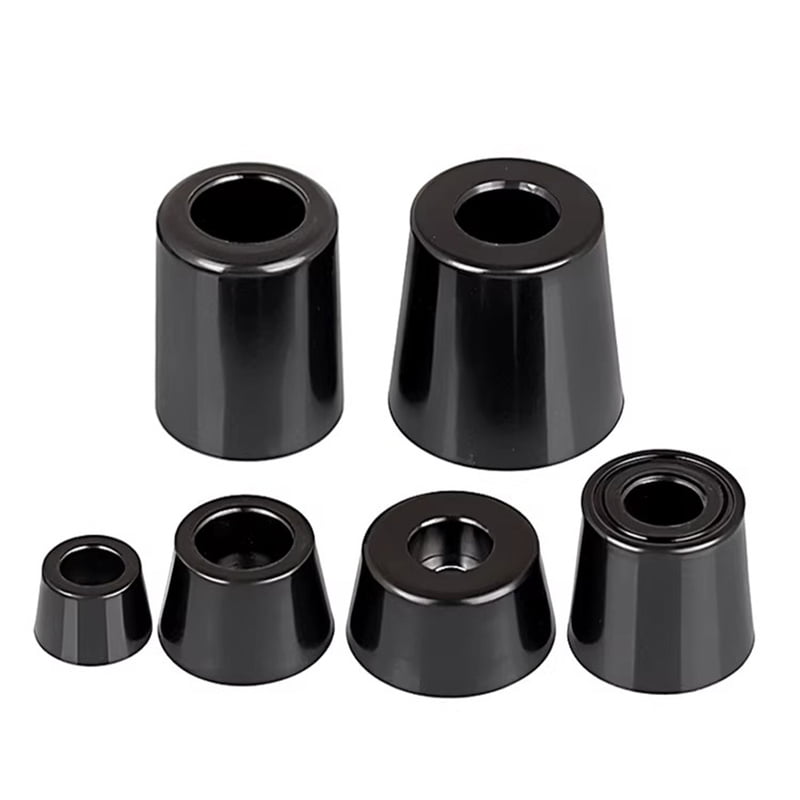
Material testing under actual operating conditions provides valuable insights. Laboratory tests may not capture all the environmental factors that affect real-world performance. Field testing with prototype units helps identify potential problems before full production. This approach has saved many of my clients from costly redesigns.
Installation procedures require careful attention to detail. Mounting surfaces must be clean, flat, and properly prepared. Torque specifications should follow manufacturer recommendations. Over-tightening creates stress concentrations while under-tightening allows unwanted movement. Use proper tools to ensure consistent installation quality.
Quality control during manufacturing affects long-term performance. Material consistency, cure times, and bonding processes must meet strict standards. Batch testing helps identify material variations that could affect performance. Documentation systems track material lots and enable quick response to any quality issues.
Regular maintenance schedules13 help identify problems before they create serious vibration2 issues. Visual inspections can reveal surface cracking, bond line separation, or dimensional changes. Performance monitoring through vibration2 measurements provides early warning of developing problems. Replacement schedules based on operating hours or cycles prevent unexpected failures.
Environmental protection extends service life and maintains performance. Covers or shields protect against UV exposure and chemical contamination. Drainage features prevent water accumulation that could cause swelling or degradation. Temperature control systems maintain optimal operating conditions where possible.
| Prevention Strategy | Implementation Method | Expected Benefit |
|---|---|---|
| Proper selection | Load analysis | Optimal performance |
| Quality installation | Trained procedures | Long-term reliability |
| Regular maintenance | Inspection schedules | Early problem detection |
| Environmental protection | Protective measures | Extended service life |
Conclusion
Shock absorbers generate vibration2 when material properties, design features, or installation methods14 do not match application requirements, making proper selection and installation essential for optimal performance.
Understanding shock absorbers is crucial for optimizing equipment performance and preventing vibration issues. ↩
Exploring the causes of vibration can help in diagnosing and preventing equipment failures. ↩
Proper material selection is key to ensuring shock absorbers perform effectively in their intended applications. ↩
Learning about hardness levels can prevent resonance and improve shock absorber efficiency. ↩
Understanding design specifications can help avoid common pitfalls that lead to vibration issues. ↩
Identifying signs of inefficiency can lead to timely interventions and improved performance. ↩
Exploring causes of system failures can help in developing preventive maintenance strategies. ↩
Understanding resonance is essential for preventing amplified vibrations in mechanical systems. ↩
Understanding temperature effects can help in selecting materials suitable for varying conditions. ↩
Understanding pressure effects can help in selecting appropriate materials for high-stress applications. ↩
Proper load distribution is critical for preventing stress concentrations and vibration. ↩
Exploring bonding quality can lead to improved durability and performance of shock absorbers. ↩
Regular maintenance is key to identifying and preventing vibration issues before they escalate. ↩
Proper installation methods are essential for ensuring optimal performance and longevity. ↩