

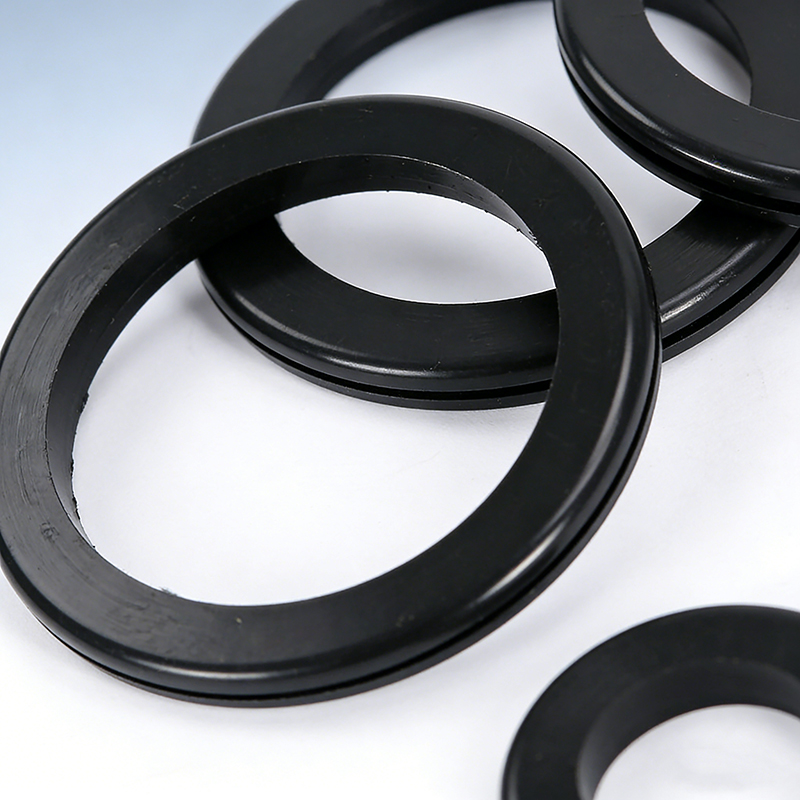
You receive perfect samples, but months later, complaints flood your desk about leaking gaskets and equipment failures.
The hidden culprit behind gasket failures is compression set mismatch. While samples perform flawlessly in short tests, mass production often uses cost-cutting materials that permanently deform under real operating conditions, creating gaps that compromise sealing performance.
After 27 years in rubber manufacturing, I have witnessed countless engineers face this exact nightmare. You are not alone in this struggle.
What Makes Rubber Door Gaskets Fail in Real Applications?
The perfect sample arrives at your facility, passes all initial tests, then becomes your worst enemy in production.
Compression set failure occurs when rubber molecules break down under sustained pressure and temperature cycling. Low-grade materials lose molecular memory, creating permanent deformation that destroys sealing integrity within months of installation.
This problem runs deeper than most engineers realize. In my factory, I see the same pattern repeatedly. Companies focus entirely on initial hardness specifications while ignoring long-term performance data. They receive quotes for materials that look identical on paper but behave completely differently under stress.
The molecular chains in cheap rubber compounds fatigue quickly under repeated compression cycles. When your door gasket experiences thousands of open-close cycles combined with temperature fluctuations, inferior materials lose their elastic memory. A 0.5mm gap might seem insignificant, but it destroys IP ratings and increases energy consumption dramatically.
I remember working with a medical equipment manufacturer who faced this exact issue. Their cabinet door gaskets worked perfectly during qualification testing. Six months later, their devices failed contamination protocols because gaskets had compressed permanently. The cost of field replacements and reputation damage far exceeded any initial material savings.
The testing environment creates another layer of deception. Samples tested at room temperature for short periods cannot predict performance under real operating conditions. Your gaskets need to maintain elasticity through temperature swings, chemical exposure, and mechanical stress that laboratory tests rarely simulate.
How Do Material Specifications Hide Performance Problems?
Standard datasheets focus on Shore A hardness while ignoring the metrics that actually matter for long-term performance.
Compression set resistance, aging characteristics, and temperature stability determine real-world gasket performance. These critical specifications are often omitted from standard material datasheets, leaving engineers vulnerable to costly failures.
Shore A hardness tells you nothing about compression set resistance. I have seen materials with identical hardness ratings perform completely differently under sustained load. The molecular structure and curing process determine whether your gasket bounces back or stays compressed forever.
Temperature resistance specifications often list maximum operating temperatures without addressing performance degradation. A gasket rated for 120°C might function at that temperature but lose 50% of its elasticity within weeks. Your equipment continues operating while sealing performance gradually deteriorates.
Chemical resistance data typically covers short-term exposure scenarios. Real applications involve repeated contact with cleaning agents, oils, and environmental contaminants. Materials that pass initial chemical compatibility tests might degrade slowly over months of actual use.
The curing process creates another hidden variable. Properly cured rubber maintains molecular crosslinking that provides elastic memory. Under-cured or over-cured materials might meet initial specifications but fail under sustained stress. Quality manufacturers control sulfur content, curing temperature, and time precisely to ensure consistent performance.
Filler content represents another specification game. High-quality rubber compounds use minimal fillers to maintain elasticity. Cost-cutting manufacturers increase filler ratios to reduce material costs while maintaining basic hardness specifications. These filled compounds lose compression resistance much faster than pure rubber formulations.
Batch-to-batch consistency becomes critical for large production runs. Sample materials might come from carefully controlled small batches while mass production uses different mixing processes or raw material sources. Without strict quality controls, your perfect samples become meaningless predictors of production performance.
What Testing Methods Reveal True Gasket Performance?
Accelerated aging tests expose material weaknesses that standard qualification procedures miss completely.
ASTM D395 compression set testing at elevated temperatures simulates years of real-world performance in days. Combined with thermal cycling and chemical exposure tests, these methods predict actual gasket lifespan under operating conditions.
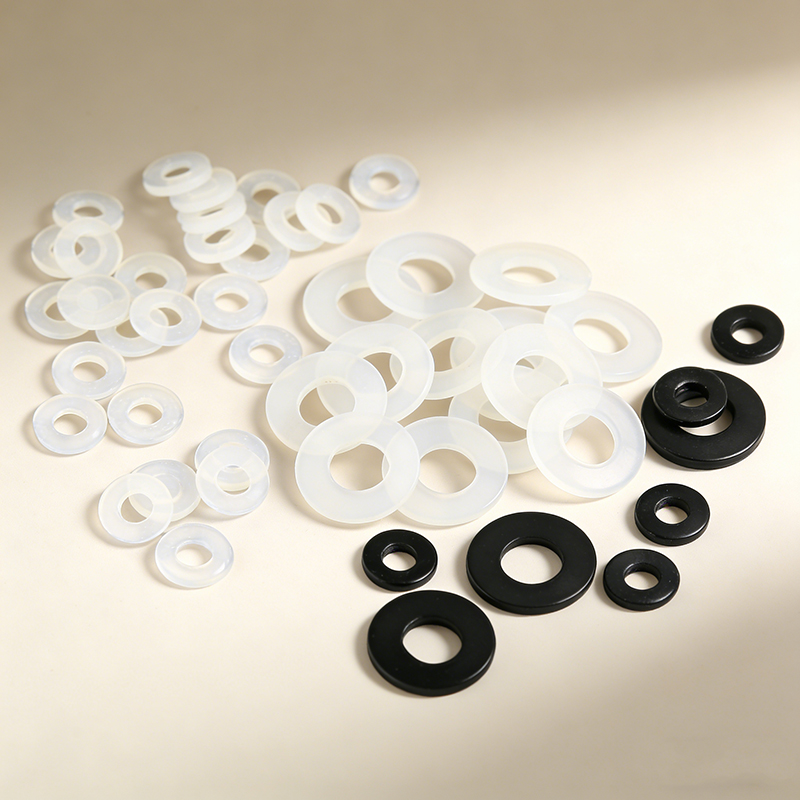
Compression set testing requires specific protocols that many suppliers skip. The test involves compressing samples to 25% of original thickness at elevated temperatures for extended periods. Quality materials maintain elasticity while inferior compounds show permanent deformation.
Temperature cycling tests reveal thermal expansion mismatches and material degradation. Gaskets experience daily temperature swings in most applications. Materials that perform well at constant temperatures might crack or lose elasticity when cycled between temperature extremes.
Chemical resistance testing must match actual exposure conditions. Standard immersion tests use pure chemicals for short periods. Real applications involve diluted solutions, mixed chemicals, and repeated exposure cycles. Comprehensive testing simulates these complex exposure patterns.
Ozone resistance testing becomes critical for outdoor applications. Rubber gaskets exposed to atmospheric ozone crack and lose sealing capability over time. ASTM D1149 testing exposes samples to concentrated ozone to accelerate degradation and predict outdoor performance.
Fatigue testing simulates repeated compression cycles that door gaskets experience. Dynamic testing equipment cycles samples through compression and release thousands of times while monitoring performance degradation. This testing reveals failure modes that static tests cannot predict.
UV exposure testing matters for gaskets with any sunlight exposure. Ultraviolet radiation breaks down rubber molecular chains, causing surface cracking and material hardening. Accelerated UV testing predicts gasket appearance and performance changes over years of service.
How Do Manufacturing Processes Affect Gasket Reliability?
Precision manufacturing controls create consistent material properties that determine long-term gasket performance.
Vulcanization temperature, pressure, and timing must be controlled within tight tolerances to achieve optimal crosslinking. Variations in these parameters create batch-to-batch performance differences that compromise gasket reliability in production applications.
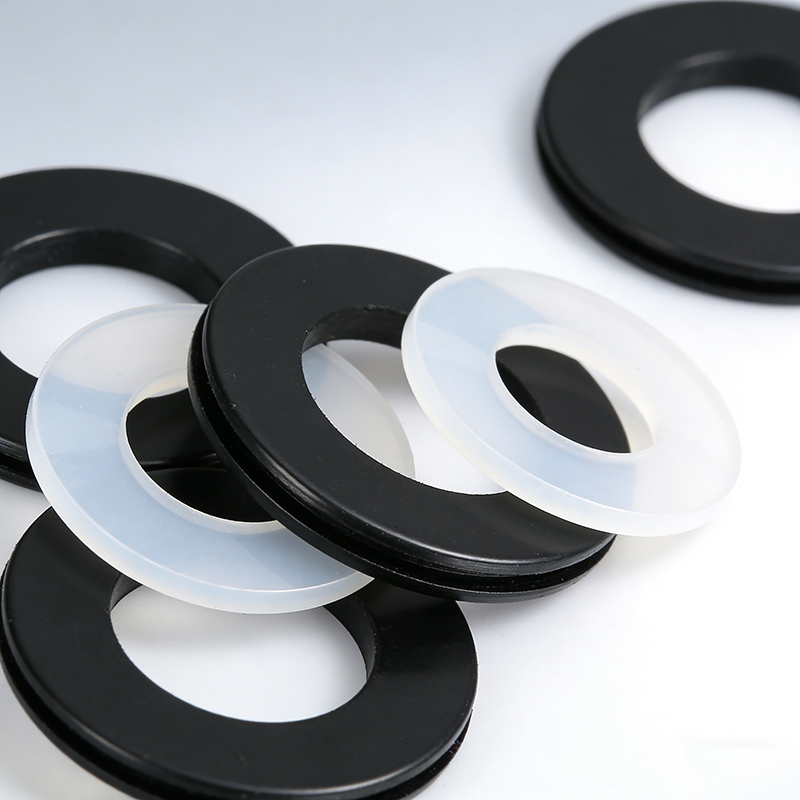
Vulcanization represents the most critical manufacturing step for gasket performance. The crosslinking process creates molecular bonds that provide elastic memory. Under-cured rubber lacks sufficient crosslinks and loses compression resistance quickly. Over-cured rubber becomes brittle and cracks under stress.
Temperature control during vulcanization affects crosslink density throughout the gasket cross-section. Uneven heating creates soft spots that compress permanently while properly cured areas maintain elasticity. Quality manufacturers use precise heating systems with multiple temperature zones.
Pressure application during curing eliminates voids and ensures uniform density. Insufficient pressure creates weak spots that fail under load. Excessive pressure can damage mold surfaces and create dimensional inconsistencies. Proper pressure control requires calibrated systems and regular monitoring.
Raw material quality directly impacts final gasket performance. Virgin rubber compounds provide superior elasticity compared to recycled materials. Filler content must be controlled precisely to maintain compression resistance. Quality manufacturers test incoming materials and reject substandard batches.
Mixing procedures determine material homogeneity throughout each batch. Inadequate mixing creates areas with different cure characteristics and performance properties. Overmixing can break down polymer chains and reduce material strength. Proper mixing requires specific time, temperature, and speed parameters.
Mold design affects material flow and cure uniformity. Poor mold design creates flow lines, air traps, and uneven thickness that compromise performance. Quality molds use proper venting, heating channels, and surface finishes to ensure consistent gasket properties.
Post-cure processing can improve gasket stability and performance. Controlled cooling prevents internal stresses that might cause delayed deformation. Secondary curing at elevated temperatures can complete crosslinking reactions and improve compression set resistance.
Conclusion
Successful gasket projects require testing beyond standard specifications and manufacturing partners who prioritize long-term performance over initial cost savings.