

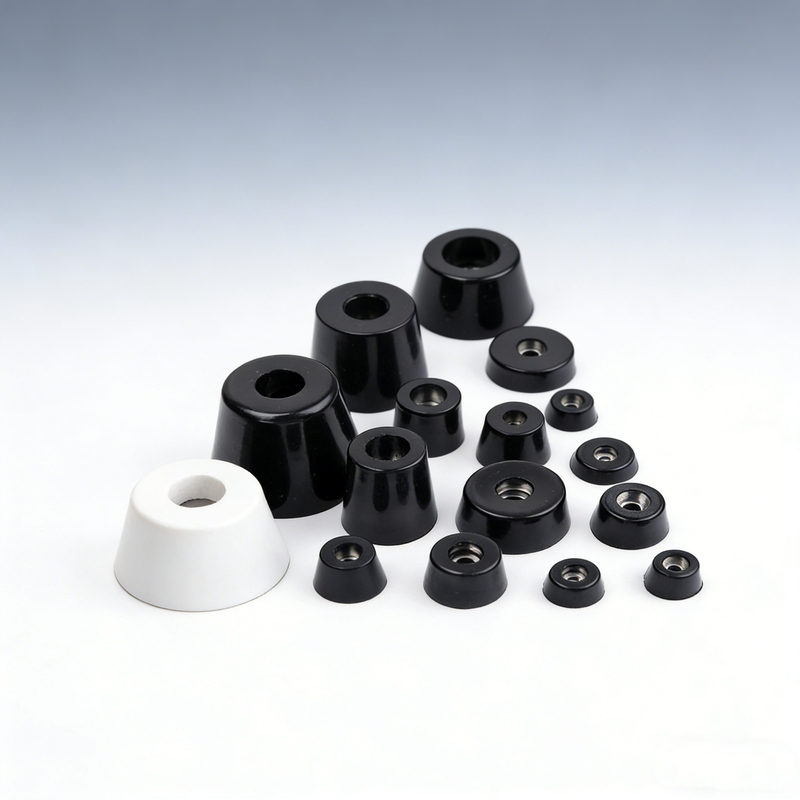
Vibration is a common challenge in many industries. It can cause noise, wear, and even damage. This raises an important question: why is rubber often the go-to material for vibration absorption1?
Rubber is preferred for vibration absorption1 because it is both elastic and energy-absorbing. It can deform to absorb shocks and convert vibrational energy into heat, which metals struggle to achieve.
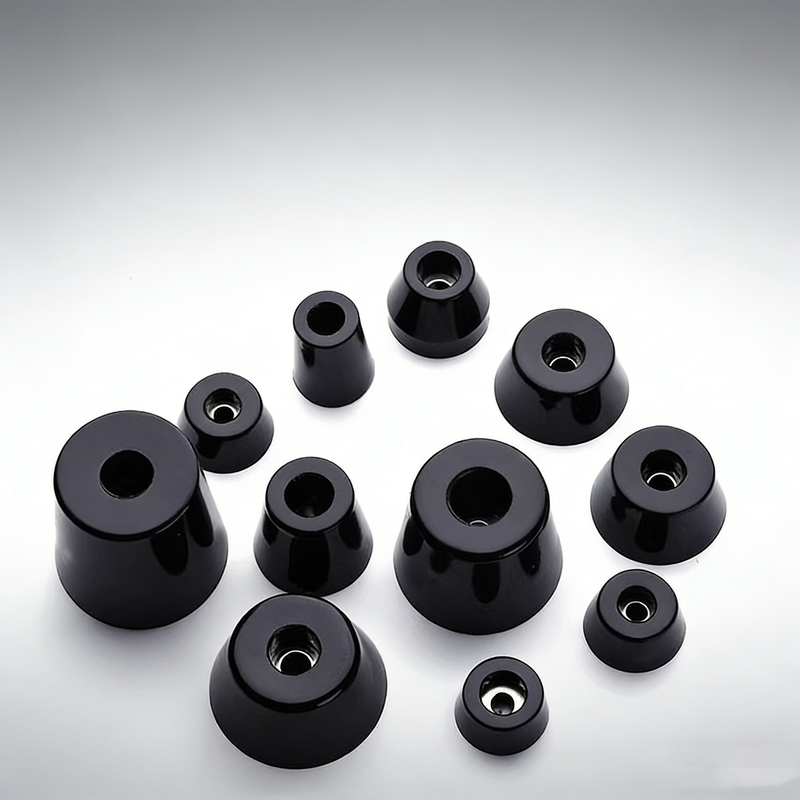
Many people overlook a key issue. I often hear the same question: why do so many designs fail despite using rubber? The answer lies in the hardness of the rubber chosen.
Why does hardness matter in rubber selection?
Choosing the right hardness, measured in Shore A2, is crucial for effective vibration absorption1. Many believe that softer rubber is always better for shock absorption. Others mistakenly think that harder rubber provides more durability and safety.
But here’s the reality:
The hardness of rubber directly affects both its natural frequency3 and energy absorption capabilities4. Choosing incorrectly can lead to poor results.
- Too Hard: Vibrations transfer directly through the material, with little to no damping.
- Too Soft: The rubber may not provide stable support, resulting in larger displacements or even resonance.
As a result, it may appear that rubber was used effectively, but the vibration issues remain unresolved.
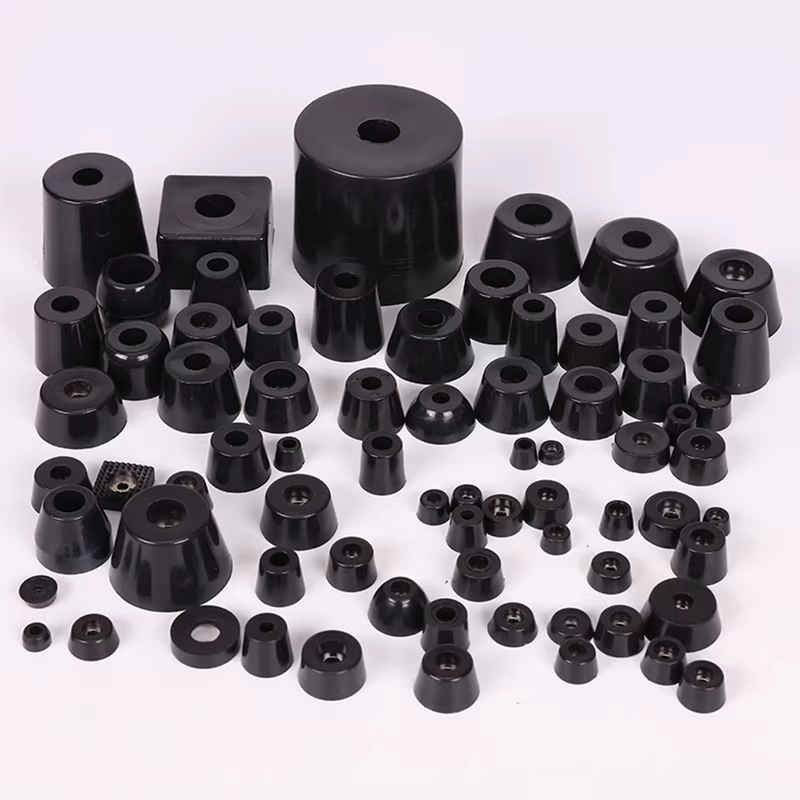
A typical scenario
I recall a project where rubber vibration pads5 had been employed, but the feedback was disappointing. There was almost no improvement in noise and vibration reduction.
It turned out the engineers had selected high-hardness rubber, thinking it would be more durable. After reevaluation, we discovered that the actual working frequency was quite low. A lower hardness was necessary to achieve effective isolation.
We made adjustments by:
The results were clear: vibration levels decreased significantly, and the equipment operated more smoothly.
How to avoid this common pitfall?
When designing or selecting rubber components, you must focus on one crucial aspect first:
Do not choose the material before confirming the vibration frequency and load.
Once you understand these factors, you can select an appropriate hardness range for the rubber.
Keep this in mind:
Vibration reduction effectiveness = Material properties × Application match.
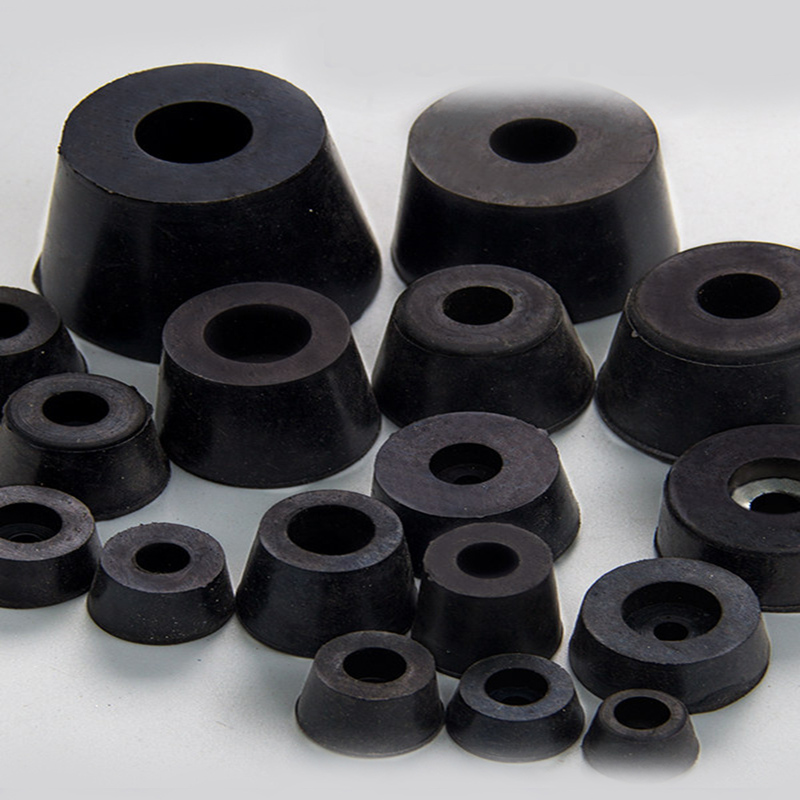
How do we approach this?
In our internal processes, I always follow a clear principle for every vibration isolation project:
First, analyze if the material matches the application; then decide which rubber to use.
This involves:
- Matching frequency with natural frequency3
- Recommending a range of hardness, not just a single option
- Evaluating dynamic operating conditions
I understand that choosing the wrong hardness can be worse than not using rubber at all.
Final Thoughts
If you’re facing issues where rubber hasn’t improved vibration control, or if noise remains significant despite changing materials, it might not be about the material itself. It could be a matching issue instead.
If you’re willing, share your equipment parameters or operating conditions with me. My team and I can help analyze the situation and provide a more effective isolation solution.
Sometimes, rubber works not because it's a perfect solution, but because it's the right solution for the job.
Understanding vibration absorption is key to improving equipment performance and reducing noise. ↩
Learn about Shore A hardness to make informed decisions on rubber selection for vibration control. ↩
Understanding natural frequency is crucial for selecting the right materials for effective vibration isolation. ↩
Explore how energy absorption capabilities influence the effectiveness of vibration isolation materials. ↩
Discover the function and benefits of rubber vibration pads in reducing noise and vibration. ↩