

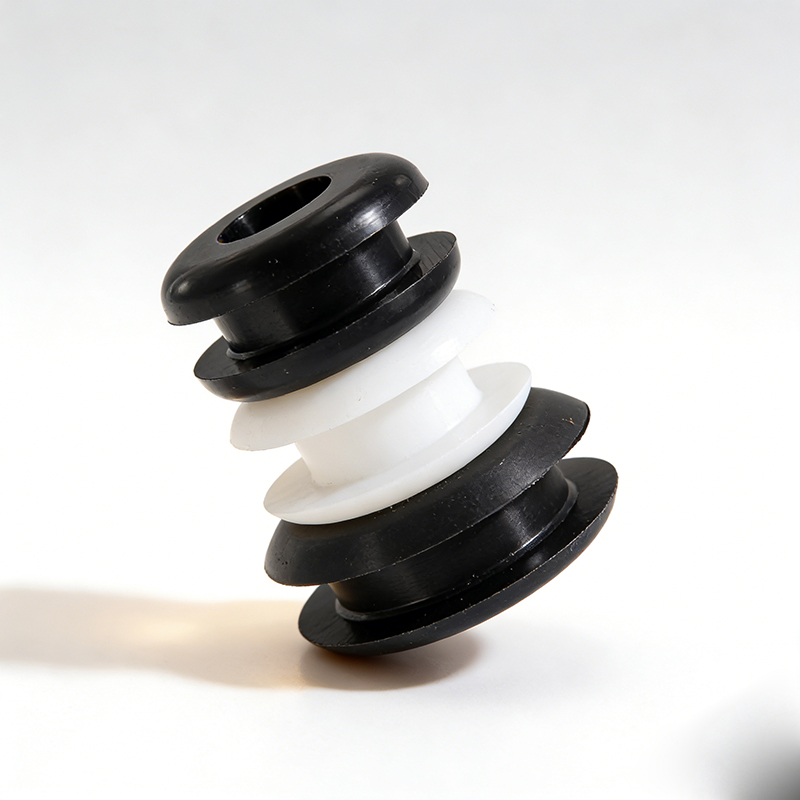
Cable damage costs companies thousands in repairs and downtime. Wrong protection choices make this worse.
OEM custom cable wire silicone rubber protective rings1 provide precise fit and material properties for your specific application. They prevent cable wear2, environmental damage3, and system failures4 through tailored dimensions and specialized silicone compounds5.
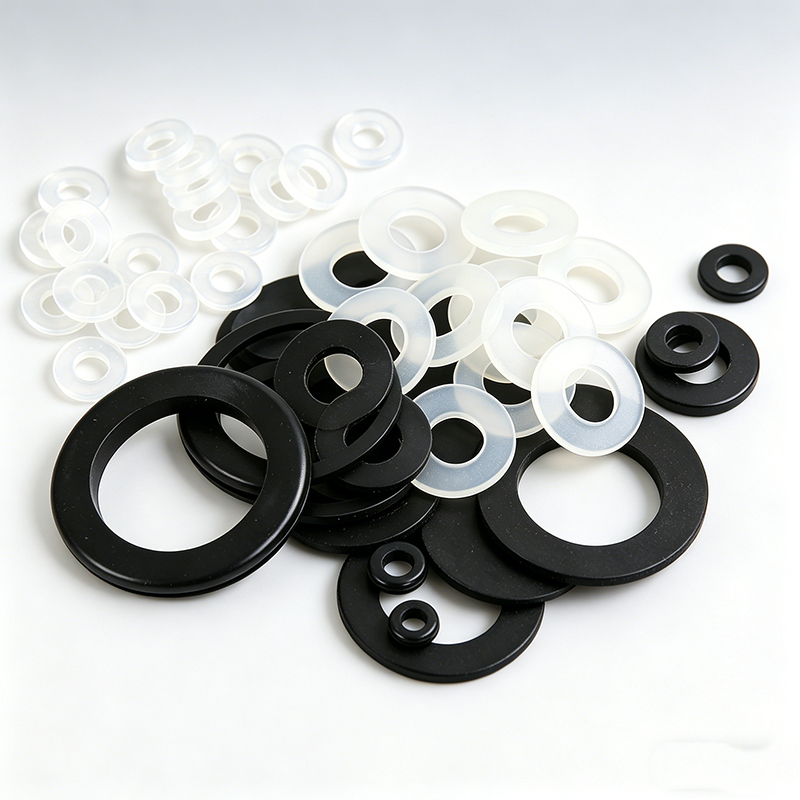
I have seen too many projects fail because someone picked the wrong cable protection. The cost goes beyond just replacing cables. It includes downtime, safety risks, and customer complaints.
What Makes OEM Custom Solutions Different from Standard Options?
Standard rings rarely fit perfectly. Your cables deserve better protection than generic solutions.
OEM custom rings match your exact cable diameter6, environmental conditions, and performance requirements. Standard rings often leave gaps or create pressure points that damage cables over time.
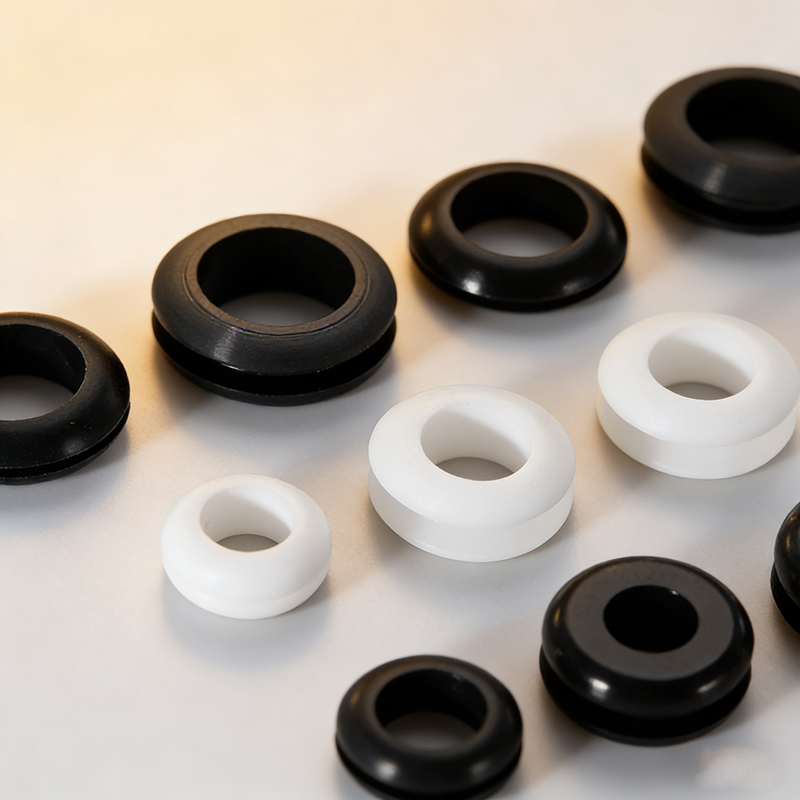
The difference between custom and standard rings7 goes deeper than size. We design each ring based on your specific application requirements. Standard rings come in fixed sizes and materials. They might work for basic applications, but they fail when you need precise protection.
Custom rings start with your cable specifications. We measure the exact diameter, consider the bend radius, and analyze the environment where cables will operate. Temperature extremes, chemical exposure8, and mechanical stress9 all influence our design decisions.
Material selection becomes critical here. Standard rings typically use basic silicone compounds5. Custom rings can incorporate specialized additives for enhanced performance. We might add carbon black for UV resistance, or platinum cure systems for medical applications.
The manufacturing process also differs significantly. Standard rings use mass production techniques that prioritize cost over precision. Custom rings require controlled molding processes that ensure consistent wall thickness and dimensional accuracy. Our quality control measures verify each batch meets your specifications.
| Feature | Standard Rings | OEM Custom Rings |
|---|---|---|
| Size Options | Limited fixed sizes | Exact diameter matching |
| Material Choice | Basic silicone only | Specialized compounds available |
| Performance Testing | Generic standards | Application-specific validation |
| Lead Time | Immediate availability | 2-4 weeks typical |
| Cost per Unit | Lower initial cost | Higher value long-term |
How Do Material Properties Affect Cable Protection Performance?
Wrong material choices cause most cable protection failures. Temperature and chemical resistance matter more than price.
Silicone material properties like durometer, temperature range, and chemical resistance directly impact protection effectiveness. Matching these properties to your environment prevents premature failure and extends cable life.
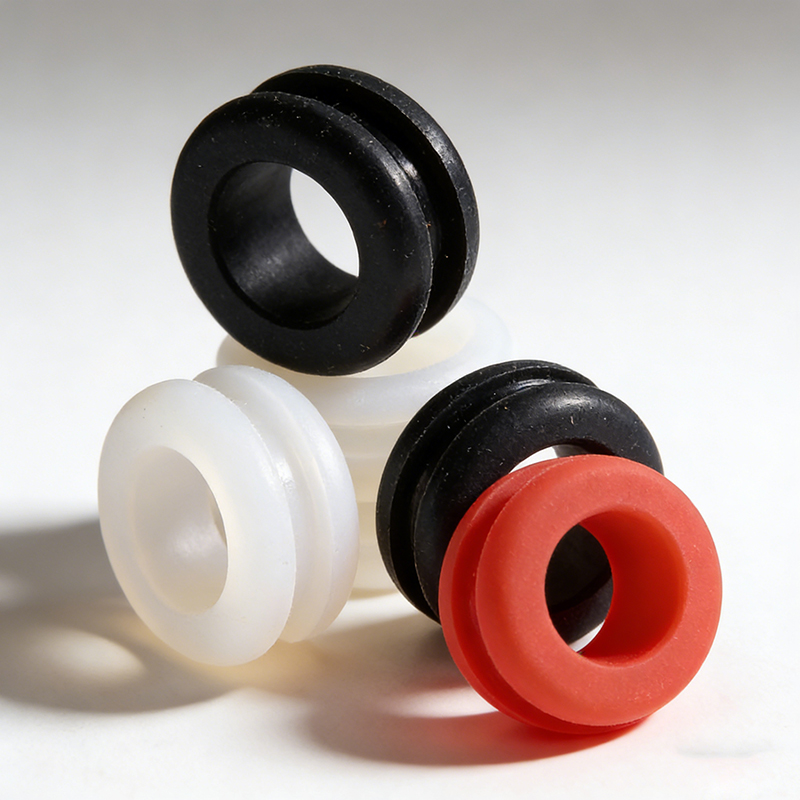
Material selection starts with understanding your operating environment. High-temperature applications need silicone compounds5 that maintain flexibility above 200°C. Low-temperature environments require materials that stay flexible below -40°C. Standard silicone works between these extremes, but specialized compounds perform better at the limits.
Chemical resistance becomes important in industrial settings. Oils, solvents, and cleaning chemicals can degrade basic silicone. We use specialized formulations that resist specific chemicals. Fluorosilicone works well with fuels and oils. Phenyl silicone handles aromatic solvents better than standard methyl silicone.
Durometer affects how the ring grips the cable and resists deformation. Soft compounds (30-50 Shore A) provide excellent sealing but wear quickly under mechanical stress9. Hard compounds (70-90 Shore A) resist abrasion but may not seal as well. We balance these properties based on your application needs.
Color stability matters for some applications. Standard silicone yellows under UV exposure or high temperatures. Platinum-cured systems maintain color better than peroxide-cured systems. We can add UV stabilizers or use specialty grades that resist discoloration.
Tear strength determines how well the ring resists damage during installation or operation. Higher tear strength10 prevents the ring from splitting when cables move or vibrate. We test tear strength10 using ASTM D624 standards to ensure adequate performance.
The curing system affects both processing and final properties. Peroxide cure systems cost less but have limitations on thick sections and may leave residual odors. Platinum cure systems cost more but provide better properties for demanding applications like medical devices or food contact.
What Design Factors Ensure Optimal Cable Protection?
Poor design causes more problems than wrong materials. Dimensions must match your specific installation requirements.
Proper ring design considers cable diameter6, wall thickness, installation method11, and operating stresses. These factors determine protection effectiveness and installation ease.


Ring design starts with accurate cable measurements. We need the exact outer diameter, not the nominal size marked on cables. Manufacturing tolerances can create significant variations. A cable marked as 10mm might actually measure 9.8mm or 10.3mm. Our rings account for these variations.
Wall thickness affects both protection and flexibility. Thin walls save material but may not provide adequate protection against sharp edges or mechanical damage. Thick walls provide better protection but increase stiffness and installation difficulty. We calculate optimal wall thickness based on your protection requirements and installation constraints.
Inner diameter tolerance becomes critical for proper fit. Too loose, and the ring slides along the cable or allows contaminants to enter. Too tight, and installation becomes difficult or impossible. We typically design rings with 0.1-0.2mm clearance for standard cables, adjusting for specific requirements.
Installation method influences ring design significantly. Rings installed during cable assembly can have smaller inner diameters since they slide over cable ends. Rings installed on existing cables need larger diameters or split designs. Split rings cost more but allow installation without disconnecting cables.
Surface texture affects grip and sealing performance. Smooth surfaces slide easily during installation but may not grip cables securely. Ribbed or textured inner surfaces improve grip but increase installation force. We balance these factors based on your installation requirements.
Edge design prevents damage during installation and operation. Sharp edges can cut cables or installers. Rounded edges reduce this risk but may not provide as tight a seal. Chamfered edges offer a good compromise between sealing and safety.
How Do Environmental Conditions Impact Ring Performance?
Environment kills cables faster than normal wear. Your protection must handle real operating conditions.
Temperature cycling, chemical exposure8, UV radiation12, and mechanical stress9 degrade protection rings over time. Understanding these factors helps select appropriate materials and design features.
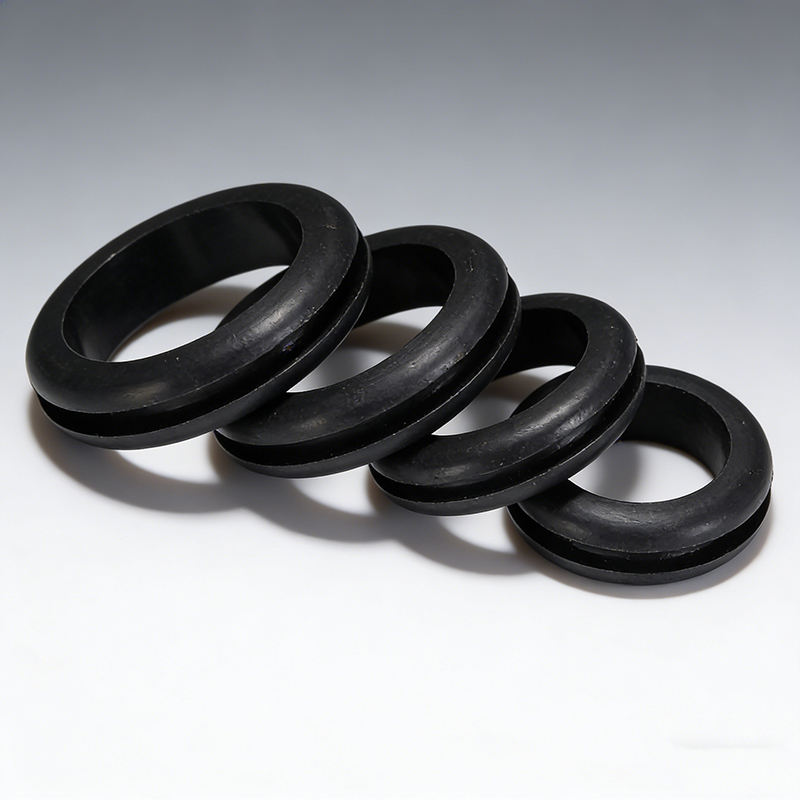
Temperature cycling creates the most stress on protection rings. Materials expand and contract with temperature changes. Different expansion rates between the ring and cable create stress concentrations. Over time, this leads to cracking or loss of seal integrity. We test our materials through multiple temperature cycles to ensure long-term performance.
Chemical exposure varies widely between applications. Industrial environments may expose rings to oils, solvents, acids, or bases. Each chemical affects silicone differently. Some cause swelling, others cause hardening or cracking. We maintain a database of chemical compatibility to help select appropriate materials for your environment.
UV radiation12 degrades most organic materials over time. Outdoor applications face constant UV exposure that breaks down polymer chains. Indoor applications near windows or UV lights also face this challenge. We can add UV stabilizers or recommend UV-resistant formulations for these applications.
Mechanical stress from vibration, flexing, or impact affects ring durability. Constant vibration creates fatigue that leads to cracking. Repeated flexing concentrates stress at bend points. Impact loading can cause immediate failure or create damage that propagates over time. Our design process considers these stress patterns.
Contamination affects both performance and appearance. Dust, dirt, and other particles can embed in soft silicone surfaces. This creates rough textures that may damage cables over time. Harder compounds resist contamination better but may not seal as effectively. We balance these properties based on your cleanliness requirements.
Humidity and moisture exposure can affect some silicone formulations. Standard addition-cure silicones may degrade in high-humidity environments. Condensation-cure systems perform better in these conditions. We recommend appropriate cure systems based on your moisture exposure levels.
Conclusion
Custom cable protection rings prevent costly failures through proper material selection13 and precise design matching your specific application requirements.
Explore how these rings provide tailored protection for cables, preventing wear and system failures. ↩
Learn about the factors leading to cable wear and effective prevention strategies. ↩
Understand the impact of environmental factors on cable longevity and performance. ↩
Discover the root causes of system failures and how to mitigate them. ↩
Find out how specialized silicone compounds enhance cable protection performance. ↩
Learn how precise measurements of cable diameter enhance protection effectiveness. ↩
Explore the drawbacks of standard rings and why custom options are superior. ↩
Discover how different chemicals can degrade cable protection materials. ↩
Learn about the effects of mechanical stress on the durability of cable protection. ↩
Understand the significance of tear strength in ensuring durable cable protection. ↩
Learn how different installation methods influence the design of cable protection. ↩
Learn about the effects of UV radiation on cable protection and how to mitigate them. ↩
Explore the critical factors in selecting materials for effective cable protection. ↩