

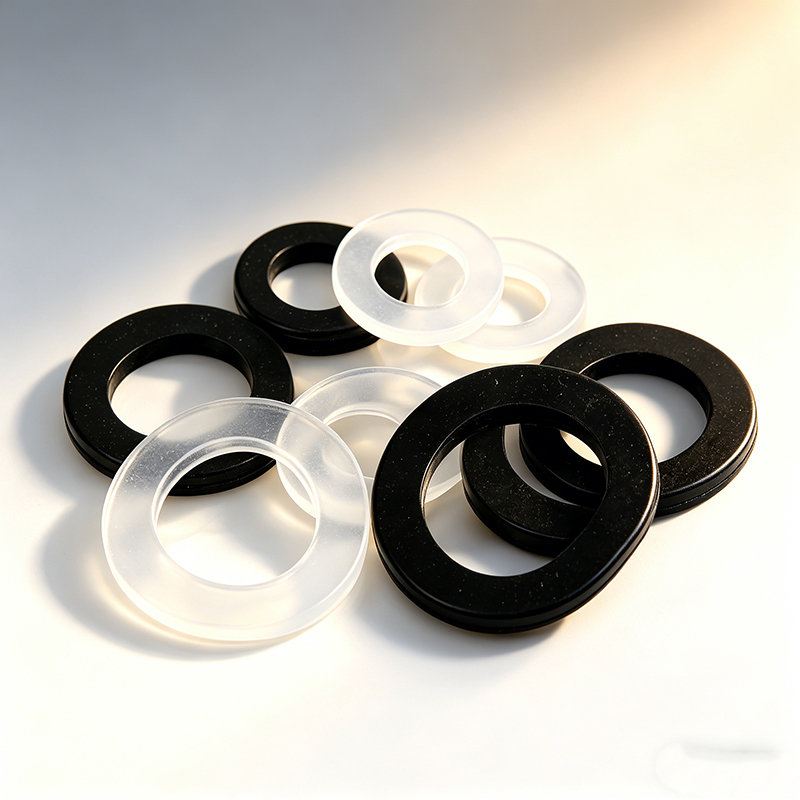
Finding the wrong rubber grommet supplier1 can cost you time, money, and equipment failures. Many buyers focus only on price while ignoring critical factors like dimensional accuracy2 and material quality3.
The top rubber grommet manufacturers combine precision engineering, quality materials, and proven manufacturing processes. They offer custom solutions4 with strict dimensional tolerances5, material certifications6, and comprehensive technical support7 to ensure your components perform reliably in demanding applications.
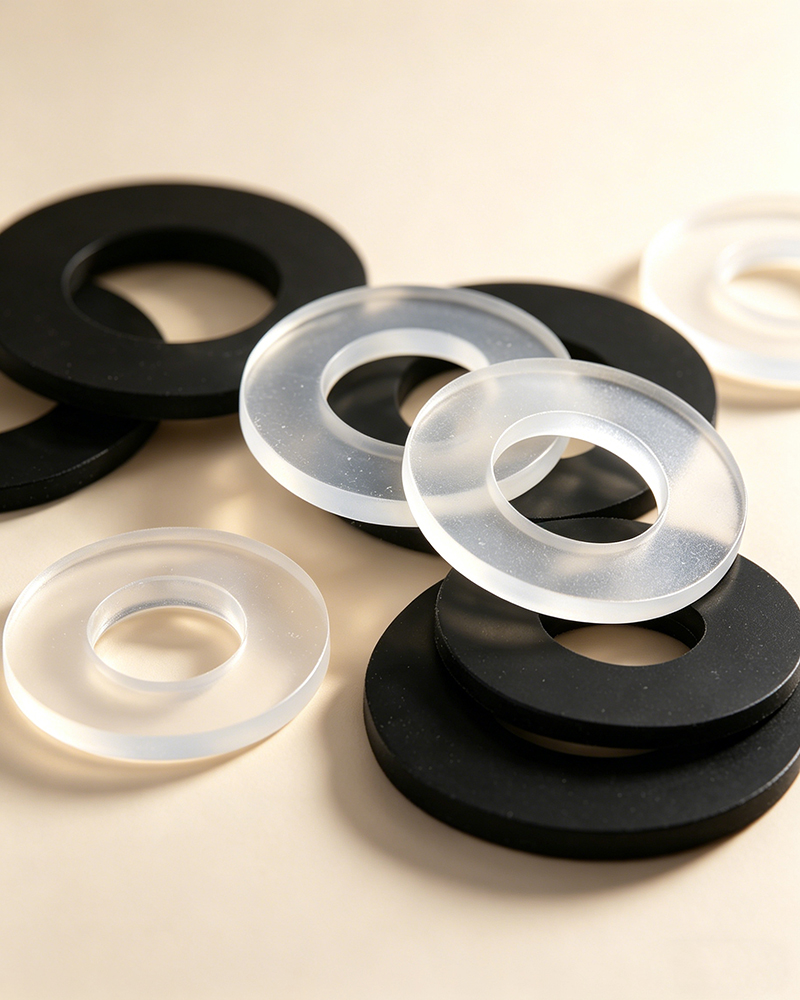
I have seen too many projects fail because someone chose the cheapest option without considering the real requirements. Let me share what separates the leading manufacturers from the rest.
What Makes a Rubber Grommet Manufacturer Stand Out?
Quality issues with rubber grommets can shut down entire production lines. Poor dimensional control leads to leaks, while wrong materials cause premature failure.
Leading manufacturers maintain dimensional accuracy2 within ±0.05mm tolerances and offer comprehensive material testing. They provide engineering support, custom tooling capabilities, and full documentation packages including CAD files, material certifications6, and test reports.


The best manufacturers do not just make parts. They solve problems. I remember working with a factory that had constant seal failures in their high-temperature applications. Their previous supplier had provided standard NBR grommets that could not handle the heat. We switched them to high-temperature silicone grommets with proper Shore hardness8 ratings. The failures stopped immediately.
Quality control systems separate good manufacturers from great ones. Leading companies implement ISO 90019 quality management with batch traceability and incoming material inspection. They test every batch for hardness, tensile strength, and dimensional accuracy2. Many also offer material certifications6 for RoHS, REACH, FDA, and medical-grade requirements.
Manufacturing capabilities matter just as much as quality systems. Top manufacturers operate multiple production methods including compression molding10, injection molding11, and extrusion12. They maintain in-house tooling departments for custom mold design and rapid prototyping. This allows them to handle everything from small prototype quantities to high-volume production runs.
| Key Capability | Leading Manufacturers | Average Suppliers |
|---|---|---|
| Dimensional Tolerance | ±0.05mm | ±0.2mm |
| Material Options | 15+ compounds | 3-5 compounds |
| Custom Tooling | In-house design | Outsourced |
| Prototype Lead Time | 3-5 days | 2-3 weeks |
| Quality Certifications | ISO 90019, material certs | Basic quality control |
How Do You Evaluate Rubber Grommet Manufacturers?
Many buyers make decisions based on price alone. This approach often leads to costly failures and production delays down the line.
Evaluate manufacturers based on their engineering capabilities13, quality systems, material expertise, and track record with similar applications. Request samples, review their quality documentation14, and assess their technical support7 capabilities before making any commitments.
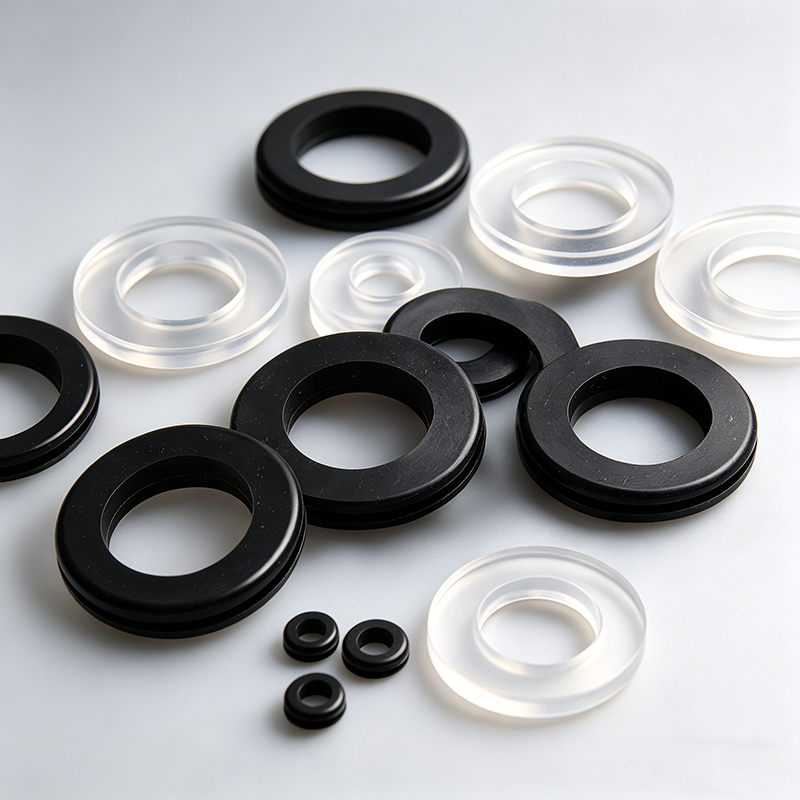
Start with their technical capabilities. Can they provide CAD support and design reviews? Do they offer material selection guidance15 based on your specific application requirements? Leading manufacturers employ engineers who understand how different rubber compounds perform under various temperature, chemical, and mechanical stress conditions.
Material expertise separates professionals from part suppliers. The best manufacturers stock multiple rubber compounds including silicone, EPDM, NBR, natural rubber, and specialty blends. They understand which materials work best for different applications. For example, silicone excels in high-temperature applications but may not provide the best chemical resistance. EPDM offers excellent weather resistance but has limited oil resistance.
Quality documentation tells you everything about a manufacturer's standards. Request sample parts with full documentation including dimensional reports, material certifications6, and test data. Leading manufacturers provide comprehensive data packages that support your quality requirements and regulatory compliance needs.
Production flexibility matters for both prototypes and production volumes. Can they handle your minimum order quantities? Do they offer multiple production methods? The best manufacturers work with you whether you need 100 prototypes or 100,000 production parts.
Customer references provide real-world validation. Ask for examples of similar applications and contact information for current customers. Leading manufacturers proudly share success stories and customer testimonials because their track record speaks for itself.
What Should You Look for in Material Selection?
Wrong material choices cause the majority of rubber grommet failures. Temperature extremes, chemical exposure, and mechanical stress all affect material performance.
Choose materials based on your specific application requirements including temperature range, chemical compatibility16, Shore hardness8, and regulatory compliance needs. Leading manufacturers provide material selection guidance15 and can recommend the optimal compound for your application.
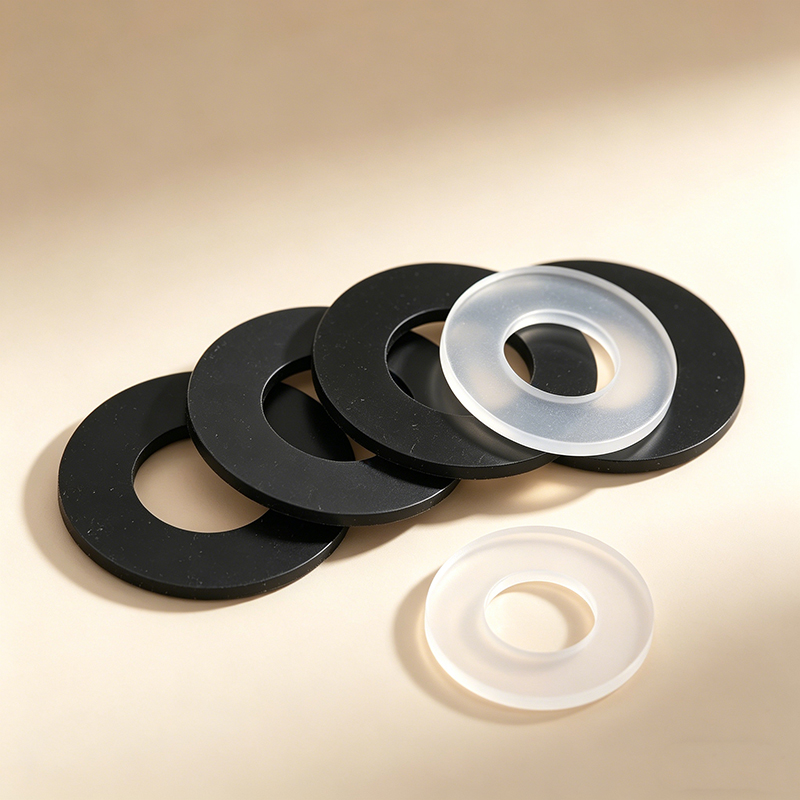
Temperature requirements drive many material decisions. Standard NBR works well from -40°C to +100°C, but high-temperature applications need silicone or specialty compounds. I worked with an automotive client whose engine bay grommets failed repeatedly until we switched from NBR to high-temperature silicone rated for +200°C continuous operation.
Chemical compatibility cannot be overlooked. Different rubber compounds resist different chemicals. Silicone resists most chemicals but swells in hydrocarbon oils. NBR handles oils well but degrades in ozone exposure. EPDM offers excellent weather resistance but poor oil resistance. Leading manufacturers maintain chemical compatibility16 charts and can guide your selection.
Shore hardness8 affects both sealing performance and installation requirements. Softer compounds (Shore A 30-50) provide better sealing but may be harder to install. Harder compounds (Shore A 70-90) install easily but may not conform well to irregular surfaces. The optimal hardness depends on your specific sealing requirements and installation constraints.
Regulatory compliance adds another layer of complexity. Food-grade applications require FDA-approved compounds. Medical devices may need USP Class VI certification. Automotive applications often require specific OEM approvals. Leading manufacturers stock certified materials and provide the documentation you need for compliance.
Color matching and custom compounds separate leading manufacturers from basic suppliers. They can match specific colors for aesthetic requirements or create custom compounds for unique applications. This capability proves especially valuable for consumer products where appearance matters or industrial applications with extreme requirements.
How Important Are Manufacturing Capabilities?
Production methods directly affect part quality, lead times, and cost. Different applications require different manufacturing approaches for optimal results.
Leading manufacturers offer multiple production methods including compression molding10, injection molding11, and extrusion12. They maintain in-house tooling capabilities for custom applications and can scale from prototype quantities to high-volume production while maintaining consistent quality.
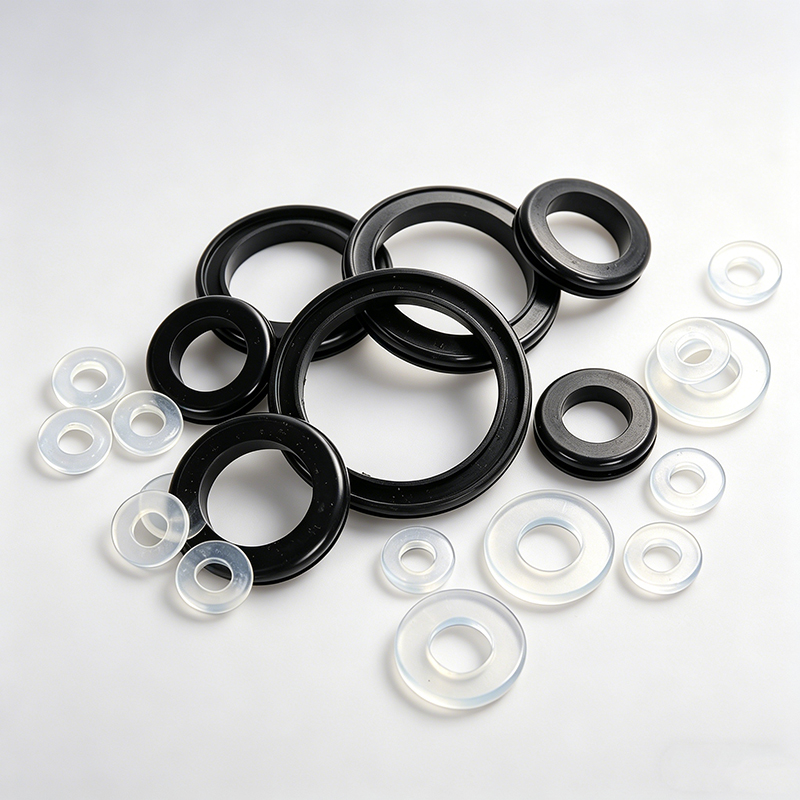
Compression molding works best for simple shapes and small to medium volumes. This process offers excellent dimensional control and material properties but requires longer cycle times. Leading manufacturers use precision molds and controlled curing cycles to ensure consistent results across production batches.
Injection molding enables complex geometries and high-volume production. This process requires higher tooling investment but delivers faster cycle times and excellent repeatability. The best manufacturers maintain modern injection molding11 equipment with automated material handling and quality monitoring systems.
Extrusion produces continuous profiles that can be cut to length. This method works well for simple cross-sections in high volumes. Leading manufacturers offer custom extrusion12 dies and can produce complex profiles with tight dimensional tolerances5.
In-house tooling capabilities provide significant advantages for custom applications. Manufacturers with their own mold shops can modify designs quickly, repair tooling when needed, and maintain better lead time control. They also understand the relationship between part design and manufacturing requirements.
Quality control integration throughout the manufacturing process ensures consistent results. Leading manufacturers implement in-process monitoring, automated inspection systems, and statistical process control. They track key parameters like cure time, temperature, and pressure to maintain repeatable quality.
Secondary operations like trimming, assembly, and packaging add value for many applications. The best manufacturers offer complete finishing services so you receive ready-to-use parts. This approach reduces your handling costs and quality risks.
What Role Does Customer Support Play?
Technical support makes the difference between successful projects and costly failures. Complex applications require ongoing engineering collaboration throughout the development process.
Leading manufacturers provide comprehensive technical support7 including design reviews, material recommendations, prototype development17, and production troubleshooting. They assign dedicated account managers and maintain engineering teams that understand your industry requirements.
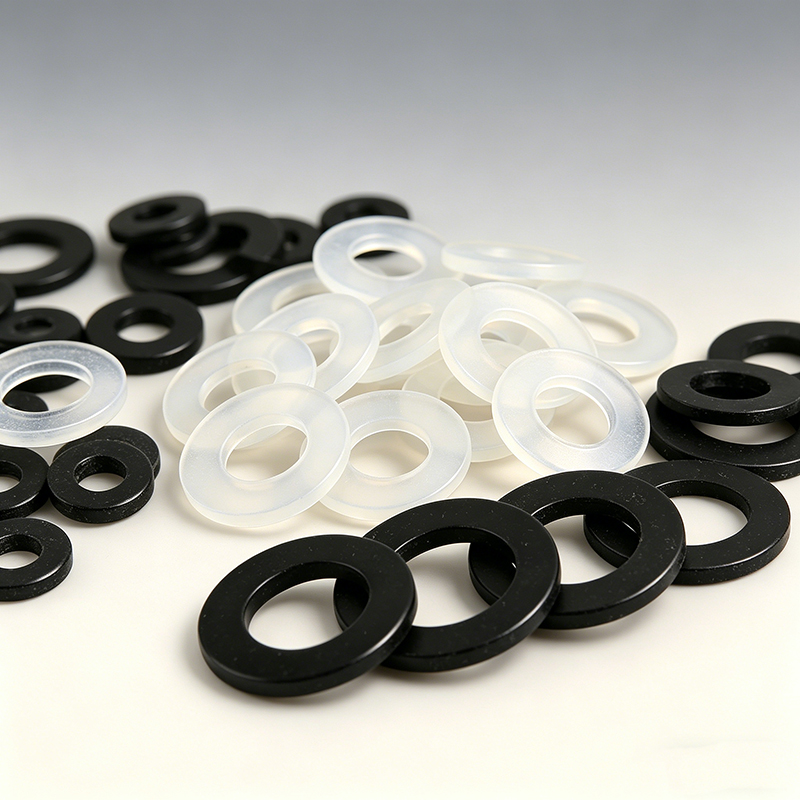
Design review services help optimize your parts before production begins. Experienced engineers can identify potential manufacturing issues, suggest design improvements, and recommend cost-saving modifications. This collaborative approach prevents problems and reduces development time.
I remember a medical device project where the customer needed grommets for a new product launch. Their initial design had undercuts that would require expensive multi-piece tooling. Our engineering team suggested a simple design modification that eliminated the undercuts while maintaining all functional requirements. This change saved them $15,000 in tooling costs and reduced lead time by three weeks.
Material selection guidance prevents costly mistakes. Different applications have unique requirements that may not be obvious. Leading manufacturers maintain application databases and can recommend materials based on similar successful projects. They also provide material testing services to validate performance before full production.
Prototype development capabilities accelerate your product development cycle. The best manufacturers can produce prototype quantities quickly using production methods and materials. This approach provides realistic performance data and identifies any manufacturing issues before tooling investment.
Production support continues throughout the product lifecycle. Leading manufacturers maintain production records, provide batch traceability, and offer technical assistance when issues arise. They also support design changes and can scale production volumes as your business grows.
Global logistics support becomes critical for international projects. The best manufacturers coordinate shipping, handle export documentation, and maintain inventory programs to support your supply chain requirements. They understand international regulations and can provide the certifications needed for global distribution.
Conclusion
Leading rubber grommet manufacturers combine precision engineering, quality materials, and comprehensive support to ensure your success. Choose partners who understand your requirements and invest in long-term relationships.
Explore this link to find reliable suppliers that prioritize quality and performance over just price. ↩
Understanding the significance of dimensional accuracy can help you avoid costly production failures. ↩
Learn how material quality impacts performance and longevity, ensuring you make informed choices. ↩
Discover how tailored solutions can meet your specific application needs effectively. ↩
Find out the industry standards for tolerances to ensure your components fit perfectly. ↩
Explore the importance of certifications like RoHS and FDA for compliance and safety. ↩
Learn about the essential support services that can enhance your project success. ↩
Learn how Shore hardness affects sealing performance and installation requirements. ↩
Understanding ISO 9001 can help you choose manufacturers with robust quality management systems. ↩
Explore the benefits of compression molding for producing high-quality rubber parts. ↩
Learn about injection molding's advantages for complex designs and high-volume production. ↩
Discover how extrusion can produce continuous profiles for various rubber applications. ↩
Understanding engineering capabilities can help you select a manufacturer that meets your needs. ↩
Explore the essential documentation that supports compliance and quality assurance. ↩
Learn how expert guidance can prevent costly mistakes in material choices. ↩
Understanding chemical compatibility can help you select the right materials for your application. ↩
Explore how prototypes can validate designs and streamline production processes. ↩