

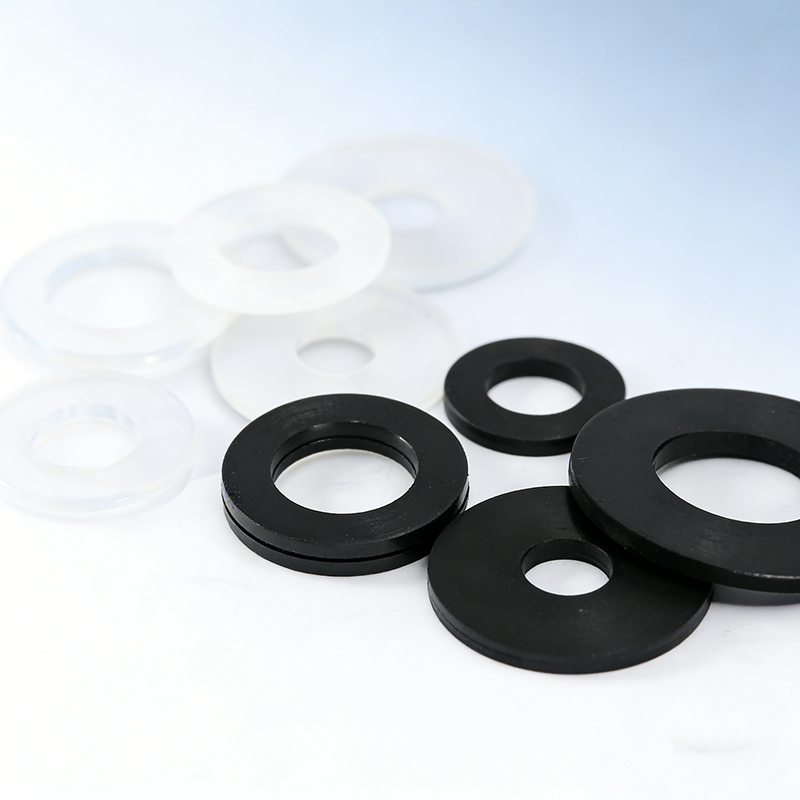
Are you wondering which material to choose for your O-ring gaskets? The wrong material selection could cost you thousands in equipment failures and recalls.
O-rings are typically made from rubber compounds like NBR (nitrile)1, EPDM2, silicone3, or FKM (Viton)4. The best material depends on your specific application requirements including temperature, pressure, chemical compatibility5, and environmental conditions.


As someone who works with rubber formulations every day, I see the same costly mistake repeatedly. Companies focus only on the lowest price without understanding material quality differences. This approach leads to premature failures and expensive downtime.
What are the main materials used for O-ring manufacturing?
You might think all black rubber O-rings are the same. This assumption could destroy your equipment and reputation in the market.
The most common O-ring materials include NBR (nitrile rubber), EPDM2, silicone3 rubber, FKM (Viton)4, and natural rubber. Each material offers different chemical resistance, temperature ranges, and mechanical properties for specific applications.
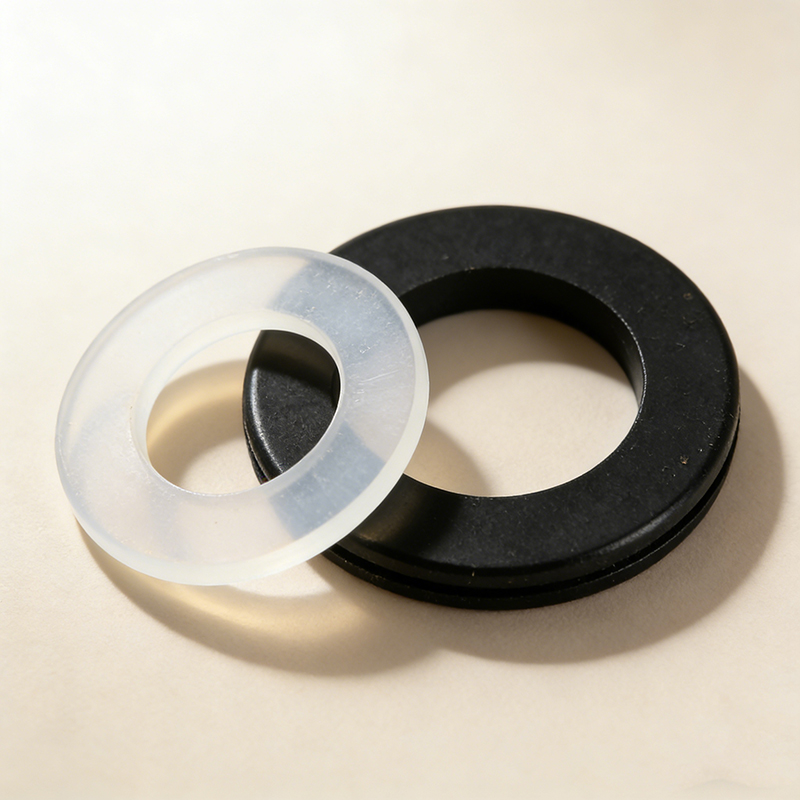
Let me break down the main material categories for you. Each material family serves different purposes and environments.
NBR (Nitrile Rubber) dominates oil and fuel applications. This material resists petroleum products excellently. We use NBR for automotive seals, hydraulic systems, and fuel handling equipment. The material works in temperatures from -40°C to +120°C. However, NBR struggles with ozone exposure and weather resistance.
EPDM2 excels in weather and ozone resistance. This material handles water, steam, and many chemicals well. We recommend EPDM2 for outdoor applications, HVAC systems, and food processing equipment. The temperature range spans -50°C to +150°C. EPDM2 fails quickly when exposed to oils or petroleum products.
Silicone rubber offers the widest temperature range from -60°C to +200°C. This material maintains flexibility in extreme cold and resists high temperatures. We use silicone3 for medical devices, food contact applications, and extreme temperature environments. Silicone provides poor resistance to oils and solvents.
FKM (Viton)4 delivers superior chemical resistance and high temperature performance. This premium material handles aggressive chemicals, acids, and high temperatures up to +200°C. We specify FKM for chemical processing, aerospace, and demanding industrial applications. The higher cost limits FKM to critical applications.
| Material | Temperature Range | Best Applications | Avoid With |
|---|---|---|---|
| NBR | -40°C to +120°C | Oil, fuel, hydraulics | Ozone, weather |
| EPDM2 | -50°C to +150°C | Weather, water, steam | Oils, petroleum |
| Silicone | -60°C to +200°C | Medical, food, extreme temps | Oils, solvents |
| FKM | -20°C to +200°C | Chemicals, aerospace | Cost-sensitive apps |
How do you choose the right material for your specific application?
Many engineers make material selections based on incomplete information. This leads to failures that could have been prevented with proper analysis.
Choose O-ring materials based on operating temperature, chemical compatibility5, pressure requirements6, and environmental conditions. Always verify material properties match your specific application demands before finalizing specifications.
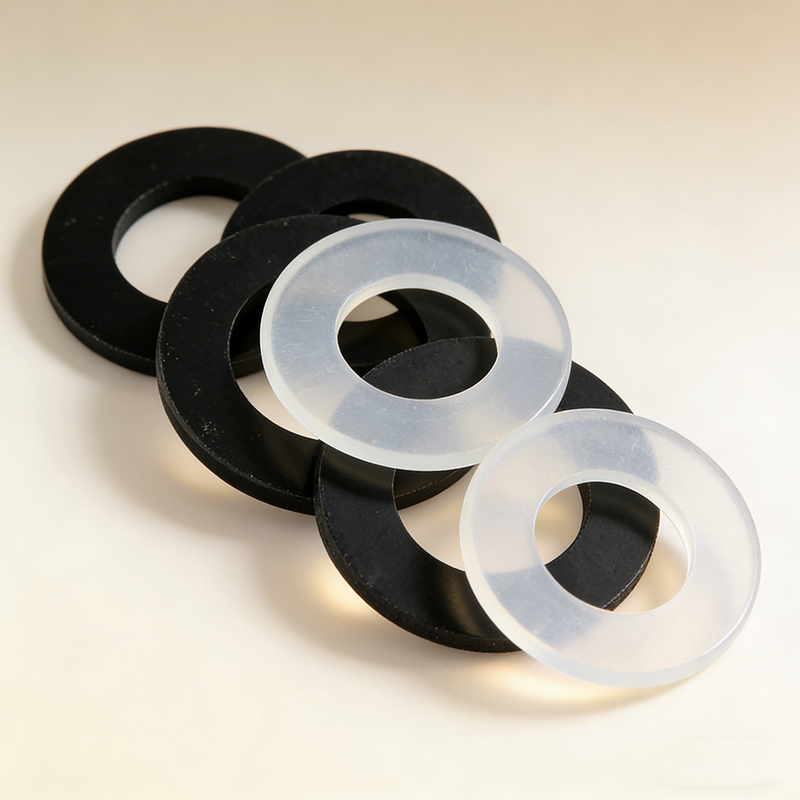
The selection process requires systematic evaluation of your operating conditions. I always start with three critical factors that determine success or failure.
Temperature analysis comes first in material selection. Each material has specific temperature limits that cannot be exceeded. NBR works well in moderate temperatures but fails above 120°C. EPDM2 handles higher temperatures but becomes brittle below -50°C. Silicone maintains flexibility across the widest temperature range. FKM offers the best high-temperature performance for demanding applications.
Chemical compatibility determines long-term seal performance. NBR resists oils and fuels but swells in polar solvents. EPDM2 handles water and steam excellently but dissolves in petroleum products. Silicone resists many chemicals but fails with oils and strong solvents. FKM provides broad chemical resistance including acids and aggressive solvents.
Pressure and mechanical requirements affect material durability. Higher pressures require materials with better compression set resistance. Dynamic applications need materials with low friction and good wear resistance. Static seals can use softer materials that conform better to surface irregularities.
I recommend creating a specification matrix7 that includes all operating parameters. List minimum and maximum temperatures, all chemicals the seal contacts, pressure ranges, and dynamic requirements. This systematic approach prevents costly mistakes and ensures reliable performance.
What quality factors8 should you consider when sourcing O-ring materials?
Price alone does not determine value in O-ring procurement. Low-quality materials create expensive problems that far exceed initial savings.
Quality O-ring materials require virgin rubber compounds9, proper cure systems, and certified performance data. Avoid suppliers using recycled rubber, excessive fillers, or non-standard formulations that compromise performance.
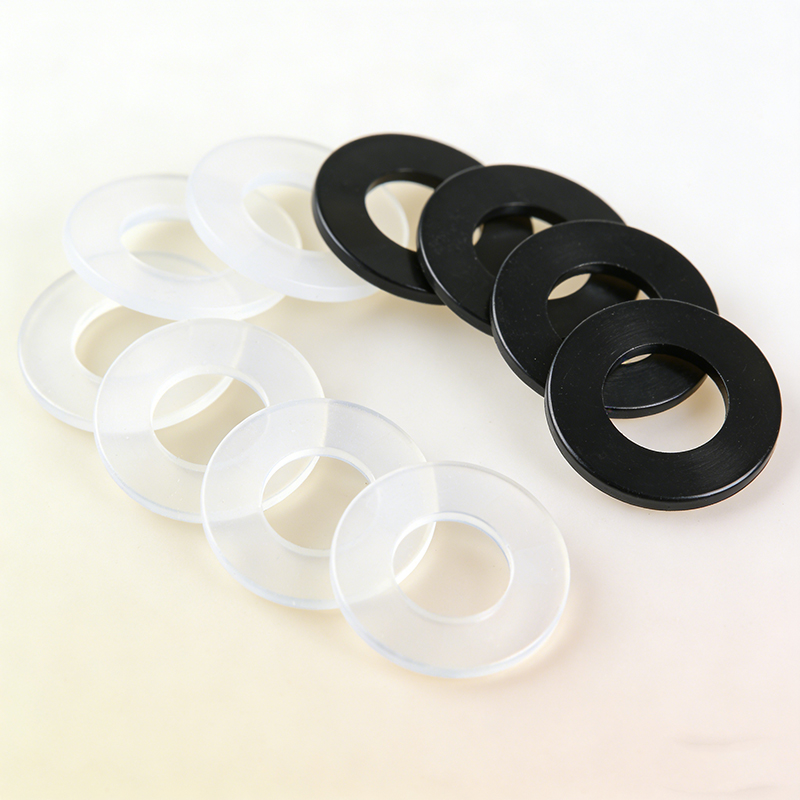
Material quality varies dramatically between suppliers, even for the same material designation. I have seen NBR O-rings with identical specifications perform completely differently due to formulation differences.
Virgin rubber content determines fundamental material properties. Quality suppliers use fresh rubber compounds without recycled content. Recycled rubber reduces tensile strength, elongation, and compression set resistance. Some suppliers add excessive fillers like talc or clay to reduce costs. These fillers weaken the rubber matrix and create weak points that lead to premature failure.
Cure system optimization affects long-term performance characteristics. Proper curing develops full crosslink density for maximum strength and chemical resistance. Under-cured rubber exhibits poor compression set resistance and chemical stability. Over-cured rubber becomes brittle and prone to cracking under stress.
Performance certification validates material capabilities through standardized testing. Compression set testing measures long-term sealing ability under constant deflection. Tensile and elongation tests verify mechanical strength. Chemical immersion tests confirm compatibility with specific fluids.
I always require suppliers to provide complete material data sheets including tensile strength, elongation, hardness, compression set, and chemical resistance data. This documentation ensures the material meets your application requirements and provides traceability for quality control.
Regulatory compliance becomes critical for certain applications. Food-grade applications require FDA-approved materials. Medical devices need USP Class VI certification. Automotive applications may require specific OEM approvals. European markets often require RoHS compliance for electronic applications.
Conclusion
Selecting the right O-ring material requires careful analysis of operating conditions, quality requirements, and performance specifications rather than focusing solely on initial cost.
Explore this link to understand how NBR O-rings can enhance your equipment's performance and reliability. ↩
Learn about EPDM's unique properties and why it's ideal for outdoor and HVAC applications. ↩
Discover how silicone O-rings can maintain flexibility and performance in harsh conditions. ↩
Find out why FKM is the go-to choice for demanding industrial applications. ↩
This resource will guide you in selecting the right O-ring material based on chemical exposure. ↩
Explore how pressure impacts the durability and effectiveness of O-ring seals. ↩
Learn how to systematically evaluate O-ring materials to prevent costly mistakes. ↩
Learn about the key quality indicators that ensure reliable O-ring performance. ↩
Discover why virgin rubber is essential for high-quality O-ring performance. ↩