

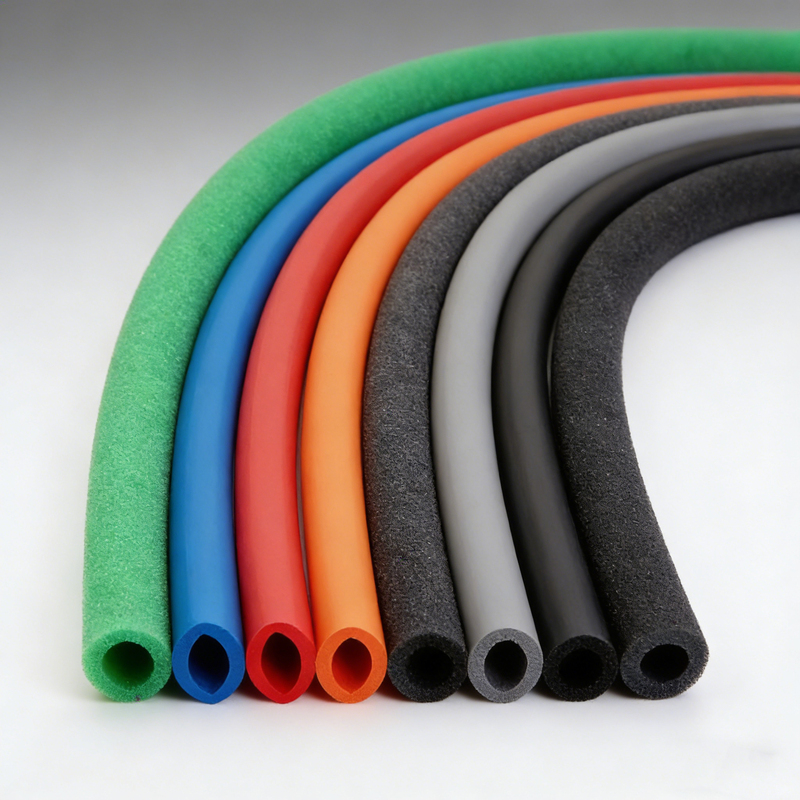
The first paragraph grabs attention: Many people overlook a crucial aspect when choosing extruded rubber seal strips. This oversight can lead to severe issues in sealing performance.
When selecting extruded rubber seal strips, it's essential to pay attention to material elasticity1, dimensional tolerances2, and sample testing3. Ignoring these factors can result in leaks and increased costs.
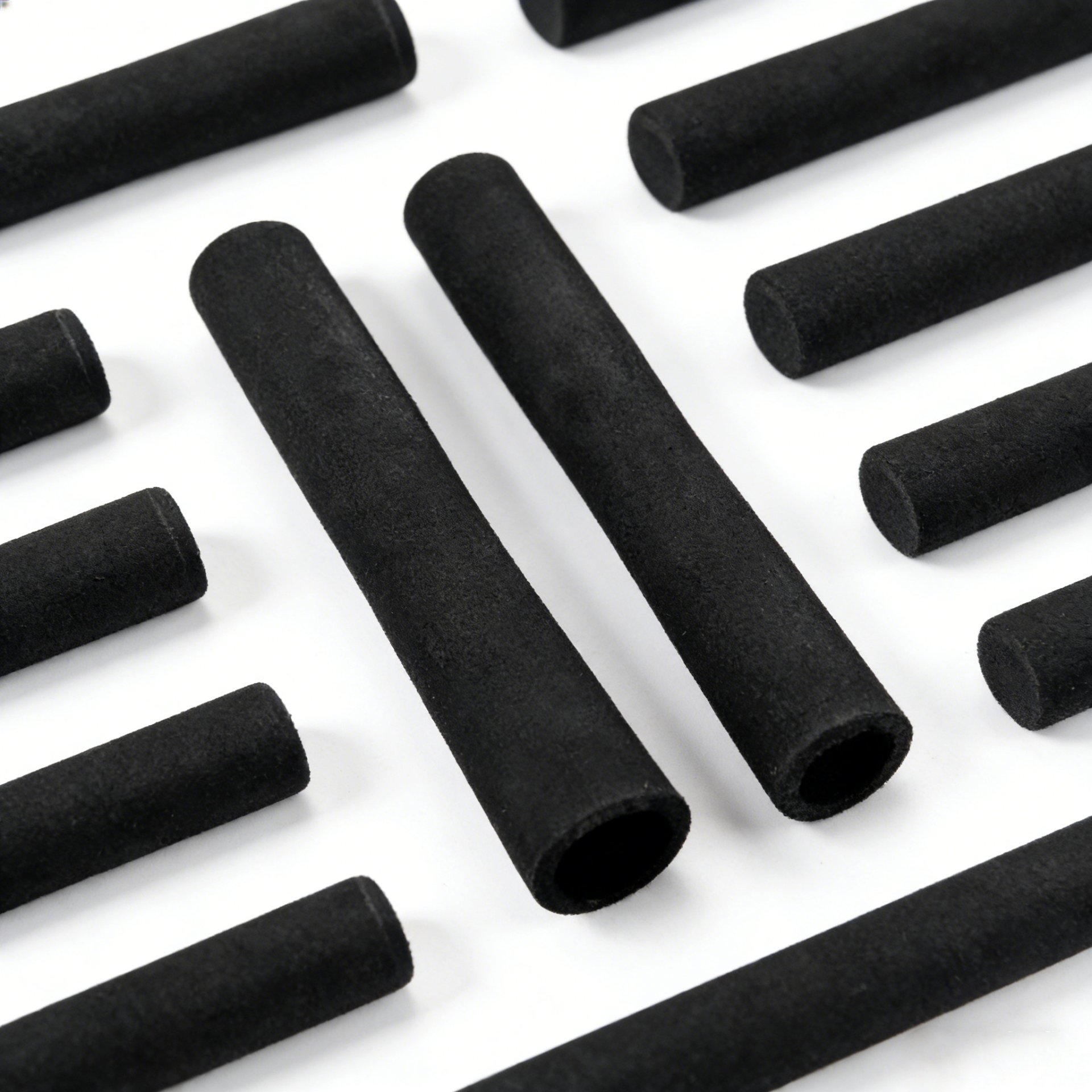
The paragraph that engages the reader: With the right information, you can avoid common pitfalls in selecting rubber seal strips. Knowing what to look for can save you time and money in the long run.
Are All Extruded Rubber Seal Strips Created Equal?
The first paragraph captures attention: Not all extruded rubber seal strips perform the same way. Understanding the differences can make a significant impact on your projects and applications.
Different properties, such as material type and production methods4, can lead to varying seal performance levels. Choosing the right one involves deeper analysis of specifications and testing.


Dive deeper paragraph: When choosing rubber seal strips, there are fundamental factors to consider. The first is material elasticity1. This property ensures that the rubber can compress and then return to its original shape, effectively filling gaps. It is essential to select materials that maintain their properties under varying conditions.
Next, consider dimensional tolerances2. An ideal production tolerance is ±0.05 mm. This level of precision is crucial for ensuring a snug fit. Any deviation can lead to gaps and sealing failures. Lastly, sample testing3 is vital. Before ordering in bulk, conduct real-world tests with the material. Simulating conditions like pressure and temperature can dramatically influence performance.
I once worked with a manufacturing company that faced recurring leaks during assembly. By optimizing material composition and controlling extrusion tolerances, we resolved their issues and improved efficiency. This experience highlighted the importance of understanding dimensions and material compatibility to prevent costly rework.
Conclusion
By focusing on material properties, dimensional control, and thorough testing, you can ensure the effectiveness of extruded rubber seal strips and prevent costly mistakes.
Understanding material elasticity is key to ensuring effective sealing and preventing leaks. ↩
Dimensional tolerances directly affect the fit and performance of seal strips, making this knowledge essential. ↩
Sample testing helps identify potential issues before bulk orders, saving time and costs. ↩
Exploring production methods can reveal how they impact performance and durability of seal strips. ↩