

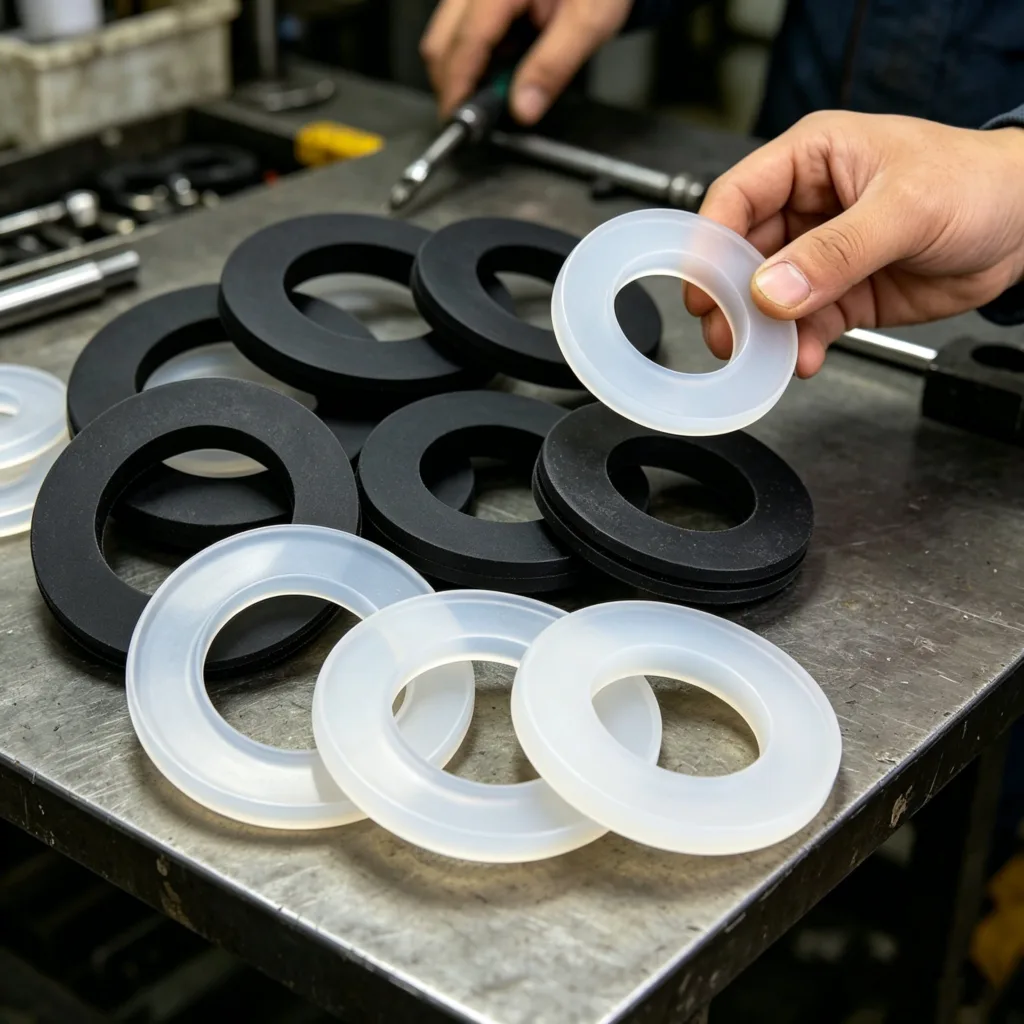
Rubber products surround us daily, but most people wonder about their actual composition. Understanding rubber materials helps you make better purchasing decisions and ensures optimal performance for your specific applications.
Rubber is made from natural latex, synthetic polymers like silicone and EPDM, or specialized compounds designed for specific properties. The choice depends on your application's temperature, chemical resistance, and durability requirements.
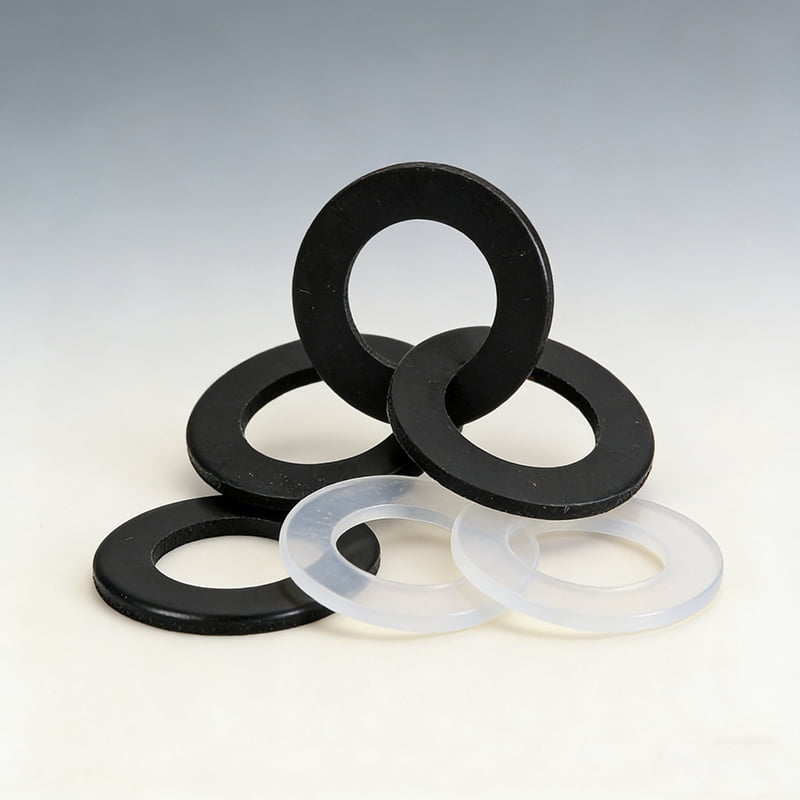
After 27 years in rubber manufacturing, I've seen how material selection can make or break a project. Let me share what I've learned about rubber materials and how they impact your products.
What is natural rubber and how is it processed?
Natural rubber comes from tree sap, but processing transforms it into usable products. Many clients ask me about natural rubber's properties because they want eco-friendly options for their applications.
Natural rubber derives from latex harvested from rubber trees (Hevea brasiliensis). Processing involves coagulation, washing, drying, and vulcanization to create durable, elastic products with excellent tensile strength.
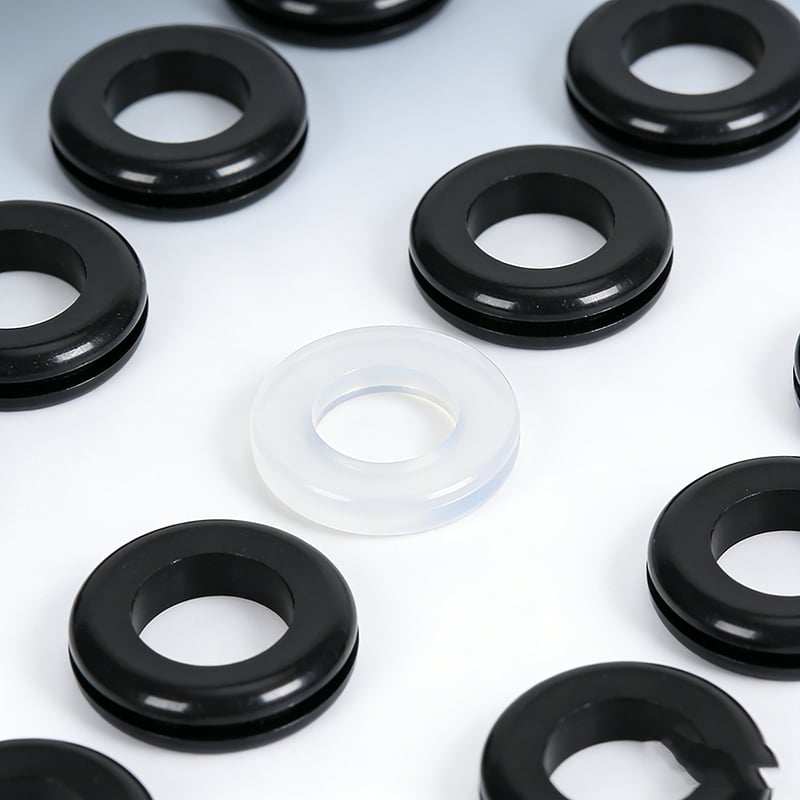
Natural rubber starts as a milky white liquid called latex. We collect this from rubber trees through careful tapping methods. The latex contains about 30-35% rubber particles suspended in water.
Processing begins with coagulation. We add acids like formic acid or acetic acid to separate rubber particles from the liquid. This creates rubber coagulum, which looks like soft cheese curds. We then wash this coagulum multiple times to remove impurities and proteins.
Drying comes next. We press the washed rubber into sheets and dry them in smoke houses or hot air chambers. This reduces moisture content to about 1%. The dried sheets become amber-colored and ready for further processing.
Vulcanization represents the most critical step. We heat the rubber with sulfur and other chemicals. This creates cross-links between polymer chains, giving rubber its elastic properties. Without vulcanization, rubber would be sticky and weak.
| Processing Stage | Purpose | Result |
|---|---|---|
| Coagulation | Separate rubber from latex | Rubber coagulum |
| Washing | Remove impurities | Clean rubber mass |
| Drying | Reduce moisture | Stable rubber sheets |
| Vulcanization | Create cross-links | Elastic, durable rubber |
Natural rubber offers excellent elasticity and tear resistance. It works well for applications requiring high flexibility and good abrasion resistance. However, it degrades under UV light and doesn't handle oils or high temperatures well.
Which synthetic rubbers offer the best performance?
Synthetic rubbers solve natural rubber's limitations through engineered polymer structures. I often recommend synthetic options when clients need specific chemical resistance or temperature performance that natural rubber cannot provide.
Synthetic rubbers like EPDM, NBR, and silicone offer superior chemical resistance, temperature stability, and weathering properties. Each type targets specific applications based on engineered molecular structures.
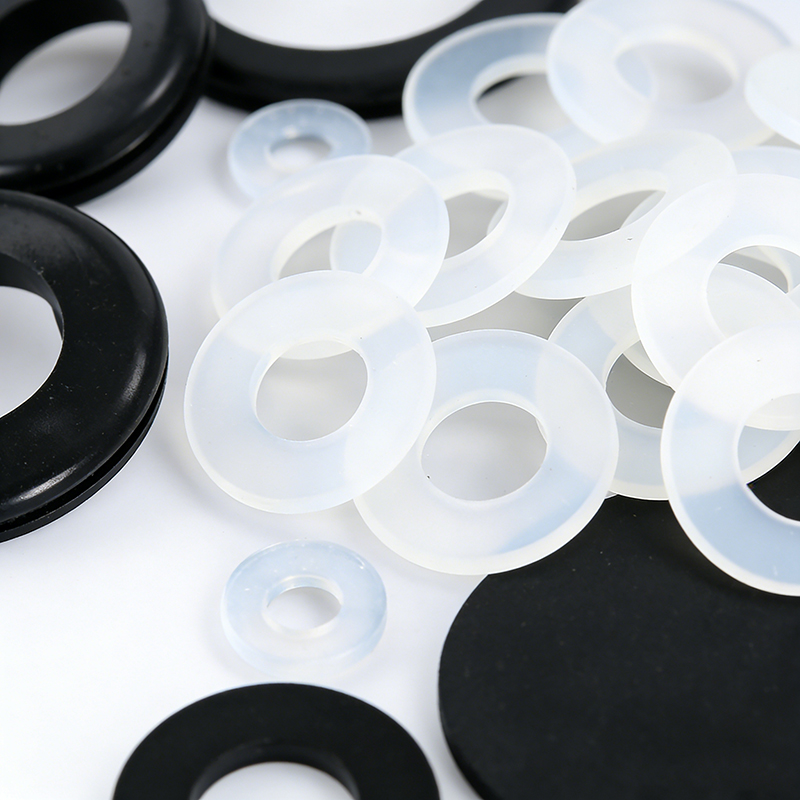
EPDM (Ethylene Propylene Diene Monomer) stands out for outdoor applications. This synthetic rubber resists UV radiation, ozone, and extreme temperatures. We use EPDM for automotive seals, roofing membranes, and electrical insulation. It maintains flexibility from -40°C to +150°C.
NBR (Nitrile Butadiene Rubber) excels in oil resistance. The nitrile content determines oil resistance levels. Higher nitrile content means better oil resistance but reduced flexibility. We recommend NBR for fuel system components, hydraulic seals, and industrial gaskets.
Neoprene (Chloroprene) provides balanced properties. It offers good chemical resistance, flame retardancy, and weather resistance. We use neoprene for wetsuits, gaskets, and vibration mounts. It performs well in moderate temperature ranges.
Fluorocarbon rubbers (FKM/Viton) handle extreme conditions. They resist almost all chemicals and maintain properties at temperatures up to 200°C. These materials cost more but provide unmatched performance for aerospace, chemical processing, and high-temperature applications.
SBR (Styrene Butadiene Rubber) offers cost-effective performance. It provides good abrasion resistance and aging properties. We use SBR for tire treads, conveyor belts, and general-purpose applications where natural rubber isn't suitable.
| Synthetic Type | Key Strength | Temperature Range | Common Uses |
|---|---|---|---|
| EPDM | Weather resistance | -40°C to +150°C | Automotive seals |
| NBR | Oil resistance | -30°C to +120°C | Fuel systems |
| Neoprene | Balanced properties | -40°C to +100°C | General purpose |
| FKM | Chemical resistance | -20°C to +200°C | Aerospace |
How does silicone rubber compare to traditional materials?
Silicone rubber represents advanced polymer technology with unique properties. Many clients choose silicone when they need extreme temperature performance or biocompatibility for medical applications.
Silicone rubber offers exceptional temperature stability (-60°C to +200°C), biocompatibility, and chemical inertness. Its silicon-oxygen backbone provides superior aging resistance compared to carbon-based rubbers.
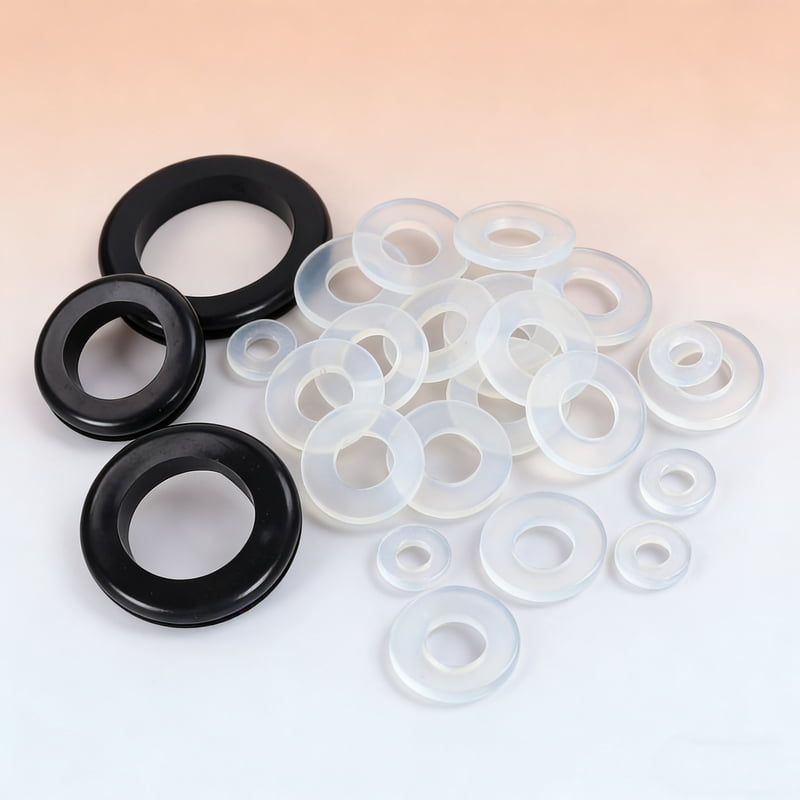
Silicone's molecular structure sets it apart. Instead of carbon-carbon bonds like other rubbers, silicone uses silicon-oxygen bonds. This creates remarkable temperature stability and chemical resistance. The material maintains flexibility at extremely low temperatures while resisting degradation at high temperatures.
Food-grade silicone meets FDA requirements for food contact. We produce silicone gaskets, seals, and keypads for food processing equipment. The material doesn't absorb flavors or odors, making it ideal for repeated food contact applications.
Medical-grade silicone undergoes additional purification and testing. It demonstrates biocompatibility through USP Class VI certification. We manufacture medical device components, pharmaceutical equipment seals, and healthcare products using medical-grade silicone.
Electrical properties make silicone valuable for electronic applications. It provides excellent dielectric strength and maintains insulation properties across wide temperature ranges. We produce silicone keypads, cable boots, and electronic component gaskets.
Color stability represents another advantage. Unlike many rubbers that yellow or fade, silicone maintains its appearance over time. We can color-match silicone to exact specifications and expect consistent appearance throughout the product's life.
| Property | Silicone | Natural Rubber | Synthetic Rubber |
|---|---|---|---|
| Temperature range | -60°C to +200°C | -50°C to +80°C | Varies by type |
| UV resistance | Excellent | Poor | Variable |
| Chemical resistance | Good | Limited | Variable |
| Biocompatibility | Available | Limited | Limited |
Processing silicone requires different techniques than traditional rubbers. We use platinum-catalyzed curing systems for medical and food-grade applications. This eliminates potentially harmful byproducts and ensures clean, safe products.
What additives and fillers enhance rubber performance?
Rubber compounds include various additives that modify properties for specific applications. Understanding these additives helps explain why different rubber products perform differently in similar conditions.
Rubber compounds contain fillers like carbon black or silica for reinforcement, plasticizers for flexibility, antioxidants for aging resistance, and colorants for appearance. Each additive serves specific performance requirements.
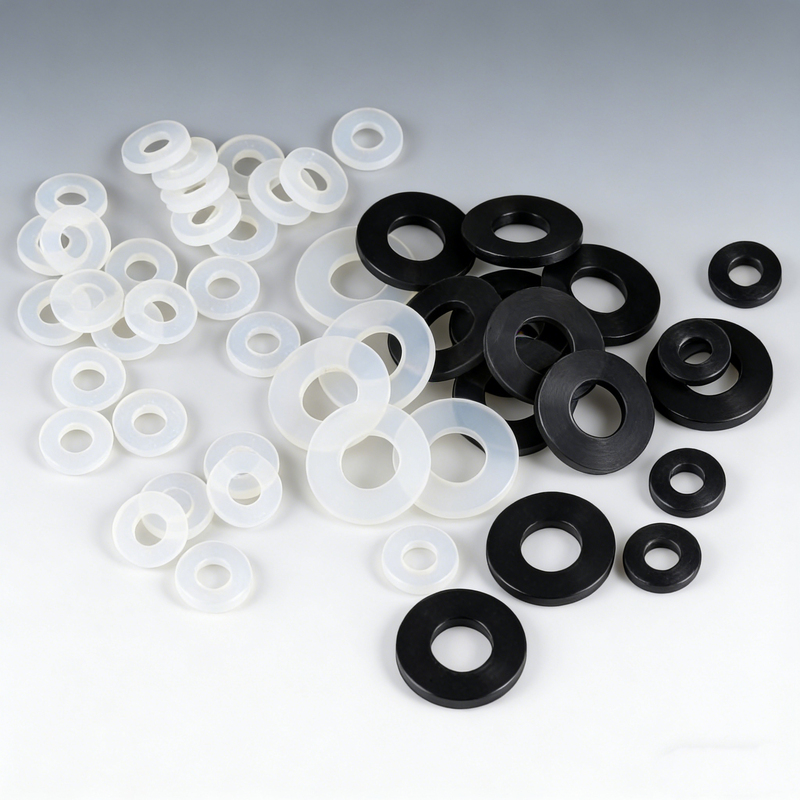
Carbon black serves as the most common reinforcing filler. It increases tensile strength, abrasion resistance, and provides UV protection. Different carbon black grades offer varying reinforcement levels. Fine particle sizes provide higher reinforcement but may reduce flexibility.
Silica fillers improve tear resistance and reduce rolling resistance. We use silica in applications requiring low heat buildup, such as tire compounds and high-performance seals. Silica-filled compounds often show better wet traction than carbon black alternatives.
Plasticizers modify flexibility and processing characteristics. We add plasticizers to achieve specific hardness levels or improve low-temperature performance. However, excessive plasticizer content can lead to migration and long-term property changes.
Antioxidants prevent degradation during service life. Primary antioxidants interrupt oxidation chain reactions, while secondary antioxidants decompose peroxides. We select antioxidant systems based on expected service conditions and regulatory requirements.
Accelerators control vulcanization speed and efficiency. Different accelerator types provide various cure characteristics. We choose accelerators based on processing requirements, scorch safety, and final property targets.
Colorants include both organic and inorganic pigments. Inorganic pigments generally provide better heat stability and weathering resistance. We can achieve most colors, but some bright colors may affect other properties or regulatory compliance.
| Additive Type | Purpose | Effect on Properties |
|---|---|---|
| Carbon black | Reinforcement | Increases strength, UV protection |
| Silica | Reinforcement | Improves tear resistance |
| Plasticizers | Flexibility | Reduces hardness |
| Antioxidants | Aging resistance | Extends service life |
| Accelerators | Cure control | Processing optimization |
Flame retardants become necessary for electrical and automotive applications. We use various flame retardant systems depending on performance requirements and environmental regulations. Some flame retardants may affect other properties like flexibility or color.
Conclusion
Rubber materials range from natural latex to advanced synthetic polymers, each engineered for specific applications requiring particular performance characteristics.