

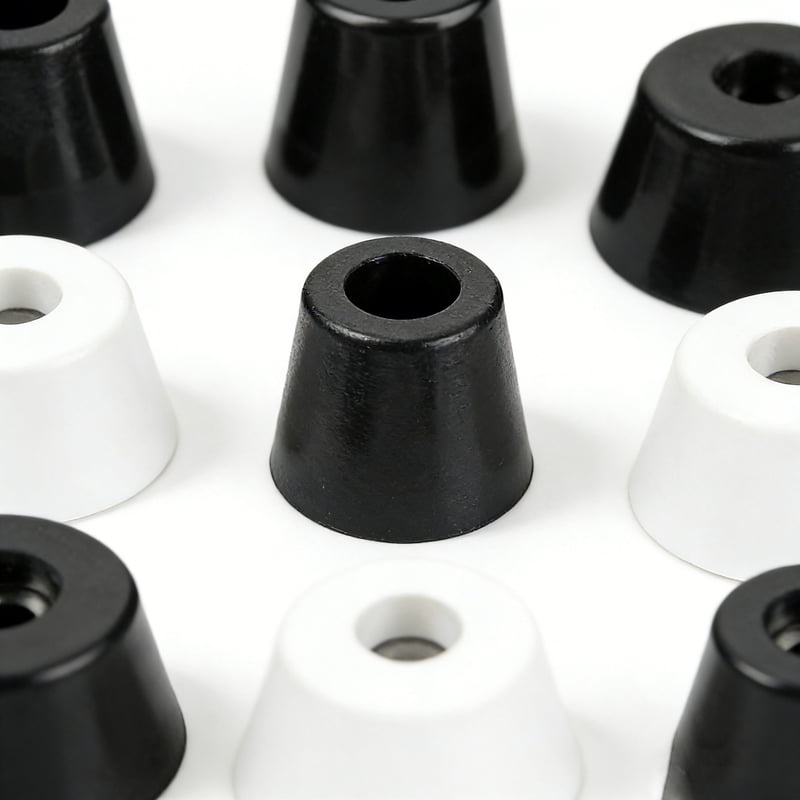
Modern industrial equipment faces constant vibration challenges that can destroy performance and shorten lifespan. Without proper vibration isolators technology1, your machinery suffers from reduced efficiency and increased maintenance costs.
Vibration isolators technology uses specialized materials and designs to absorb and redirect mechanical vibrations2, protecting equipment from damage while maintaining operational stability. The right technology choice depends on vibration frequency3, load requirements4, and environmental conditions5.
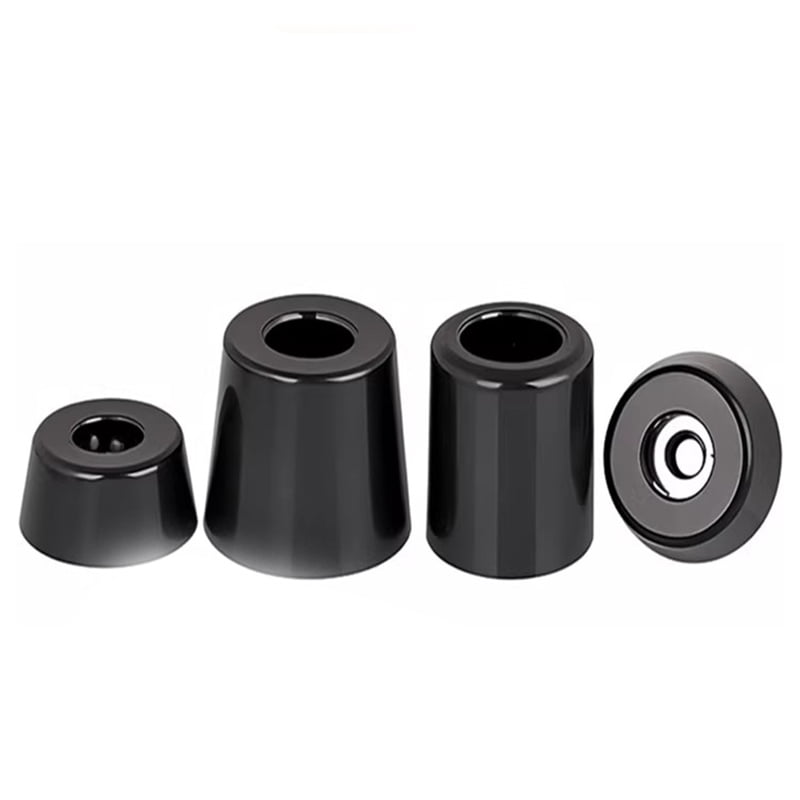
Understanding vibration isolators technology1 becomes crucial when you want to protect your investment and ensure smooth operations. Let me share what I've learned from 27 years in this industry.
How Does Vibration Frequency Affect Technology Selection?
Equipment vibration patterns vary dramatically across different applications. High-frequency vibrations require completely different solutions than low-frequency ones, and choosing wrong creates expensive problems.
High-frequency vibrations need rubber-based isolators6 with specific durometer ratings, while low-frequency vibrations7 require spring systems8 or air-based technology. Frequency analysis determines which vibration isolators technology1 works best for your equipment.
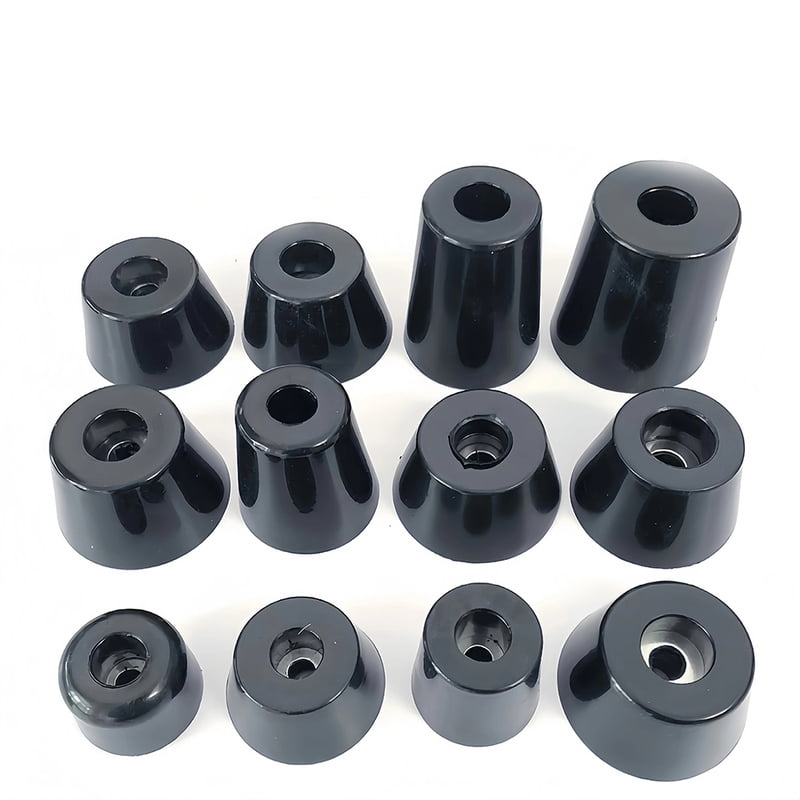
I worked with a manufacturing company that installed standard vibration isolators on high-frequency equipment. The results were disappointing. Their machinery continued transmitting vibrations to surrounding structures, affecting production quality and worker comfort. The problem wasn't the isolator quality - it was the wrong technology choice.
Different vibration frequencies need different approaches. Low-frequency vibrations, typically below 10 Hz, require isolators with high deflection capabilities. Spring-based systems or air isolators9 work well here. They can handle large amplitude movements while maintaining isolation effectiveness.
High-frequency vibrations, above 20 Hz, need different solutions. Rubber and elastomer-based isolators excel in this range. They provide excellent damping characteristics and can absorb rapid oscillations effectively. The key lies in selecting the right material hardness and geometry.
| Frequency Range | Recommended Technology | Key Benefits |
|---|---|---|
| 0-10 Hz | Spring systems, Air isolators | High deflection, Large amplitude handling |
| 10-20 Hz | Hybrid spring-rubber systems | Balanced performance, Versatile applications |
| 20+ Hz | Rubber/elastomer isolators | Excellent damping, Compact design |
Material selection within each technology type matters significantly. Natural rubber works well for general applications, while specialized compounds like EPDM or silicone handle extreme temperatures. NBR provides oil resistance for automotive applications.
What Environmental Factors Impact Technology Performance?
Operating environment dramatically affects vibration isolators technology1 performance. Temperature extremes, chemical exposure10, and humidity levels can destroy standard materials, making environmental compatibility essential for long-term success.
Temperature variations, chemical exposure10, and moisture levels require specific material selection11s in vibration isolators technology1. Standard rubber fails in extreme conditions, while specialized compounds like silicone or EPDM maintain performance across wider environmental ranges.
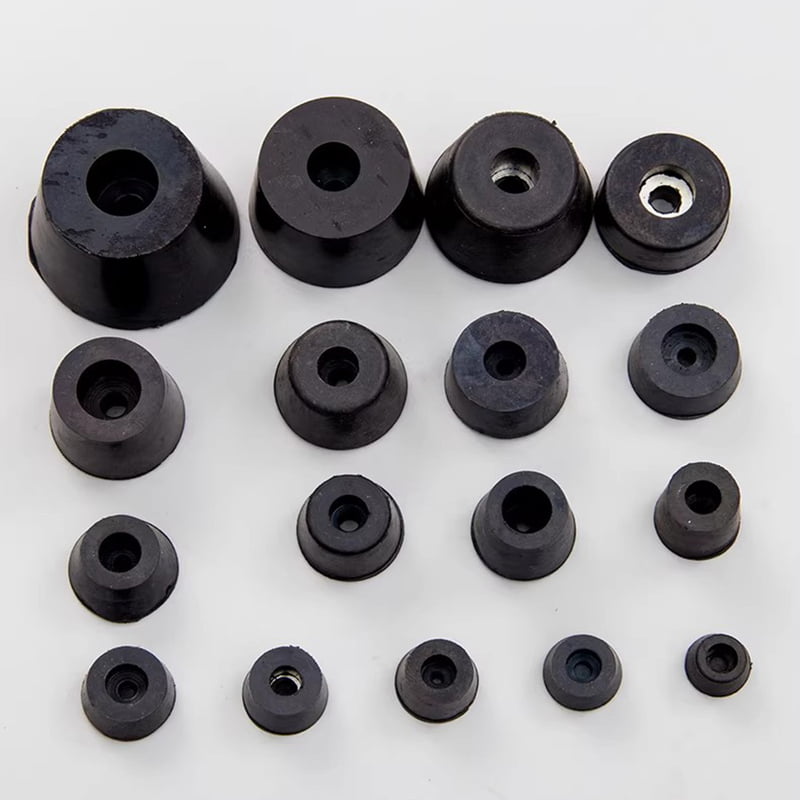
Environmental challenges create the biggest technology selection mistakes I see. One client installed standard natural rubber isolators in a high-temperature application. Within six months, the rubber degraded, losing all vibration isolation properties. The equipment started transmitting full vibration energy to the foundation.
Temperature affects all vibration isolators technology1 options. Natural rubber works well between -40°C to +80°C. Beyond these limits, you need specialized materials. Silicone rubber handles -60°C to +200°C effectively. For extreme heat applications above 200°C, you might need metal spring systems8 with minimal elastomer components.
Chemical exposure requires careful material selection11. Oil and fuel environments need NBR (nitrile) rubber compounds. Silicone resists most chemicals but may swell in hydrocarbon environments. EPDM provides excellent resistance to ozone, weathering, and many industrial chemicals.
Moisture and humidity affect different technologies differently. Open-cell foam isolators absorb water and lose effectiveness. Closed-cell materials maintain properties in wet conditions. Metal components need corrosion protection in marine or high-humidity environments.
UV exposure degrades many rubber compounds. Outdoor applications need UV-stabilized materials or protective housings. Carbon black loading helps natural rubber resist UV damage, while specialized additives protect synthetic rubbers.
Which Load Characteristics Determine Technology Choice?
Load requirements fundamentally shape vibration isolators technology1 selection. Static loads, dynamic forces, and load distribution patterns12 each demand specific engineering approaches that standard solutions cannot address effectively.
Static load capacity, dynamic load variations, and load distribution patterns12 determine which vibration isolators technology1 provides optimal performance. Compression-only loads need different solutions than tension or shear applications, requiring careful engineering analysis.
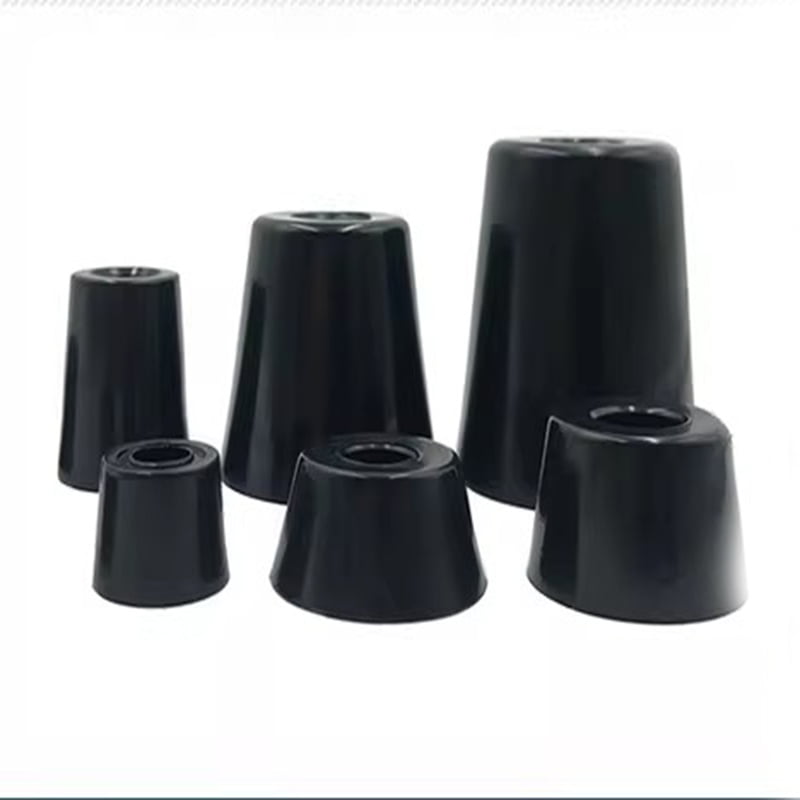
Load analysis prevents costly mistakes in technology selection. I remember a project where engineers selected isolators based only on static weight calculations. They ignored dynamic loading13 from equipment operation. The isolators failed within weeks because dynamic forces exceeded design limits by 300%.
Static load capacity forms the foundation of isolator selection. Each technology type handles loads differently. Rubber isolators work well for moderate loads with good compression characteristics. Spring systems excel with heavy loads and provide linear load-deflection relationships.
Dynamic loading adds complexity to technology selection. Equipment startup and shutdown create transient loads far exceeding normal operation. Rotating machinery generates cyclical loading patterns. Impact equipment produces shock loads requiring energy absorption capabilities.
Load distribution affects isolator placement and technology choice. Point loads need robust isolators with high load density capabilities. Distributed loads allow smaller isolators with better vibration control. Uneven loading requires adjustable systems or custom-designed solutions.
| Load Type | Technology Recommendation | Design Considerations |
|---|---|---|
| Static compression | Rubber mounts, Spring isolators | Deflection limits, Creep resistance |
| Dynamic compression | Damped rubber systems | Fatigue life, Temperature rise |
| Tension loads | Bonded rubber mounts | Adhesion strength, Safety factors |
| Shear loads | Multi-directional mounts | Stability, Lateral stiffness |
Safety factors vary by application and technology. Static applications typically use 2:1 safety factors14. Dynamic applications may need 4:1 or higher depending on load variability. Critical applications require even higher safety margins.
How Do Installation Requirements Affect Technology Selection?
Installation constraints often determine which vibration isolators technology1 works in real applications. Space limitations, mounting methods, and maintenance access15 requirements can eliminate otherwise perfect technical solutions.
Installation space, mounting configurations, and maintenance access15ibility requirements significantly impact vibration isolators technology1 selection. Compact spaces need low-profile solutions, while maintenance-critical applications require easily replaceable designs with standard mounting patterns.
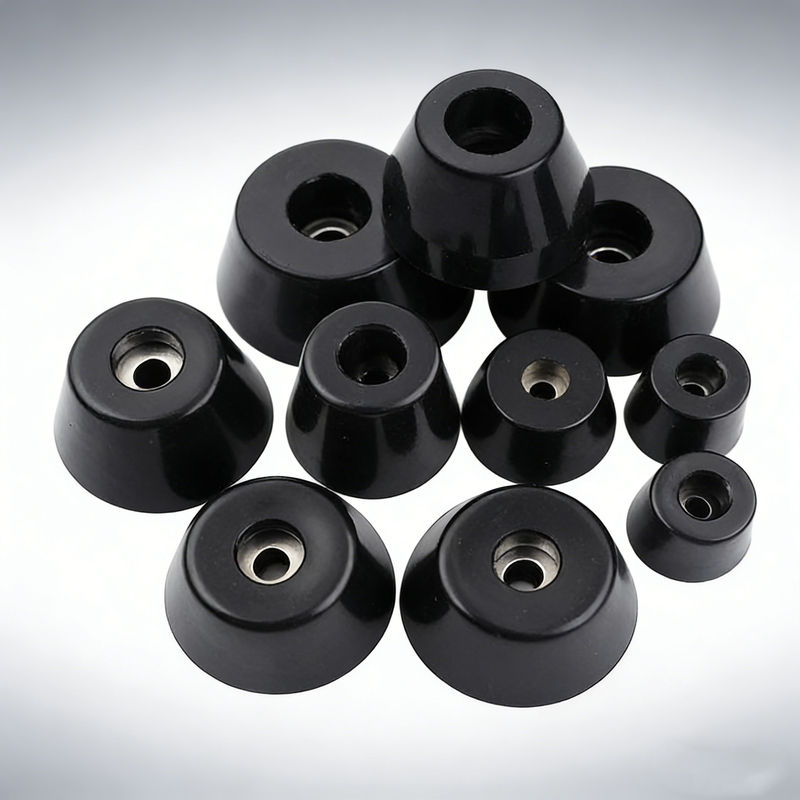
Installation challenges create unexpected problems in technology implementation. One project had perfect vibration analysis16 and load calculations, but the selected isolators couldn't fit in the available space. The mounting holes didn't align with existing equipment foundations. We had to redesign the entire system, causing delays and cost overruns.
Space constraints limit technology options significantly. Low-profile applications need compact rubber mounts or thin elastomer pads. Standard spring isolators require substantial height clearance. Air systems need additional space for air lines and controls.
Mounting configurations vary widely across applications. Threaded studs work well for equipment with mounting holes. Sandwich mounts suit applications where drilling isn't possible. Leveling mounts help with uneven foundations or equipment alignment requirements.
Maintenance access affects long-term technology success. Some isolators need periodic inspection or replacement. Hidden installations make maintenance difficult and expensive. Accessible designs allow quick visual inspection and replacement when needed.
Alignment and adjustment capabilities matter in many applications. Fixed isolators work well for stable installations. Adjustable systems help with equipment that settles over time or requires precise leveling. Self-leveling isolators maintain position automatically.
Conclusion
Choosing the right vibration isolators technology1 requires understanding frequency characteristics, environmental conditions5, load requirements4, and installation constraints. Proper analysis prevents costly mistakes and ensures long-term equipment protection.
Explore this resource to understand how vibration isolators technology can protect your machinery and enhance performance. ↩
Learn about mechanical vibrations and their impact on equipment to better understand the need for isolators. ↩
Discover the importance of vibration frequency in selecting the right isolators for your equipment. ↩
Understanding load requirements is crucial for selecting the right isolators; this resource provides valuable insights. ↩
Explore how different environmental factors can impact the performance of vibration isolators. ↩
Discover the benefits and applications of rubber-based isolators in various industrial settings. ↩
This resource explains low-frequency vibrations and the best isolators to use for optimal performance. ↩
Learn how spring systems function and their advantages in vibration isolation technology. ↩
Explore the unique features of air isolators and their effectiveness in vibration control. ↩
Learn about the effects of chemical exposure on isolators and how to choose resistant materials. ↩
This resource provides guidance on material selection for vibration isolators to ensure durability. ↩
Understanding load distribution patterns is essential for effective isolator placement and performance. ↩
Understanding dynamic loading is key to selecting effective isolators; this resource explains it well. ↩
This resource explains safety factors and their importance in ensuring reliable isolator performance. ↩
This resource highlights the significance of maintenance access in ensuring long-term performance. ↩
Learn about vibration analysis techniques to better understand machinery performance and needs. ↩