

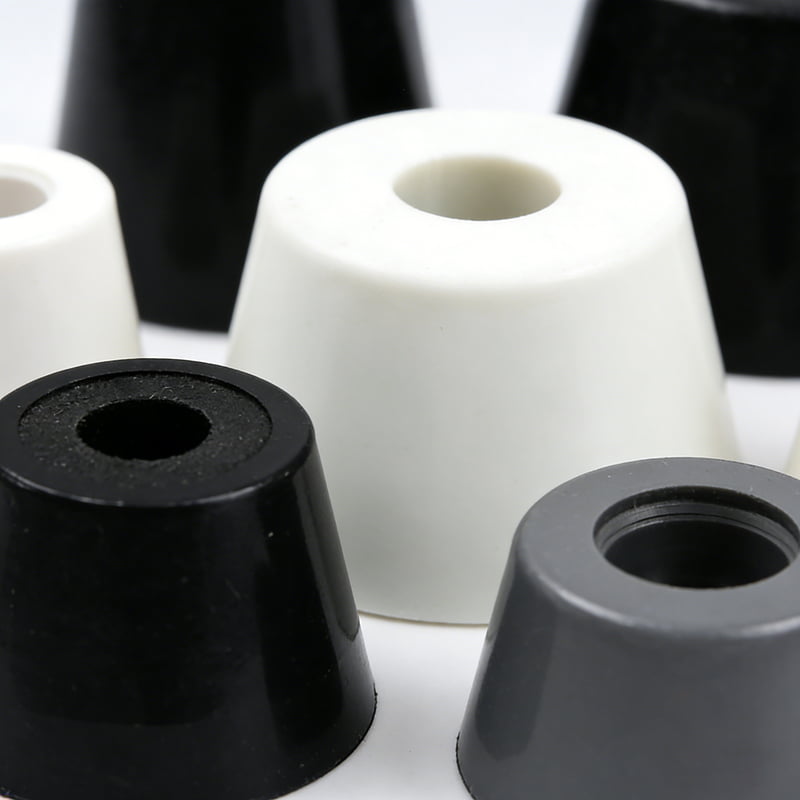
Vibration damages equipment. Noise disrupts operations. Poor isolation choices cost thousands in repairs and downtime.
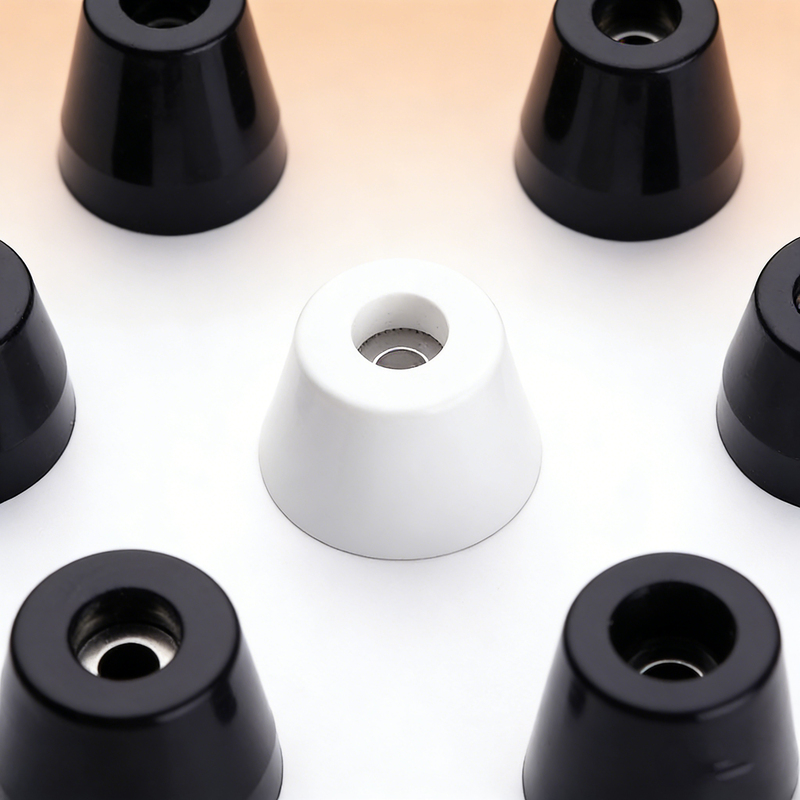
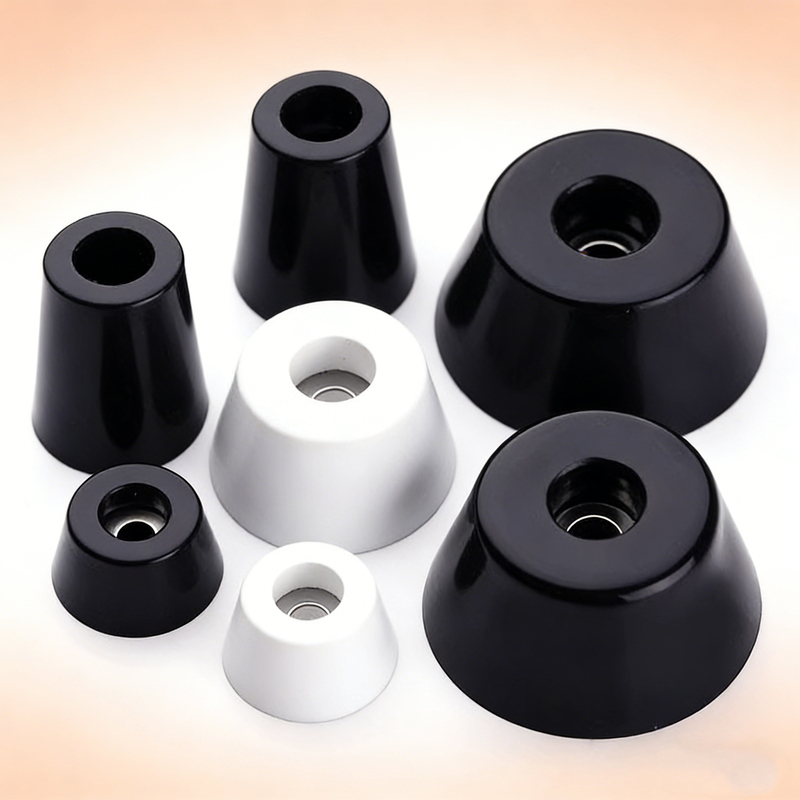
Rubber isolators1 are vibration control devices2 that reduce mechanical vibrations and noise transmission between equipment and mounting surfaces. They absorb shock, prevent structural damage, and extend equipment lifespan by isolating dynamic forces3 from sensitive components.
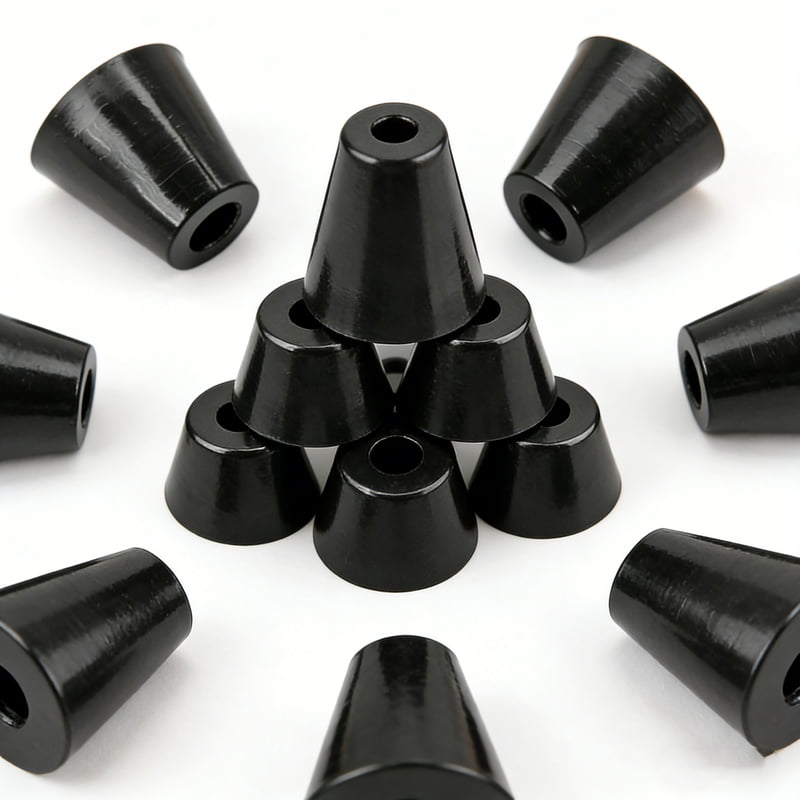
After 27 years in rubber manufacturing, I have seen countless equipment failures that could have been prevented with proper vibration isolation. Let me share what I learned about choosing the right rubber isolators.
How Do Load Requirements Affect Isolator Performance?
Equipment weight determines everything. Undersized isolators fail quickly. Oversized ones provide poor isolation.
Load capacity matching is critical for rubber isolator effectiveness. Isolators must support 100% of equipment static weight while maintaining proper deflection ratios. Incorrect sizing leads to premature failure4, poor vibration control, and potential equipment damage.
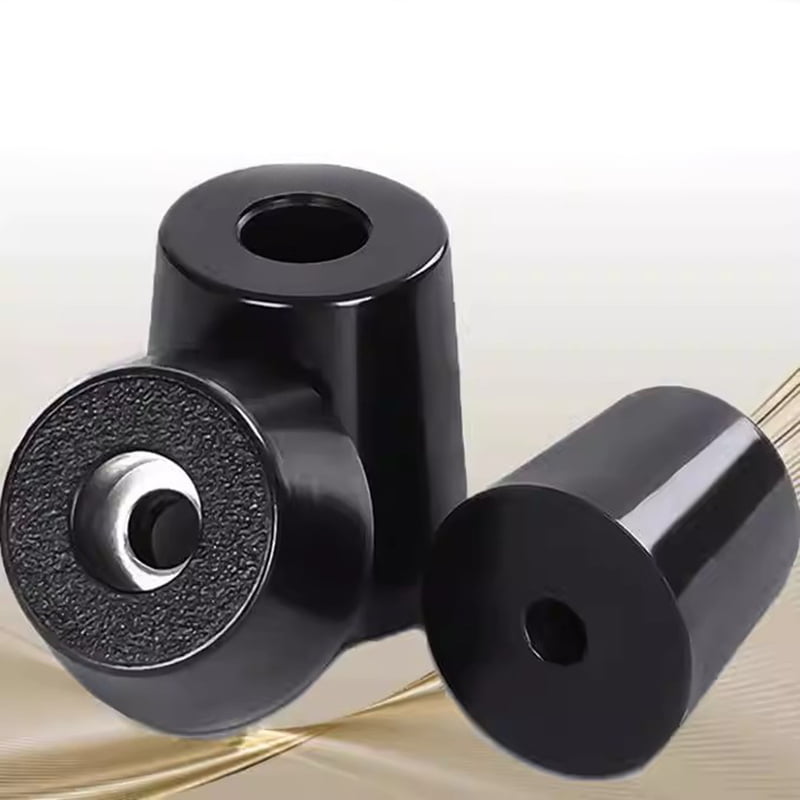
I worked with a pump manufacturer who experienced constant vibration issues. Their problem was simple but costly. They selected isolators based on price rather than load requirements. The isolators compressed too much under the pump weight. This created a rigid connection that transmitted all vibrations to the foundation.
We replaced them with properly sized isolators rated for 125% of the pump weight. The vibration levels dropped by 85%. The pump ran smoother and quieter. Equipment life increased significantly.
Here is how to calculate proper load capacity:
| Equipment Parameter | Calculation Method | Safety Factor |
|---|---|---|
| Static Weight | Actual equipment weight5 | 1.25x minimum |
| Dynamic Load | Operating forces + static | 1.5x recommended |
| Total Capacity | Static + dynamic loads | 2.0x for critical equipment |
Load distribution matters equally. Four isolators should each carry 25% of total weight. Uneven loading creates stress points. Some isolators work harder than others. This leads to premature failure4 of overloaded units.
We always recommend measuring actual equipment weight5. Manufacturer specifications often exclude accessories, fluids, or modifications. A digital scale gives accurate readings. This prevents undersizing mistakes that cause expensive problems later.
What Environmental Factors Impact Isolator Selection?
Temperature extremes destroy standard rubber. Chemicals attack certain materials. UV exposure causes cracking and degradation.
Environmental conditions directly affect rubber isolator material selection and lifespan. Temperature ranges, chemical exposure, UV radiation, and moisture levels6 determine which rubber compounds will perform reliably in specific applications.
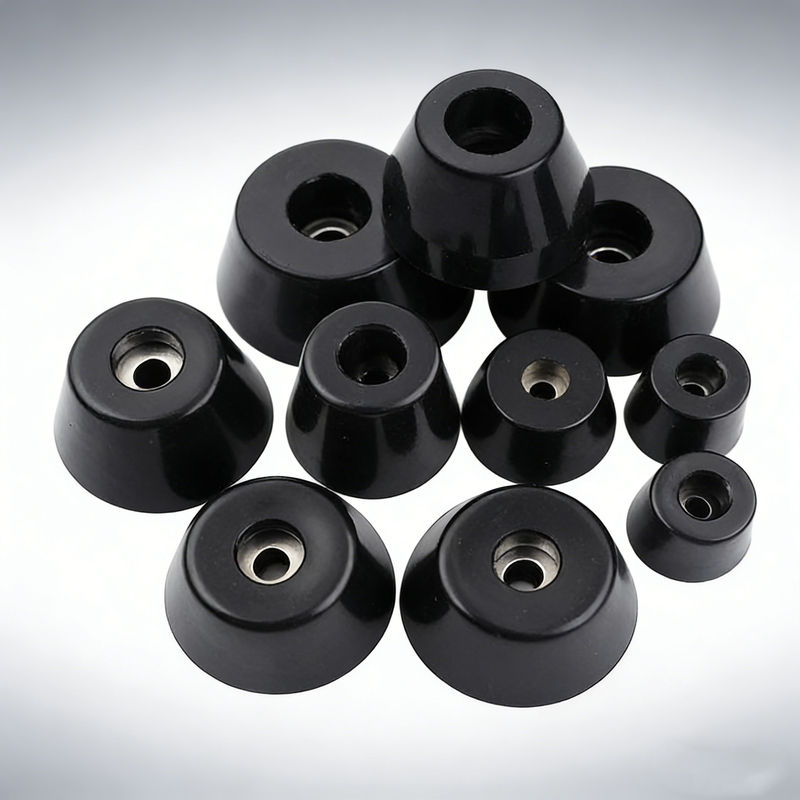
I learned this lesson working with an outdoor generator installation. The customer chose standard NBR isolators for cost savings. Within six months, the isolators cracked from UV exposure and temperature cycling. Generator vibrations increased dramatically. Foundation damage occurred.
We replaced them with EPDM isolators designed for outdoor use. These lasted over five years without degradation. The total cost was lower despite higher initial price.
Different rubber compounds handle specific environments:
| Material Type | Temperature Range | Chemical Resistance | UV Resistance | Best Applications |
|---|---|---|---|---|
| EPDM | -40°C to +150°C | Excellent | Excellent | Outdoor equipment |
| NBR | -30°C to +120°C | Good oils/fuels | Poor | Indoor machinery |
| Silicone | -60°C to +200°C | Fair | Excellent | High temperature |
| Natural Rubber | -50°C to +80°C | Poor | Poor | Indoor, dry conditions |
Humidity affects rubber differently than temperature. High moisture causes swelling in some compounds. This changes isolator stiffness7 and natural frequency8. Drainage design prevents water accumulation around isolators.
Chemical compatibility requires careful evaluation. Oil leaks from equipment can destroy incompatible rubber. Cleaning solvents may cause swelling or cracking. We provide chemical resistance charts for all our materials.
How Does Frequency Matching Optimize Vibration Control?
Wrong frequency selection amplifies vibrations. Resonance destroys equipment faster than no isolation at all.
Rubber isolator natural frequency8 must be significantly lower than equipment operating frequency for effective isolation. The isolation ratio improves as frequency separation increases. Proper frequency matching9 prevents resonance and maximizes vibration reduction.
A customer installed isolators under a 1800 RPM motor without frequency analysis. The isolators had a natural frequency8 of 25 Hz. The motor operated at 30 Hz. This created near-resonance conditions that amplified vibrations by 300%.
We calculated the motor frequency: 1800 RPM ÷ 60 = 30 Hz. We selected isolators with 8 Hz natural frequency8. This provided a frequency ratio of 3.75:1. Vibration transmission dropped to less than 10% of input levels.
The frequency ratio determines isolation effectiveness:
| Frequency Ratio | Isolation Efficiency | Application Suitability |
|---|---|---|
| 1.0 - 1.4 | Amplification | Never acceptable |
| 1.4 - 2.0 | Poor isolation | Emergency only |
| 2.0 - 3.0 | Moderate isolation | General purpose |
| 3.0+ | Excellent isolation | Critical applications |
Natural frequency depends on isolator stiffness7 and supported mass. Softer isolators provide lower natural frequency8 but require more deflection. Stiffer isolators support more weight but provide less isolation at low frequencies.
We use this formula for frequency calculations: f = (1/2π) × √(k/m), where f is natural frequency8, k is stiffness, and m is mass. This helps predict isolator performance before installation.
What Installation Factors Determine Long-term Success?
Perfect isolators fail with poor installation. Alignment errors create stress concentrations. Missing hardware allows unwanted motion.
Proper installation procedures10 are essential for rubber isolator performance and longevity. Level mounting surfaces, correct torque specifications11, adequate clearances, and proper alignment prevent premature failure4 and maintain isolation effectiveness.
I visited a facility where isolators failed repeatedly after three months. The maintenance team blamed product quality. Investigation revealed the mounting surface had a 5-degree slope. This created side loading that exceeded design limits.
We helped them level the mounting surface and realign the equipment. The same isolator design lasted over three years. Proper installation made the difference between success and failure.
Installation checklist prevents common problems:
| Installation Step | Critical Requirements | Common Mistakes |
|---|---|---|
| Surface Preparation | Level within 0.5° | Ignoring surface condition |
| Bolt Torque | Manufacturer specification | Over or under tightening |
| Clearance | 25mm minimum all sides | Insufficient movement space |
| Alignment | Centerline accuracy | Offset loading |
Bolt torque affects isolator performance significantly. Under-tightening allows movement that causes wear. Over-tightening compresses rubber beyond design limits. This increases stiffness and reduces isolation effectiveness.
We provide torque specifications11 for all our isolators. These values balance clamping force with rubber compression. Following these specifications ensures optimal performance and maximum service life.
Conclusion
Selecting proper rubber isolators requires matching load capacity, environmental conditions12, frequency characteristics, and installation requirements to your specific application needs.
Explore how rubber isolators can significantly reduce vibrations and extend equipment lifespan. ↩
Learn about various vibration control devices that can enhance operational efficiency. ↩
Discover how dynamic forces affect machinery and the importance of proper isolation. ↩
Understand the common causes of premature failure to avoid costly mistakes. ↩
Learn why understanding equipment weight is crucial for selecting the right isolators. ↩
Find out how moisture levels can affect the performance and lifespan of isolators. ↩
Understand the relationship between isolator stiffness and its effectiveness in vibration control. ↩
Learn about the significance of natural frequency in optimizing vibration control. ↩
Discover how proper frequency matching can prevent resonance and enhance isolation. ↩
Explore essential installation procedures to ensure the longevity of rubber isolators. ↩
Explore the importance of following torque specifications for optimal isolator performance. ↩
Find out how temperature, chemicals, and UV exposure influence isolator selection. ↩