

You're facing a critical decision for your industrial project. The wrong rubber sheet choice could cost you thousands in repairs and downtime.
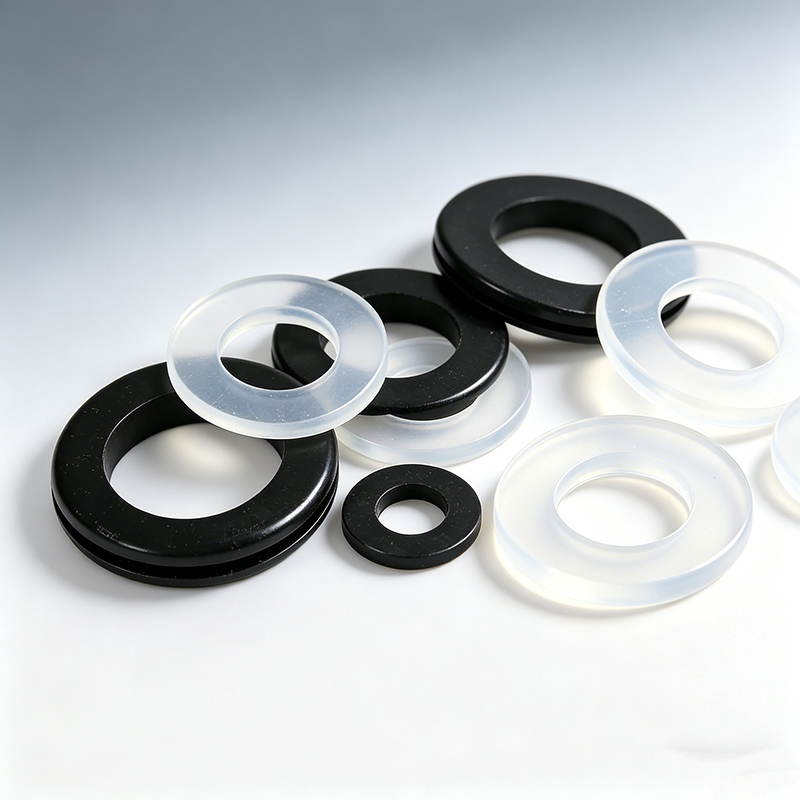
Commercial grade rubber sheets1 offer superior durability, chemical resistance2, and performance consistency compared to standard options. They're engineered for demanding industrial applications where failure isn't an option.
I've seen too many companies learn this lesson the hard way. Let me share what I've learned from 27 years in the rubber industry to help you make the right choice.
Why Do Standard Rubber Sheets Fail in Commercial Applications?
Standard rubber sheets seem like a cost-effective choice at first glance. Many purchasing managers fall into this trap without considering long-term consequences.
Standard rubber sheets lack the engineered properties needed for industrial environments. They deteriorate faster under stress, temperature extremes3, and chemical exposure, leading to frequent replacements and costly downtime.
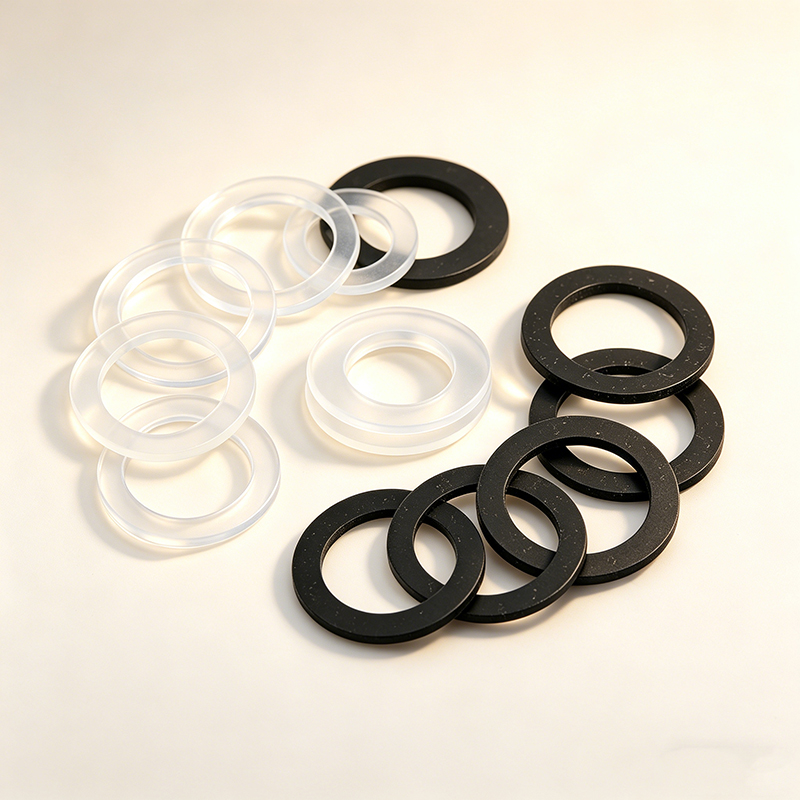
I remember a client who contacted us after their equipment failed repeatedly. They had chosen standard rubber sheets for a chemical processing application. Within three months, the sheets showed severe cracking and chemical degradation. The replacement costs and production downtime exceeded their initial savings by 400%.
This happens because standard sheets use basic rubber compounds without specialized additives. Commercial grade sheets incorporate specific polymers and reinforcements designed for harsh conditions. The difference isn't just in price – it's in molecular structure.
| Property | Standard Sheet | Commercial Grade |
|---|---|---|
| Temperature Range | -20°C to 60°C | -40°C to 150°C |
| Chemical Resistance | Basic | Enhanced |
| Tensile Strength | 8-12 MPa | 15-25 MPa |
| Service Life | 1-2 years | 5-10 years |
The engineering behind commercial grade sheets involves precise polymer selection, cross-linking optimization, and additive integration. We test each batch for tensile strength4, elongation, and chemical compatibility. This ensures consistent performance across different production runs.
How Do You Choose the Right Commercial Grade Material?
Material selection determines your project's success or failure. The wrong choice leads to premature failure, safety risks, and budget overruns.
Match the rubber compound to your specific application requirements. EPDM5 excels in weather resistance, NBR6 handles oils and fuels, while silicone7 performs best at temperature extremes3.


I've guided hundreds of clients through this selection process. Each application demands different properties. A food processing plant needs FDA-approved materials. An automotive application requires oil resistance. Marine environments demand UV and saltwater protection.
The selection process starts with understanding your operating conditions. Temperature ranges, chemical exposure, mechanical stress, and regulatory requirements all influence material choice. I always ask clients about their worst-case scenarios – not just normal operating conditions.
| Material | Best For | Temperature Range | Key Benefits |
|---|---|---|---|
| EPDM5 | Outdoor, Weather | -40°C to 120°C | UV resistance, Ozone resistance |
| NBR6 | Oil, Fuel Contact | -30°C to 100°C | Oil resistance, Fuel compatibility |
| Silicone | High Temperature | -60°C to 200°C | Extreme temperatures, Food safe |
| Neoprene | General Purpose | -35°C to 95°C | Balanced properties, Flame resistance |
We conduct material testing for critical applications. This includes accelerated aging tests, chemical immersion studies, and mechanical property verification. Our lab can simulate years of service life in weeks. This data helps predict real-world performance and prevents costly failures.
Color coding helps with installation and maintenance. We can match specific colors to your requirements or industry standards. This reduces installation errors and simplifies future maintenance work.
What Thickness and Dimensions Work Best for Your Application?
Thickness affects both performance and cost. Too thin compromises durability. Too thick wastes material and increases expenses unnecessarily.
Optimal thickness balances mechanical strength, flexibility, and cost efficiency. Most commercial applications require 3-12mm thickness, depending on pressure loads and installation requirements.
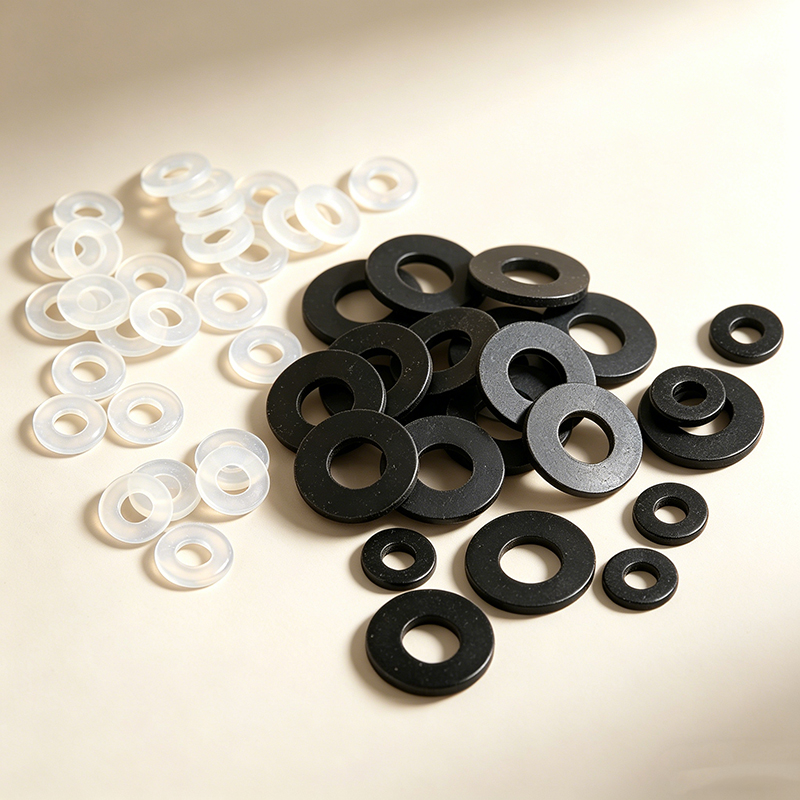
I've learned that thickness selection8 involves multiple factors beyond just covering a surface. Compression set resistance, tear strength, and installation method all influence the ideal thickness choice.
Pressure applications need thicker sheets to prevent extrusion under load. Gasket applications might use thinner materials for better compression characteristics. Vibration dampening requires specific thickness-to-hardness ratios for optimal performance.
| Application Type | Recommended Thickness | Shore A Hardness | Key Considerations |
|---|---|---|---|
| Floor Protection | 6-12mm | 60-70 | Impact resistance, Wear resistance |
| Gasket/Sealing | 1-6mm | 40-60 | Compression set, Surface finish |
| Vibration Dampening | 10-25mm | 30-50 | Dynamic properties, Fatigue resistance |
| Chemical Containment | 3-8mm | 70-80 | Chemical resistance, Structural integrity |
Standard sheet sizes include 1200x2400mm and 1500x3000mm rolls. Custom cutting reduces waste and installation time. We can provide precision-cut pieces with tolerances of ±0.5mm using water-jet cutting technology.
Surface finish matters for specific applications. Smooth finishes work well for gaskets and seals. Textured surfaces provide better grip for flooring applications. We can emboss patterns or apply fabric backing for enhanced performance.
Edge finishing prevents premature failure at stress concentration points. Beveled edges distribute stress more evenly. Rounded corners eliminate tear initiation points. These details extend service life significantly in demanding applications.
How Do You Ensure Quality and Compliance Standards?
Quality control prevents field failures and regulatory issues. Poor quality control leads to batch-to-batch variations and unpredictable performance.
Comprehensive testing protocols verify material properties, dimensional accuracy, and regulatory compliance. ISO 9001 certification9 ensures consistent quality management throughout production.
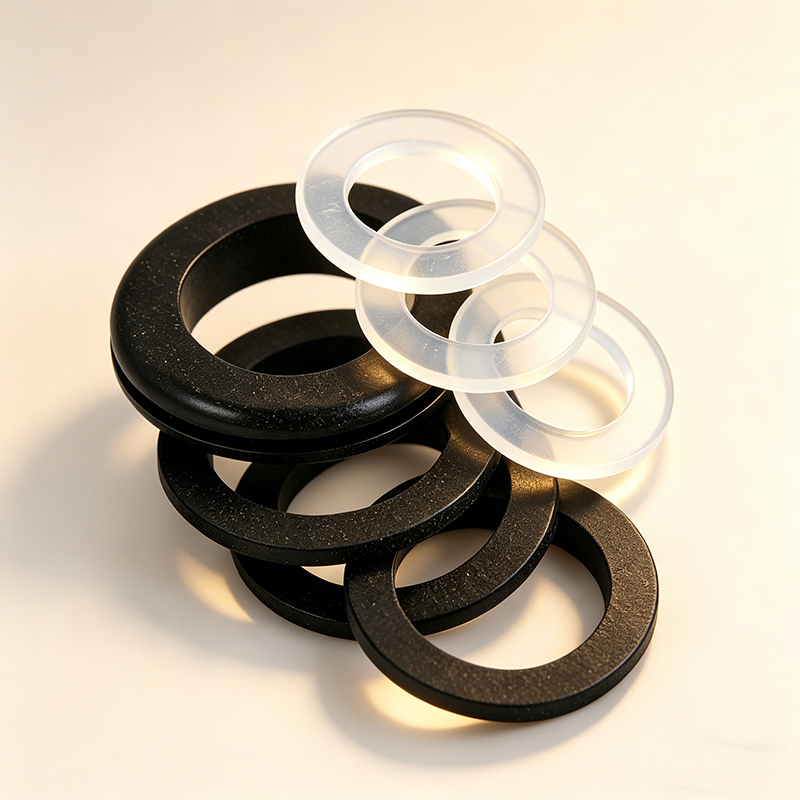
Our quality system starts with incoming raw material inspection. Each polymer batch receives certificates of analysis. We verify hardness, specific gravity, and cure characteristics before production begins.
In-process monitoring tracks critical parameters during manufacturing. Temperature, pressure, and cure time affect final properties. Our automated systems record these parameters for each production run. This creates traceable quality records for customer documentation.
| Test Parameter | Standard | Our Specification | Test Method |
|---|---|---|---|
| Tensile Strength | 15 MPa min | 18 MPa min | ASTM D412 |
| Elongation | 300% min | 350% min | ASTM D412 |
| Hardness | ±5 Shore A | ±3 Shore A | ASTM D2240 |
| Compression Set | 25% max | 20% max | ASTM D395 |
Final inspection includes dimensional verification using coordinate measuring machines. Surface quality assessment identifies any defects or contamination. We photograph and document any non-conformances for continuous improvement.
Regulatory compliance varies by industry and application. FDA approval10 for food contact requires specific polymer grades and processing conditions. RoHS compliance11 restricts heavy metal content. REACH registration12 ensures chemical safety documentation.
Traceability systems link finished products to raw material lots. This enables rapid response if quality issues arise. We maintain records for seven years, exceeding most industry requirements.
Conclusion
Commercial grade rubber sheets1 deliver superior performance through engineered materials, proper thickness selection8, and rigorous quality control that standard options simply cannot match.
Explore the advantages of commercial grade rubber sheets for industrial applications, ensuring durability and performance. ↩
Learn how chemical resistance plays a crucial role in the longevity and effectiveness of rubber sheets in various environments. ↩
Understand how temperature extremes impact rubber sheet performance and why material selection is critical. ↩
Discover why tensile strength is vital for rubber sheets and how it affects their durability in industrial applications. ↩
Find out why EPDM is favored for outdoor and weather applications due to its unique properties. ↩
Explore the applications of NBR rubber and its benefits in oil and fuel contact scenarios. ↩
Learn about the exceptional properties of silicone rubber, especially in high-temperature applications. ↩
Get insights on selecting the optimal thickness for rubber sheets to balance performance and cost. ↩
Learn about the importance of ISO 9001 certification in ensuring quality management in production. ↩
Understand the significance of FDA approval for rubber materials used in food contact applications. ↩
Learn about RoHS compliance and its role in ensuring safety and environmental standards in manufacturing. ↩
Discover the importance of REACH registration for ensuring chemical safety in rubber products. ↩