

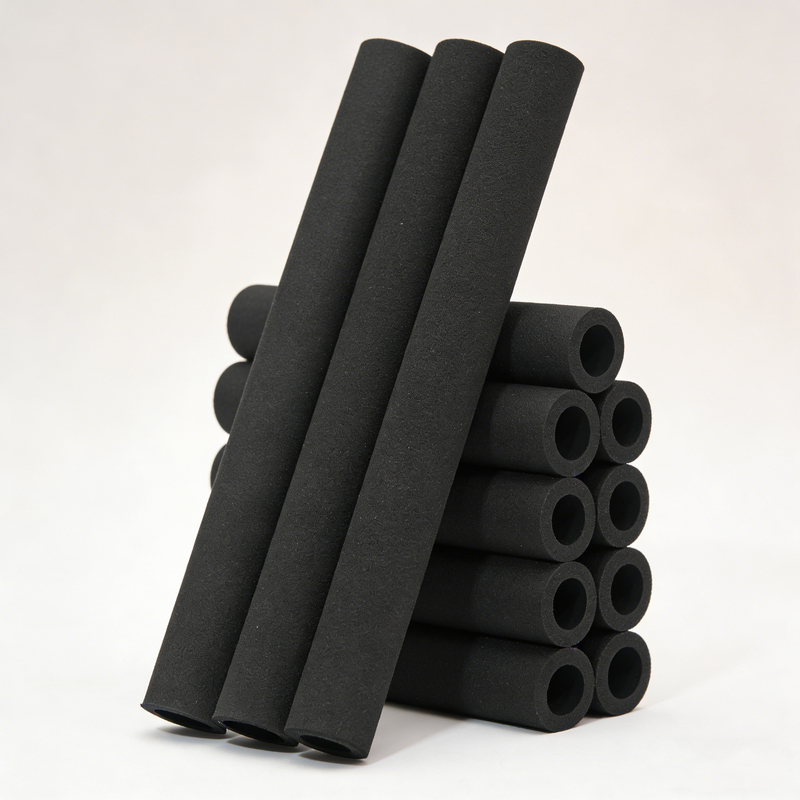
Choosing the wrong bellows material can cost you thousands in repairs and downtime. I've seen too many projects fail because someone picked NBR without understanding its limits.
Large black NBR rubber bellows1 excel in oil-resistant applications2 but require careful material selection based on temperature, chemical exposure3, and pressure requirements to avoid costly failures and ensure long-term performance4.
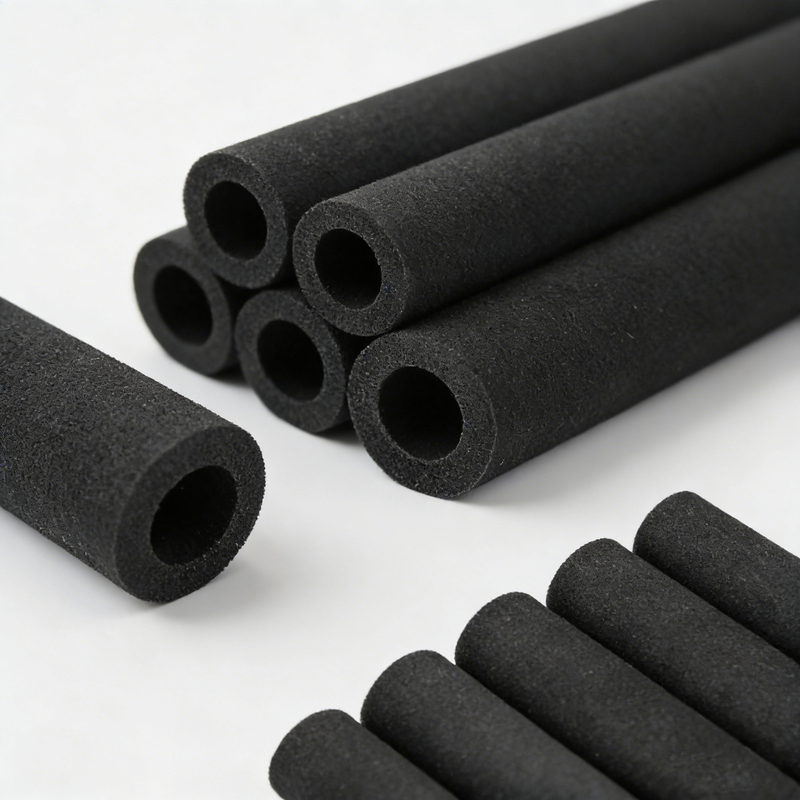
After 27 years in rubber manufacturing, I want to share what I've learned about NBR bellows selection. This knowledge can save you from expensive mistakes that I've witnessed countless times in the field.
Why Do Large Black NBR Bellows Fail in High-Temperature Applications?
Temperature limits catch many engineers off guard. NBR seems perfect until it starts cracking under heat stress.
NBR rubber bellows1 typically fail above 120°C (248°F) due to polymer degradation5, causing surface cracking, loss of flexibility, and eventual system leakage that requires immediate replacement.


I remember a project where a client needed bellows for a high-pressure liquid transfer system. They chose large black NBR bellows because of their excellent oil resistance. The system worked perfectly for three months. Then temperature fluctuations started occurring more frequently.
The NBR bellows began showing stress cracks on the outer surface. Within six months, we had complete system failure and expensive downtime. The problem wasn't the NBR quality - it was the wrong material choice for that specific application.
NBR performs exceptionally well in petroleum-based environments. Its nitrile content6 gives it superior oil and fuel resistance compared to natural rubber. However, this same chemical structure limits its high-temperature performance7.
| Temperature Range | NBR Performance | Recommended Action |
|---|---|---|
| -40°C to 80°C | Excellent | Ideal operating range |
| 80°C to 100°C | Good | Monitor for degradation |
| 100°C to 120°C | Fair | Consider alternatives |
| Above 120°C | Poor | Use FKM or silicone |
For applications requiring both oil resistance and high-temperature performance7, we typically recommend fluorocarbon (FKM) bellows. They cost more upfront but prevent costly system failures.
How Does Chemical Compatibility Affect NBR Bellows Performance?
Chemical exposure can destroy NBR bellows faster than mechanical wear. Many clients underestimate this risk until it's too late.
NBR bellows resist petroleum oils and fuels excellently but degrade rapidly when exposed to ozone, ketones, esters, and aromatic hydrocarbons, requiring material compatibility testing before installation.
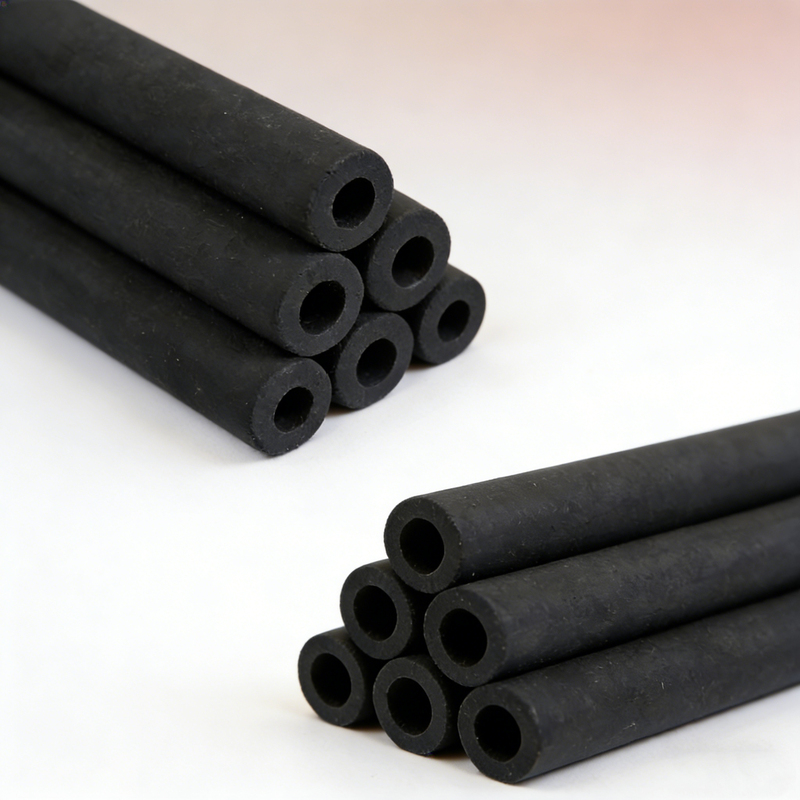
We once had a client in the automotive industry who needed large bellows for a transmission system. They specified NBR because of cost considerations and oil resistance requirements. Everything looked perfect on paper.
Six months after installation, they called with an emergency. The bellows were swelling and losing their shape. After investigation, we discovered the transmission fluid contained additives that weren't compatible with NBR. The bellows absorbed these chemicals and began degrading from the inside out.
This experience taught me to always ask about the complete chemical environment, not just the primary medium. NBR has excellent resistance to:
- Mineral oils and greases
- Petroleum-based hydraulic fluids
- Aliphatic hydrocarbons
- Water and mild acids
However, NBR shows poor resistance to:
- Ozone and UV exposure
- Ketones and esters
- Aromatic hydrocarbons like benzene
- Strong acids and bases
| Chemical Type | NBR Compatibility | Alternative Material |
|---|---|---|
| Mineral Oils | Excellent | NBR recommended |
| Petroleum Fuels | Excellent | NBR recommended |
| Ketones | Poor | EPDM or Silicone |
| Ozone | Poor | EPDM or FKM |
| Strong Acids | Poor | FKM or PTFE |
We now provide detailed chemical compatibility charts with every quote. This prevents costly material selection errors8 and ensures long-term performance4.
What Size Considerations Matter for Large NBR Bellows Design?
Size affects more than just fit. Large bellows face unique engineering challenges that smaller ones don't encounter.
Large NBR bellows require careful wall thickness optimization9, reinforcement design, and pressure rating calculations10 to prevent premature failure due to increased stress concentrations11 and material fatigue.
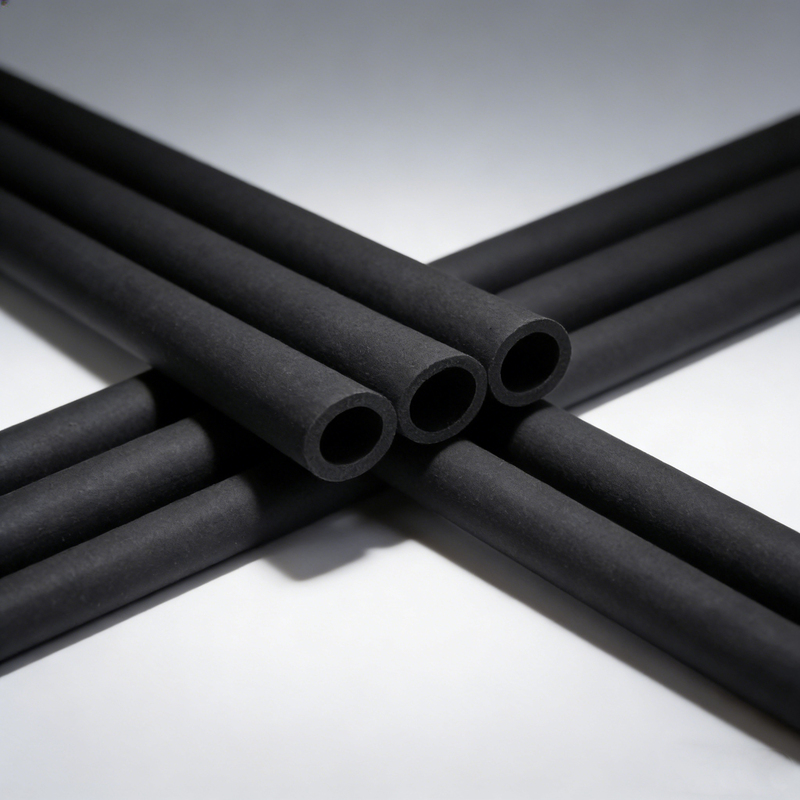
When designing large black NBR bellows, we face several critical considerations that don't apply to smaller components. The relationship between diameter, wall thickness, and pressure rating becomes exponentially more complex as size increases.
I learned this lesson early in my career when a client needed bellows with a 200mm diameter for a pneumatic system. We scaled up our standard design proportionally. The bellows failed during pressure testing because we hadn't accounted for the increased stress distribution in larger components.
Large bellows experience different stress patterns:
- Higher material stress at fold points
- Increased pressure loads on larger surface areas
- Greater susceptibility to buckling under compression
- More pronounced effects from temperature expansion
For large NBR bellows, we typically use:
- Reinforced fabric layers for high-pressure applications
- Optimized wall thickness gradients
- Computer-aided stress analysis for complex geometries
- Multiple convolution designs for better flexibility
| Diameter Range | Standard Wall Thickness | Reinforcement Required | Pressure Rating |
|---|---|---|---|
| 50-100mm | 2-3mm | Optional | Up to 10 bar |
| 100-200mm | 3-5mm | Recommended | Up to 8 bar |
| 200-300mm | 5-8mm | Required | Up to 6 bar |
| Above 300mm | Custom design | Always required | Custom rating |
The manufacturing process also changes for large bellows. We use compression molding instead of extrusion for better dimensional control. Quality inspection becomes more critical because small defects can cause catastrophic failures in large components.
How Do You Select the Right NBR Grade for Your Application?
Not all NBR is the same. Different grades offer different performance characteristics that can make or break your application.
NBR grades vary by acrylonitrile content6 (18-50%), affecting oil resistance, flexibility, and temperature performance, with higher nitrile content6 providing better chemical resistance but reduced low-temperature flexibility.
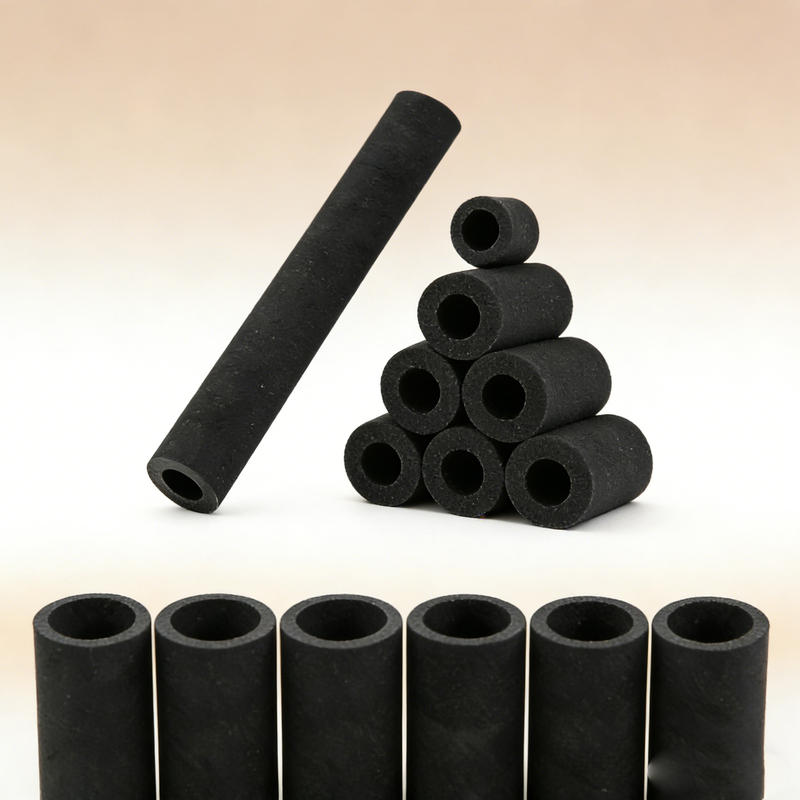
Selecting the correct NBR grade requires understanding the relationship between acrylonitrile content6 and performance characteristics. This isn't always obvious from material datasheets.
We typically stock three main NBR grades:
- Low nitrile (18-25% ACN): Better flexibility, lower oil resistance
- Medium nitrile (25-35% ACN): Balanced properties for general use
- High nitrile (35-50% ACN): Maximum oil resistance, reduced flexibility
A automotive client once requested high-nitrile NBR bellows for a cold-weather application. The high oil resistance seemed perfect for their hydraulic system. However, when winter testing began, the bellows became too stiff to function properly at -30°C.
We switched to a medium-nitrile grade12 with cold-temperature additives. The bellows maintained flexibility while still providing adequate oil resistance for their application.
| NBR Grade | Nitrile Content | Best Applications | Temperature Range |
|---|---|---|---|
| Low Nitrile | 18-25% | General purpose, flexibility critical | -40°C to 100°C |
| Medium Nitrile | 25-35% | Balanced oil resistance and flexibility | -35°C to 110°C |
| High Nitrile | 35-50% | Maximum oil resistance | -25°C to 120°C |
We also offer specialized NBR compounds13 with additives for specific requirements:
- Antioxidants for extended service life
- UV stabilizers14 for outdoor applications
- Conductive carbon black for static dissipation
- Low-compression set formulations for sealing applications
The key is matching the NBR grade to your specific operating conditions rather than simply choosing the highest-performance option.
Conclusion
Selecting large black NBR bellows requires careful consideration of temperature limits15, chemical compatibility, size-specific engineering challenges, and appropriate NBR grades to ensure reliable, cost-effective performance in your application.
Explore the benefits of NBR rubber bellows to understand their role in various industrial applications. ↩
Learn about materials that excel in oil resistance to make informed choices for your projects. ↩
Gain insights into how chemical exposure impacts rubber performance and longevity. ↩
Understand the key factors that ensure the long-term performance of rubber materials. ↩
Discover the factors leading to polymer degradation to avoid costly failures in your projects. ↩
Discover how nitrile content influences the performance characteristics of rubber materials. ↩
Find out which materials provide high-temperature performance for demanding applications. ↩
Explore strategies to prevent costly material selection errors and ensure project success. ↩
Explore techniques for optimizing wall thickness to enhance the performance of rubber bellows. ↩
Understand pressure rating calculations to ensure the safety and reliability of your designs. ↩
Learn about stress concentrations to improve the design and durability of rubber components. ↩
Explore the properties of medium-nitrile grade rubber for balanced performance in various applications. ↩
Learn about specialized NBR compounds and how they can enhance performance in specific applications. ↩
Understand the role of UV stabilizers in extending the life of rubber materials exposed to sunlight. ↩
Understanding temperature limits is crucial for selecting the right materials for your applications. ↩