

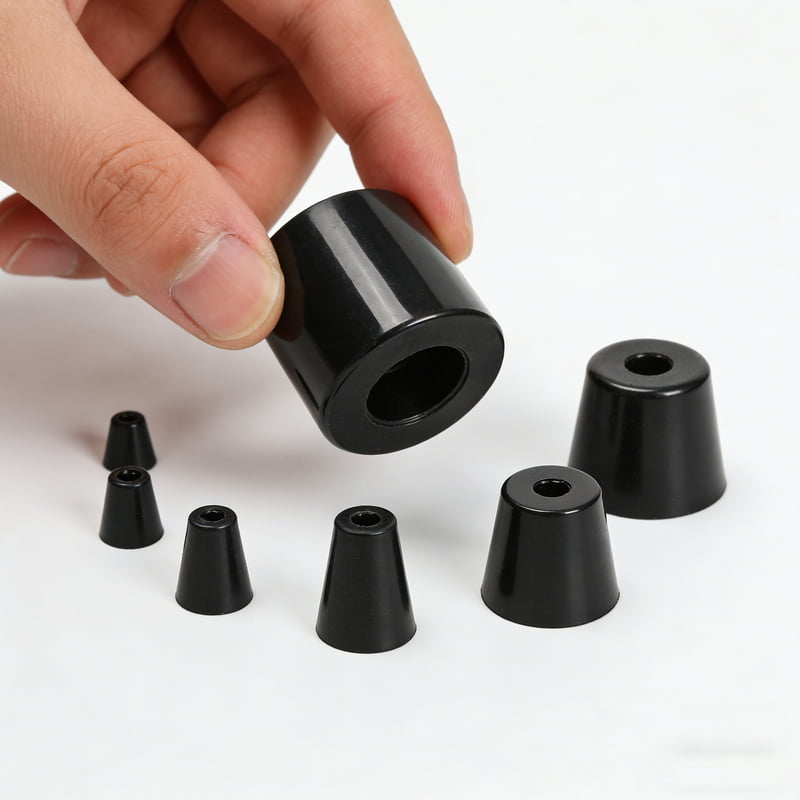
Industrial equipment produces vibrations that can damage both the machine and surrounding components. Without proper vibration control1, you risk equipment failure2, increased maintenance costs, and production downtime.
A vibration isolator3 is a mechanical component that reduces vibration transmission4 between equipment and its mounting surface. These devices absorb and dampen vibrations, protecting machinery and extending operational life while maintaining performance stability.
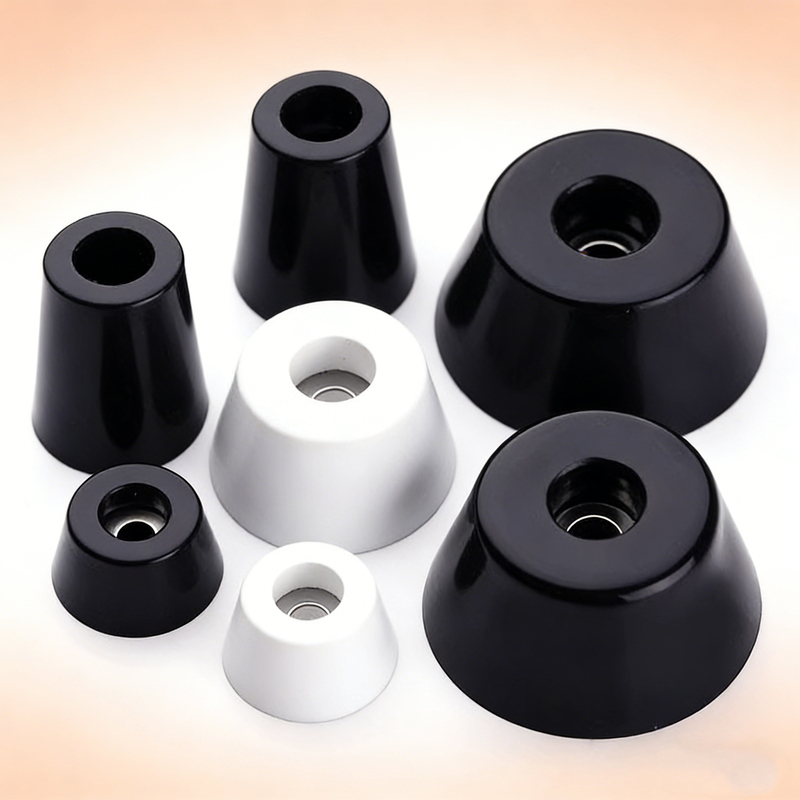
I have seen too many projects fail because companies overlooked vibration control1. The right isolator makes the difference between smooth operation and costly equipment problems.
Why Do Vibration Isolators Fail to Deliver Expected Results?
Many buyers experience poor vibration control1 despite installing isolators. This happens more often than you might think, and the consequences can be expensive.
Vibration isolators fail when they are mismatched to equipment specifications, particularly frequency range5 and load capacity6. Wrong frequency matching means the isolator cannot absorb the specific vibrations your equipment produces, leading to continued vibration transmission4.


I worked with a manufacturing company that bought standard vibration isolator3s without considering their equipment's specific operating conditions. They ignored the vibration intensity and frequency characteristics of their machinery. The isolators could not handle the high-frequency vibrations effectively. This led to abnormal equipment shaking that affected product quality and increased maintenance costs.
The problem often goes unnoticed initially. Equipment seems to work fine during startup and light operation. However, as vibration frequency increases during full production, a cascade of equipment failure2s begins. Bearings wear out faster, precision components lose alignment, and product quality suffers.
Here is what I learned from that experience. Every piece of equipment has unique vibration characteristics. Motors produce different frequencies than compressors7. High-speed spindles create different vibration patterns8 than slow-moving conveyors. The isolator must match these specific patterns to work effectively.
| Equipment Type | Typical Frequency Range | Common Isolator Material | Load Considerations |
|---|---|---|---|
| Electric Motors | 25-100 Hz | Natural Rubber | Medium to High Load |
| Compressors | 10-60 Hz | EPDM Rubber | High Load, Oil Resistance |
| Precision Equipment | 5-200 Hz | Silicone | Low to Medium Load |
| HVAC Systems | 15-120 Hz | NBR Rubber | Variable Load |
How Do You Choose the Right Load Capacity for Your Vibration Isolator?
Load capacity determines whether your isolator will maintain its shape and performance under operating conditions. Get this wrong, and your isolator becomes ineffective quickly.
Vibration isolator load capacity6 must exceed equipment weight by 20-30% to prevent compression deformation. Insufficient load capacity6 causes the isolator to compress beyond its effective range, losing vibration absorption properties and allowing direct vibration transmission4.
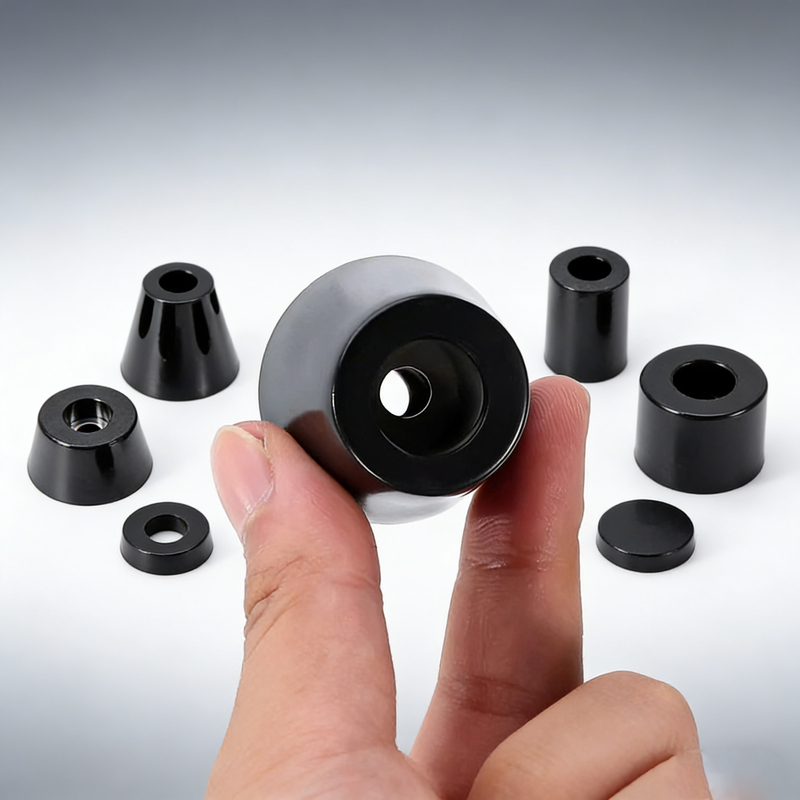
I remember another client who selected isolators based only on equipment weight. They calculated the exact weight and chose isolators that could just handle that load. This seemed logical, but they missed a critical factor. Equipment generates dynamic loads9 during operation that exceed static weight.
When their machinery started running at full speed, the dynamic forces compressed the isolators beyond their effective operating range. The rubber material deformed and lost its elastic properties. Instead of absorbing vibrations, the compressed isolators transmitted vibrations directly to the foundation.
The solution required understanding both static and dynamic loading conditions. Static load is the equipment weight when not running. Dynamic load includes operational forces, start-up surges, and vibration amplitudes. We calculated their total dynamic load was 40% higher than static weight.
We replaced their isolators with ones rated for 150% of static equipment weight. This provided adequate margin for dynamic loads9 while keeping the isolators in their optimal compression range. The vibration transmission4 dropped by 85%, and equipment performance improved significantly.
Material selection also affects load capacity6 performance. Natural rubber handles moderate loads well but degrades under constant high compression. EPDM rubber10 maintains properties under higher loads and resists environmental factors11. Silicone works best for precision applications with lower loads but wider temperature ranges.
What Environmental Factors Affect Vibration Isolator Performance?
Environmental conditions can destroy even properly sized isolators if you do not account for them during selection. Temperature, chemicals, and moisture all impact isolator effectiveness.
Environmental factors like temperature extremes, chemical exposure, and moisture can degrade isolator materials, reducing their vibration absorption capabilities. Selecting materials resistant to specific environmental conditions ensures long-term performance and prevents premature failure.
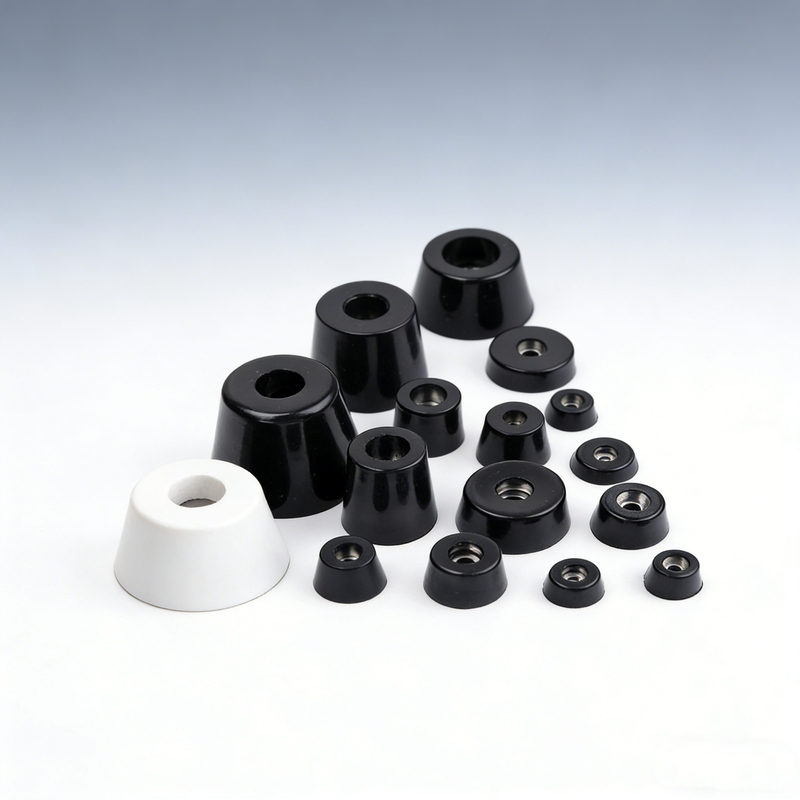
I worked with a food processing facility that installed standard rubber isolators on their equipment. The isolators worked perfectly during initial testing. However, after six months of operation, vibration control1 deteriorated significantly. The facility cleaned equipment daily with hot water and sanitizing chemicals.
The cleaning process exposed isolators to temperature cycles from -10°C to 80°C and harsh chemical solutions. Standard rubber could not handle these conditions. The material became brittle in cold temperatures and swelled when exposed to cleaning chemicals. This changed the isolator's mechanical properties and reduced vibration absorption.
We analyzed their environmental conditions systematically. Temperature range, chemical exposure frequency, moisture levels, and cleaning procedures all affected isolator selection. The solution required switching to FDA-grade silicone12 isolators designed for food industry applications.
Silicone maintains flexibility across wider temperature ranges and resists most cleaning chemicals. The new isolators performed consistently despite daily cleaning cycles. Equipment vibration levels remained stable, and the isolators lasted three times longer than the original rubber ones.
Here are key environmental factors11 to consider:
Temperature Effects: Rubber becomes rigid in cold and soft in heat. Both conditions reduce vibration absorption. Match material temperature ratings to your operating environment.
Chemical Resistance: Oils, solvents, and cleaning agents can swell or dissolve rubber compounds. Choose materials compatible with chemicals in your environment.
UV Exposure: Outdoor applications require UV-resistant materials. Standard rubber degrades quickly under direct sunlight.
Moisture and Humidity: Some rubber compounds absorb moisture, changing their mechanical properties. Select moisture-resistant materials for humid environments.
How Can Professional Support Prevent Vibration Isolator Selection Mistakes?
Technical expertise makes the difference between successful vibration control1 and expensive mistakes. Professional guidance helps you avoid common pitfalls and select optimal solutions.
Professional vibration isolator3 support provides frequency analysis, load calculations, material selection13, and custom solutions14 tailored to specific equipment requirements. Expert guidance prevents costly selection errors and ensures optimal performance from initial installation.
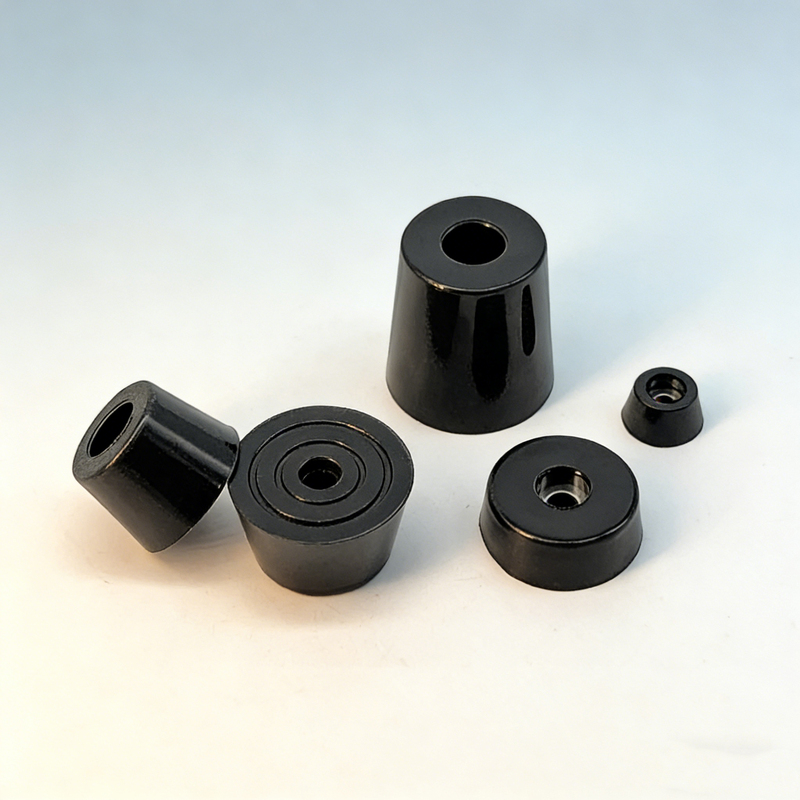
Many companies try to select isolators independently using basic specifications. This approach works for simple applications but fails with complex equipment or challenging environments. I have seen projects where wrong isolator selection cost more than professional consultation would have.
Our team provides comprehensive analysis starting with equipment characterization. We measure vibration frequencies, calculate dynamic loads9, and assess environmental conditions. This data guides material selection13 and isolator sizing to ensure optimal performance.
We also provide custom solutions14 when standard isolators cannot meet requirements. Our engineering team designs isolators for specific applications, considering unique mounting configurations, space constraints, and performance requirements. Custom solutions often cost less than dealing with failed standard isolators.
Here is how we help clients avoid selection mistakes:
Vibration Analysis: We measure actual equipment vibration patterns8 rather than relying on theoretical calculations. Real-world data provides accurate frequency and amplitude information for isolator selection.
Load Assessment: Our engineers calculate both static and dynamic loads9, including safety margins for operational variations. This prevents isolator overloading and compression deformation.
Material Matching: We match isolator materials to specific environmental conditions and performance requirements. This ensures long-term durability and consistent performance.
Installation Guidance: Proper installation is critical for isolator performance. We provide detailed installation instructions and support to ensure correct mounting and alignment.
Performance Verification: After installation, we can verify vibration reduction performance and make adjustments if needed. This ensures you achieve expected results from your investment.
Conclusion
Selecting the right vibration isolator3 requires matching frequency response, load capacity6, and environmental resistance to your specific equipment needs, backed by professional technical support.
Explore the significance of vibration control to prevent costly equipment failures. ↩
Learn about the factors leading to equipment failure and how to mitigate them. ↩
Understanding vibration isolators is crucial for effective vibration control in industrial settings. ↩
Understanding vibration transmission helps in selecting effective isolators. ↩
Discover how frequency range affects the performance of vibration isolators. ↩
Understanding load capacity is essential for selecting the right isolator for your equipment. ↩
Explore the specific vibration needs of compressors for better isolator selection. ↩
Understanding vibration patterns helps in selecting the right isolators. ↩
Learn about dynamic loads to ensure your isolators can handle operational forces. ↩
Discover the advantages of EPDM rubber for high-load applications. ↩
Explore how environmental conditions can impact the effectiveness of vibration isolators. ↩
Learn about FDA-grade silicone's benefits for food industry applications. ↩
Material selection is key to ensuring long-term performance of vibration isolators. ↩
Discover how custom solutions can address unique vibration control challenges. ↩