

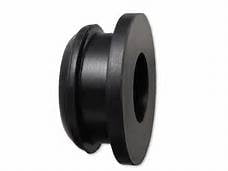
The first paragraph: Have you ever thought about how a simple rubber stopper can cause major issues when it comes to sealing and protecting contents?
A rubber stopper serves a straightforward purpose: sealing, preventing leaks, and protecting internal materials. It is a simple rubber part that works through compression or interference fit, commonly used in laboratory equipment, industrial containers, and medical devices.
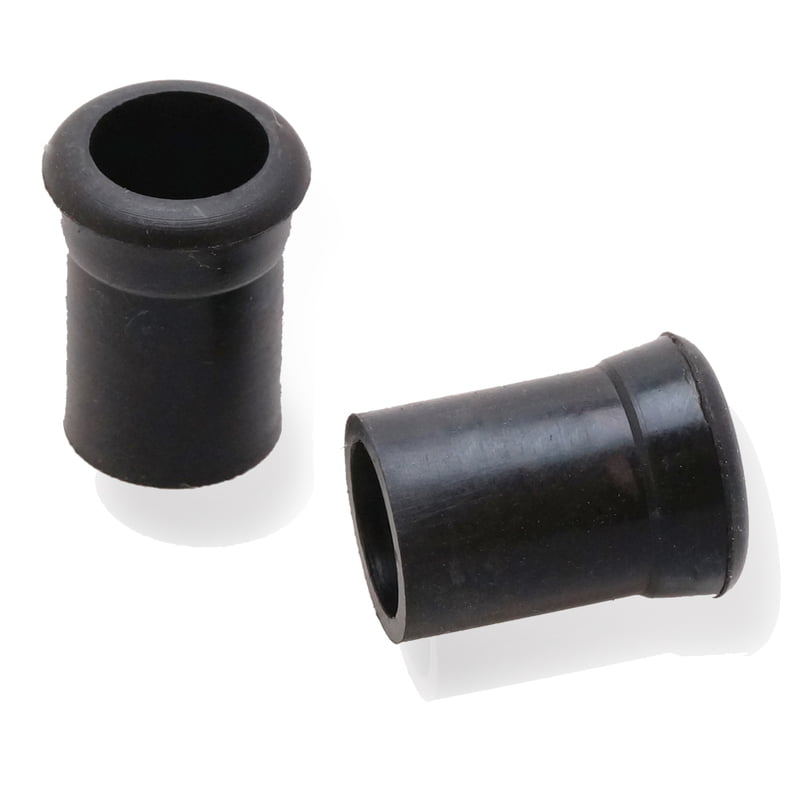
The paragraph that begins and ends with a paragraph that will keep the customer from reading further: While it may seem simple, many projects run into problems due to misconceptions about rubber stoppers. The biggest pitfall? Even if the dimensions are right, sealing can still fail.
What is a Rubber Stopper?
The first paragraph: Rubber stoppers may appear basic, but they hold significant importance in multiple applications. Many people overlook key factors that affect their performance.
When selecting a rubber stopper, it is crucial to consider not just the outer diameter and taper, but also the compression rate1. This often overlooked detail can make or break your sealing effectiveness.
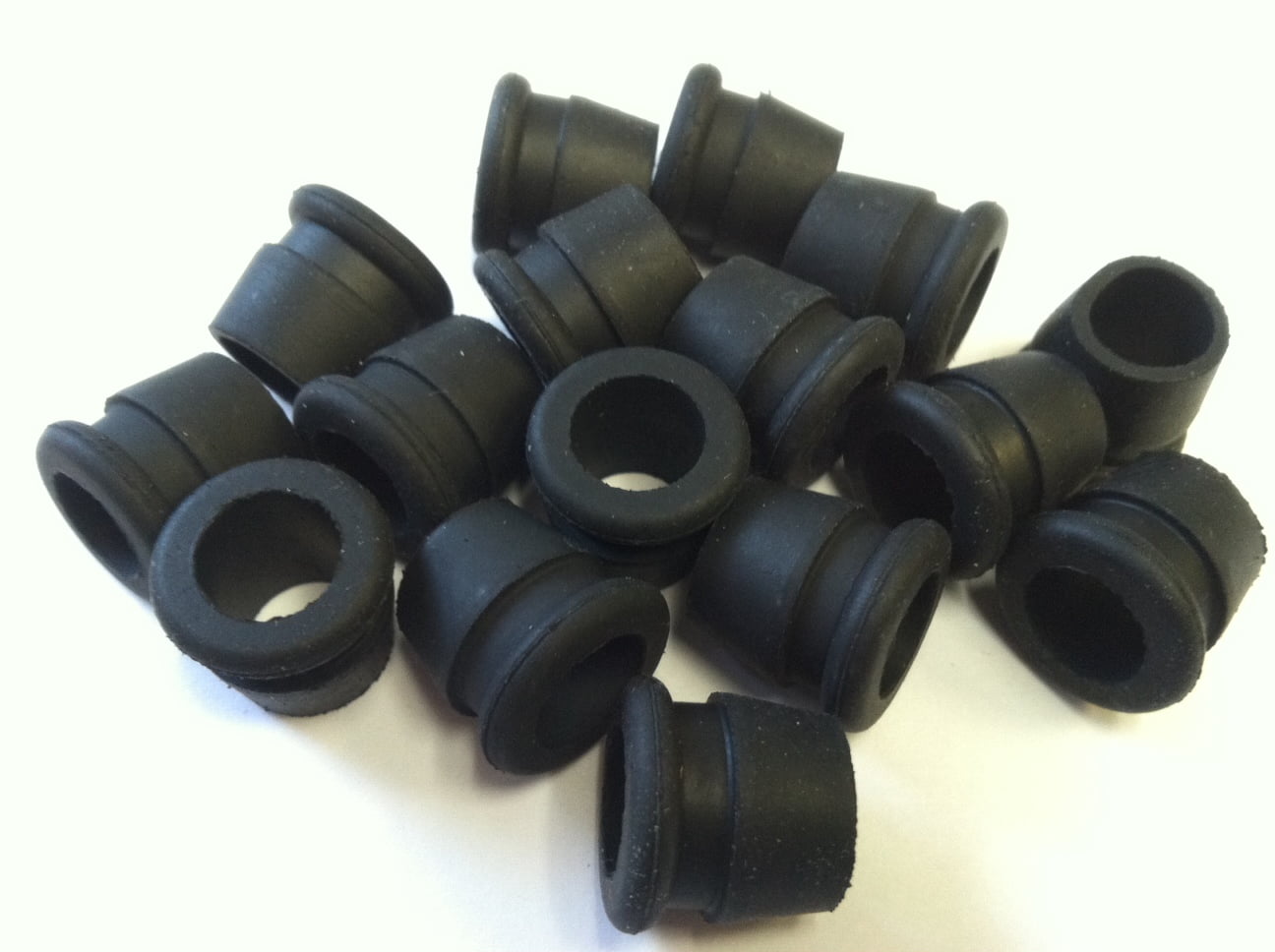
Dive deeper Paragraph: I have seen numerous cases where the rubber stoppers matched the dimensions perfectly, and the tolerances were well within limits. However, during transportation, slight leaks occurred. Upon investigation, it became clear that the compression rate1 was insufficient. The rubber did not create an effective “return sealing force2.” In simpler terms, it plugged the hole but did not seal it properly.
To avoid this issue, it's essential to focus on the post-installation compression state. I usually recommend ensuring a compression deformation between 15% to 30% after installation. The material hardness3, measured in Shore A, must also match the structure. If it’s too soft, it may easily deform or fall out. If it’s too hard, it may not compress tightly enough, leading to poor sealing.
Additionally, consider whether the stopper will be in contact with liquids or chemicals, as this affects material selection, such as choosing between EPDM, Silicone, or NBR. Think about whether it will need to be opened repeatedly, as this impacts fatigue resistance4.
Conclusion
Rubber stoppers may seem like small components, but their failure in sealing can pose significant risks to your entire product batch. If you're evaluating rubber stoppers or facing sealing issues, feel free to share your application details or dimensions with me. I can help ensure that this seemingly simple component performs reliably for you.
Understanding the compression rate is vital for effective sealing. Explore this link to learn how it impacts performance. ↩
The return sealing force is crucial for preventing leaks. Discover more about its significance in sealing applications. ↩
Material hardness plays a key role in sealing effectiveness. Learn how to choose the right hardness for your needs. ↩
Fatigue resistance is essential for durability. Explore this topic to ensure your rubber stoppers last longer. ↩