

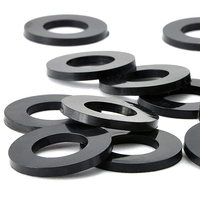
In my years of producing rubber seals1, I have noticed that many people fall into a common trap. This trap is not about materials or appearance. It’s about choosing the wrong molding method, which leads to unstable sealing performance2.
The three primary molding methods3 for rubber seals1 are compression molding4, injection molding5, and extrusion. Each method has its own suitable scenarios. However, if the wrong method is chosen, you might face issues like inaccurate dimensions, raised edges, or even sealing failures.
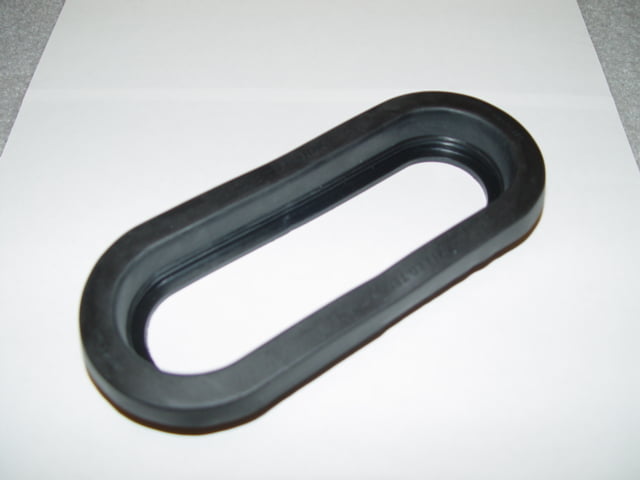
Choosing a molding method may seem straightforward. But I have seen too many cases where this was not true. For instance, a client tried using compression molding4 for a complex seal design. The edges were uneven, and it leaked after installation. Another client used extrusion for a specialty shape, resulting in insufficient rebound, which caused it to loosen after fitting.
To steer clear of this pitfall, I recommend focusing on a few key factors:
- Complexity of the seal design: Complex designs with cavities are best suited for injection molding5, while simple strip shapes can use extrusion or compression molding4.
- Precision requirements: If you need dimensions accurate to ±0.05mm, injection molding5 or precision compression molding4 are more reliable options.
- Real-world testing: Conduct real-world testing6 before mass production to confirm sealing effectiveness and durability.
For example, I once worked with a machinery company. They initially used compression molding4 to create seals with complex grooves. Unfortunately, they experienced oil leaks due to poor sealing. We switched to injection molding5 and conducted real-world testing6 with small batches. This change resolved the leak issue and shortened the production cycle7.
In simple terms, selecting the correct molding method and conducting prototype testing is crucial for ensuring that rubber seals1 perform effectively and last long. This principle guides me through every project since I know it delivers the most immediate and critical value to users.
What is compression molding4 and when should it be used?
Compression molding involves placing a pre-measured amount of rubber into a mold cavity. The mold is then closed, and heat and pressure are applied. This method is ideal for producing simple shapes or seals with minimal complexity.
Compression molding is best for simple, large parts. It requires less expensive tooling compared to other methods. However, it may not provide the tightest tolerances, making it less suitable for precision applications.


Compression molding has its strengths, particularly in producing bulk parts. However, it may lead to inconsistencies in thickness, especially in intricate designs. This is due to the nature of how the rubber flows in the mold. As a result, edges might lift, leading to sealing failures.
For example, I encountered a project where a client needed a large rubber gasket. They chose compression molding4 due to cost concerns. However, once they received the parts, we discovered uneven edges that caused installation issues. We had to redo the project using a different method.
Compression molding is effective for certain applications, but it requires careful consideration of design complexity8 and dimensional tolerances9.
What is injection molding5 and when is it the best choice?
Injection molding involves injecting molten rubber into a mold under high pressure. This method allows for precise control over dimensions and complex designs. It's particularly beneficial for high-volume production runs.
Injection molding is excellent for intricate shapes and designs requiring tight tolerances. It can achieve consistent results, making it a favorite for parts that must fit perfectly.
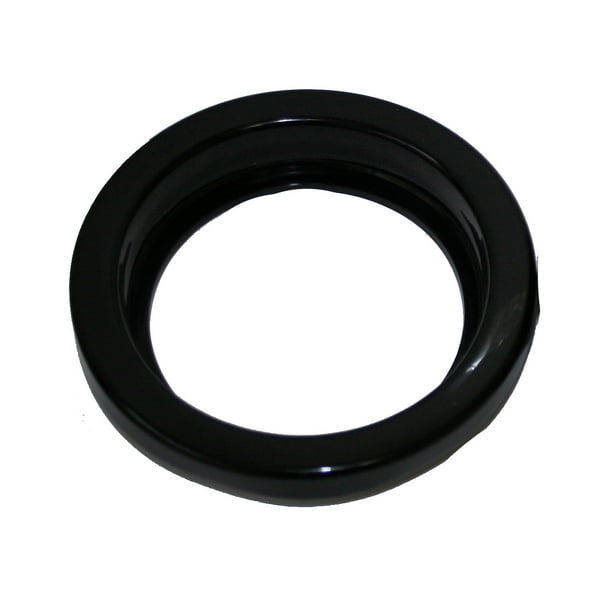
Injection molding is particularly advantageous for complex designs. The process allows for the creation of parts with multiple cavities and varying wall thicknesses. This method can produce high-quality seals with precise dimensions, suitable for various industries.
However, the initial investment for molds can be high. You need to weigh the costs against your production needs. For example, if you're producing a small batch, the cost may not be justifiable. But for large quantities, it pays off.
I’ve seen many cases where clients only consider injection molding5 for large runs. However, they later realize its benefits for smaller production batches, especially when precision is paramount. The main takeaway is that if your design is complex and you need precision, injection molding5 should be your go-to method.
What is extrusion molding10 and when should it be applied?
Extrusion molding is a continuous process that shapes rubber into long sections. The rubber is forced through a die to create a specific profile. Common applications include strips, hoses, and seals.
Extrusion molding is suitable for producing continuous lengths of rubber profiles efficiently. It works best for simple shapes and is usually more cost-effective11 than other methods.
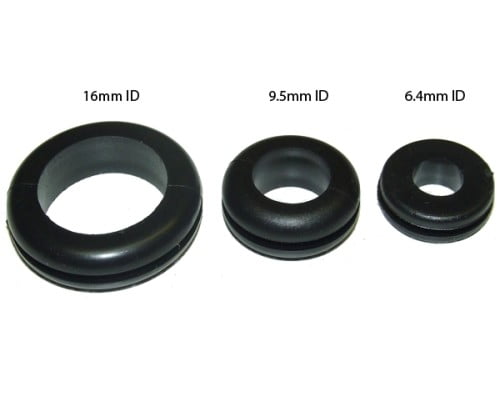
One advantage of extrusion is the ability to produce longer lengths of rubber. This is ideal for applications needing long seals or strips. However, it’s less effective for creating complex, three-dimensional parts.
I remember working on a project where my client needed a long rubber strip with a unique profile. They initially considered injection molding5, but it would have been too costly for their needs. By opting for extrusion, we met their requirements while keeping costs manageable.
However, there are limits to this method. The profiles must be simple. If there's too much complexity involved, extrusion may not yield the desired results.
Conclusion
Choosing the right molding method for rubber seals1 is essential for achieving performance and durability. By understanding each method's strengths and limitations, you can make informed decisions that lead to successful outcomes.
Find out more about rubber seals, their uses, and why they are crucial in various industries. ↩
Explore techniques and best practices to enhance the sealing performance of rubber seals. ↩
This resource will provide insights into various molding methods and their specific applications. ↩
Explore this link to understand how compression molding works and its ideal applications for rubber seals. ↩
Learn about injection molding's advantages for complex designs and precision in rubber seal production. ↩
Learn about the significance of real-world testing in ensuring the effectiveness of rubber seals. ↩
Find out what affects the production cycle and how to optimize it for rubber seal manufacturing. ↩
Discover how the complexity of a design influences the choice of molding method for rubber seals. ↩
Explore the concept of dimensional tolerances and their critical role in rubber seal production. ↩
Discover how extrusion molding can efficiently produce long rubber profiles and its cost benefits. ↩
Learn about cost-effective strategies for rubber seal production without compromising quality. ↩