

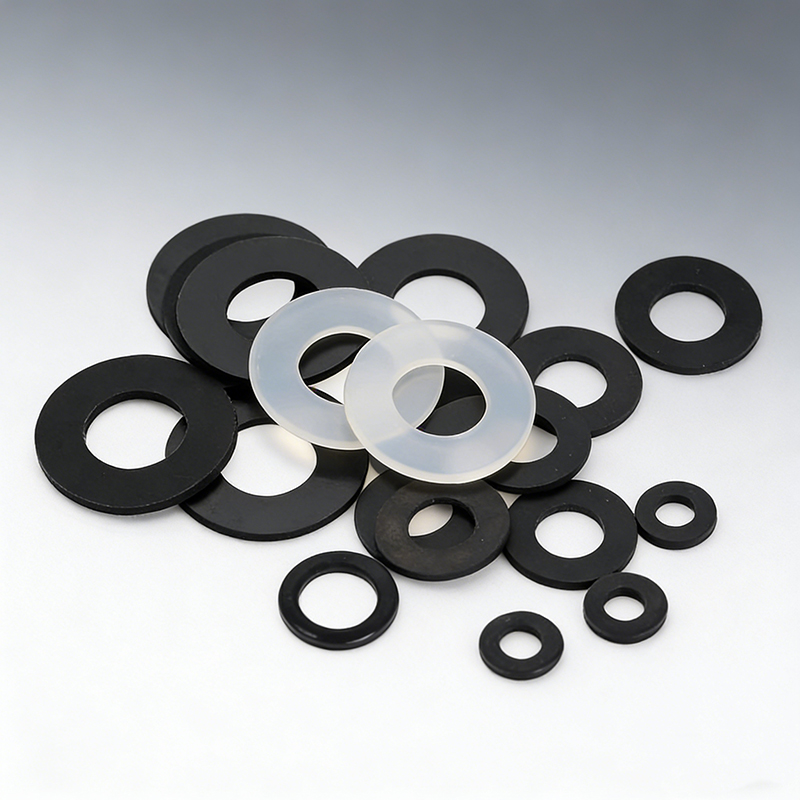
In the world of industrial maintenance and manufacturing, gaskets are everywhere. The variety can be overwhelming. From simple rubber gaskets to complex metal-wound ones, each has its own unique use.
Choosing the correct gasket for your needs is vital. Missteps can lead to significant issues. Understanding the types available will help you navigate this maze.
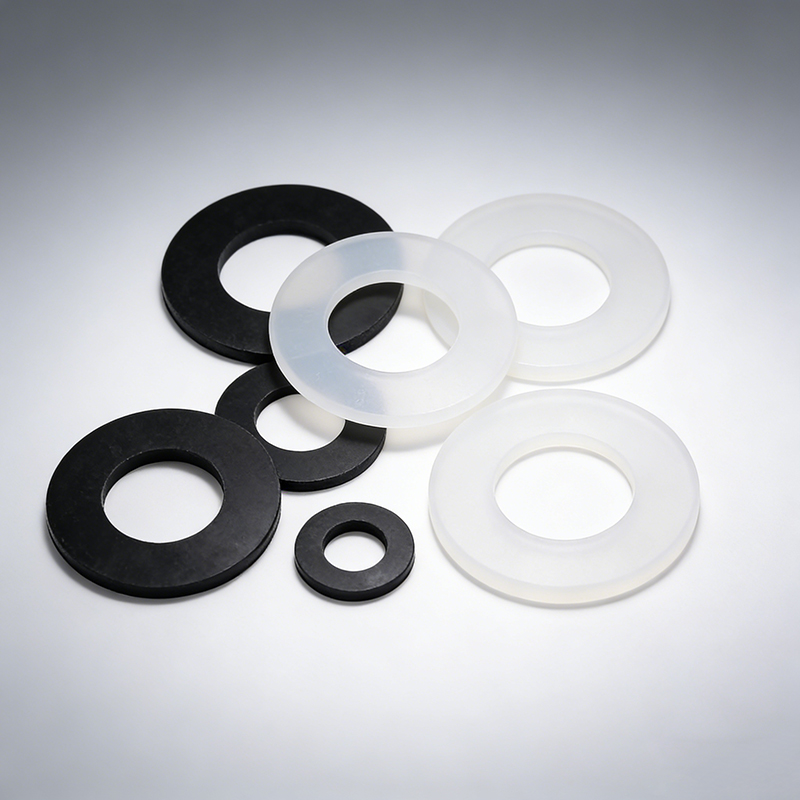
The challenge I often see is not just about picking the right product. It's about ensuring that what you choose works as expected in real-world conditions. I've spent over a decade in factories, and I can tell you, the pitfalls are plentiful.
What types of gaskets are commonly used?
Gaskets come in many forms. Let's explore a few common types and their typical applications.
1. Rubber Gaskets1
Rubber gaskets are suitable for low-pressure applications. They provide good sealing capabilities and are often used in water and fuel applications. Their flexibility makes them easy to install.
2. Cork Gaskets2
Cork gaskets are ideal for low-pressure applications. They handle temperature variations well. They are often used in automotive applications, like oil pans and valve covers.
3. Spiral Wound Gaskets3
Spiral wound gaskets are made from layers of metal and filler material. They are ideal for high-pressure and high-temperature applications. You will find them in oil refineries and chemical plants.
4. PTFE Gaskets4
PTFE gaskets are known for their chemical resistance. They are non-stick and can handle a wide range of temperatures. Commonly used in food processing, they are also suitable for pharmaceuticals.
5. Metal Gaskets5
Metal gaskets are used in demanding applications. They can withstand extreme temperatures and pressures. These gaskets are often seen in the aerospace and automotive industries.
6. Composite Gaskets6
Composite gaskets combine different materials. They are designed for specific applications, offering unique benefits based on their construction. These gaskets are often used in various industrial settings.
Choosing the right type can be tricky. Each gasket has its unique features tailored for specific scenarios.
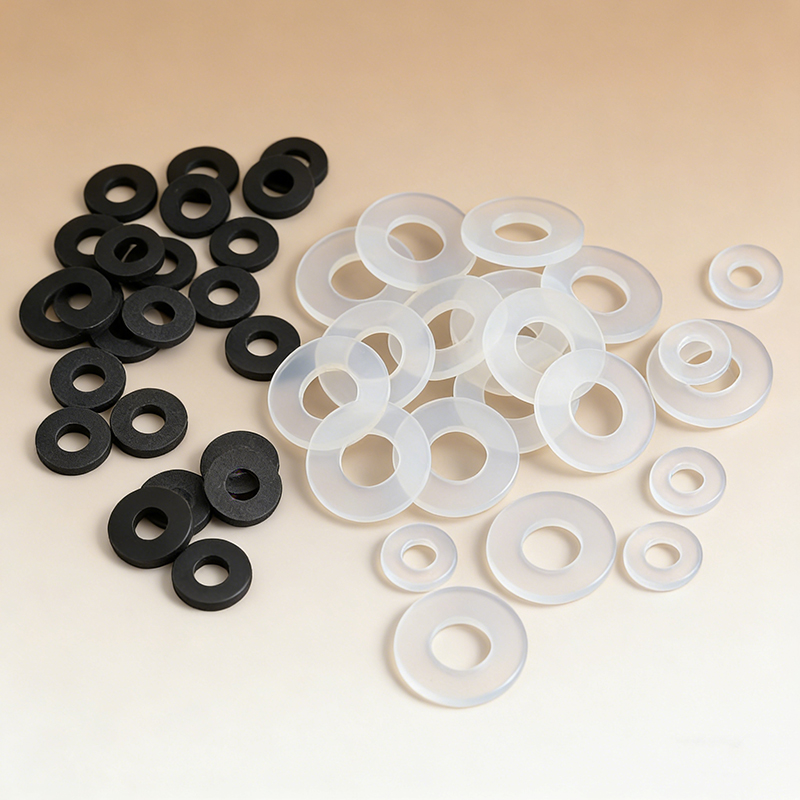
It’s easy to fall into the trap of thinking that a “universal” gasket can solve all problems. That misconception can lead to significant failures. I once worked with a partner who used high-grade PTFE gaskets across all his chemical pumps. While PTFE is known for its resistance to corrosion, the unique conditions of his system led to unexpected failures. The temperature fluctuations caused what is known as "cold flow," leading to massive leaks.
How to avoid common gasket pitfalls?
To ensure your systems are reliable, follow these three steps when selecting a gasket type:
-
Define the Dynamic Conditions7: Look at not just the materials involved, but also the environment. Consider vibrations, pressure pulses, and drastic temperature changes.
-
Differentiate Between Soft and Hard Sealing8: If your flange surfaces are uneven or if you have limited fastening force, seeking high-hardness metal gaskets might not be the best approach. A composite material could offer better sealing.
-
Check the "P x T" Limit Values: Multiply the working pressure (P) by the working temperature (T). Ensure this value falls within the recommended range for the gasket you are considering, rather than relying on individual parameters.
Understanding these aspects can save you time and headaches. A supplier that recognizes these factors can truly be invaluable.
How do our suppliers solve gasket selection issues?
I believe that the best suppliers do more than just sell parts. They provide risk assessment and support.
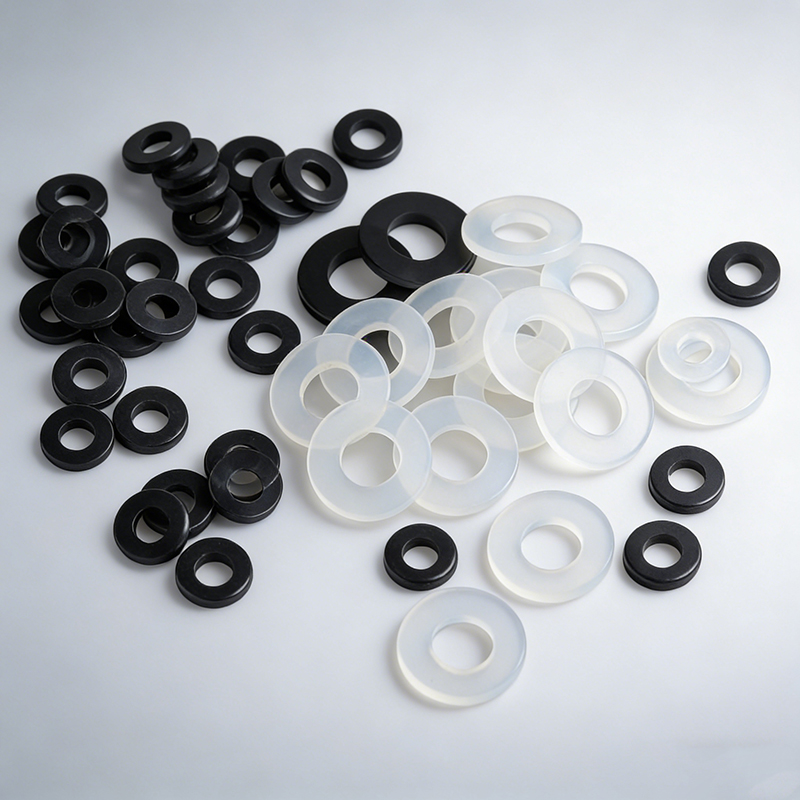
When we receive an inquiry, our tech team doesn’t just check prices. They first verify the application scenario. For instance, rather than recommending expensive pure PTFE gaskets for the cold flow issue mentioned earlier, we might suggest modified PTFE or composite materials with built-in stainless steel support. This design helps counteract the cold flow tendency. In our lab, every gasket undergoes performance tests to ensure that what we deliver is not just a product but a guaranteed sealing solution.
Your project needs an accurate “sealing prescription”
There are no absolute best or worst gasket types. It's all about matching the right type to the right application.
If you're facing a complex situation and are unsure about which type to choose, or if your current sealing solution isn't meeting expectations, please reach out. Our team of experts will analyze your equipment parameters and provide a comprehensive solution, from material selection to structural design.
Instead of wandering through hundreds of models, let a professional team help you find the exact match.
Conclusion
Selecting the correct gasket is crucial for system reliability and efficiency.
Explore the advantages of rubber gaskets for low-pressure applications and their sealing capabilities. ↩
Learn how cork gaskets handle temperature variations and their specific uses in automotive settings. ↩
Discover the unique features of spiral wound gaskets and their effectiveness in extreme conditions. ↩
Find out why PTFE gaskets are favored for their chemical resistance and non-stick properties. ↩
Understand the importance of metal gaskets in demanding environments and their performance. ↩
Explore how composite gaskets combine materials for tailored solutions in various applications. ↩
Learn about the importance of considering dynamic conditions for reliable gasket performance. ↩
Understand the implications of choosing between soft and hard sealing for effective sealing. ↩