

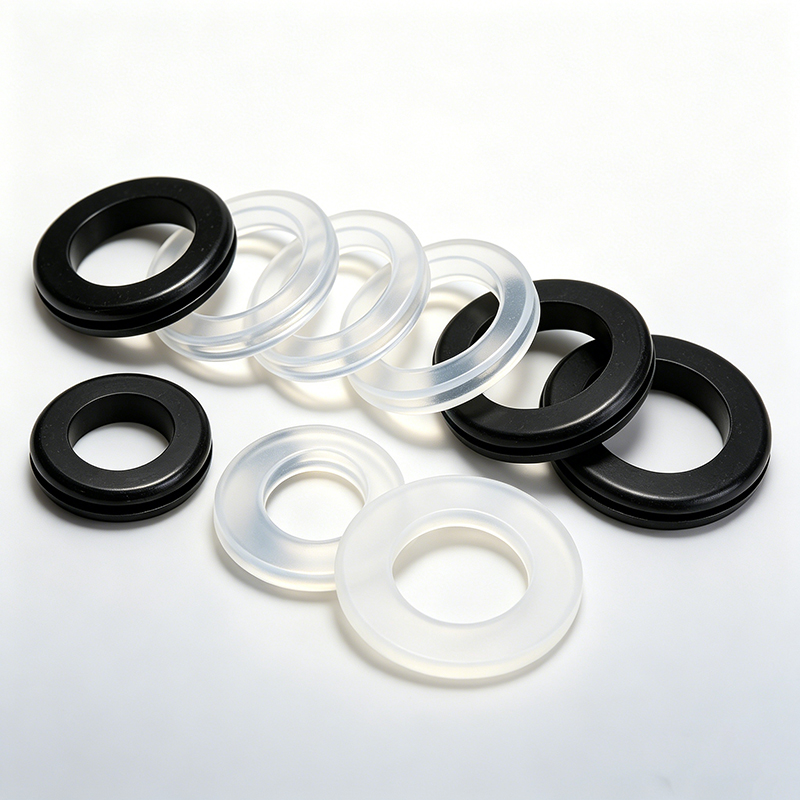
Choosing the wrong gasket material can lead to catastrophic equipment failure. Many engineers discover this too late when their seals fail under pressure.
The best rubber gasket materials1 depend on your application environment. Silicone2 excels in high temperatures, NBR3 resists oils, EPDM4 handles weather exposure, and Viton5 withstands harsh chemicals. Understanding these properties prevents costly failures.


I've seen too many projects suffer because someone picked the cheapest gasket without considering the working conditions. Let me share what I've learned about choosing the right materials.
Why does silicone dominate high-temperature applications?
Temperature extremes destroy ordinary rubber gaskets. Watch them crack and lose elasticity when heat becomes your enemy.
Silicone2 rubber gaskets maintain flexibility from -65°F to 450°F (-54°C to 232°C). Their stable polymer structure resists thermal degradation, making them ideal for ovens, engines, and industrial heating systems.
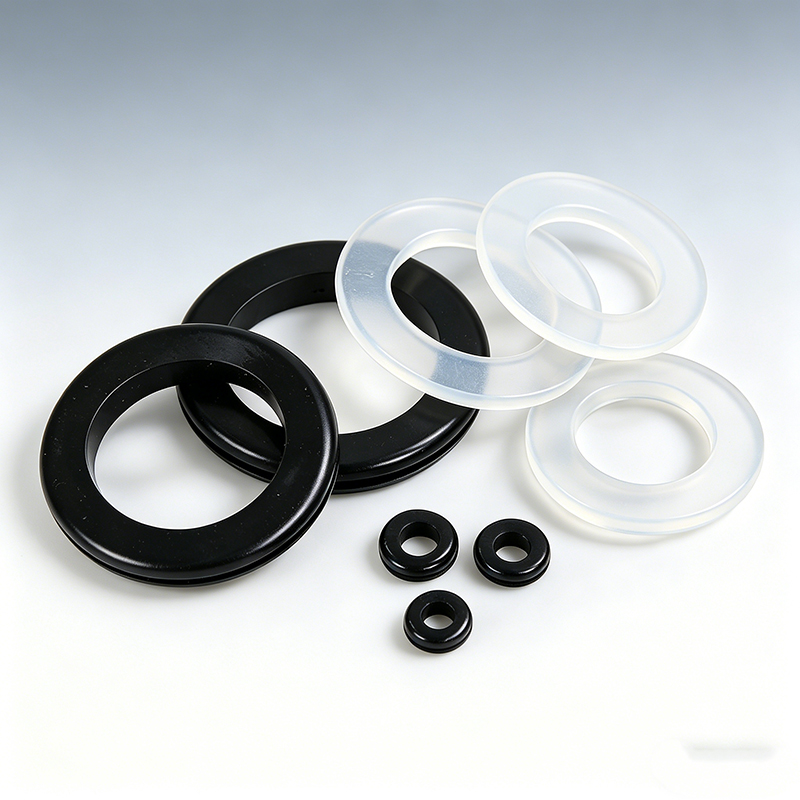
Silicone2 stands out because of its unique molecular structure. The silicon-oxygen backbone creates exceptional thermal stability that carbon-based rubbers cannot match. This translates into real-world benefits for demanding applications.
I remember working with a customer who manufactured industrial ovens. They initially used standard rubber gaskets that failed every few months at 400°F. The replacement costs and downtime were killing their profitability. We switched them to silicone gaskets, and they haven't had a single failure in over two years.
The key advantages of silicone include:
| Property | Benefit | Application |
|---|---|---|
| Temperature range | -65°F to 450°F operation | Ovens, engines, aerospace |
| Ozone resistance | No cracking from UV exposure | Outdoor equipment |
| Food grade options | FDA compliant materials | Food processing equipment |
| Electrical insulation | High dielectric strength | Electronic enclosures |
Silicone2 also offers excellent compression set resistance6. This means the gasket maintains its shape and sealing force even after prolonged compression. For applications with constant pressure or vibration, this property prevents leaks that develop over time.
When should you choose NBR3 for oil resistance?
Oil exposure turns most rubbers into useless mush. Your equipment needs protection that won't dissolve under chemical attack.
NBR3 (Nitrile Butadiene Rubber) gaskets resist petroleum oils, hydraulic fluids, and fuel. Their nitrile content7 ranges from 18% to 50%, with higher percentages providing better oil resistance but reduced flexibility.
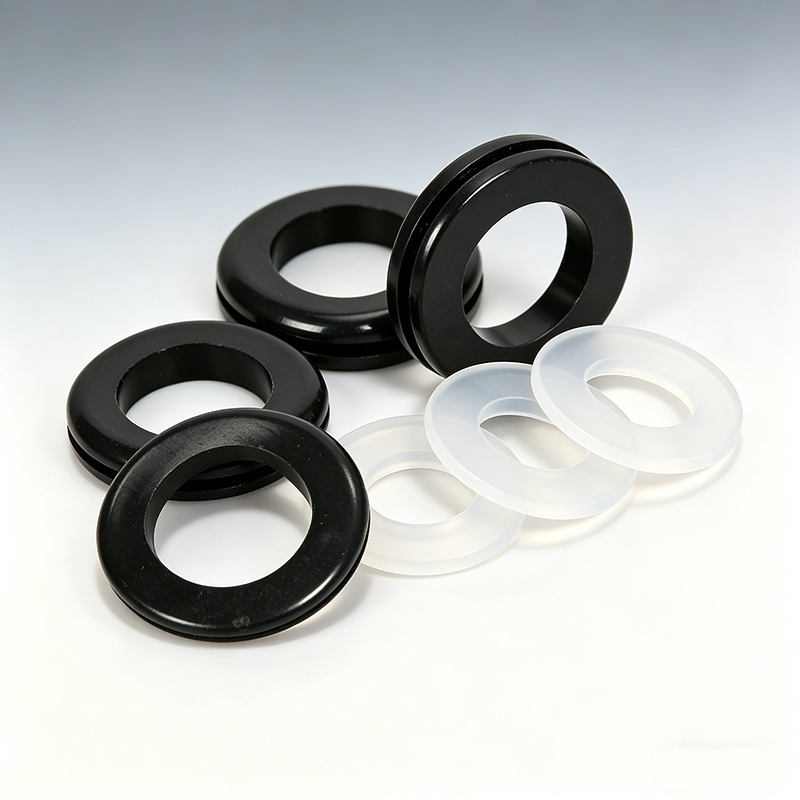
NBR3 excels in automotive and industrial applications where hydrocarbon exposure is constant. The nitrile groups in the polymer chain create strong resistance to swelling and degradation when exposed to oils and fuels.
I worked with an automotive manufacturer who was struggling with fuel system leaks. Their standard gaskets were swelling and losing their sealing properties after exposure to ethanol-blended fuels. We provided NBR3 gaskets with 40% nitrile content7, specifically designed for modern fuel compositions.
The selection of NBR3 grade depends on your specific requirements:
| Nitrile Content | Oil Resistance | Temperature Range | Flexibility |
|---|---|---|---|
| 18-25% | Good | -40°F to 250°F | Excellent |
| 26-35% | Very Good | -30°F to 250°F | Good |
| 36-50% | Excellent | -20°F to 250°F | Fair |
NBR3 also provides good tensile strength and abrasion resistance8. This makes it suitable for dynamic sealing applications where the gasket experiences movement or friction. The material can handle pressures up to 2000 PSI in properly designed sealing systems.
How does EPDM4 handle outdoor weathering?
Weather exposure destroys rubber gaskets through ozone cracking and UV degradation. Most materials fail within months of outdoor use.
EPDM4 (Ethylene Propylene Diene Monomer) gaskets resist ozone, UV radiation, and extreme weather. Their saturated polymer backbone prevents ozone attack, while carbon black additives block harmful UV rays.
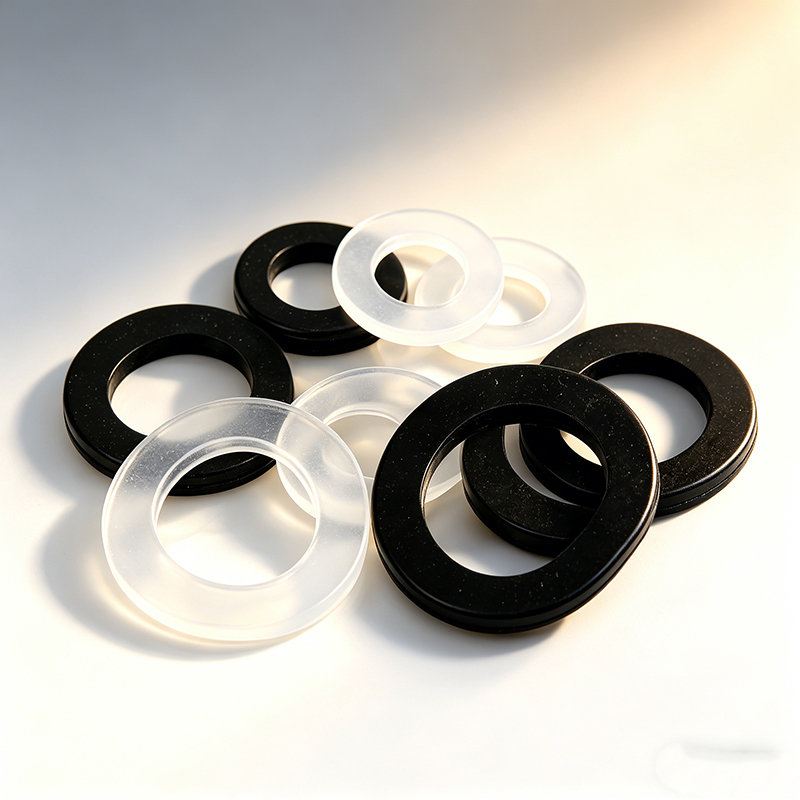
EPDM4 shines in outdoor applications where traditional rubbers quickly deteriorate. The absence of double bonds in the main polymer chain makes it immune to ozone cracking, a common failure mode for other elastomers.
A construction equipment manufacturer contacted us after experiencing frequent gasket failures on outdoor machinery. Their rubber seals were cracking after just six months of exposure. We recommended EPDM4 gaskets with proper UV stabilizers. Three years later, the original gaskets are still performing perfectly.
EPDM4 offers several advantages for outdoor use:
| Property | Performance | Benefit |
|---|---|---|
| Ozone resistance | No cracking up to 200 pphm | Long outdoor life |
| UV stability9 | Minimal degradation | Color retention |
| Temperature range | -65°F to 300°F | All-season performance |
| Water resistance | Excellent | No swelling or degradation |
EPDM4 also provides excellent electrical insulation10 properties. This makes it valuable for electrical enclosures and cable sealing applications. The material maintains its insulating properties even when wet, unlike many other elastomers.
Why choose Viton5 for chemical resistance?
Harsh chemicals attack and destroy standard rubber gaskets. Your sealing system needs materials that fight back against aggressive environments.
Viton5 (fluoroelastomer) gaskets resist acids, solvents, and high-temperature chemicals. Their fluorine-carbon bonds create exceptional chemical inertness11, operating reliably from -15°F to 400°F in aggressive media.
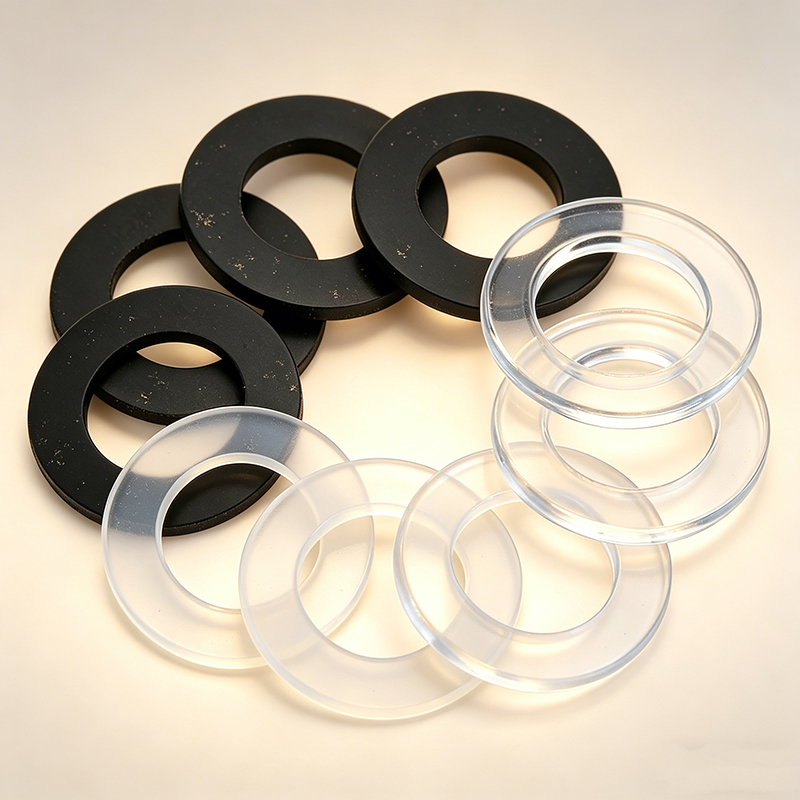
Viton5 represents the premium choice for chemical processing applications. The fluorine atoms in the polymer chain create strong, stable bonds that resist attack from most chemicals. This stability comes at a higher cost but provides unmatched performance in demanding environments.
I recall a chemical processing plant that was losing thousands of dollars monthly due to gasket failures in their reactor systems. The aggressive solvents were attacking their standard gaskets, causing contamination and downtime. We supplied Viton5 gaskets that eliminated the failures and improved their process reliability.
Viton5 grades offer different levels of chemical resistance:
| Viton5 Grade | Fluorine Content | Chemical Resistance | Temperature Range |
|---|---|---|---|
| A-type | 66% | Good | -15°F to 400°F |
| B-type | 68% | Very Good | -10°F to 400°F |
| F-type | 70% | Excellent | -5°F to 400°F |
The high fluorine content makes Viton5 particularly effective against aromatic hydrocarbons, chlorinated solvents, and strong acids. It also maintains its properties at elevated temperatures where other elastomers would fail completely.
Conclusion
Choosing the right rubber gasket material prevents equipment failures and reduces maintenance costs. Match your material to your environment for reliable, long-term sealing performance.
Explore this link to understand the various rubber gasket materials and their specific applications, ensuring optimal performance. ↩
Learn about silicone's unique properties that make it ideal for high-temperature environments, enhancing your project's reliability. ↩
Discover the benefits of NBR gaskets for oil resistance, crucial for automotive and industrial applications. ↩
Find out how EPDM gaskets resist outdoor elements, ensuring longevity and performance in harsh conditions. ↩
Explore why Viton is the premium choice for chemical processing, offering unmatched performance in aggressive environments. ↩
Understanding compression set resistance can help you choose gaskets that maintain their sealing force over time. ↩
Learn how different nitrile content levels impact the performance of NBR gaskets in oil resistance applications. ↩
Learn how abrasion resistance affects the longevity and reliability of rubber gaskets in dynamic sealing applications. ↩
Explore the importance of UV stability in rubber gaskets for outdoor applications, ensuring durability and performance. ↩
Discover the role of electrical insulation in gaskets, especially for electronic enclosures, enhancing safety and performance. ↩
Understanding chemical inertness in Viton gaskets can help you select the right material for harsh chemical environments. ↩