

Rubber seals1 are essential components that prevent leakage and contamination in countless industrial applications. Many engineers face challenges when selecting the right sealing solution for their projects.
Rubber seals1 offer superior flexibility, chemical resistance2, and temperature tolerance3 compared to other sealing materials. They provide reliable sealing performance across diverse industrial applications while maintaining cost-effectiveness4 and easy installation.
I have seen many projects succeed or fail based on seal selection. The right rubber seal can make the difference between smooth operations and costly equipment failures. Let me share what I have learned about rubber seal benefits over my 27 years in this industry.
Why Do Rubber Seals Outperform Other Materials?
Traditional sealing materials often fail under demanding conditions. Metal seals crack under pressure changes. Paper gaskets dissolve when exposed to chemicals.
Rubber seals1 excel because they combine flexibility with durability. They adapt to surface irregularities while maintaining their sealing properties under pressure, temperature changes, and chemical exposure.
Key Performance Advantages
Rubber seals1 offer several critical advantages over alternative materials. Their molecular structure5 allows them to compress and recover repeatedly without permanent deformation. This elasticity ensures consistent sealing performance throughout the product lifecycle.
The material versatility of rubber compounds addresses specific application needs. Silicone rubber handles extreme temperatures from -60°C to 200°C. EPDM6 provides excellent weather resistance for outdoor applications. NBR7 offers superior oil resistance for automotive and machinery applications.
| Rubber Type | Temperature Range | Key Benefits | Common Applications |
|---|---|---|---|
| Silicone | -60°C to 200°C | High/low temp resistance | Medical devices, food equipment |
| EPDM6 | -40°C to 150°C | Weather resistance | Automotive, HVAC systems |
| NBR7 | -30°C to 120°C | Oil resistance | Hydraulic systems, machinery |
| Fluorocarbon | -20°C to 200°C | Chemical resistance | Chemical processing, aerospace |
Chemical compatibility represents another major advantage. Rubber formulations can be customized to resist specific chemicals, oils, or solvents that would destroy other sealing materials. This customization capability allows engineers to specify exactly the right material for their application environment.
How Do Rubber Seals Save Money in the Long Term?
Initial cost comparisons often favor cheaper alternatives. However, total cost of ownership tells a different story about rubber seal value.
Rubber seals1 reduce maintenance costs through longer service life and reliable performance. Their durability minimizes replacement frequency while preventing costly leakage-related damage to equipment and surrounding areas.
Maintenance and Replacement Benefits
Preventive maintenance schedules become more predictable with quality rubber seals. Unlike rigid materials that fail suddenly, rubber seals typically show gradual wear patterns. This allows maintenance teams to plan replacements during scheduled downtime rather than emergency shutdowns.
The installation process8 for rubber seals requires minimal specialized tools or training. Most rubber seals can be installed with basic hand tools, reducing labor costs and installation time. This simplicity also means field repairs are often possible without returning equipment to the shop.
Energy efficiency improvements result from proper sealing. Leaking seals force pumps, compressors, and other equipment to work harder to maintain system pressure. Quality rubber seals maintain system integrity, reducing energy consumption and extending equipment life.
Inventory management becomes simpler with standardized rubber seal families. A single rubber compound can often serve multiple applications within a facility. This reduces the number of different seals that must be stocked and managed, lowering inventory carrying costs.
What Makes Rubber Seals Suitable for Extreme Conditions?
Extreme operating conditions challenge all sealing materials. Temperature swings, chemical exposure, and mechanical stress test seal performance limits.
Rubber seals1 handle extreme conditions through engineered compound formulations. Advanced rubber chemistry creates materials that maintain sealing properties despite temperature extremes, chemical attack, or mechanical stress.
Temperature and Environmental Resistance
Temperature resistance varies significantly among rubber compounds, but proper selection ensures reliable performance across wide temperature ranges. Silicone compounds maintain flexibility at extremely low temperatures while resisting thermal breakdown at high temperatures. This thermal stability prevents seal hardening or softening that leads to leakage.
Chemical resistance protects seals from degradation in harsh environments. Fluorocarbon rubbers resist virtually all chemicals and solvents. EPDM6 compounds handle acids, bases, and oxidizing chemicals. NBR7 formulations resist petroleum products and hydraulic fluids.
UV and ozone resistance matter for outdoor applications. Standard rubber compounds degrade rapidly when exposed to sunlight and ozone. Specialized EPDM6 and silicone formulations resist UV radiation and ozone attack, maintaining seal integrity for years in outdoor installations.
Pressure resistance allows rubber seals to function in high-pressure applications. The elastic nature of rubber allows it to deform under pressure while maintaining contact with sealing surfaces. This pressure-responsive behavior actually improves sealing performance as system pressure increases.
How Do You Select the Right Rubber Seal for Your Application?
Material selection mistakes cause most rubber seal failures. I have seen projects fail because teams chose seals based on price rather than application requirements.
Successful rubber seal selection requires matching material properties to operating conditions. Consider temperature range, chemical exposure, pressure requirements, and installation constraints when specifying rubber seals.
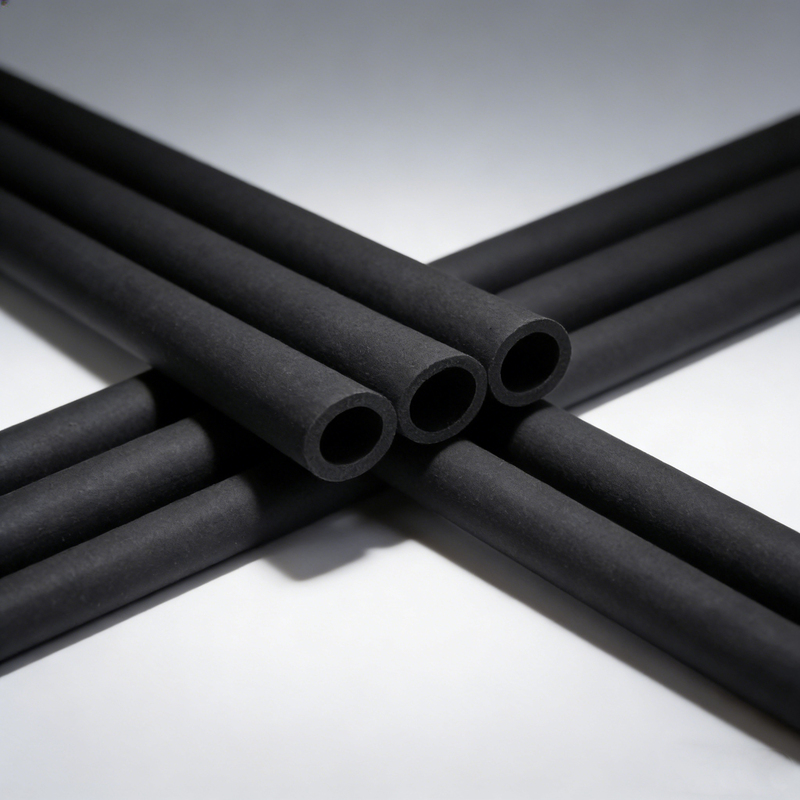
Critical Selection Factors
Operating temperature defines the baseline for material selection9. Each rubber compound has specific temperature limits that cannot be exceeded without performance degradation. Document both steady-state and transient temperature conditions to ensure proper material selection9.
Chemical compatibility testing prevents premature seal failure. Provide samples of all fluids that will contact the seal, including cleaning agents and occasional spill materials. Laboratory testing confirms chemical compatibility before committing to large-scale installation.
Pressure and dynamic conditions10 affect seal design and material hardness. Static seals can use softer compounds that conform well to surface irregularities. Dynamic seals need harder compounds that resist wear while maintaining sealing contact.
Installation and maintenance access influence seal design choices. Complex geometries may require custom-molded seals rather than standard cross-sections. Consider how seals will be installed and replaced when specifying seal configurations.
Conclusion
Rubber seals1 provide unmatched versatility, durability, and performance for industrial sealing applications. Their benefits far outweigh initial costs through reliable operation and reduced maintenance requirements.
Explore the advantages of rubber seals, including flexibility and durability, essential for preventing leaks in various industries. ↩
Learn how chemical resistance enhances the longevity and reliability of rubber seals in harsh environments. ↩
Understand how temperature tolerance affects the performance and selection of rubber seals for different applications. ↩
Discover how rubber seals can save money in the long run through reduced maintenance and longer service life. ↩
Delve into the science behind rubber seals and how their molecular structure ensures effective sealing. ↩
Explore the advantages of EPDM rubber seals, especially in outdoor and automotive applications. ↩
Learn about NBR's superior oil resistance and its critical role in automotive and machinery applications. ↩
Find out how easy it is to install rubber seals and the tools required for effective installation. ↩
Explore the critical factors for selecting the right rubber seal material for specific applications. ↩
Understand how dynamic conditions affect the design and material selection of rubber seals. ↩